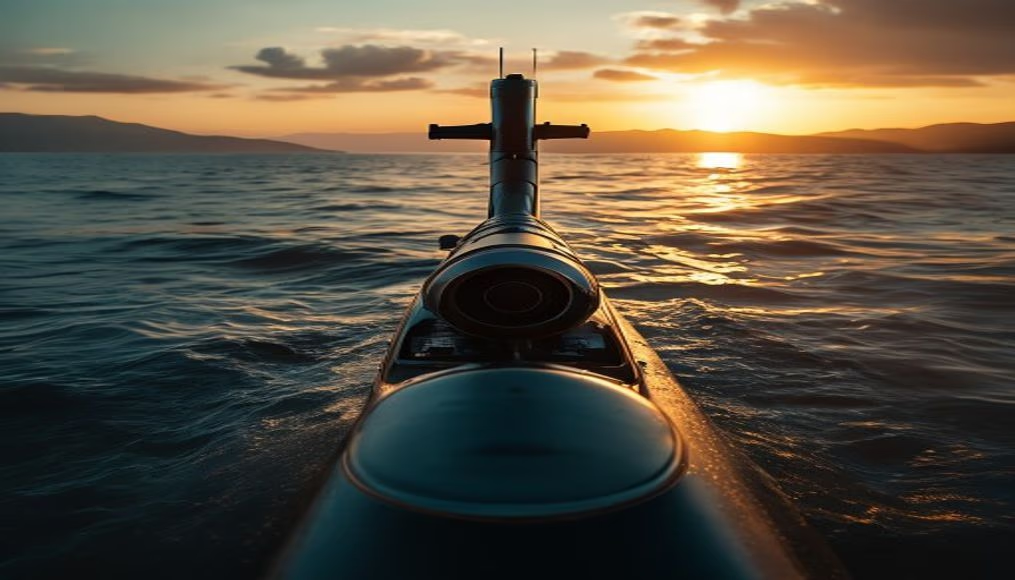
Submarine surfacing ocean
1344×768 · AVIF · CC BY 4.0
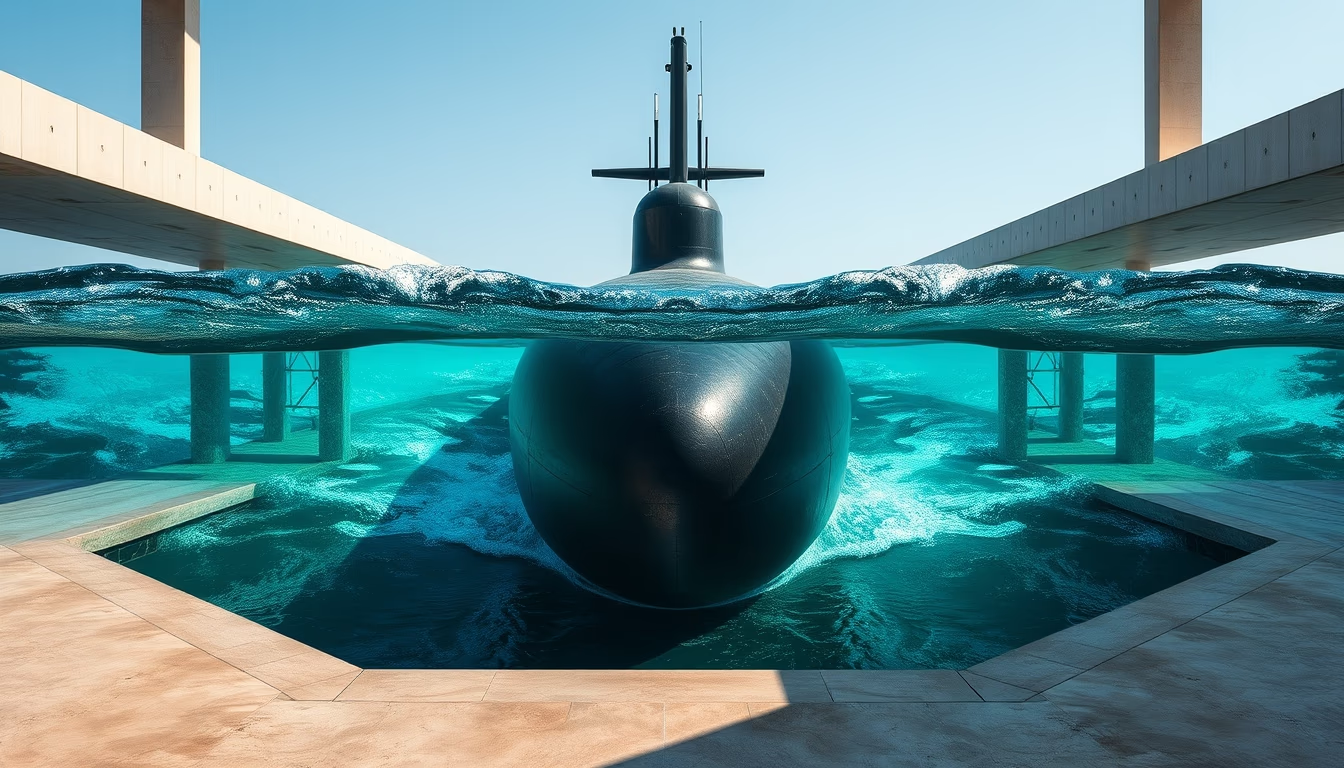
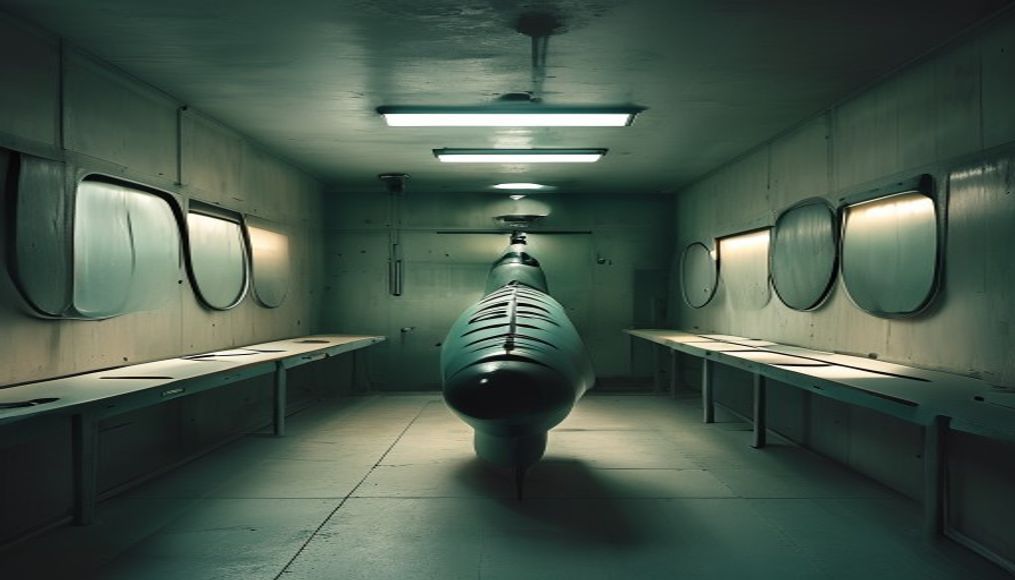
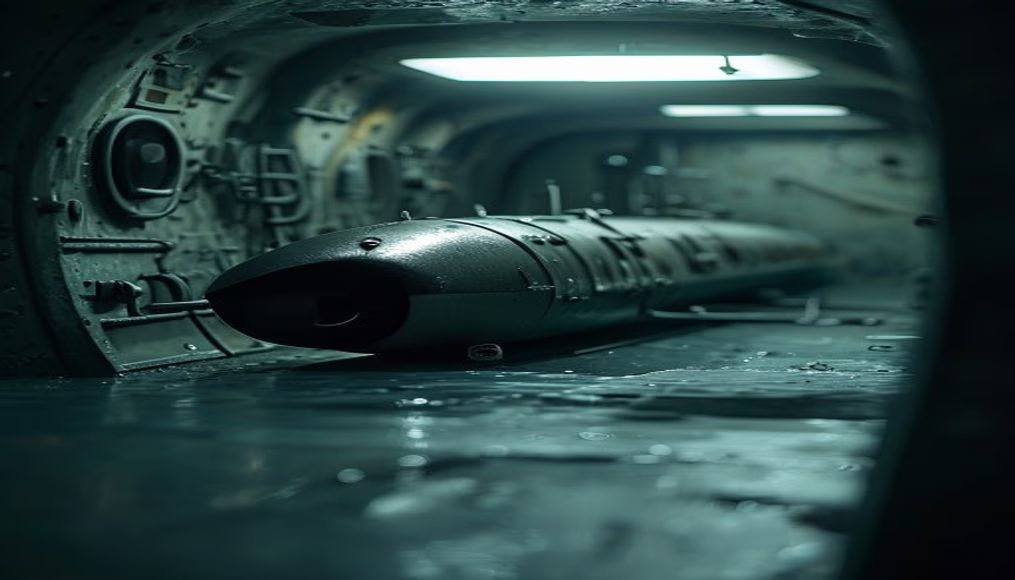
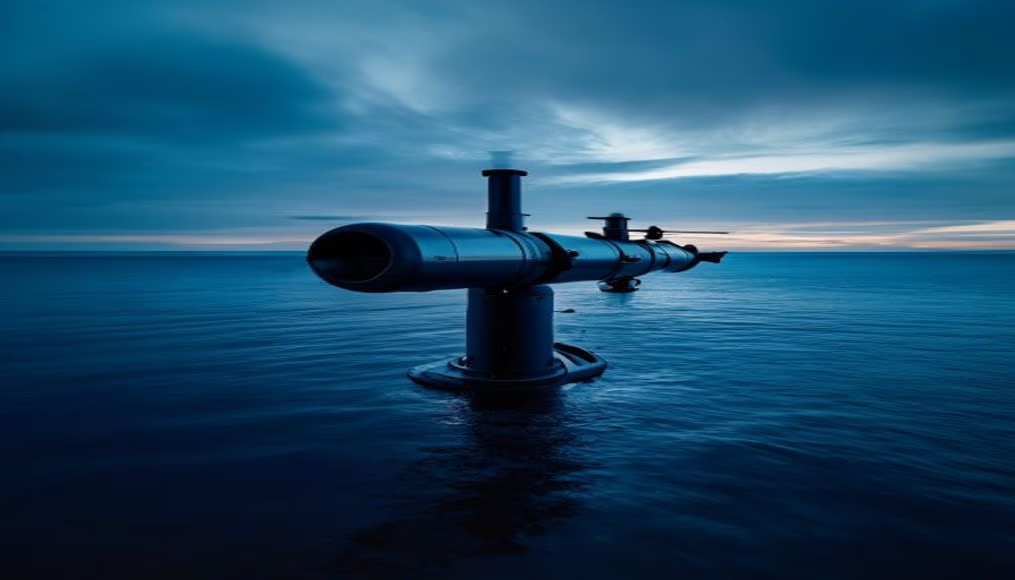
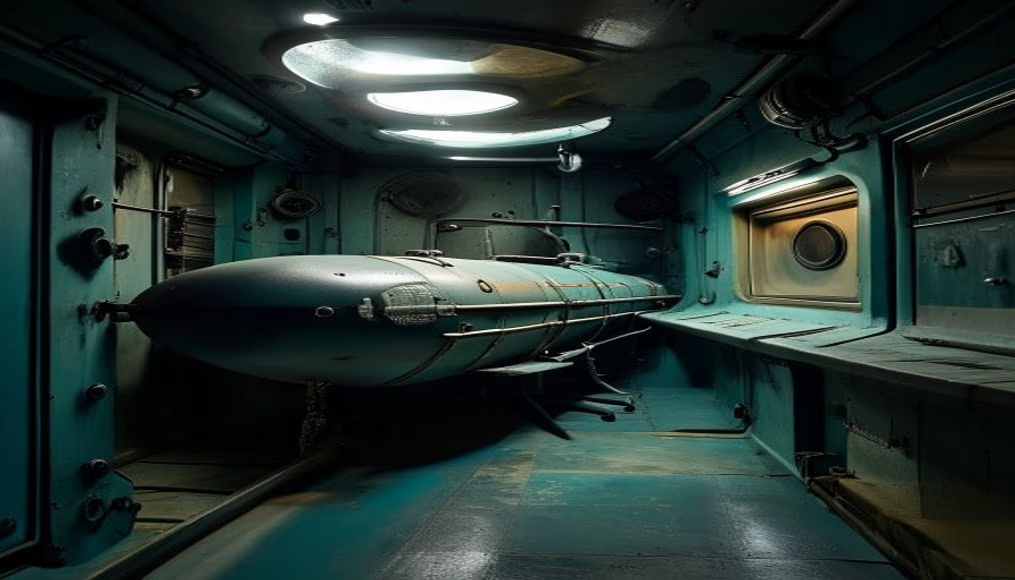
Submarines surfacing in the ocean perform critical maneuvers for communication, crew rotation, and resupply, revealing their hydrodynamic design.
About this subject
Submarines are vessels designed to operate submerged, but surfacing is a fundamental maneuver in their missions. During surfacing, submarines can conduct crew rotation, resupply of provisions and fuel, and establish communications via radio or satellite. This operation requires precision to avoid detection by enemy radars or ships, especially in military contexts.
The surfacing process involves adjusting ballast tanks and depth rudders, allowing the hull to break the surface with stability. Modern submarines, such as the Virginia-class (USA) or Riachuelo-class (Brazil), feature sails (towers) that house periscopes and sensors, visible above the waterline. Ascending speed and surface angle are controlled to minimize hydrodynamic noise and prevent collisions.
Historically, submarines surfaced for attack, rescue, or simply to verify position. During the Cold War, the surfacing of nuclear submarines was a sign of deterrence. In Brazil, the nuclear submarine SN-10 Álvaro Alberto, under development, will have the ability to remain submerged for months, making surface stops even rarer and more strategic.
Beyond military use, scientific research submarines, such as manned ROVs, surface for data collection and maintenance. Controlled surfacing is crucial for crew safety and mission success, whether warlike or exploratory.
Frequently Asked Questions
Why does a submarine need to surface?
Submarines surface for long-range communications, resupply of air, fuel, and food, crew rotation, and rescue missions. Nuclear submarines surface less frequently but still require surface time for secure communications.
How does a submarine's surfacing process work?
The submarine uses ballast tanks filled with compressed air to expel water, reducing the vessel's density. Depth rudders adjust the ascent angle. Speed is controlled to ensure a stable and quiet surfacing.
Do Brazilian military submarines surface often?
Yes, Riachuelo-class submarines, such as the Riachuelo (S40), conduct regular surface exercises for training and system checks. The future nuclear submarine Álvaro Alberto will also have specific surfacing procedures.
Direct URL
https://pub-c7d6a6ea828543ac903a74a341ccb2e1.r2.dev/imagens/submarine-surfacing-ocean-architectural-photography-p6.avifHow to credit
Include a visible link back to UtilizAí. Copy one of the snippets below:
<a href="https://xn--utiliza-eza.com/en/midia/imagens/submarine-surfacing-ocean-architectural-photography-p6">Submarine surfacing ocean</a> by <a href="https://xn--utiliza-eza.com">UtilizAí</a>, licensed under <a href="https://creativecommons.org/licenses/by/4.0/">CC BY 4.0</a>.
[Submarine surfacing ocean](https://xn--utiliza-eza.com/en/midia/imagens/submarine-surfacing-ocean-architectural-photography-p6) by [UtilizAí](https://xn--utiliza-eza.com), CC BY 4.0
License: CC-BY-4.0