Steam locomotive vintage
1344×768 · AVIF · CC BY 4.0
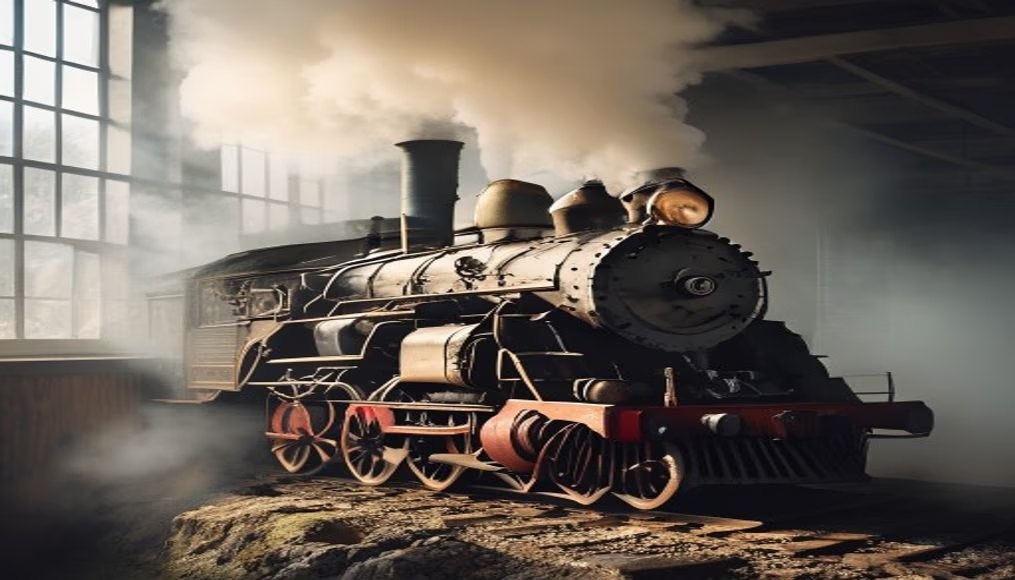
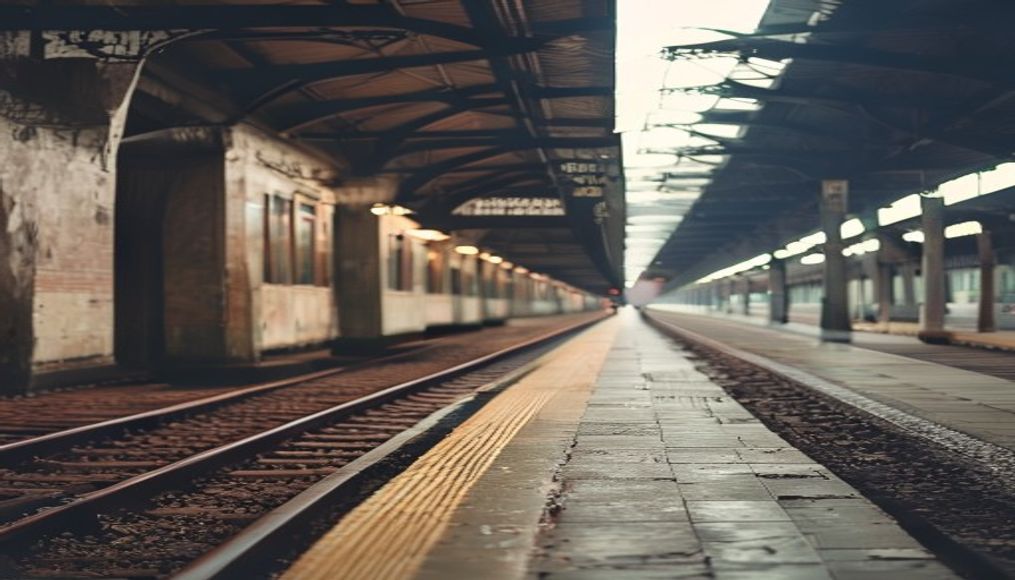
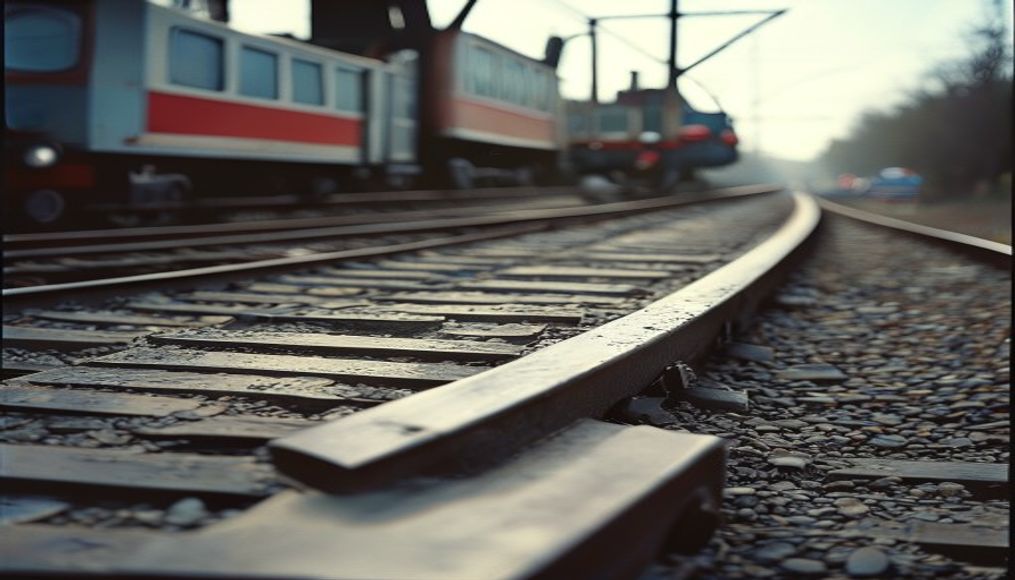
Steam locomotives revolutionized rail transport in the 19th century, driving industrialization and connecting continents with their mechanical power and iconic design.
About this subject
Steam locomotives were the heart of the first transport revolution. Invented in the early 1800s, they used expanding steam to move pistons, converting thermal energy into mechanical motion. The first practical locomotive was built by Richard Trevithick in the UK, but George Stephenson perfected the design with the 'Rocket' in 1829, winning the Rainhill Trials. This set standards for gauge, suspension, and boilers that lasted for decades.
In Brazil, steam locomotives arrived in 1854 with the Petrópolis Railway, inaugurated by Emperor Dom Pedro II. Companies like Baldwin (USA) and Beyer-Peacock (England) supplied machines for lines such as the Central do Brasil Railway and the São Paulo Railway. 'Maria Fumaça' (Smoky Mary), as they were affectionately called, became a symbol of the coffee industry and the country's interior development, hauling freight and passengers across mountains and plateaus.
Technically, steam locomotives operate with a tubular boiler, where water is heated by coal or wood, generating pressurized steam at around 200 psi. Steam is directed to cylinders that drive the wheels via connecting rods. Efficiency was low (about 5, 7%), but the ruggedness and simplicity allowed operation in remote areas with limited infrastructure. Famous types include the 4-6-2 Pacific and the 2-8-4 Berkshire.
Steam's golden age lasted until the mid-20th century, gradually replaced by electric and diesel locomotives. Nevertheless, many have been preserved in museums and tourist railways, such as the Campos do Jordão Railway and the Serra do Mar Train in Paraná. The distinctive whistle sound and the rhythm of the wheels continue to evoke nostalgia and fascination for an engineering golden age.
Frequently Asked Questions
What is the difference between a steam locomotive and a diesel locomotive?
A steam locomotive burns coal or wood to heat water, producing steam that moves pistons. A diesel-electric uses a diesel engine to generate electricity for traction motors. Steam is less efficient and requires more maintenance, but it is simpler to operate without electronics.
Why are steam locomotives often called 'Maria Fumaça' in Brazil?
The nickname 'Maria Fumaça' (Smoky Mary) came from the affectionate personification of machines and the large amount of black smoke and steam they emit. The term remains in use for preserved tourist trains.
Where can I see steam locomotives running in Brazil today?
Several tourist railways operate steam locomotives, such as the Serra do Mar Train in Morretes (PR), the Campos do Jordão Railway (SP), and the Pantanal Train (MS). These rides offer a historical experience with natural scenery.
Direct URL
https://pub-c7d6a6ea828543ac903a74a341ccb2e1.r2.dev/imagens/steam-locomotive-vintage-documentary-photography-p2.avifHow to credit
Include a visible link back to UtilizAí. Copy one of the snippets below:
<a href="https://xn--utiliza-eza.com/en/midia/imagens/steam-locomotive-vintage-documentary-photography-p2">Steam locomotive vintage</a> by <a href="https://xn--utiliza-eza.com">UtilizAí</a>, licensed under <a href="https://creativecommons.org/licenses/by/4.0/">CC BY 4.0</a>.
[Steam locomotive vintage](https://xn--utiliza-eza.com/en/midia/imagens/steam-locomotive-vintage-documentary-photography-p2) by [UtilizAí](https://xn--utiliza-eza.com), CC BY 4.0
License: CC-BY-4.0