Railway station antique
1344×768 · JPG · CC BY 4.0

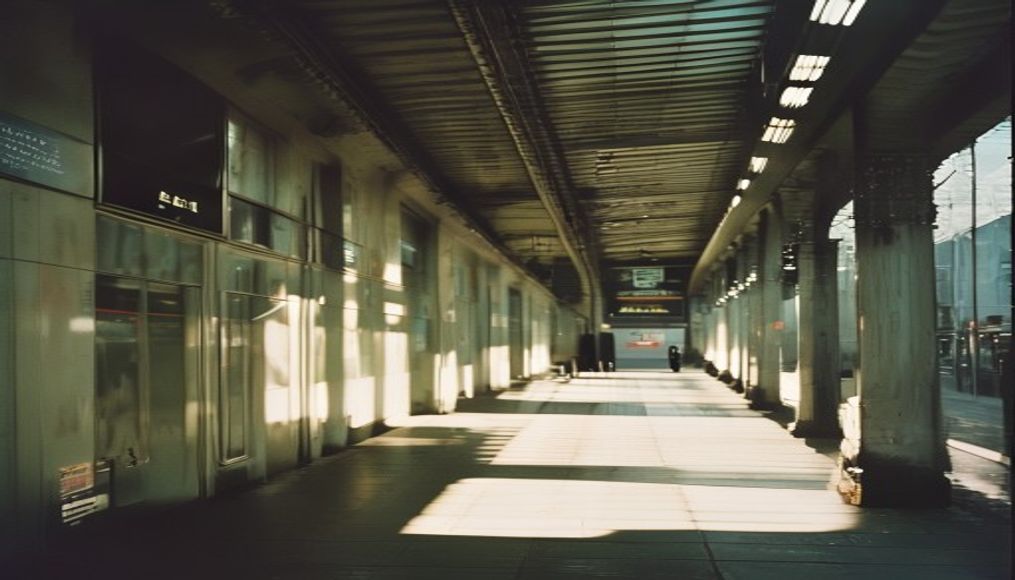
Antique railway stations are historic monuments that bear witness to the golden age of railways and the transformation of cities in the 19th century.
About this subject
Antique railway stations, built mainly between the mid-19th and early 20th centuries, represent a fundamental chapter of the Industrial Revolution and urban expansion. They were not mere boarding and alighting points, but true gateways to progress, connecting distant regions and boosting trade and tourism. Many of these buildings were designed by renowned architects, who used styles such as Neo-Gothic, Renaissance Revival, and Art Nouveau, turning stations into landmarks of their cities. Iconic examples include São Bento Station in Porto, with its historic azulejos, and Grand Central Terminal in New York, with its imposing main concourse.
However, with the decline of rail transport from the second half of the 20th century, many antique stations were abandoned, demolished, or underutilized. Fortunately, in recent decades, awareness of their heritage value has grown. Several countries have implemented restoration and revitalization programs, transforming old stations into museums, cultural centers, markets, or hotels. São Paulo's Luz Station houses the Museum of the Portuguese Language, and Lisbon's Gare do Oriente blends modern architecture with railway history. Preserving these buildings not only keeps railway memory alive but also contributes to tourism and local identity.
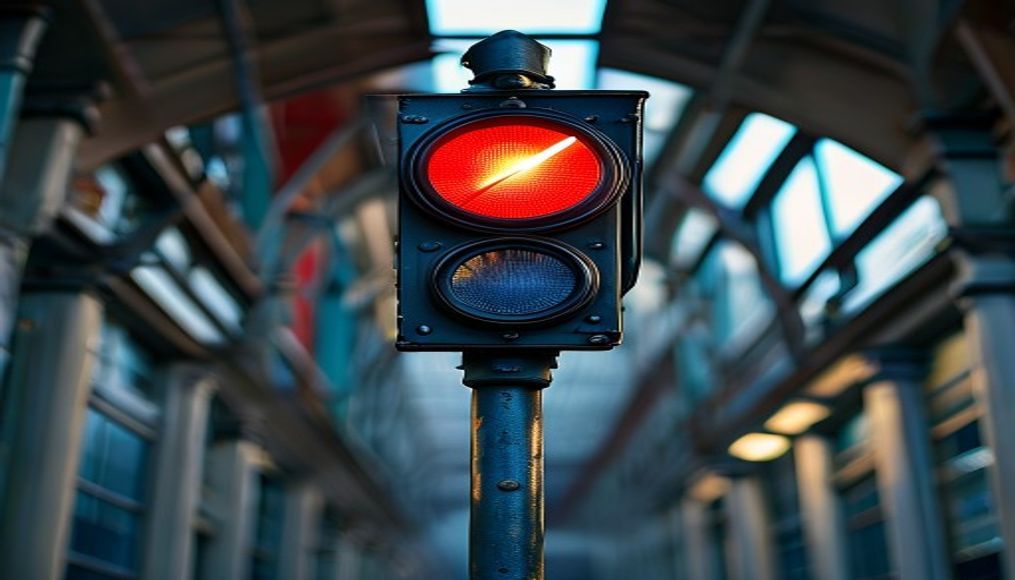
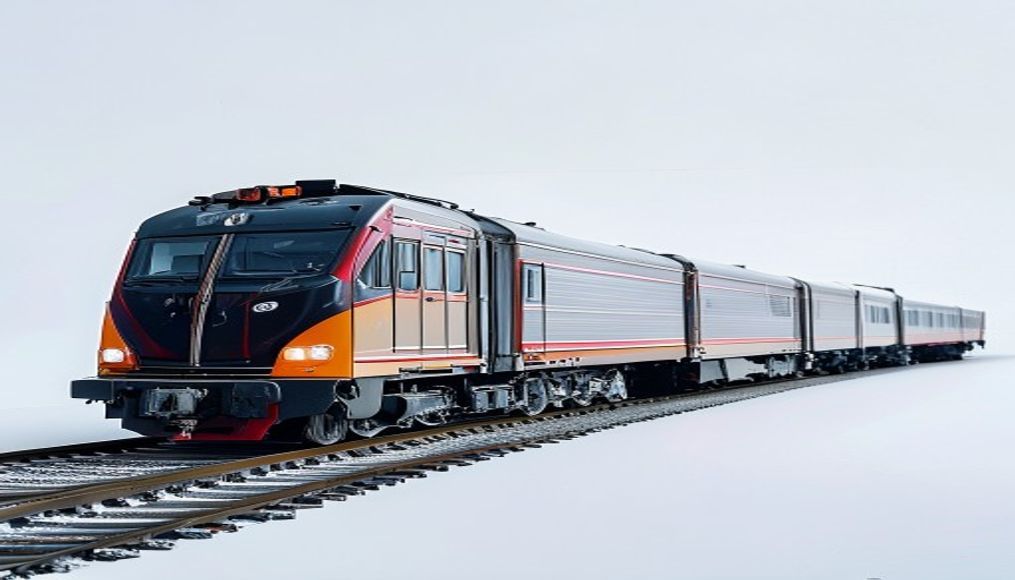
Beyond architecture, antique stations are repositories of technology and engineering. Signaling systems, iron and glass canopies, monumental clocks, and destination boards were innovations of their time. Many stations still retain original features, such as wooden ticket booths, ornate benches, and crystal chandeliers. Visiting an antique station is like traveling back in time, where one can imagine the hustle of travelers, the whistle of steam locomotives, and the smell of burning coal. Today, these spaces are appreciated both by railway enthusiasts and tourists seeking history and architectural beauty.
Frequently Asked Questions
What defines a railway station as antique?
Generally, a station built between the early 19th and mid-20th centuries, especially those from the golden age of steam railways, is considered antique. Many have recognized historical and architectural value.
Which is the oldest railway station still in operation in the world?
Liverpool Road Station in Manchester, England, opened in 1830, is considered the oldest still in use, though it now operates as part of the Museum of Science and Industry.
How are antique stations preserved and adapted today?
Many are listed as heritage sites and undergo restorations that respect the original architecture. They may be repurposed as museums, cultural centers, libraries, or commercial spaces, retaining decorative and structural elements.
Direct URL
https://pub-c7d6a6ea828543ac903a74a341ccb2e1.r2.dev/imagens/railway-station-antique-national-geographic-style-p4.jpgHow to credit
Include a visible link back to UtilizAí. Copy one of the snippets below:
<a href="https://xn--utiliza-eza.com/en/midia/imagens/railway-station-antique-national-geographic-style-p4">Railway station antique</a> by <a href="https://xn--utiliza-eza.com">UtilizAí</a>, licensed under <a href="https://creativecommons.org/licenses/by/4.0/">CC BY 4.0</a>.
[Railway station antique](https://xn--utiliza-eza.com/en/midia/imagens/railway-station-antique-national-geographic-style-p4) by [UtilizAí](https://xn--utiliza-eza.com), CC BY 4.0
License: CC-BY-4.0