Spectrophotometer cuvettes
1344×768 · AVIF · CC BY 4.0

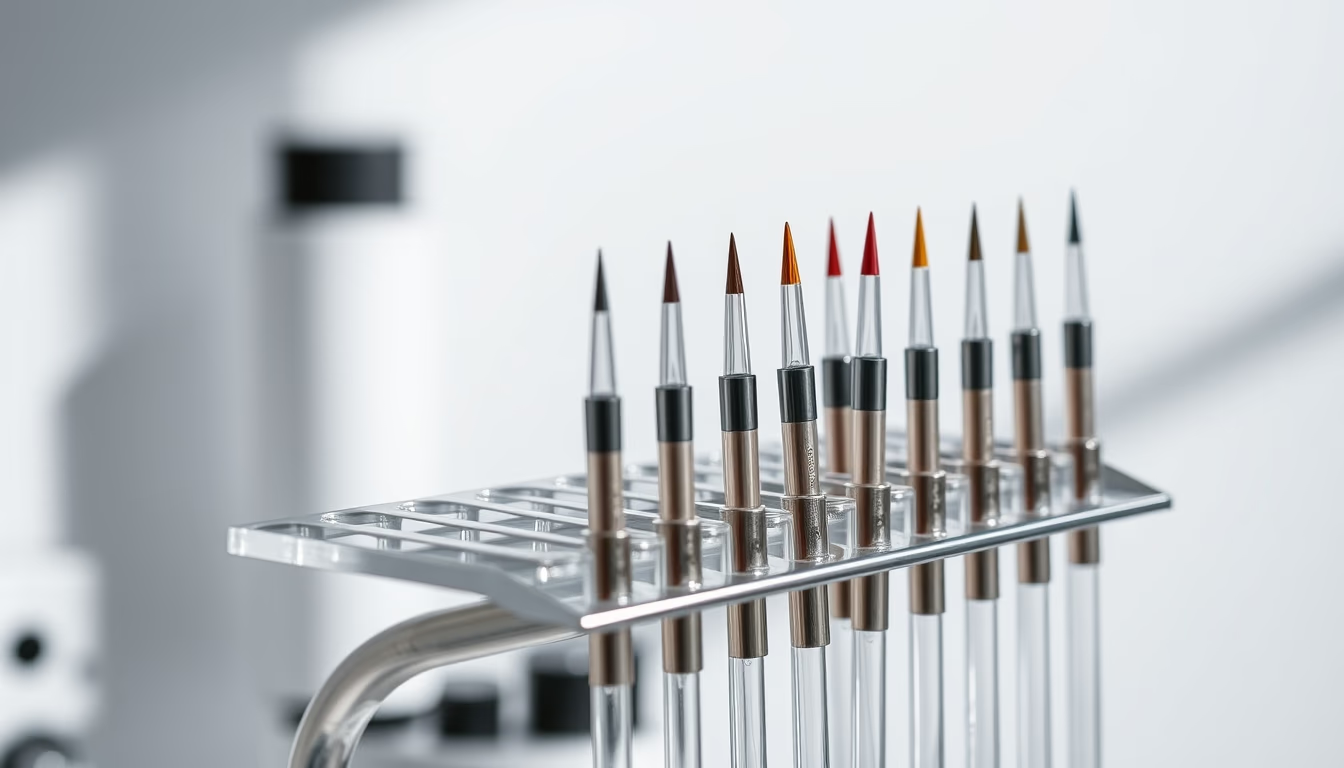
Spectrophotometer cuvettes are high-precision containers used to hold liquid samples in absorbance and transmittance analyses.
About this subject
Spectrophotometer cuvettes are essential components in chemistry, biology, and biochemistry laboratories. Made from materials such as glass, quartz, or optical plastic, they must be transparent in the wavelength range of interest. Quartz is preferred for ultraviolet light, while glass is suitable for visible light. Disposable plastic cuvettes are common in routine applications due to low cost and reduced cross-contamination risk.
These containers typically have a rectangular shape with a standard optical path length of 1 cm, but variations exist, such as microvolume cuvettes (for small samples) or flow-through cuvettes (for chromatography). The accuracy of spectrophotometric results directly depends on the quality of the cuvette: scratches, dirt, or air bubbles compromise the measurement. Therefore, handling must be done with gloves and cleaning with appropriate solvents.
The history of cuvettes traces back to the development of the first spectrophotometers in the early 20th century. With advances in biochemistry and molecular biology, they became indispensable for quantifying DNA, RNA, proteins, and enzymes. Methods such as Lowry, Bradford, and NADH assays rely on precise absorbance readings.
Interestingly, quartz cuvettes can cost dozens of times more than plastic ones but are reusable and resistant to organic solvents. Borosilicate glass cuvettes offer good durability and are used in visible ranges. In high-throughput laboratories, automated systems use special cuvettes that fit into microplate readers.
Frequently Asked Questions
What are the types of spectrophotometer cuvettes?
The main types are glass, quartz, and plastic. Quartz is ideal for UV, glass for visible light, and disposable plastic for routine applications.
How to clean spectrophotometer cuvettes?
Use solvents like ethanol or deionized water and dry with compressed air or soft wipes. Avoid abrasive materials to prevent scratching.
What is the standard optical path length of a cuvette?
The standard optical path length is 1 cm, ensuring reproducibility between measurements. There are cuvettes with shorter paths for reduced sample volumes.
Direct URL
https://pub-c7d6a6ea828543ac903a74a341ccb2e1.r2.dev/imagens/spectrophotometer-cuvettes-magazine-editorial-fresh15.avifHow to credit
Include a visible link back to UtilizAí. Copy one of the snippets below:
<a href="https://xn--utiliza-eza.com/en/midia/imagens/spectrophotometer-cuvettes-magazine-editorial-fresh15">Spectrophotometer cuvettes</a> by <a href="https://xn--utiliza-eza.com">UtilizAí</a>, licensed under <a href="https://creativecommons.org/licenses/by/4.0/">CC BY 4.0</a>.
[Spectrophotometer cuvettes](https://xn--utiliza-eza.com/en/midia/imagens/spectrophotometer-cuvettes-magazine-editorial-fresh15) by [UtilizAí](https://xn--utiliza-eza.com), CC BY 4.0
License: CC-BY-4.0