Space station futuristic
1344×768 · AVIF · CC BY 4.0

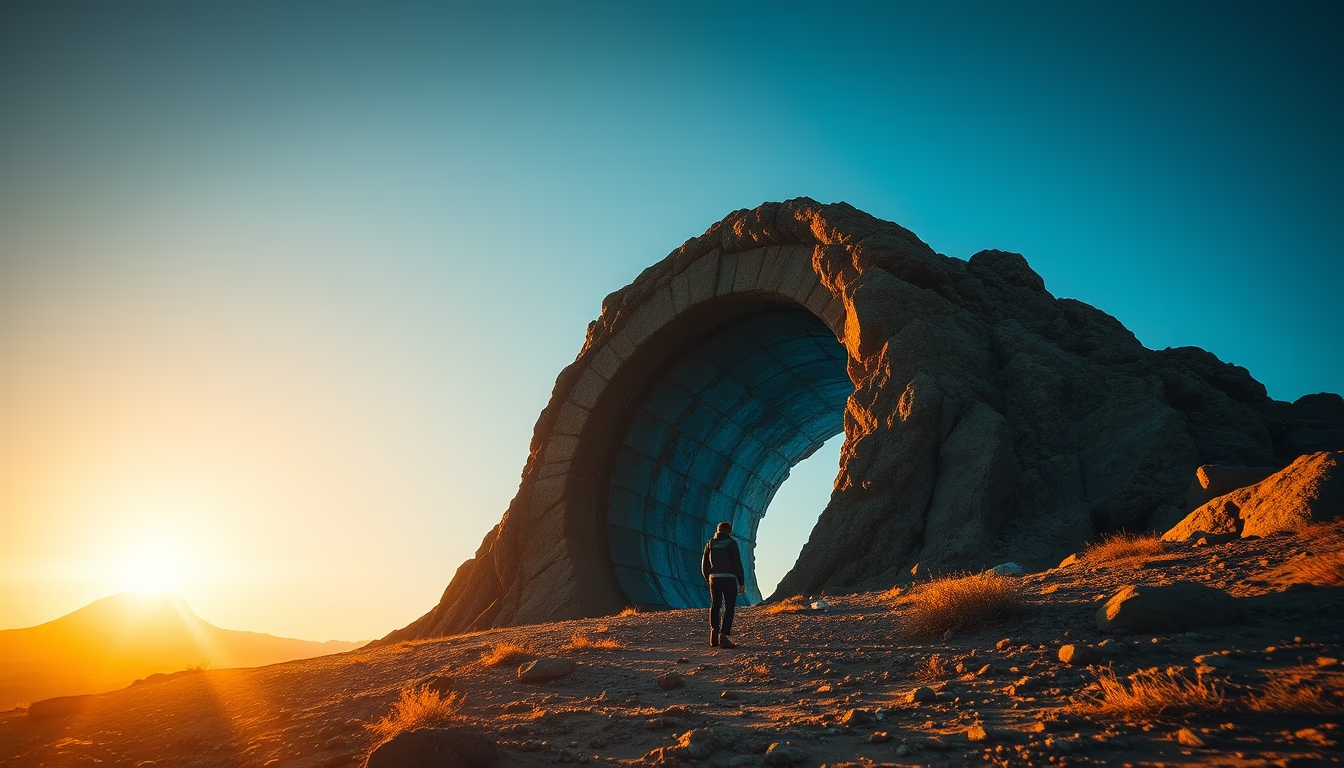
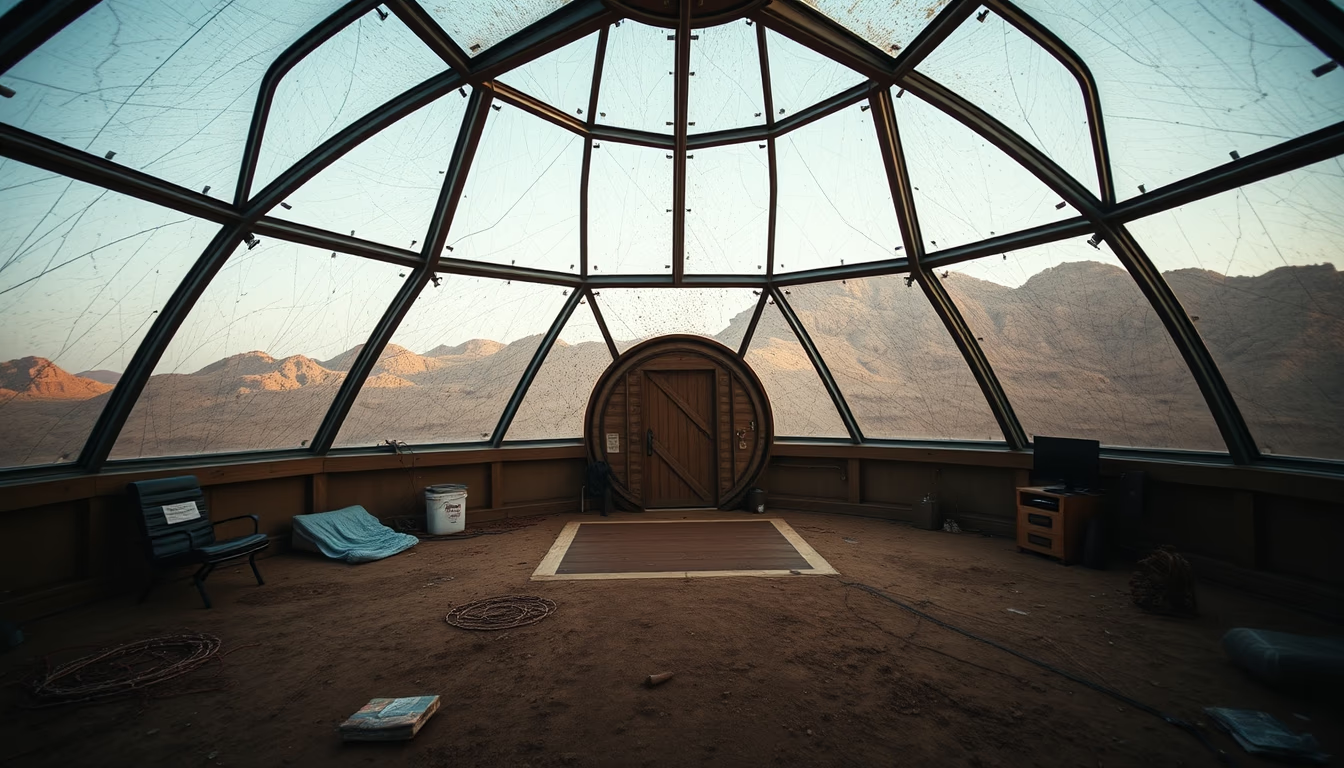
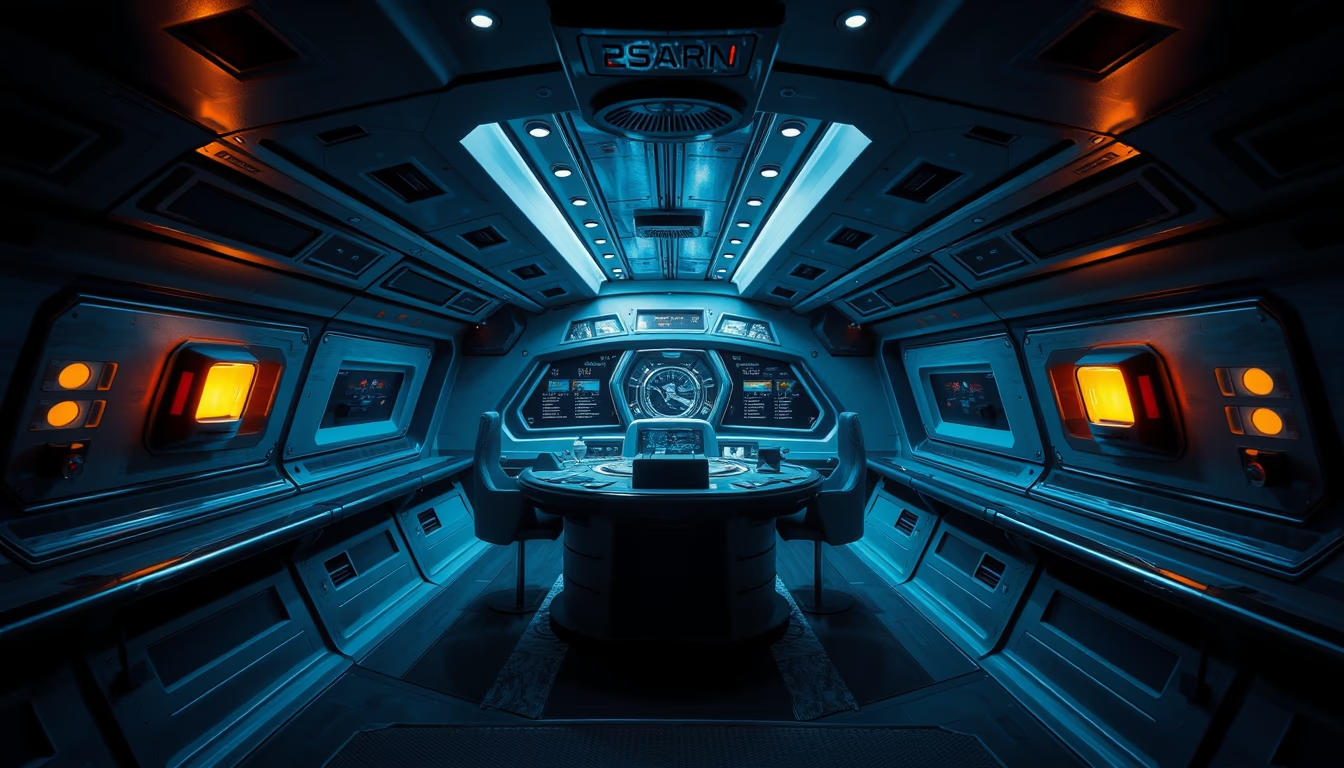
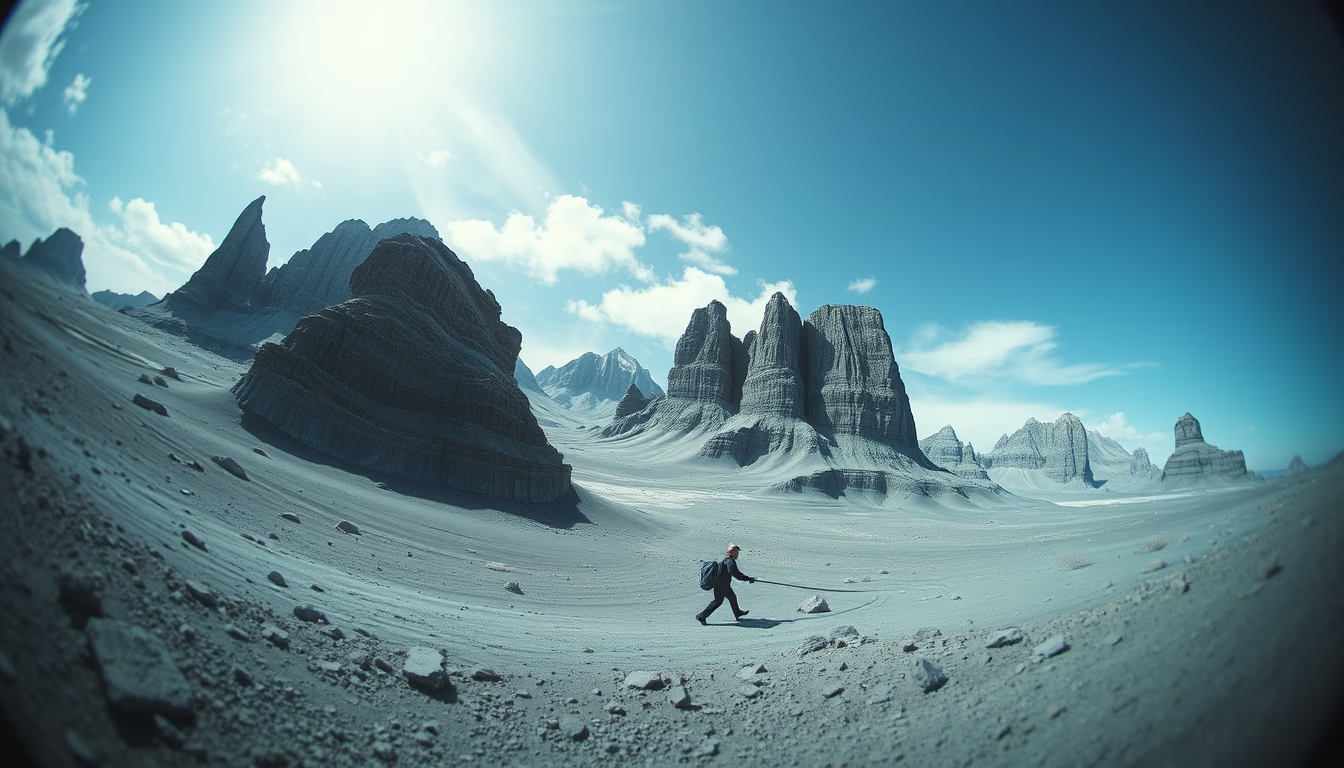
Futuristic space stations blend science and fiction, designing orbital habitats for human exploration and colonization of deep space.
About this subject
Futuristic space stations represent an ambitious step in human expansion beyond Earth. Unlike the International Space Station (ISS), which orbits at about 400 km altitude, these concepts envision colossal structures in geostationary orbit, on the Moon, or Mars. Designs like the O'Neill cylinder, proposed by Gerard K. O'Neill in the 1970s, foresee rotating habitats that generate artificial gravity through centrifugal force, allowing thousands of people to live in an Earth-like environment. Such stations would be self-sufficient, with large-scale agriculture, complete resource recycling, and protection from cosmic radiation by layers of regolith or water.
The engineering behind these structures faces immense challenges: materials capable of withstanding rotational stress, closed life support systems, and reliable energy sources such as nuclear fusion or kilometer-long solar panels. In science fiction, stations like Babylon 5 or Deep Space Nine explore political and social aspects of isolated space communities. The film '2001: A Space Odyssey' (1968) popularized a rotating ring station design, influencing generations of artists and engineers. The film grain tag references a retro aesthetic, recalling the grainy images of real space transmissions or classic movies.
Currently, companies like SpaceX and Blue Origin are working on commercial stations, such as Starlink and Orbital Reef, expected to begin operations this decade. These projects aim not only at scientific research but also space tourism and microgravity manufacturing. A typical futuristic station might house labs for regenerative medicine, factories for perfect metal alloys, and hydroponic gardens supplying fresh food. Continuous human presence requires solutions for psychological isolation, such as green areas, real-time communication with Earth (with seconds of delay), and routines mimicking day-night cycles.
Space colonization raises practical and ethical questions. How to govern an orbital community? What labor rights apply? The energy needed to maintain an artificial gravity station is comparable to that of a medium-sized city. Still, the potential for asteroid resource extraction and the possibility of a multiplanetary future drive research. Today's futuristic station may be tomorrow's first home away from Earth.
Frequently Asked Questions
How does a futuristic space station create artificial gravity?
Through rotation, generating centrifugal force that pushes objects outward against the hull, simulating Earth's gravity. Theoretical examples include the O'Neill cylinder and the Stanford torus.
What are the main challenges in building a self-sustaining space station?
Closed life support systems, radiation shielding, reliable energy sources (fusion or gigantic solar panels), and materials that withstand mechanical stress. Also the psychological well-being of crew in isolation.
Are there real projects of futuristic space stations under development?
Yes, NASA supports projects like Orbital Reef (Blue Origin and Sierra Space) and Starlab (Nanoracks and Voyager Space), expected to start operations by 2028, focusing on research, manufacturing, and tourism.
Direct URL
https://pub-c7d6a6ea828543ac903a74a341ccb2e1.r2.dev/imagens/space-station-futuristic-film-grain-authentic-fresh14.avifHow to credit
Include a visible link back to UtilizAí. Copy one of the snippets below:
<a href="https://xn--utiliza-eza.com/en/midia/imagens/space-station-futuristic-film-grain-authentic-fresh14">Space station futuristic</a> by <a href="https://xn--utiliza-eza.com">UtilizAí</a>, licensed under <a href="https://creativecommons.org/licenses/by/4.0/">CC BY 4.0</a>.
[Space station futuristic](https://xn--utiliza-eza.com/en/midia/imagens/space-station-futuristic-film-grain-authentic-fresh14) by [UtilizAí](https://xn--utiliza-eza.com), CC BY 4.0
License: CC-BY-4.0