Snowboard graphics deck
1344×768 · AVIF · CC BY 4.0
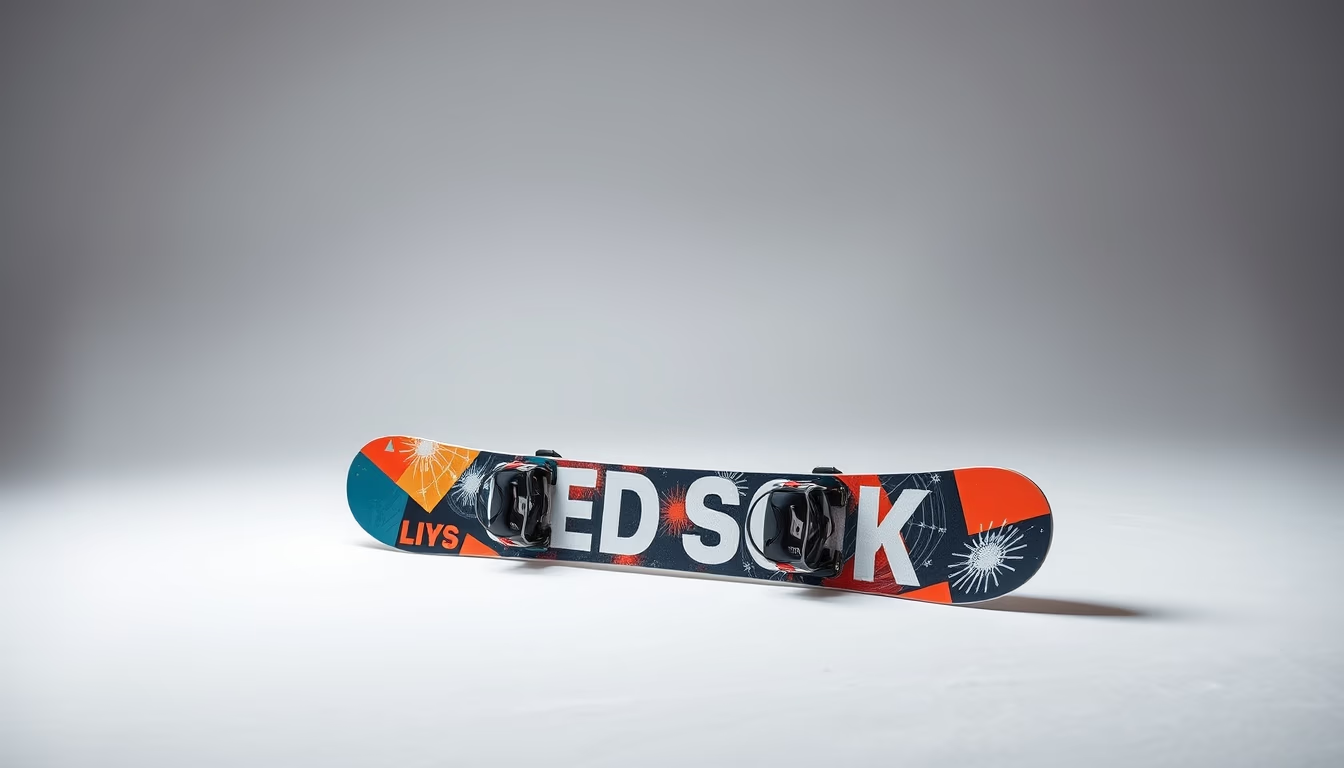
Snowboard graphics merge art, culture, and technology, turning each deck into a canvas on snow.
About this subject
Snowboard graphics are far more than decoration: they represent the identity of brands, athletes, and cultural movements. Since the 1980s, when the sport began gaining popularity, boards have featured bold illustrations influenced by skateboarding, punk, and street art. Artists like Jimbo Phillips (for Santa Cruz boards) and Jeremy Fish (for Lib Tech) helped establish a unique style with vibrant colors, distorted figures, and themes ranging from surrealism to sharp humor.
Today, printing techniques have evolved to allow high-definition designs that resist snow wear and impact. Screen printing and sublimation are the most common methods, applied over the epoxy resin or polyethylene top sheet. Beyond aesthetics, board art serves a practical purpose: making equipment easy to identify in crowded ski resorts and expressing the rider's personality.
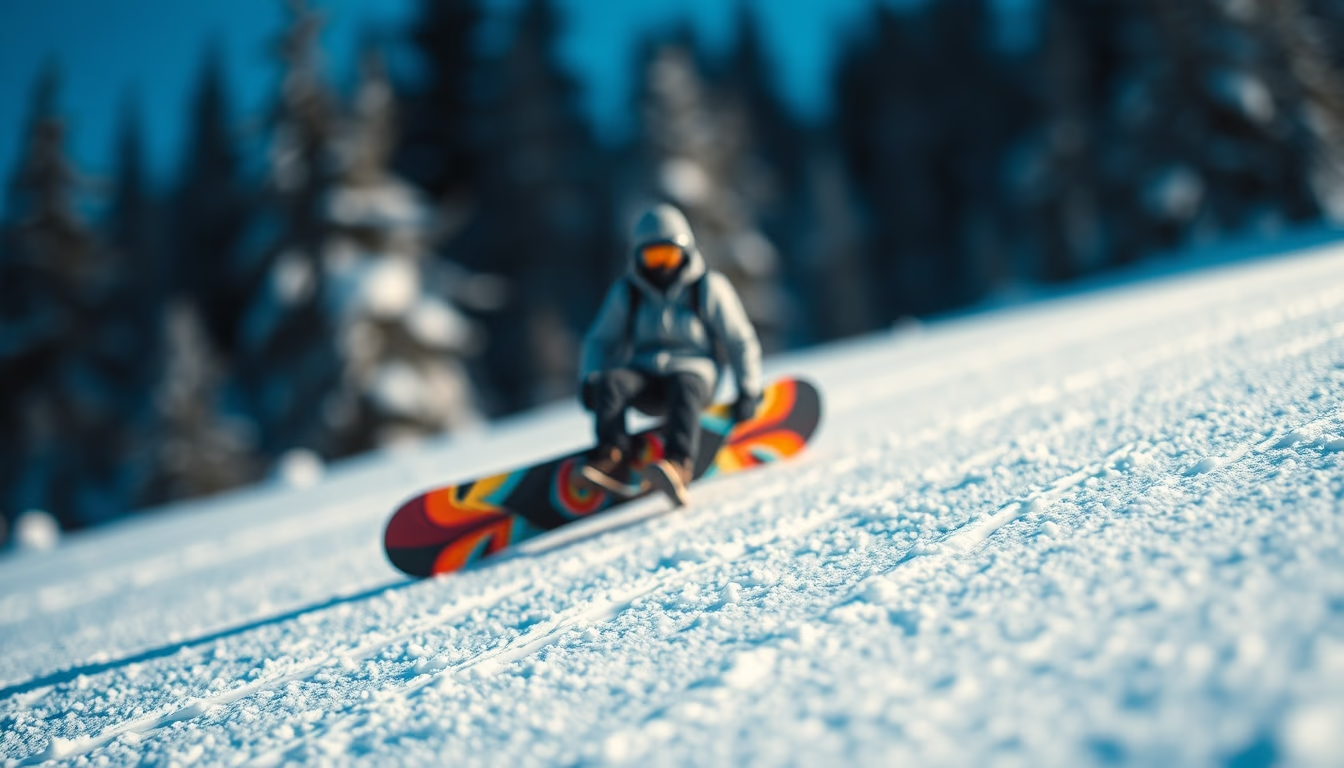
Snowboard culture prizes authenticity, and many riders order custom decks with exclusive graphics. Brands like Burton and GNU collaborate with renowned artists and even hold design contests. The result is a multimillion-dollar industry where a deck can be as collectible as an artwork. When a tilt-shift effect is applied to a snowboard image, it simulates a miniature scene, emphasizing the graphic details as if the board were a model.
In Brazil, snowboarding is still a niche sport, but it is growing with indoor training centers and trips to snow in Argentina and Chile. Brazilian graphics often incorporate tropical and urban elements, creating an interesting visual fusion. Choosing the design is as important as the shape technology, as it reflects the rider's attitude toward the mountains.
Frequently Asked Questions
Who are the main snowboard graphics artists?
Jimbo Phillips, known for his psychedelic Santa Cruz decks, and Jeremy Fish, who creates illustrations for Lib Tech, are key figures. Others include Dave Kinsey and Brazilian Thiago Valdi.
How are graphics applied to snowboards?
The most common techniques are screen printing and sublimation, applied over the resin or polyethylene top sheet. Sublimation allows for more detailed and durable designs.
Does the tilt-shift effect in snowboard photos have any special meaning?
No, it is just a photographic technique that makes the board look like a miniature, enhancing colors and graphic details, but without altering the artistic meaning.
Direct URL
https://pub-c7d6a6ea828543ac903a74a341ccb2e1.r2.dev/imagens/snowboard-graphics-deck-tilt-shift-miniature-fresh2.avifHow to credit
Include a visible link back to UtilizAí. Copy one of the snippets below:
<a href="https://xn--utiliza-eza.com/en/midia/imagens/snowboard-graphics-deck-tilt-shift-miniature-fresh2">Snowboard graphics deck</a> by <a href="https://xn--utiliza-eza.com">UtilizAí</a>, licensed under <a href="https://creativecommons.org/licenses/by/4.0/">CC BY 4.0</a>.
[Snowboard graphics deck](https://xn--utiliza-eza.com/en/midia/imagens/snowboard-graphics-deck-tilt-shift-miniature-fresh2) by [UtilizAí](https://xn--utiliza-eza.com), CC BY 4.0
License: CC-BY-4.0