Ice axe alpine
1344×768 · AVIF · CC BY 4.0
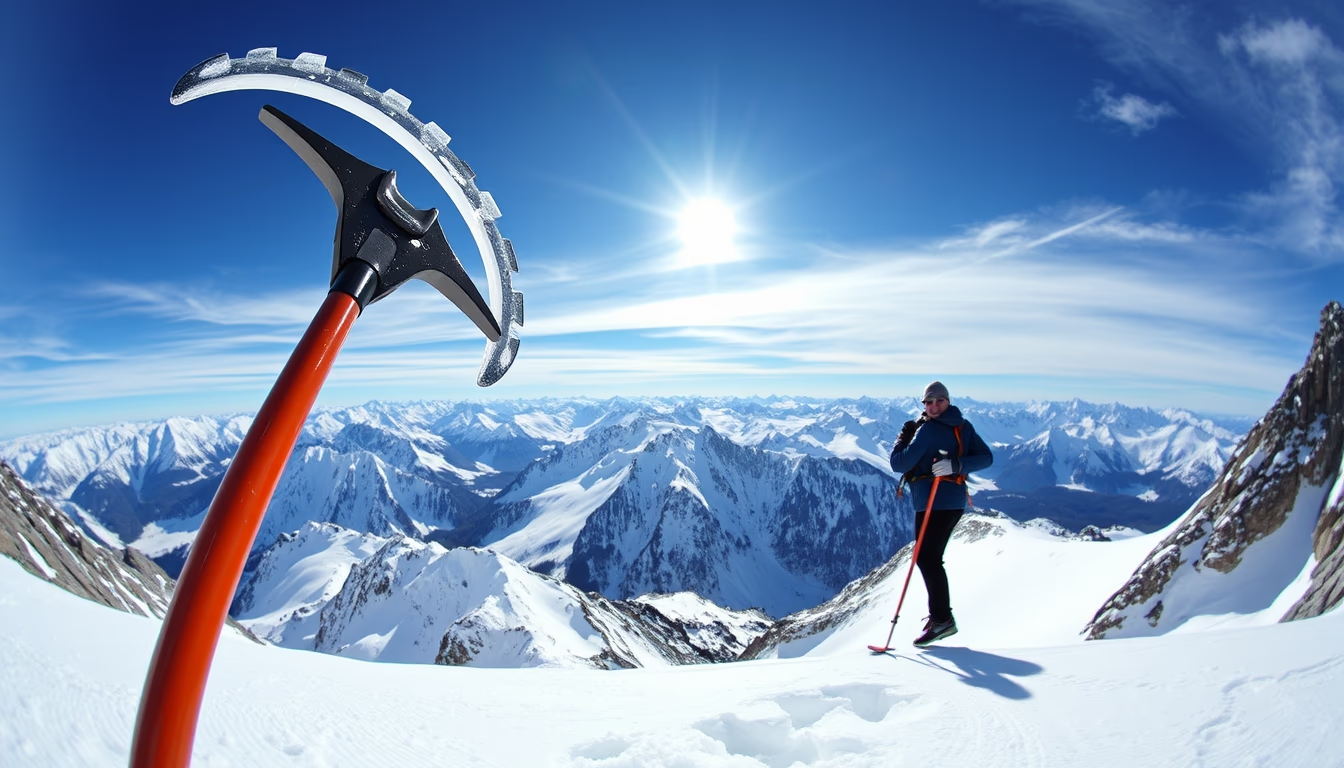
The alpine ice axe is an essential tool for ice and snow climbing, ensuring safety and progress in mountains like the Andes and the Alps.
About this subject
The alpine ice axe is one of the most iconic pieces of equipment in winter mountaineering. Its origins date back to the 19th century when European climbers began exploring glacier routes and snow-covered peaks in the Alps. Initially, it was a multifunctional tool used as a walking stick, safety anchor, and step-cutting instrument in ice. Over time, materials evolved from wood and carbon steel to aluminum alloys and stainless steel, reducing weight and increasing durability.
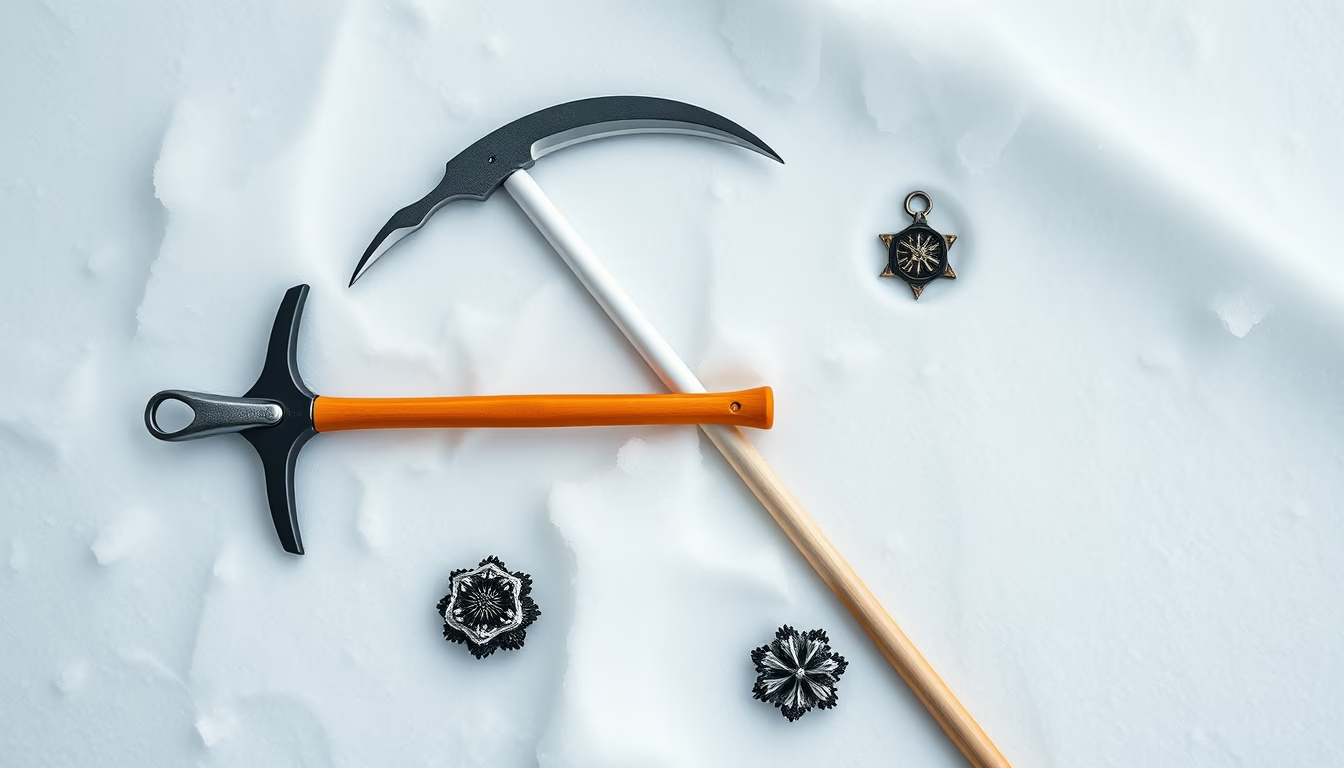
Today, there are different types of ice axes for various conditions. For technical ice climbing, curved models with more aggressive heads allow better penetration and traction on steep walls. For glacier traverses or classic mountaineering, straight and lighter axes are preferred. The pick can be toothed or smooth, depending on the need for purchase in hard ice or soft snow. The handle often features thermal insulation to prevent cold burns.
In Brazil, the use of alpine ice axes is limited to high-altitude regions such as Mount Roraima (though not typically glacial) or international expeditions in the Peruvian and Chilean Andes. The lack of permanent glaciers in Brazil makes the equipment more common among climbers traveling to practice mountaineering in Argentina, Chile, or Bolivia. In South America, notable uses include peaks like Aconcagua, where the combination of ice and rock demands skill with the ice axe.
Interestingly, the alpine ice axe also has symbolic value: it appears on the crests of many mountaineering clubs and in logos of famous brands. In terms of safety, proper use saves lives. Techniques such as self-arrest and belaying are taught in mountaineering courses, where the ice axe is used to stop a slide on steep snow. The versatility of this tool makes it indispensable for any adventurer facing icy terrain.
Frequently Asked Questions
What is the difference between an alpine ice axe and a piolet?
In practice, they are the same tool. 'Piolet' is the French term for an ice axe, used in winter mountaineering. Both refer to the metal-headed shaft tool for climbing on snow and ice.
How to choose the ideal ice axe for mountaineering in Brazil?
For mountaineering in Brazil, where there are no glaciers, a lightweight, straight ice axe for occasional snow terrain is sufficient. Models like the 'walking axe' are recommended. For Andean expeditions, opt for a technical axe with a curved pick.
Is it mandatory to carry an ice axe on high mountain trails?
It is not mandatory on trails without snow or ice. However, in glacial environments or on firm snow, it is essential for safety. On mountains like Aconcagua, it is a required item listed in park regulations.
Direct URL
https://pub-c7d6a6ea828543ac903a74a341ccb2e1.r2.dev/imagens/ice-axe-alpine-fish-eye-wide-angle-fresh18.avifHow to credit
Include a visible link back to UtilizAí. Copy one of the snippets below:
<a href="https://xn--utiliza-eza.com/en/midia/imagens/ice-axe-alpine-fish-eye-wide-angle-fresh18">Ice axe alpine</a> by <a href="https://xn--utiliza-eza.com">UtilizAí</a>, licensed under <a href="https://creativecommons.org/licenses/by/4.0/">CC BY 4.0</a>.
[Ice axe alpine](https://xn--utiliza-eza.com/en/midia/imagens/ice-axe-alpine-fish-eye-wide-angle-fresh18) by [UtilizAí](https://xn--utiliza-eza.com), CC BY 4.0
License: CC-BY-4.0