Ice axe alpine
1344×768 · AVIF · CC BY 4.0
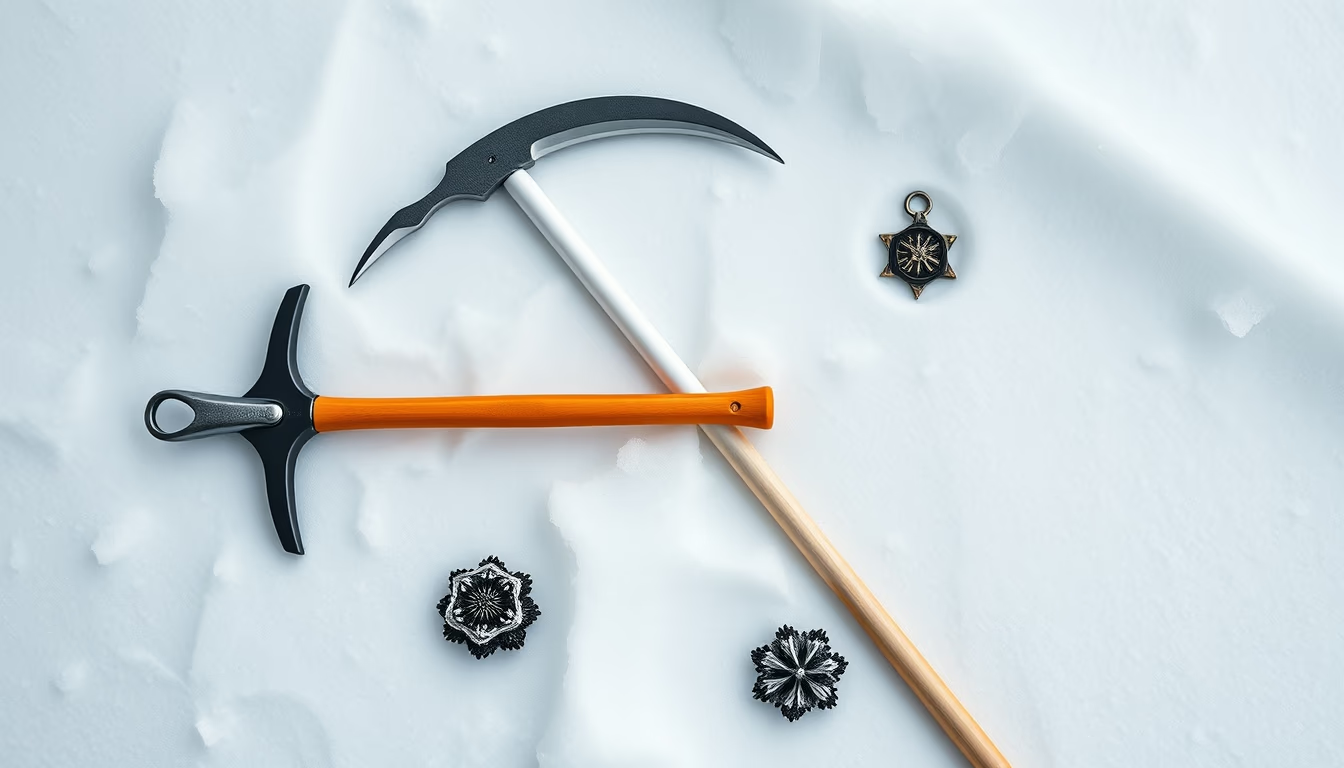
The alpine ice axe is an essential tool for mountaineering on snow and glacier terrain, combining safety and technical efficiency.
About this subject
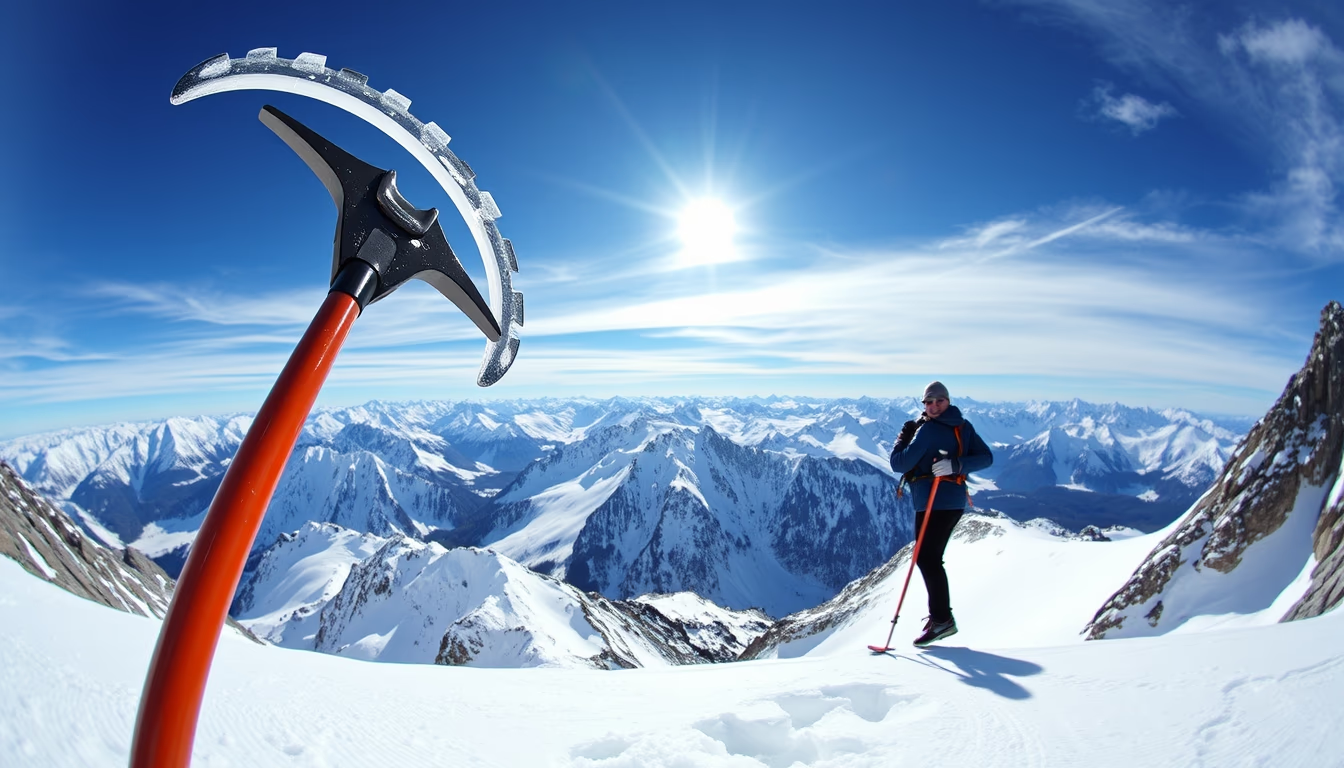
The ice axe, also known as alpenstock or piolet, is a fundamental tool for mountaineers tackling snow and ice terrain. Its origins date back to the 19th century when European climbers exploring the Alps needed a versatile implement to cut steps, stabilize walking, and perform self-arrest in falls. The classic design features a metal shaft (usually steel or aluminum) with a curved or straight pick at the opposite end from the handle. The pick anchors in hard ice, while the adze (flat part) is used for cutting snow and digging.
Today, ice axes are classified into different categories: walking axes (lightweight, for firm snow), technical axes (for steeper ice), and waterfall ice axes (more aggressive, with interchangeable picks). Design evolution includes ergonomic handles, lightweight materials like titanium, and adjustable length systems. A curious fact is that the ice axe was among the first gear to use aeronautical aluminum, reducing weight without compromising strength. On Himalayan expeditions, it is indispensable for glacier crossings and for the self-arrest technique, where the climber uses the pick to stop a fall by leaning the body over the shaft.
Proper use of the ice axe requires training: from the grip (dominant hand at the top, the other near the base) to the angle of attack on ice. In regions like Mount Everest, the tool is part of the mandatory kit. Manufacturers such as Petzl, Black Diamond, and Grivel offer models for different experience levels. Maintenance includes sharpening the pick and inspecting the shaft for corrosion. A common saying among mountaineers is: no ice axe, no safety on ice.
Frequently Asked Questions
What is the difference between a walking ice axe and a technical ice axe?
Walking axes are lighter with a straight shaft and less aggressive pick, suitable for firm snow and moderate slopes. Technical axes have a curved shaft, interchangeable pick, and steeper angle, designed for steep ice and waterfall climbing.
How do I maintain an ice axe?
Keep the pick sharp with a fine file, avoiding overheating. Inspect the shaft for cracks or corrosion and lubricate moving parts with light oil. Store in a dry, ventilated place.
Is an ice axe mandatory on high mountain expeditions?
Yes, on nearly all expeditions over snowy or glacial terrain, the ice axe is a mandatory safety item, along with crampons and rope. It enables self-arrest and safe progression.
Direct URL
https://pub-c7d6a6ea828543ac903a74a341ccb2e1.r2.dev/imagens/ice-axe-alpine-isometric-flat-lay-fresh17.avifHow to credit
Include a visible link back to UtilizAí. Copy one of the snippets below:
<a href="https://xn--utiliza-eza.com/en/midia/imagens/ice-axe-alpine-isometric-flat-lay-fresh17">Ice axe alpine</a> by <a href="https://xn--utiliza-eza.com">UtilizAí</a>, licensed under <a href="https://creativecommons.org/licenses/by/4.0/">CC BY 4.0</a>.
[Ice axe alpine](https://xn--utiliza-eza.com/en/midia/imagens/ice-axe-alpine-isometric-flat-lay-fresh17) by [UtilizAí](https://xn--utiliza-eza.com), CC BY 4.0
License: CC-BY-4.0