Ski poles modern
1344×768 · AVIF · CC BY 4.0

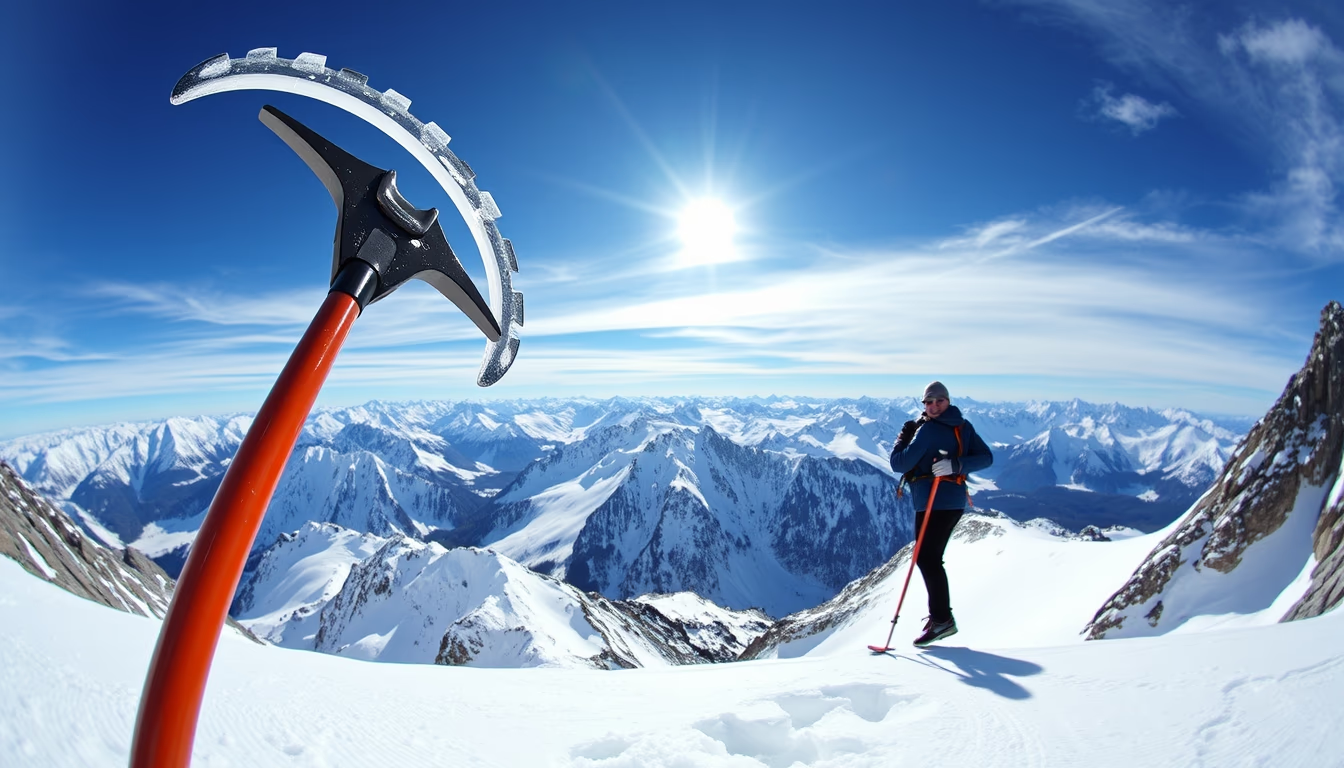
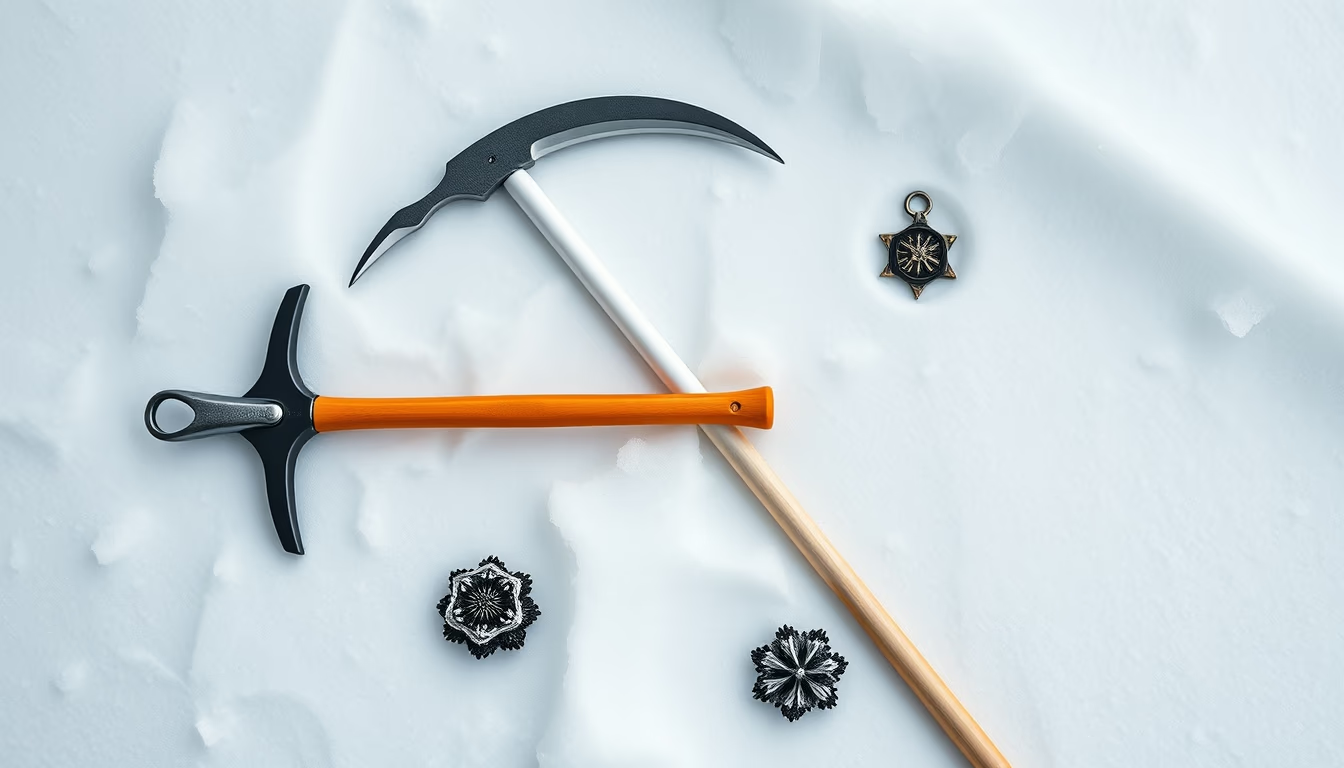
Modern ski poles combine lightweight materials and ergonomic designs to enhance performance and comfort on snow.
About this subject
Ski poles are essential equipment for balance, propulsion, and turning on the slopes. Their evolution has mirrored technological advances in winter sports. Modern models use 7075 aluminum or carbon fiber, materials offering high strength with reduced weight. Aluminum is more durable and affordable, while carbon absorbs vibrations better and is favored by competitive skiers. Grips are designed with rubber or cork, often anatomically molded to reduce fatigue. Baskets vary in size: larger for powder snow, smaller for groomed runs.
A key innovation is the adjustable length system. Telescopic poles allow tool-free height adjustment, crucial for ski touring where users alternate between ascending and descending. The ideal pole height is calculated standing: the pole tip should touch the ground when the elbow forms a 90-degree angle. Incorrect measurements compromise posture and efficiency. Tungsten carbide tips ensure grip on ice and hard snow.
The industry also focuses on vibration damping. Carbon poles with rubber inserts or anti-shock systems improve comfort at high speeds. Quick-release glove systems, like those from Leki, are another innovation. In racing events like slalom and downhill, stiffer lighter poles offer an advantage. For beginners, adjustable poles with soft grips facilitate learning. Maintenance is straightforward: check sections are secure and replace worn tips.
Interestingly, ski poles are also used in adaptive sports, such as Paralympic skiing, where athletes use poles with stabilizers or prosthetic attachments. Choosing the right pole depends on skiing style, weight, height, and snow conditions. Specialty shops offer balance and length tests. The global ski pole market generates hundreds of millions of dollars annually, with ongoing innovations in composite materials and ergonomic design.
Frequently Asked Questions
How do I choose the right ski pole length?
With elbows bent at 90 degrees and the pole vertical, the tip should touch the ground. For alpine skiing, multiply your height by 0.7. For ski touring, use your navel height as a reference.
What is the difference between aluminum and carbon ski poles?
Aluminum is cheaper and more impact-resistant, ideal for beginners. Carbon is lighter and dampens vibrations, preferred by advanced skiers, but can break on lateral impact.
What are ski pole baskets used for?
Baskets prevent the pole from sinking into soft snow. Use large baskets for powder snow and small baskets for groomed runs or ice. They also protect the tip when striking the ground.
Direct URL
https://pub-c7d6a6ea828543ac903a74a341ccb2e1.r2.dev/imagens/ski-poles-modern-magazine-editorial-fresh10.avifHow to credit
Include a visible link back to UtilizAí. Copy one of the snippets below:
<a href="https://xn--utiliza-eza.com/en/midia/imagens/ski-poles-modern-magazine-editorial-fresh10">Ski poles modern</a> by <a href="https://xn--utiliza-eza.com">UtilizAí</a>, licensed under <a href="https://creativecommons.org/licenses/by/4.0/">CC BY 4.0</a>.
[Ski poles modern](https://xn--utiliza-eza.com/en/midia/imagens/ski-poles-modern-magazine-editorial-fresh10) by [UtilizAí](https://xn--utiliza-eza.com), CC BY 4.0
License: CC-BY-4.0