Ski poles modern
1344×768 · AVIF · CC BY 4.0
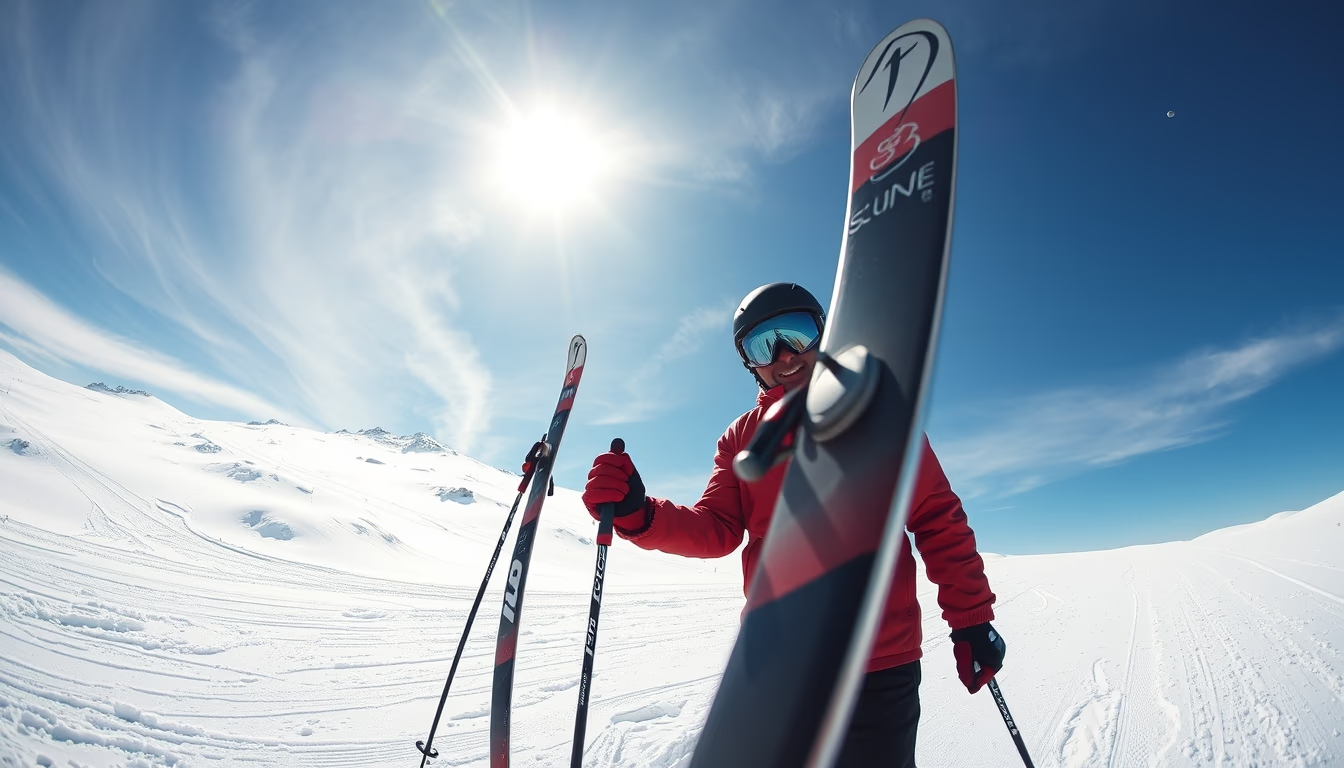
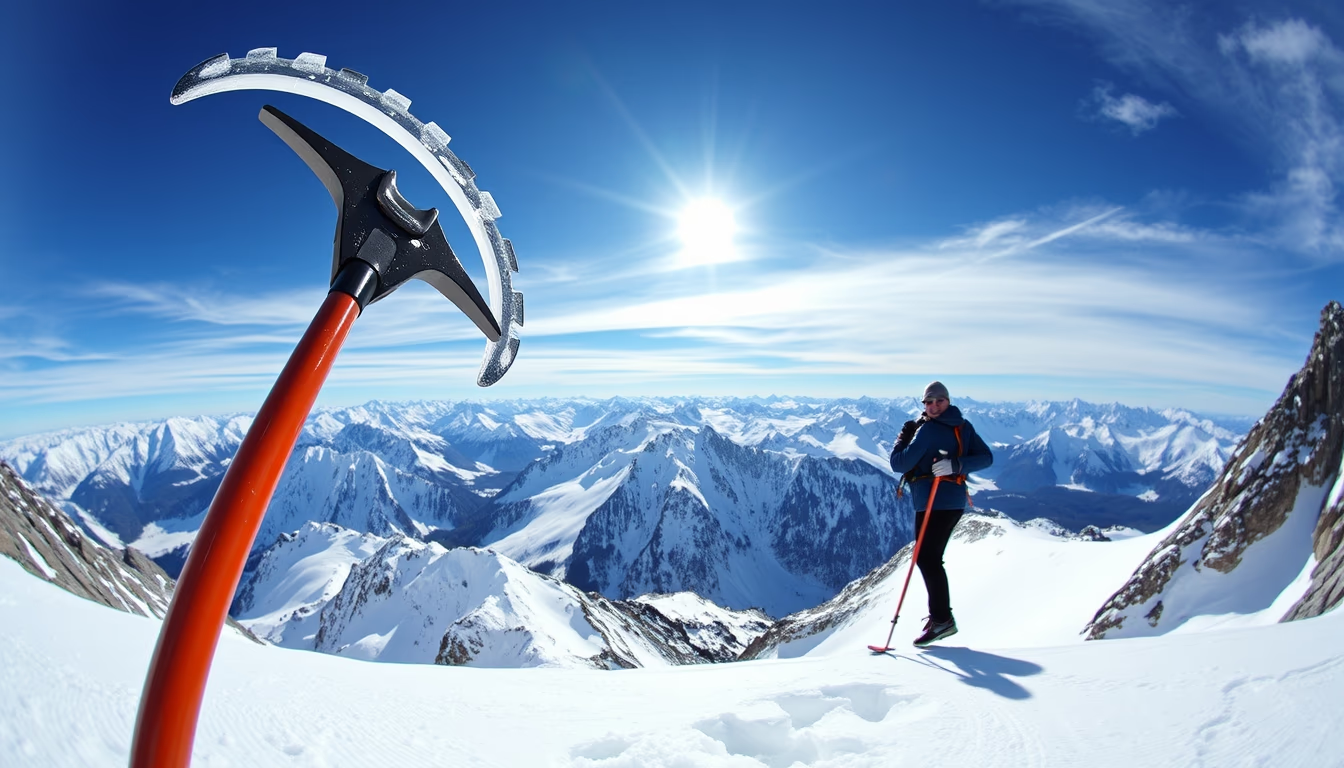
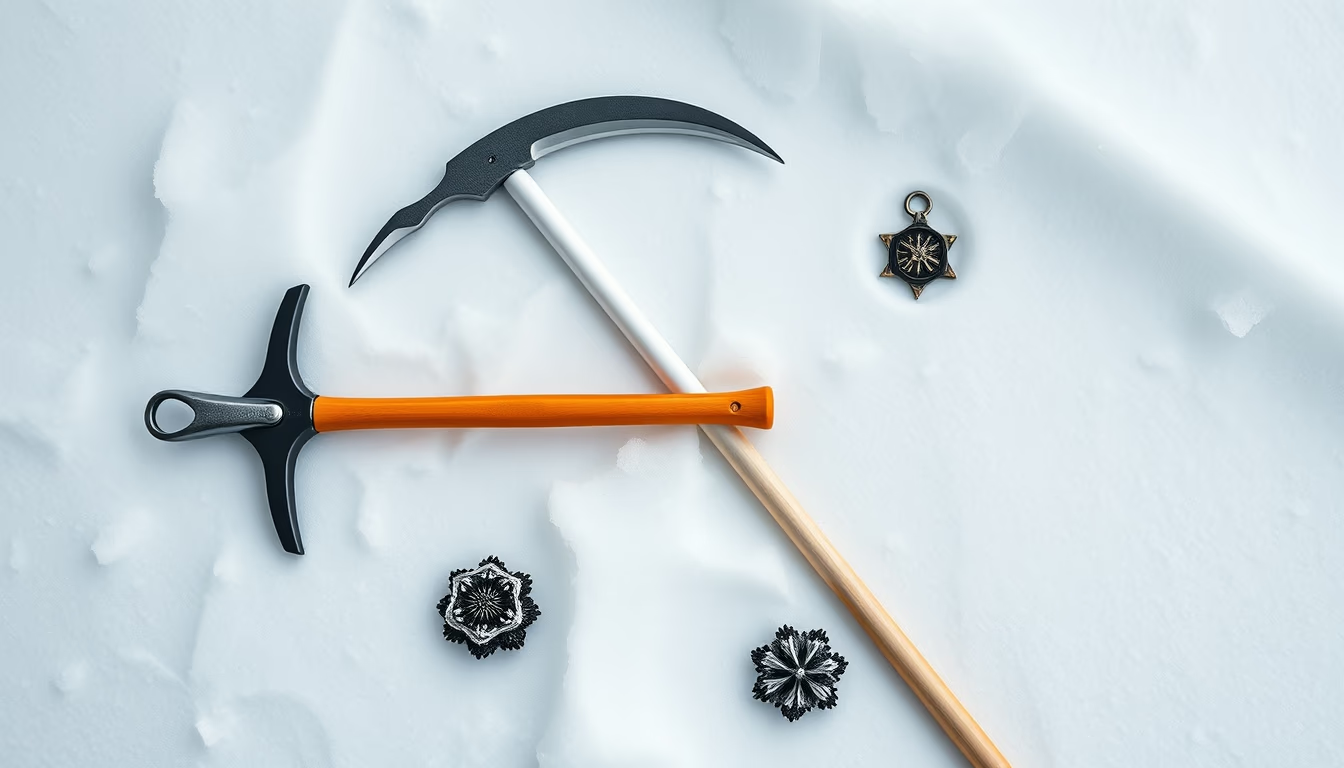
Bastões de esqui modernos: materiais compostos, designs ergonômicos e inovações tecnológicas para desempenho em neve.
Sobre o tema
Os bastões de esqui evoluíram significativamente desde os modelos de bambu e aço do século XX. Atualmente, são fabricados predominantemente em alumínio 7075 (liga aeronáutica) ou fibra de carbono, oferecendo relação resistência-peso otimizada. Os cabos de cortiça ou espuma termoformada garantem aderência mesmo com luvas molhadas, enquanto as empunhaduras anatômicas reduzem a fadiga em descidas longas.
A inovação mais recente é o sistema de fixação na palma da mão, como o Leki Trigger S, que elimina alças tradicionais e permite soltar o bastão rapidamente em quedas. As ponteiras variam de acordo com a superfície: para pista, utiliza-se carboneto de tungstênio (maior durabilidade); para backcountry, anéis largos evitam afundar na neve fofa. Alguns modelos incluem amortecedores integrados (antivibração) que reduzem o impacto nas articulações em terrenos irregulares.
O comprimento ideal do bastão é calculado pela altura do esquiador: geralmente, o cotovelo forma um ângulo de 90 graus quando a ponta toca o chão. Técnicas modernas de esqui, como carving e powder, exigem ajustes específicos. Atletas profissionais chegam a usar bastões com sensores para análise biomecânica do movimento durante os treinos.
Curiosidade: bastões mais longos favorecem a estabilidade em curvas fechadas (slalom), enquanto os mais curtos aumentam a frequência de braçada em longas retas. Para ski touring, existem modelos telescópicos que se adaptam ao tipo de subida ou descida.
Perguntas frequentes
Qual material é melhor: alumínio ou fibra de carbono?
Alumínio 7075 é mais resistente a impactos e mais barato, ideal para uso geral. Fibra de carbono é mais leve e absorve melhor vibrações, porém mais caro e suscetível a rachaduras em quedas.
Como escolher o tamanho correto do bastão de esqui?
Em pé, segure o bastão invertido sob a empunhadura. Seu cotovelo deve formar um ângulo de 90 graus. Ajuste por tipo de esqui: downhill usa comprimento padrão; ski touring recomenda 5-10 cm a mais para subidas.
Bastões telescópicos valem a pena?
Sim, especialmente para esqui de montanha (ski touring) ou viagens. Permitem ajustar o comprimento para subida (mais curto) e descida (mais longo), mas são um pouco mais pesados e podem falhar em temperaturas extremas.
URL direta
https://pub-c7d6a6ea828543ac903a74a341ccb2e1.r2.dev/imagens/ski-poles-modern-fish-eye-wide-angle-fresh0.avifComo creditar
Inclua um link visível de volta pro UtilizAí. Copie um dos snippets abaixo:
<a href="https://xn--utiliza-eza.com/midia/imagens/ski-poles-modern-fish-eye-wide-angle-fresh0">Ski poles modern</a> by <a href="https://xn--utiliza-eza.com">UtilizAí</a>, licensed under <a href="https://creativecommons.org/licenses/by/4.0/">CC BY 4.0</a>.
[Ski poles modern](https://xn--utiliza-eza.com/midia/imagens/ski-poles-modern-fish-eye-wide-angle-fresh0) by [UtilizAí](https://xn--utiliza-eza.com), CC BY 4.0
Licença: CC-BY-4.0