Shrimp farm aerial
1344×768 · AVIF · CC BY 4.0
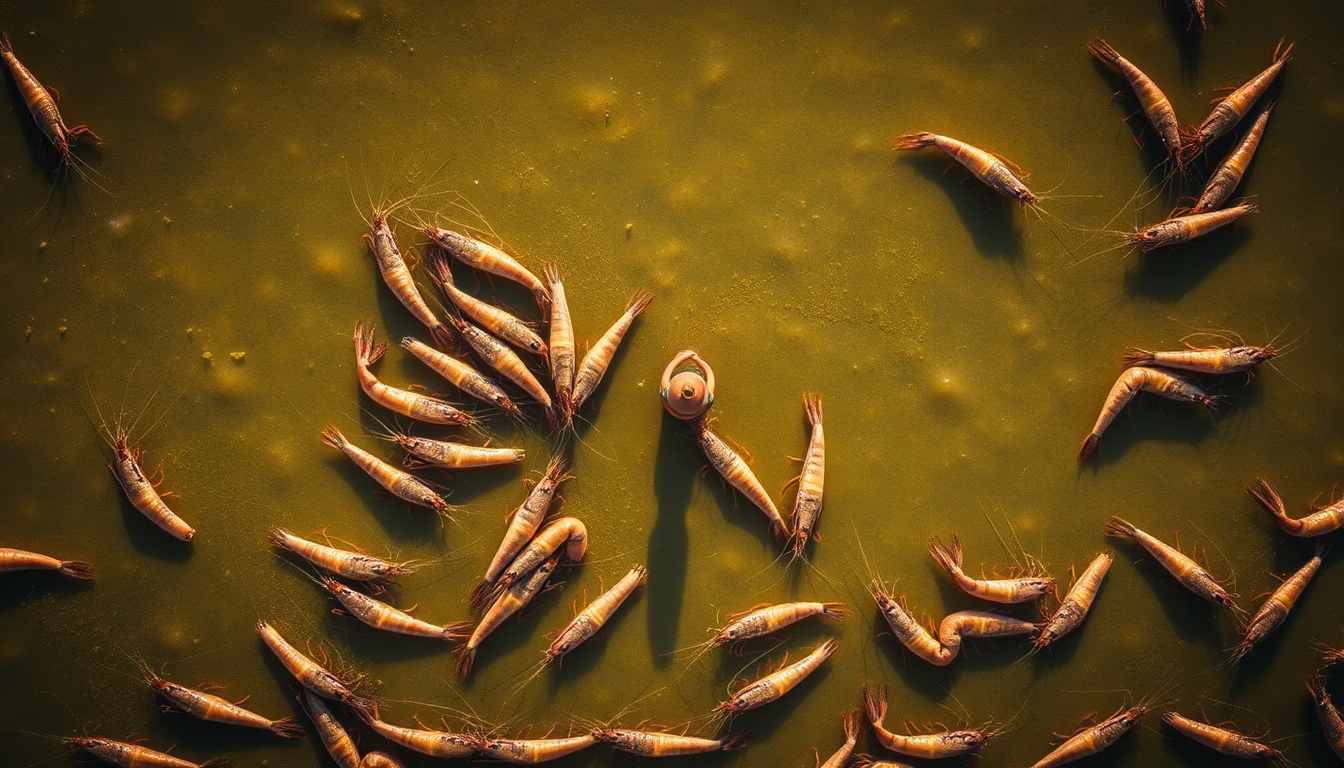
Aerial view of a shrimp farm reveals the scale of global aquaculture and its impact on marine food production.
About this subject
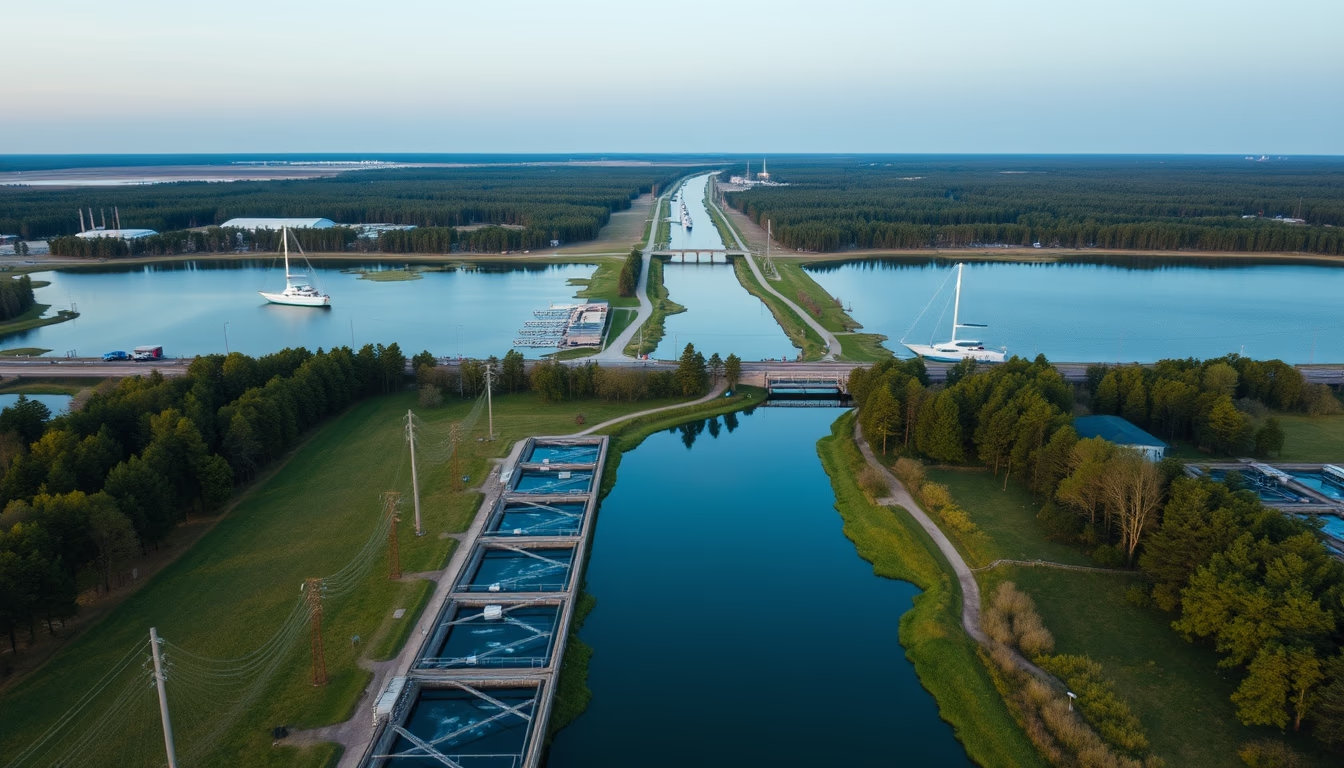
Shrimp farming, or aquaculture of shrimp, is one of the fastest-growing sectors in global aquaculture. Farms are typically built in coastal areas using excavated ponds or tanks where brackish water conditions are controlled to maximize crustacean growth. Global production of farmed shrimp exceeds 6 million tons annually, with Asian countries such as China, Thailand, and Vietnam accounting for over 80% of the total. In Brazil, shrimp farming is concentrated in the Northeast, especially in Rio Grande do Norte and Ceará, taking advantage of the tropical climate and extensive coastline.
The expansion of shrimp farms has raised significant environmental concerns. The conversion of mangrove forests into ponds is a major impact, as these ecosystems are crucial for coastal protection and biodiversity. In addition, intensive use of feed and antibiotics can lead to water pollution and disease outbreaks. To mitigate these issues, sustainable management practices such as water recirculation and certification by bodies like the Aquaculture Stewardship Council (ASC) are being adopted.
Shrimp farming also has important socioeconomic dimensions. It generates direct and indirect employment in coastal communities, but often conflicts with artisanal fishers and traditional populations. Demand for shrimp, driven by markets like the United States, Europe, and Japan, fuels expansion, but sustainability pressure is growing from consumers and NGOs. Technologies such as biofloc systems and genetically improved shrimp aim to increase productivity with lower environmental impact.
Frequently Asked Questions
How does a shrimp farm work?
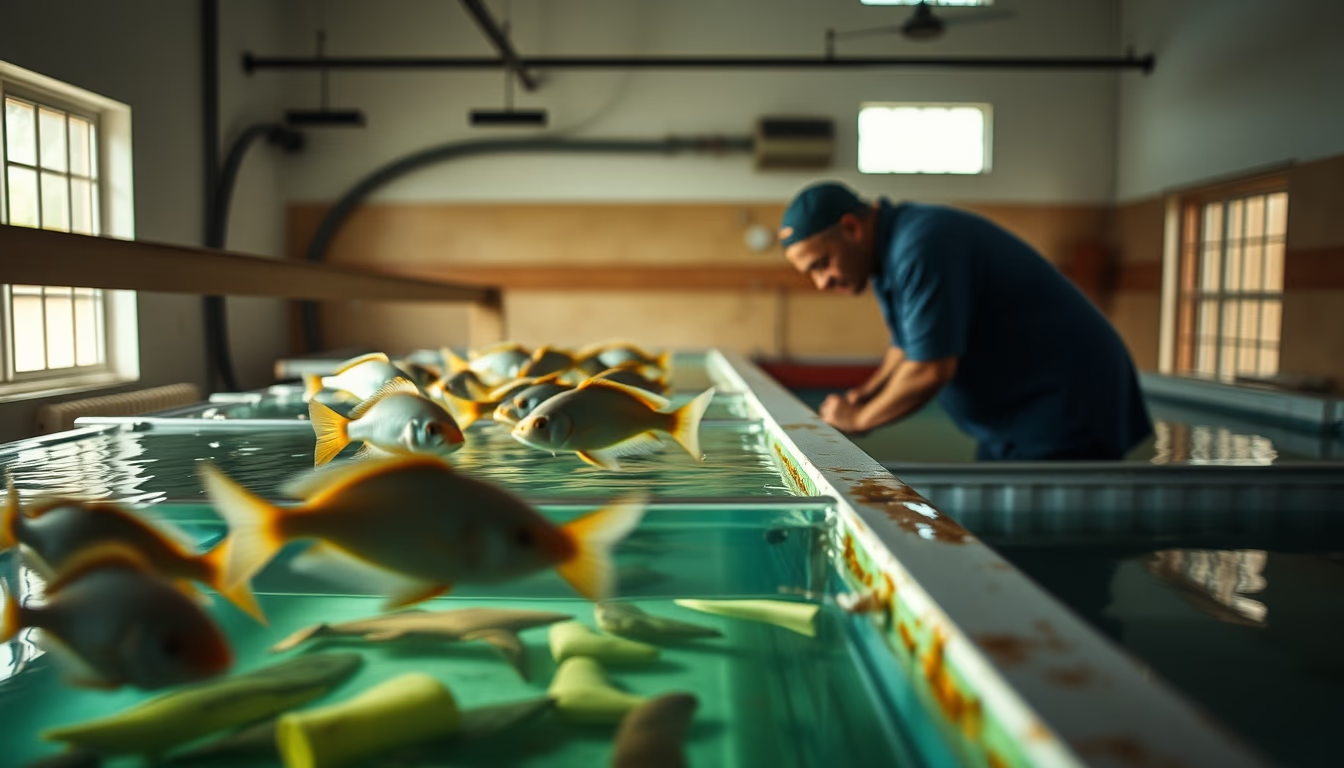
A shrimp farm consists of excavated ponds or tanks, usually in coastal areas, where salinity, temperature, and water quality are controlled. Shrimp are fed formulated feed, and the grow-out cycle lasts three to six months, depending on species and production system.
What are the main environmental impacts of shrimp farming?
Main impacts include mangrove deforestation for pond construction, water pollution from nutrient-rich effluents and chemicals, and introduction of exotic species that can affect local biodiversity.
Where is farmed shrimp production concentrated globally?
Production is dominated by Asia, led by China, Thailand, Vietnam, Indonesia, and India. In Latin America, Ecuador, Brazil, and Mexico are major producers. Farmed shrimp accounts for about 55% of global shrimp consumption.
Direct URL
https://pub-c7d6a6ea828543ac903a74a341ccb2e1.r2.dev/imagens/shrimp-farm-aerial-magazine-editorial-fresh6.avifHow to credit
Include a visible link back to UtilizAí. Copy one of the snippets below:
<a href="https://xn--utiliza-eza.com/en/midia/imagens/shrimp-farm-aerial-magazine-editorial-fresh6">Shrimp farm aerial</a> by <a href="https://xn--utiliza-eza.com">UtilizAí</a>, licensed under <a href="https://creativecommons.org/licenses/by/4.0/">CC BY 4.0</a>.
[Shrimp farm aerial](https://xn--utiliza-eza.com/en/midia/imagens/shrimp-farm-aerial-magazine-editorial-fresh6) by [UtilizAí](https://xn--utiliza-eza.com), CC BY 4.0
License: CC-BY-4.0