Shrimp farm aerial
1344×768 · AVIF · CC BY 4.0
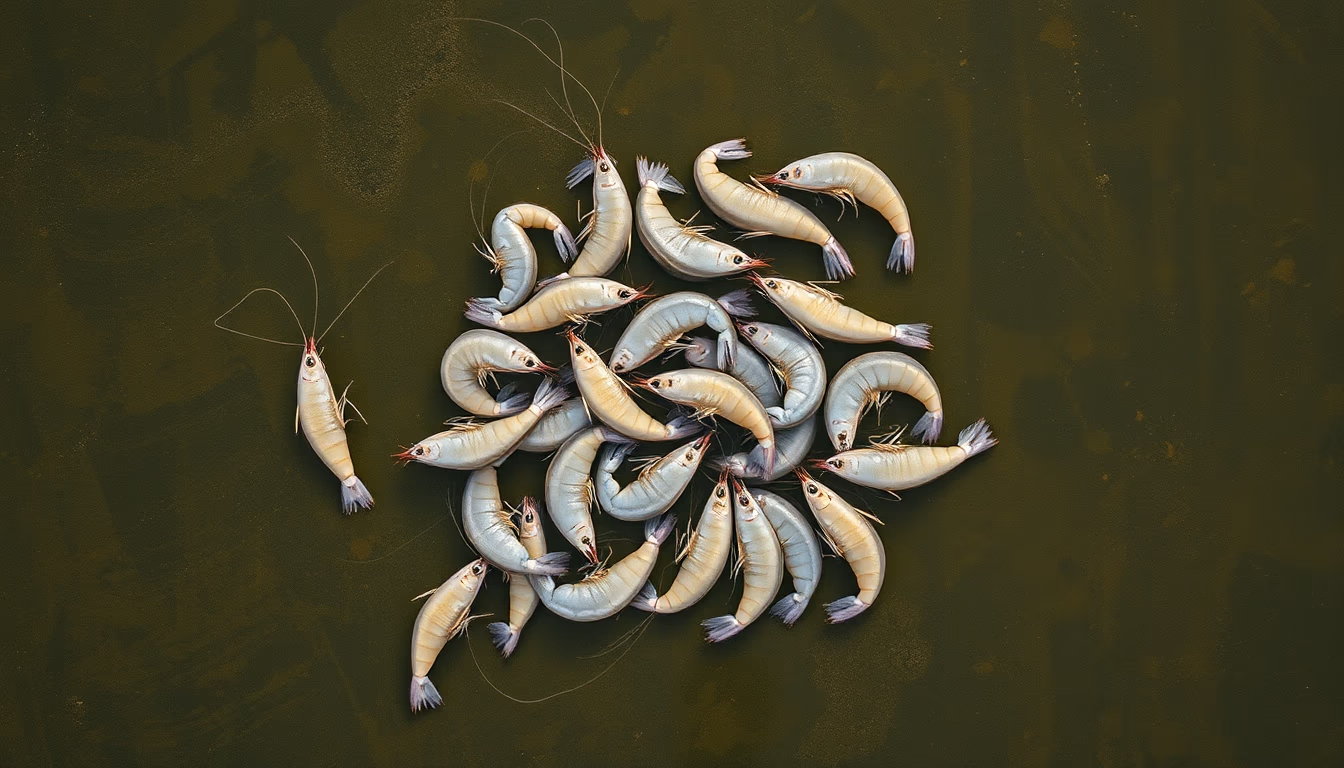
Aerial view of a shrimp farm reveals the geometry of ponds and the scale of shrimp farming, a multi-billion dollar industry worldwide.
About this subject
Shrimp farming, or aquaculture of shrimp, is one of the fastest-growing food production sectors, with global output exceeding 6 million tons annually. Leading producers include Ecuador, India, Vietnam, and Brazil, employing systems ranging from earthen ponds to recirculating tanks.
Farms are usually located along coastlines, where brackish or freshwater is pumped into rectangular or square ponds. Aerial views reveal a geometric patchwork of these ponds, each holding thousands of shrimp fed with formulated diets and monitored for water quality. The layout allows for efficient management and harvesting.
Economic benefits are significant: shrimp farming provides jobs and foreign exchange in developing regions. However, environmental concerns include mangrove deforestation, soil salinization, and antibiotic use. Sustainability certifications like ASC and technologies such as biofloc systems aim to reduce these impacts.
Farmed shrimp now accounts for about 55% of global shrimp consumption, surpassing wild catch. Brazil, with a long coastline and favorable climate in the Northeast, has large potential for expansion, though it must balance growth with environmental protection.
Frequently Asked Questions
What is the difference between farmed shrimp and wild shrimp?
Farmed shrimp are raised in aquaculture ponds under controlled conditions with formulated feed, while wild shrimp are caught in natural waters. Farmed shrimp typically have a milder flavor and consistent texture, and they make up the majority of shrimp consumed worldwide.
What are the main environmental impacts of shrimp farming?
Key impacts include mangrove deforestation, soil and water salinization, use of antibiotics, and nutrient-rich effluent discharge. More sustainable practices like biofloc systems and ASC certification help mitigate these issues.
Where are the largest shrimp farms located in Brazil?
Most Brazilian shrimp farming is concentrated in the Northeast region, especially in Rio Grande do Norte, Ceará, Pernambuco, and Bahia. The warm, stable waters there are ideal for cultivating the Pacific white shrimp (Litopenaeus vannamei).
Direct URL
https://pub-c7d6a6ea828543ac903a74a341ccb2e1.r2.dev/imagens/shrimp-farm-aerial-isometric-flat-lay-fresh15.avifHow to credit
Include a visible link back to UtilizAí. Copy one of the snippets below:
<a href="https://xn--utiliza-eza.com/en/midia/imagens/shrimp-farm-aerial-isometric-flat-lay-fresh15">Shrimp farm aerial</a> by <a href="https://xn--utiliza-eza.com">UtilizAí</a>, licensed under <a href="https://creativecommons.org/licenses/by/4.0/">CC BY 4.0</a>.
[Shrimp farm aerial](https://xn--utiliza-eza.com/en/midia/imagens/shrimp-farm-aerial-isometric-flat-lay-fresh15) by [UtilizAí](https://xn--utiliza-eza.com), CC BY 4.0
License: CC-BY-4.0