Shrimp farm aerial
1344×768 · AVIF · CC BY 4.0
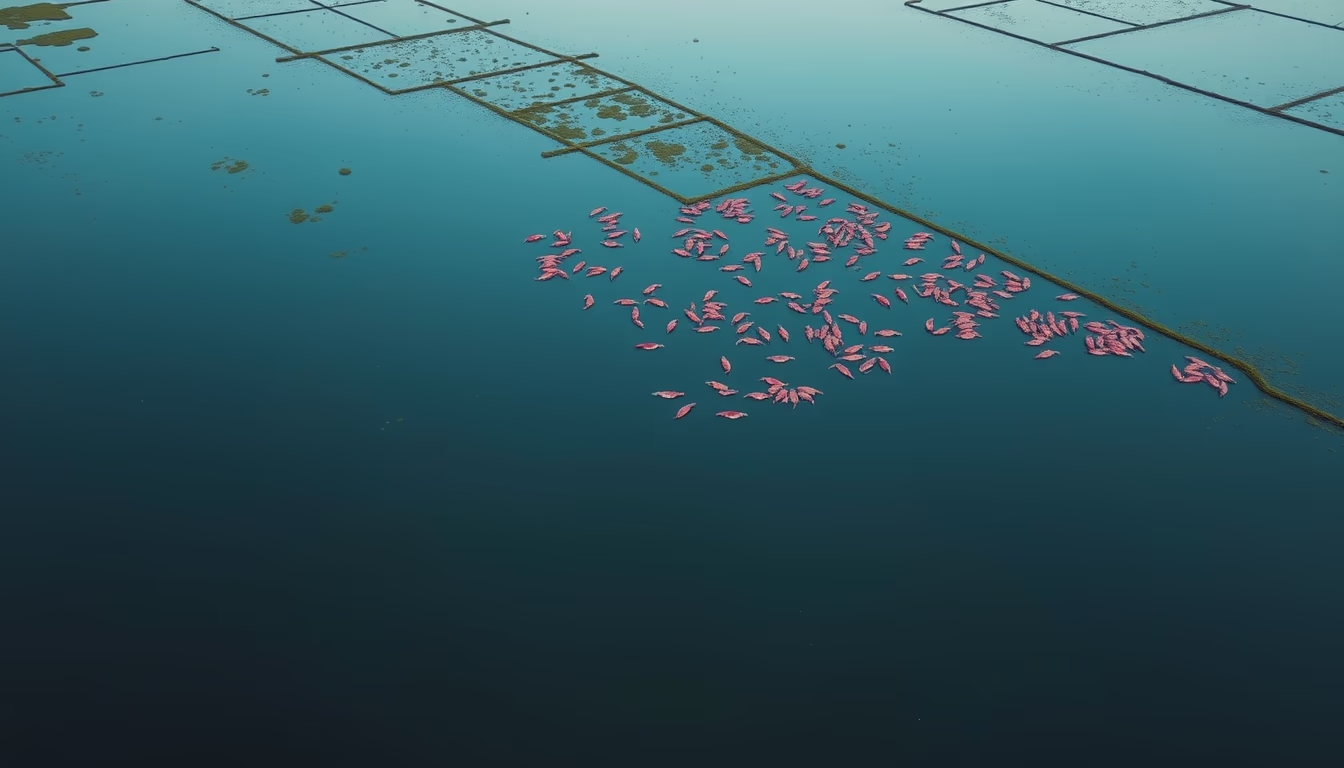
Aerial view of a shrimp farm, revealing the geometric layout of cultivation ponds in a coastal region.
About this subject
Shrimp farming, or aquaculture of penaeid shrimps, is one of the fastest-growing food production sectors globally. Farms are typically located in coastal zones, where excavated ponds form geometric patterns visible from the air. The most cultivated species is the Pacific white shrimp (Litopenaeus vannamei), native to the eastern Pacific Ocean but now farmed on every continent except Antarctica. Brazil is a major producer in the Americas, particularly in the Northeast region, where warm waters and favorable climate support year-round production.
Production systems range from extensive (low stocking density, minimal inputs) to super-intensive (high density, artificial aeration, formulated feeds). The aerial view highlights rectangular or square ponds separated by supply and drainage canals. This layout facilitates water management and harvesting. In modern farms, paddlewheel aerators are placed in ponds to maintain dissolved oxygen levels, crucial for high-density cultures.
Environmental concerns include soil salinization, groundwater contamination, and mangrove deforestation. However, certification programs and improved management practices have mitigated some impacts. Shrimp farming provides significant employment in coastal areas. Brazil produced about 60,000 metric tons of shrimp in 2022, according to the Brazilian Shrimp Farmers Association (ABCC).
Technological innovations such as biofloc technology and recirculating aquaculture systems (RAS) are being adopted to enhance biosecurity and water efficiency. The aerial perspective reveals the scale: dozens of hectares dedicated to a commodity that meets global demand, with shrimp being the most consumed seafood after salmon and tilapia.
Frequently Asked Questions
How does a shrimp farm work?
Shrimp are raised in earthen ponds supplied with fresh or saline water. The production cycle lasts 3 to 4 months, during which shrimp are fed formulated feed and water quality is monitored.
What are the environmental impacts of shrimp farming?
Main impacts include mangrove destruction for pond construction, soil salinization, and nutrient-rich effluent discharge. However, sustainable practices such as low-density culture and effluent treatment help mitigate these issues.
Is farmed shrimp safe to eat?
Yes, when produced under good management practices and sanitary inspection. Most countries regulate antibiotic use. Certifications like the Aquaculture Stewardship Council (ASC) ensure higher safety and sustainability standards.
Direct URL
https://pub-c7d6a6ea828543ac903a74a341ccb2e1.r2.dev/imagens/shrimp-farm-aerial-aerial-drone-shot-fresh2.avifHow to credit
Include a visible link back to UtilizAí. Copy one of the snippets below:
<a href="https://xn--utiliza-eza.com/en/midia/imagens/shrimp-farm-aerial-aerial-drone-shot-fresh2">Shrimp farm aerial</a> by <a href="https://xn--utiliza-eza.com">UtilizAí</a>, licensed under <a href="https://creativecommons.org/licenses/by/4.0/">CC BY 4.0</a>.
[Shrimp farm aerial](https://xn--utiliza-eza.com/en/midia/imagens/shrimp-farm-aerial-aerial-drone-shot-fresh2) by [UtilizAí](https://xn--utiliza-eza.com), CC BY 4.0
License: CC-BY-4.0