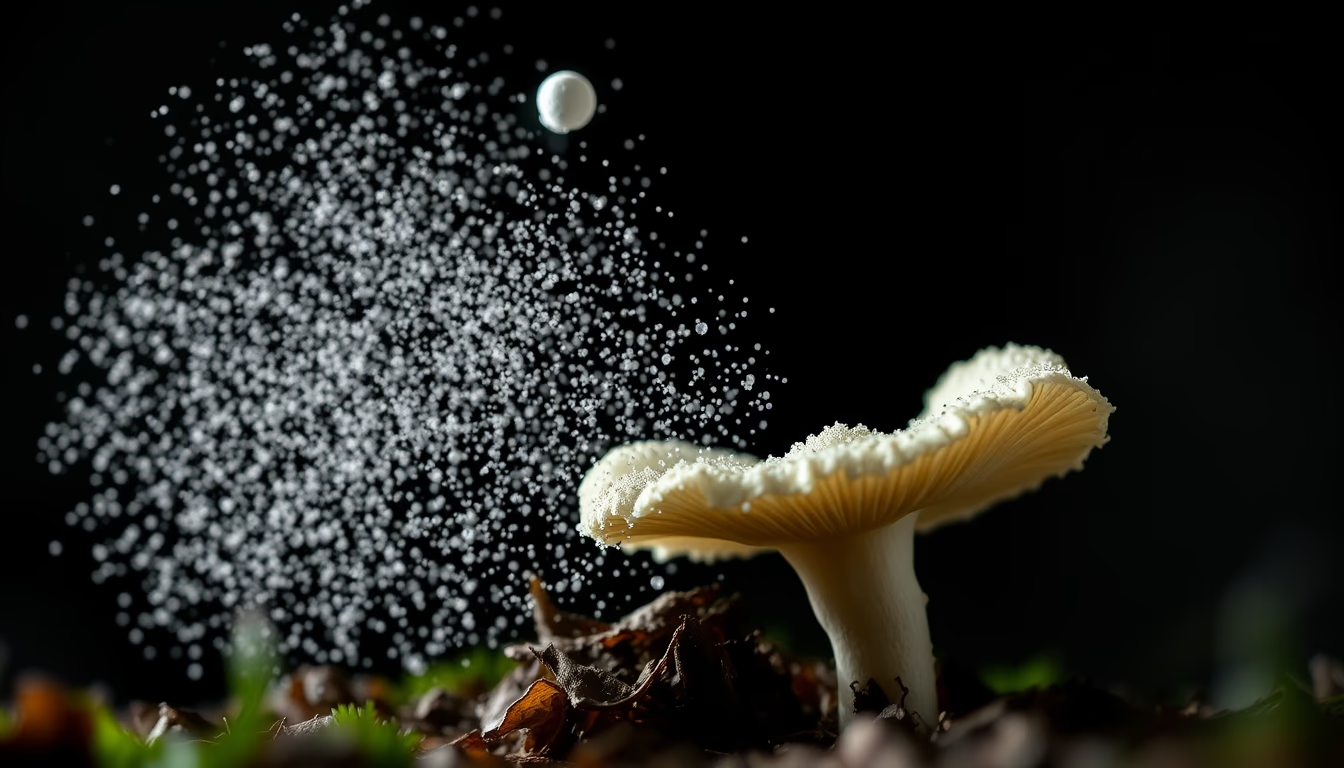
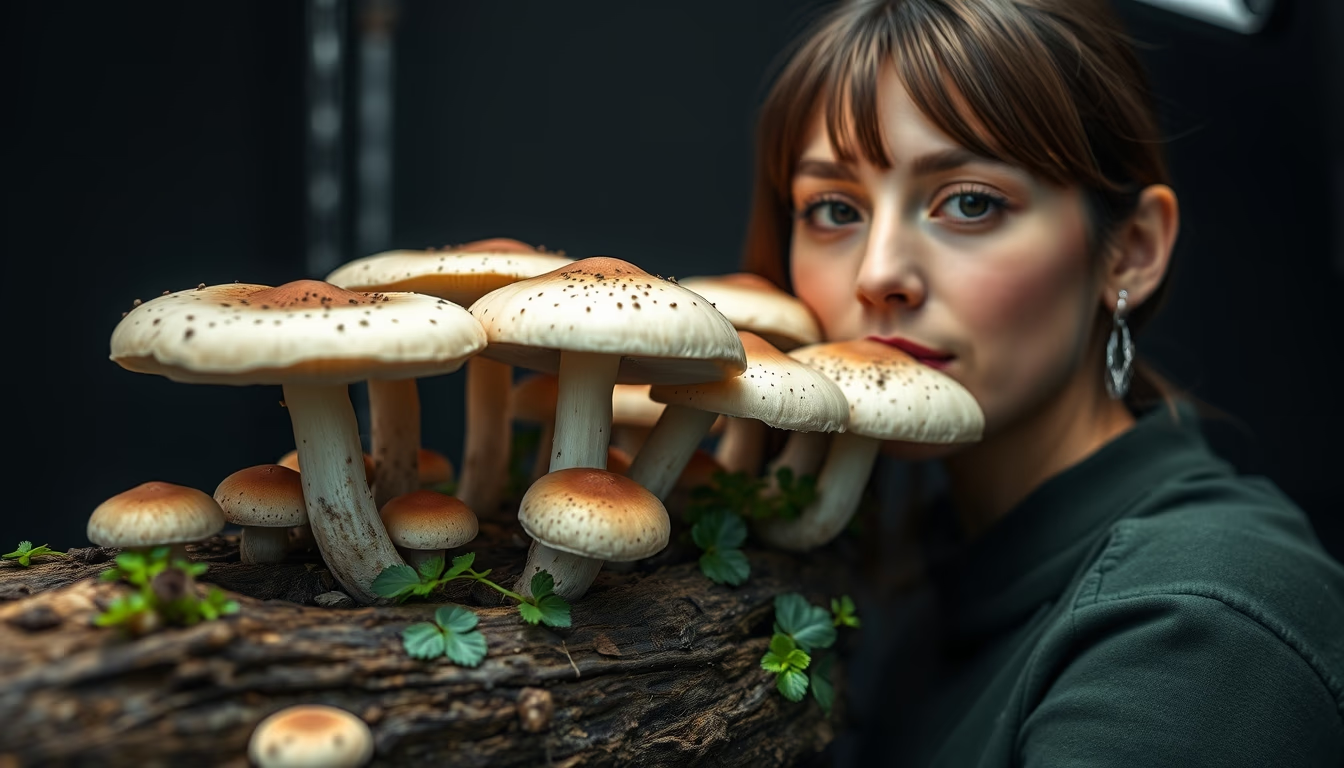
Shiitake log growing
1344×768 · AVIF · CC BY 4.0
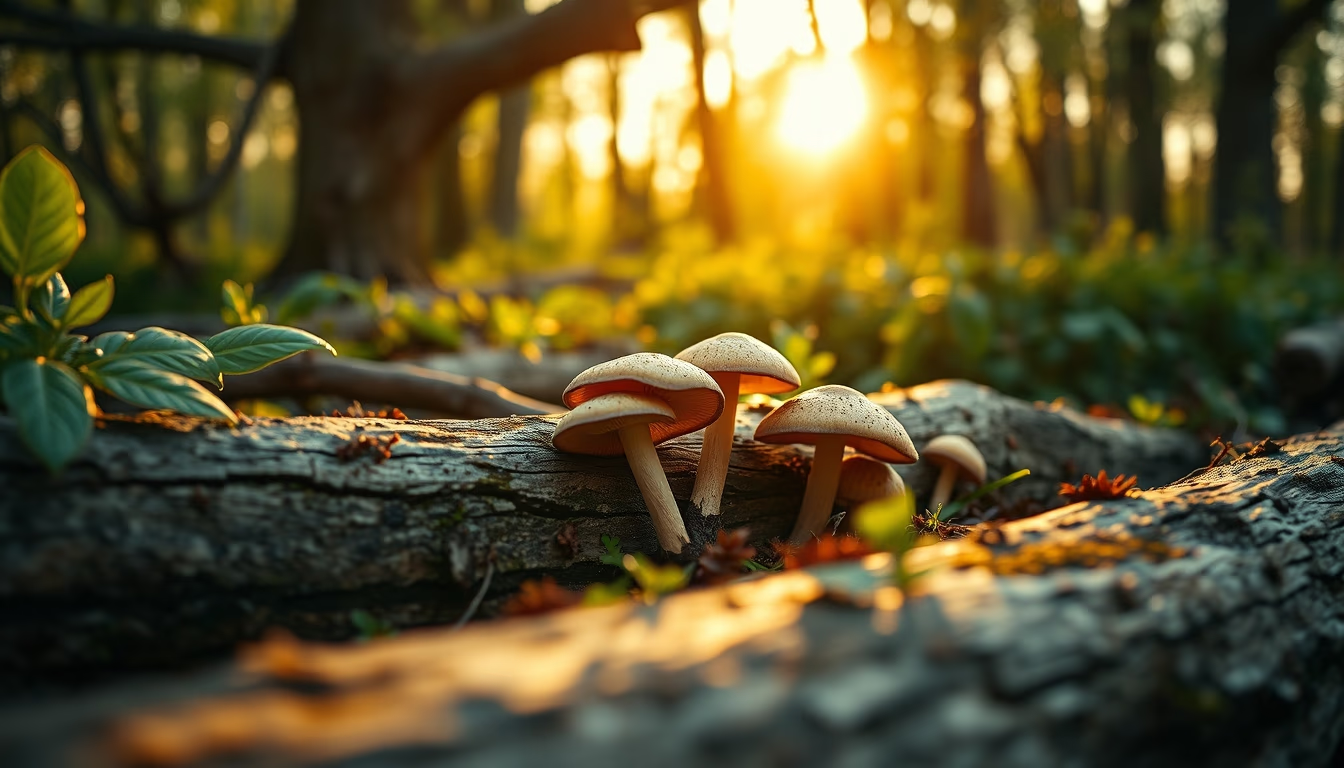
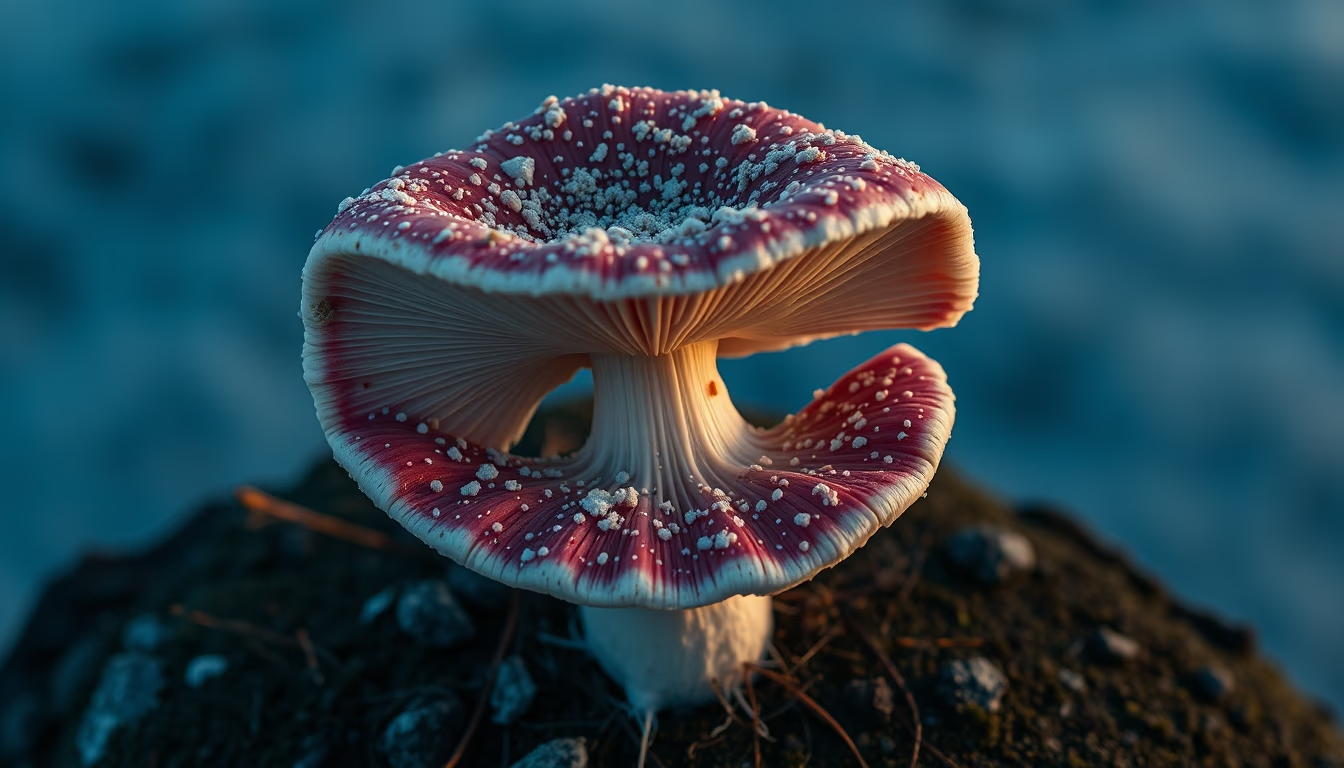
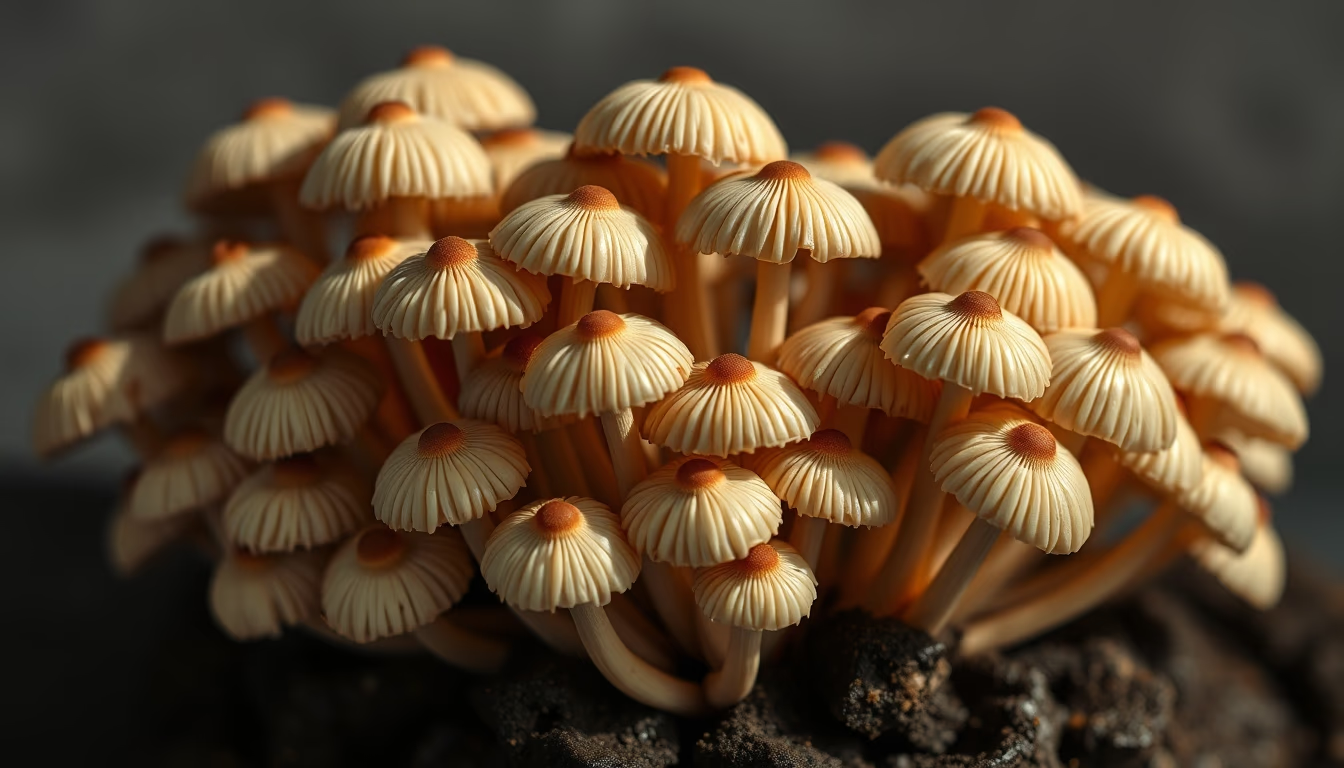
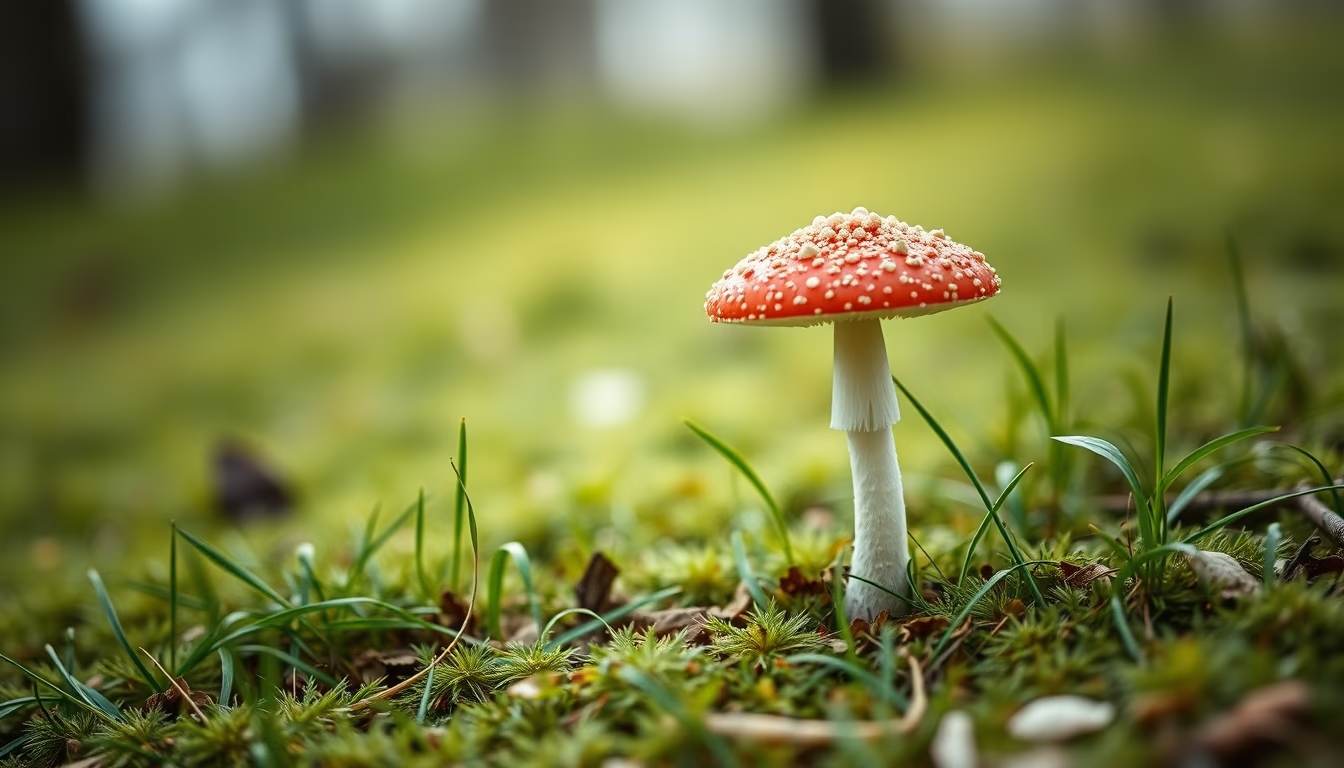
Shiitake log cultivation is an ancient Japanese technique that combines tradition and sustainability in mushroom production.
About this subject
Shiitake (Lentinula edodes) log cultivation dates back to the Heian period in Japan, around the 10th century. The traditional method involves drilling holes in freshly cut hardwood logs, typically oak, and inserting spawn plugs or sawdust inoculated with the fungus mycelium. After a 6 to 12 month incubation period in a moist, shaded environment, the logs are subjected to a thermal shock (cold water soaking) to trigger fruiting, which occurs in cycles over 3 to 5 years.
Beyond its culinary value, shiitake is rich in umami, B vitamins, and bioactive compounds like lentinan with immunomodulatory properties, log cultivation offers ecological benefits. It utilizes wood waste and requires minimal energy input, unlike sterilized substrate production. This method also preserves the natural microbiota of the logs, resulting in mushrooms with a more complex flavor profile. In Brazil, producers in the South and Southeast regions have adapted the technique using eucalyptus and other native woods.
Historically, the technique was refined by Japanese farmers and spread to other countries via immigrants. Japan remains the world's leading producer, but China, South Korea, and the United States also cultivate shiitake on a large scale. Wood selection is critical: oak and chestnut are preferred for their density and low resin content. Ideal log moisture content is 35% to 45%, and the cultivation site should have 60% to 80% shade and good airflow. A single log can yield 0.5 to 1.5 kg of fresh mushrooms per cycle, depending on diameter and tree species.
Frequently Asked Questions
How long does it take for shiitake to grow on logs?
The full cycle from inoculation to first harvest takes 12 to 18 months. After that, logs fruit in cycles every 2 to 3 months for up to 5 years.
What types of wood are used for shiitake cultivation?
Hardwoods such as oak, chestnut, hornbeam, and eucalyptus are best. Avoid resinous woods like pine, which inhibit mycelium growth.
Is log cultivation better than substrate cultivation?
Log cultivation yields mushrooms with a richer flavor and is more sustainable, but requires more space and time. Substrate (sawdust blocks) allows faster, controlled production.
Direct URL
https://pub-c7d6a6ea828543ac903a74a341ccb2e1.r2.dev/imagens/shiitake-log-growing-cinematic-wide-shot-p10.avifHow to credit
Include a visible link back to UtilizAí. Copy one of the snippets below:
<a href="https://xn--utiliza-eza.com/en/midia/imagens/shiitake-log-growing-cinematic-wide-shot-p10">Shiitake log growing</a> by <a href="https://xn--utiliza-eza.com">UtilizAí</a>, licensed under <a href="https://creativecommons.org/licenses/by/4.0/">CC BY 4.0</a>.
[Shiitake log growing](https://xn--utiliza-eza.com/en/midia/imagens/shiitake-log-growing-cinematic-wide-shot-p10) by [UtilizAí](https://xn--utiliza-eza.com), CC BY 4.0
License: CC-BY-4.0