Fly agaric forest floor
1344×768 · AVIF · CC BY 4.0
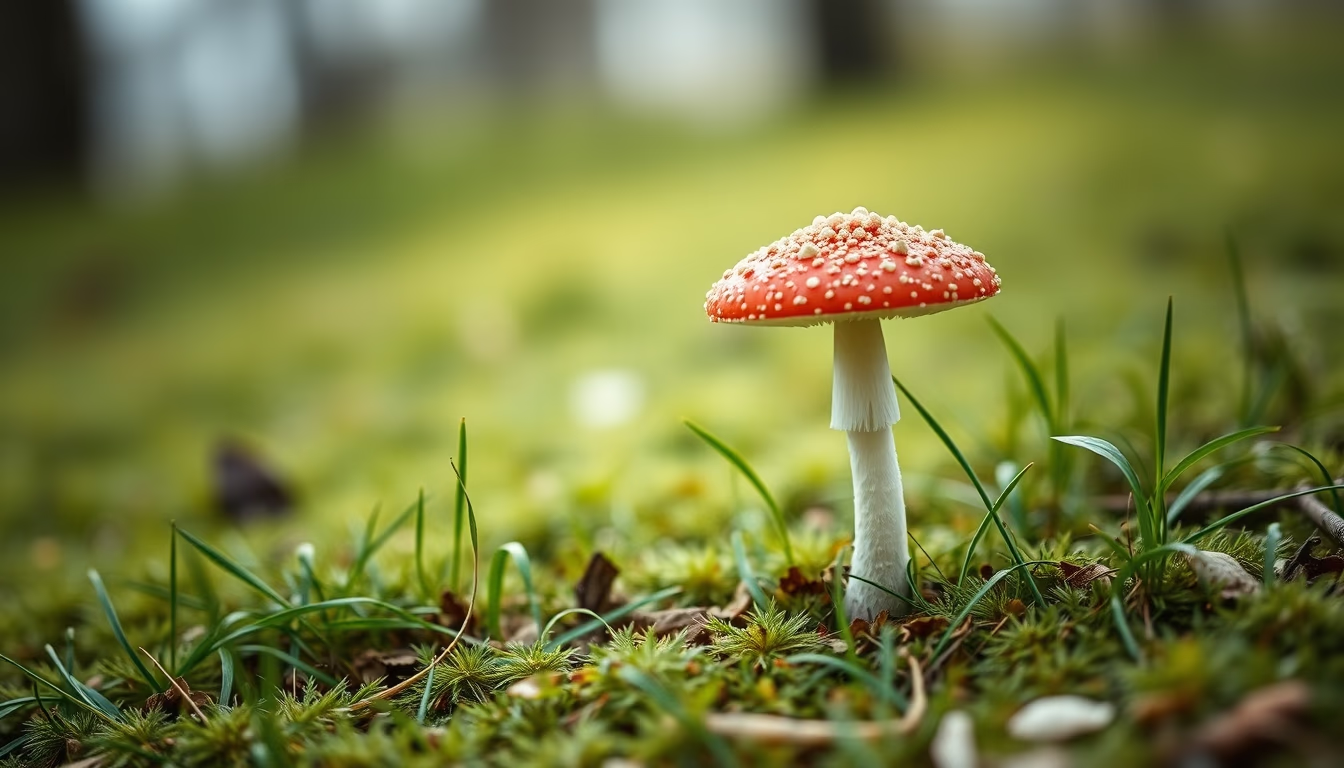
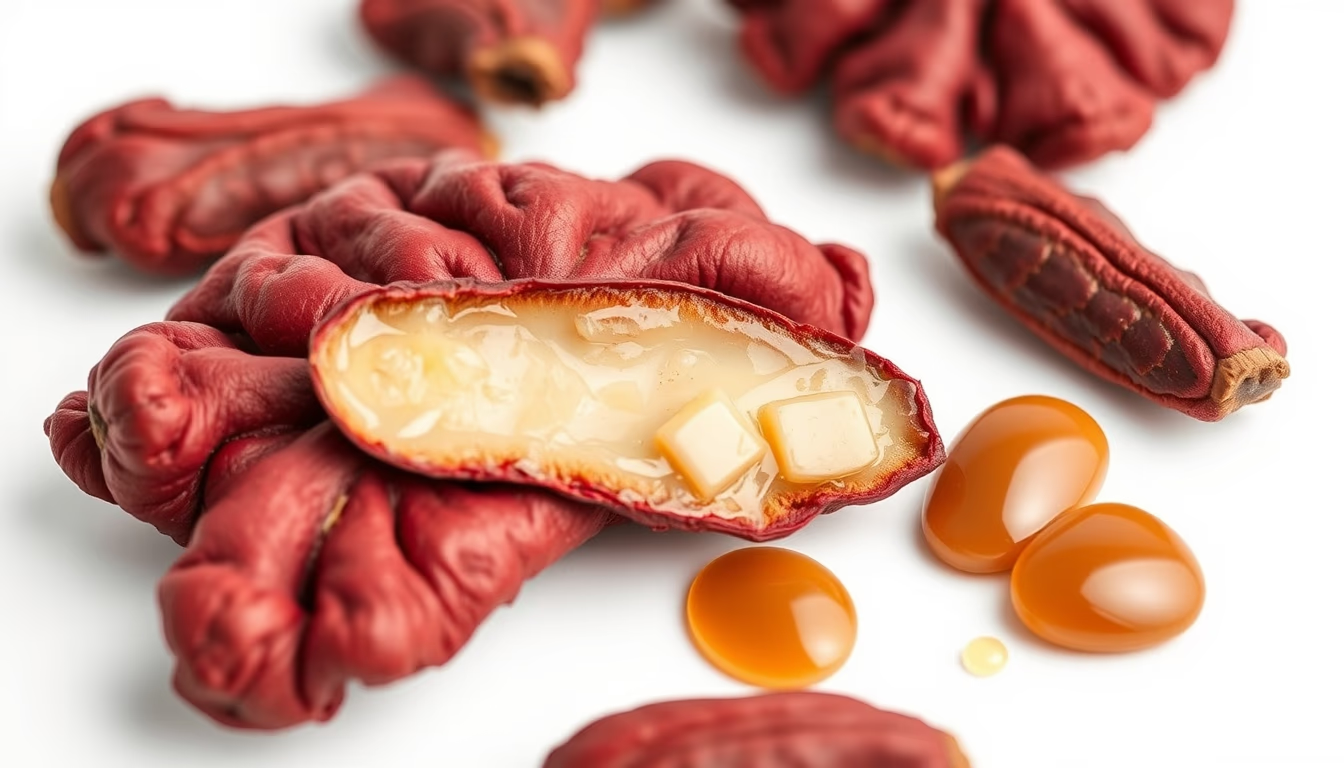
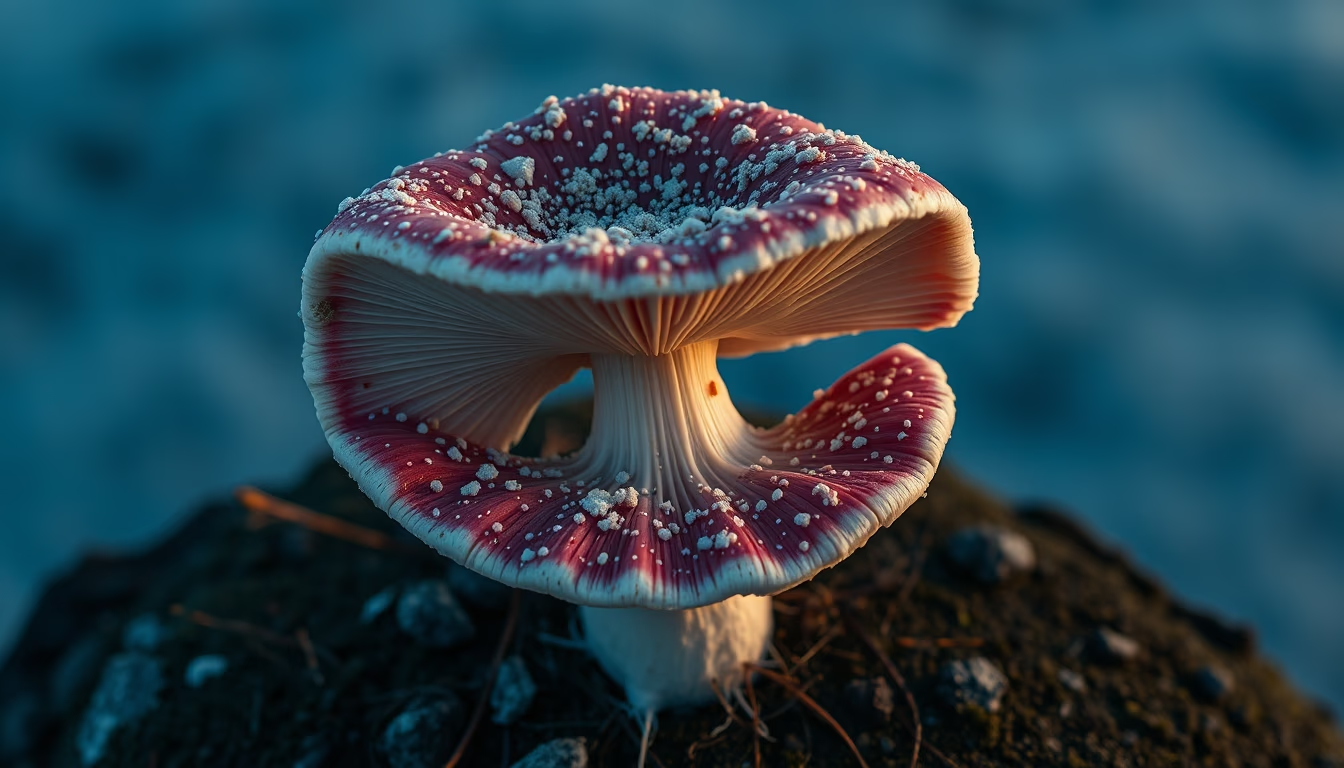
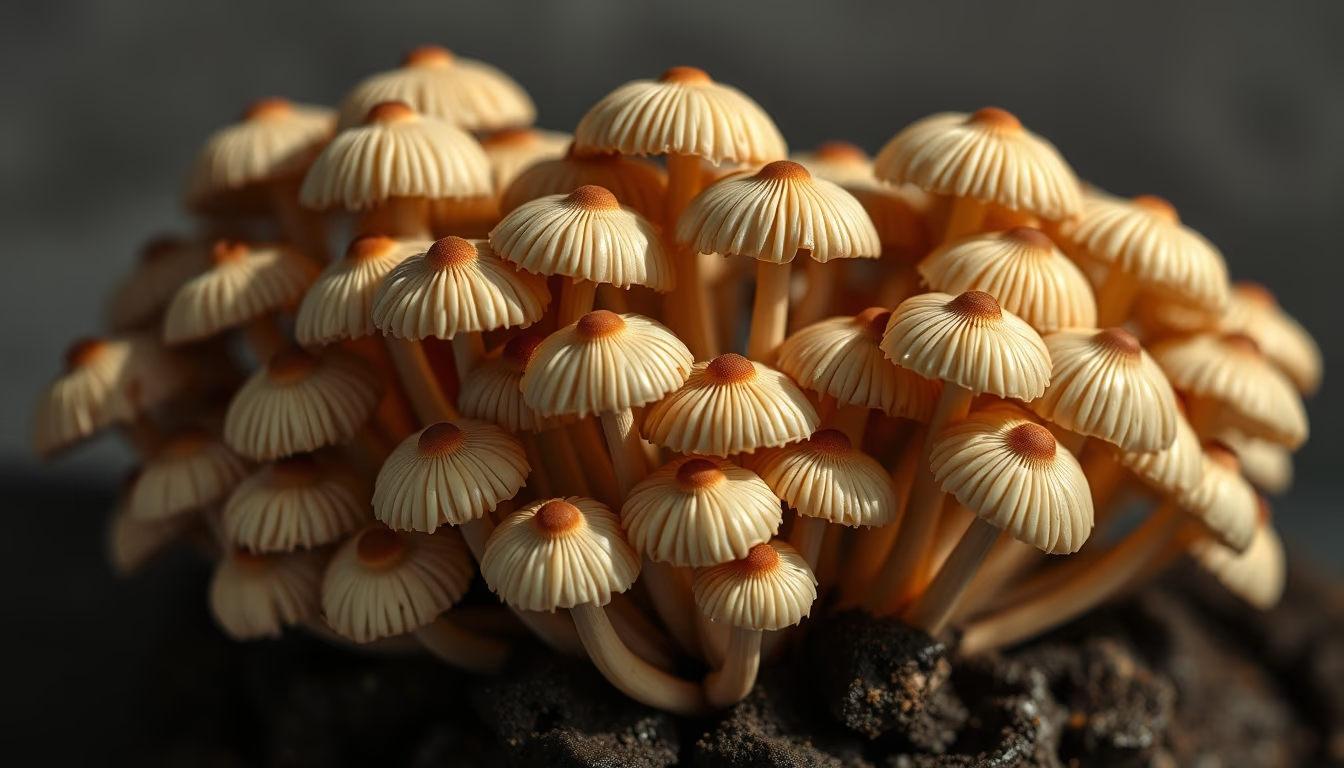
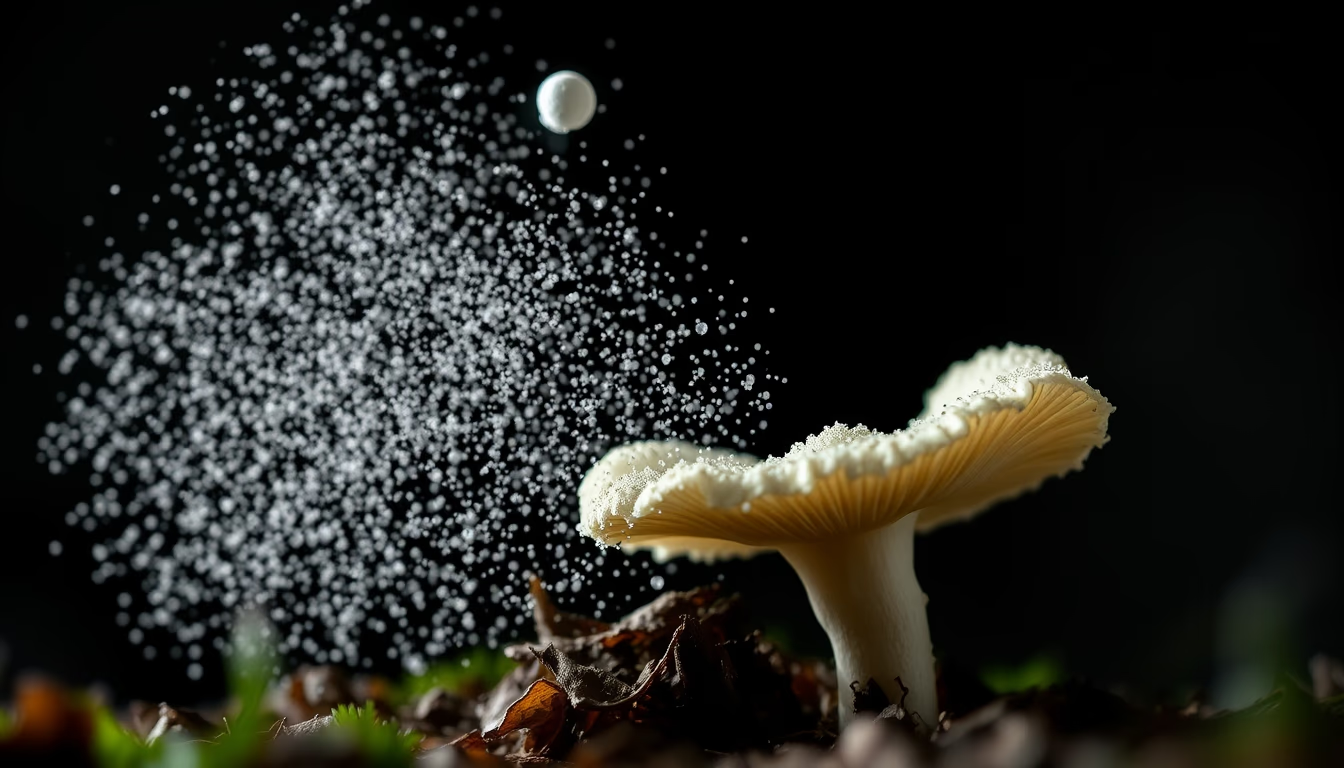
The Amanita muscaria mushroom, with its red cap and white spots, is one of the most iconic and recognizable species in the fungal kingdom.
About this subject
The fly agaric (Amanita muscaria) thrives in temperate and boreal forests across the Northern Hemisphere, forming mycorrhizal relationships with birch, pine, and spruce trees. Its bright red cap dotted with white warts stands out against the forest floor littered with fallen leaves and pine needles. Despite its fairy-tale appearance, it contains psychoactive compounds, ibotenic acid and muscimol, which affect the central nervous system.
For centuries, indigenous peoples of Siberia used the mushroom in shamanic rites for visionary experiences. Some anthropologists link it to the ancient Vedic ritual of soma. In European folklore, the fly agaric became synonymous with gnomes and Christmas imagery, often depicted in illustrations as a magical toadstool.
Ecologically, it is vital for tree health, exchanging minerals for sugars through underground networks. The common name "fly agaric" comes from its traditional use as an insecticide: placing pieces in milk attracted flies, which then became stupefied and drowned.
Although rarely fatal, ingestion causes nausea, disorientation, and drowsiness. Cooking reduces but does not eliminate toxicity. Modern recreational use is risky due to variable potency and unpleasant side effects.
Frequently Asked Questions
Can you eat Amanita muscaria?
No, it is toxic. Although historical accounts mention consumption, it contains psychoactive compounds that cause nausea, hallucinations, and confusion. Cooking reduces toxicity but does not make it safe.
Why is it called fly agaric?
The name comes from its traditional use as an insecticide: pieces placed in milk attracted flies, which became intoxicated and died. The active compound muscimol affects insect nervous systems.
Where does Amanita muscaria grow?
It thrives in temperate and boreal forests of the Northern Hemisphere, such as Europe, Asia, and North America, forming symbiotic relationships with birch, pine, and spruce trees.
Direct URL
https://pub-c7d6a6ea828543ac903a74a341ccb2e1.r2.dev/imagens/fly-agaric-forest-floor-minimalist-composition-p11.avifHow to credit
Include a visible link back to UtilizAí. Copy one of the snippets below:
<a href="https://xn--utiliza-eza.com/en/midia/imagens/fly-agaric-forest-floor-minimalist-composition-p11">Fly agaric forest floor</a> by <a href="https://xn--utiliza-eza.com">UtilizAí</a>, licensed under <a href="https://creativecommons.org/licenses/by/4.0/">CC BY 4.0</a>.
[Fly agaric forest floor](https://xn--utiliza-eza.com/en/midia/imagens/fly-agaric-forest-floor-minimalist-composition-p11) by [UtilizAí](https://xn--utiliza-eza.com), CC BY 4.0
License: CC-BY-4.0