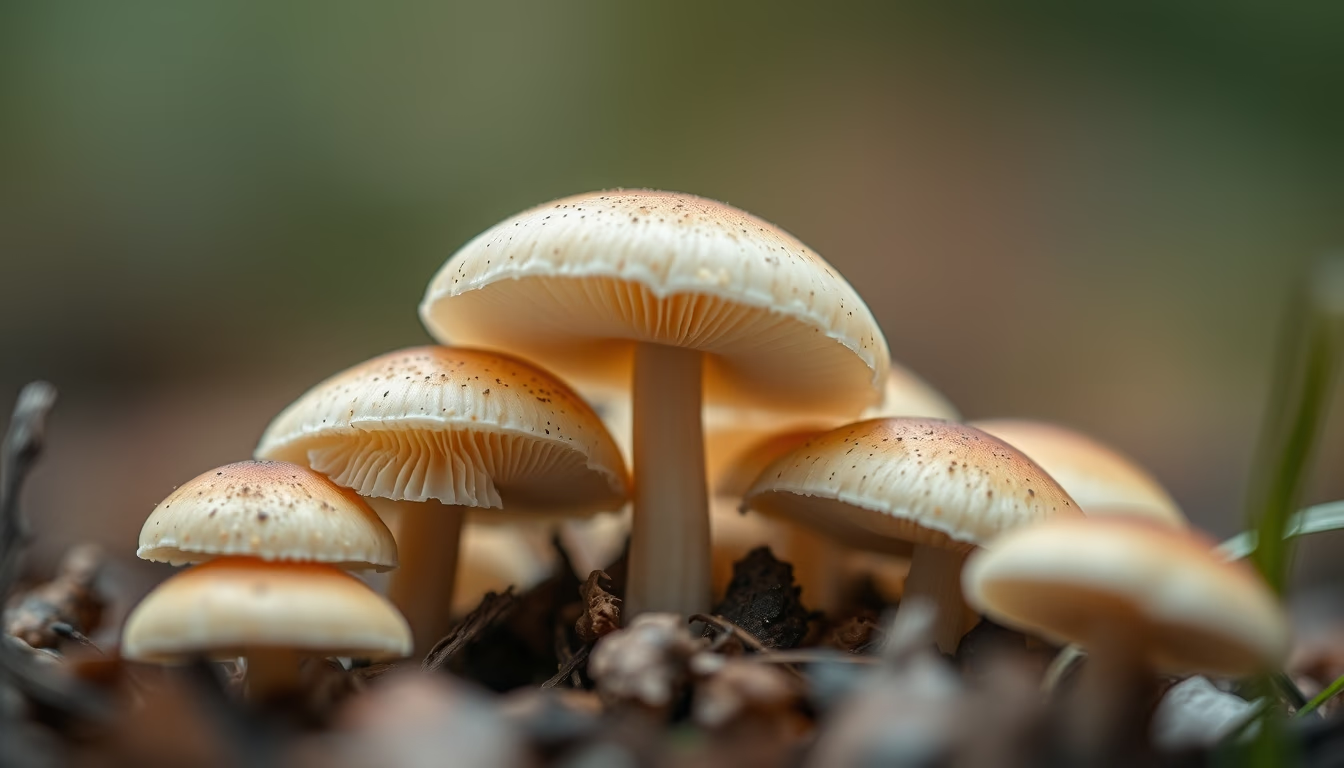
Lion mane mushroom
1344×768 · AVIF · CC BY 4.0
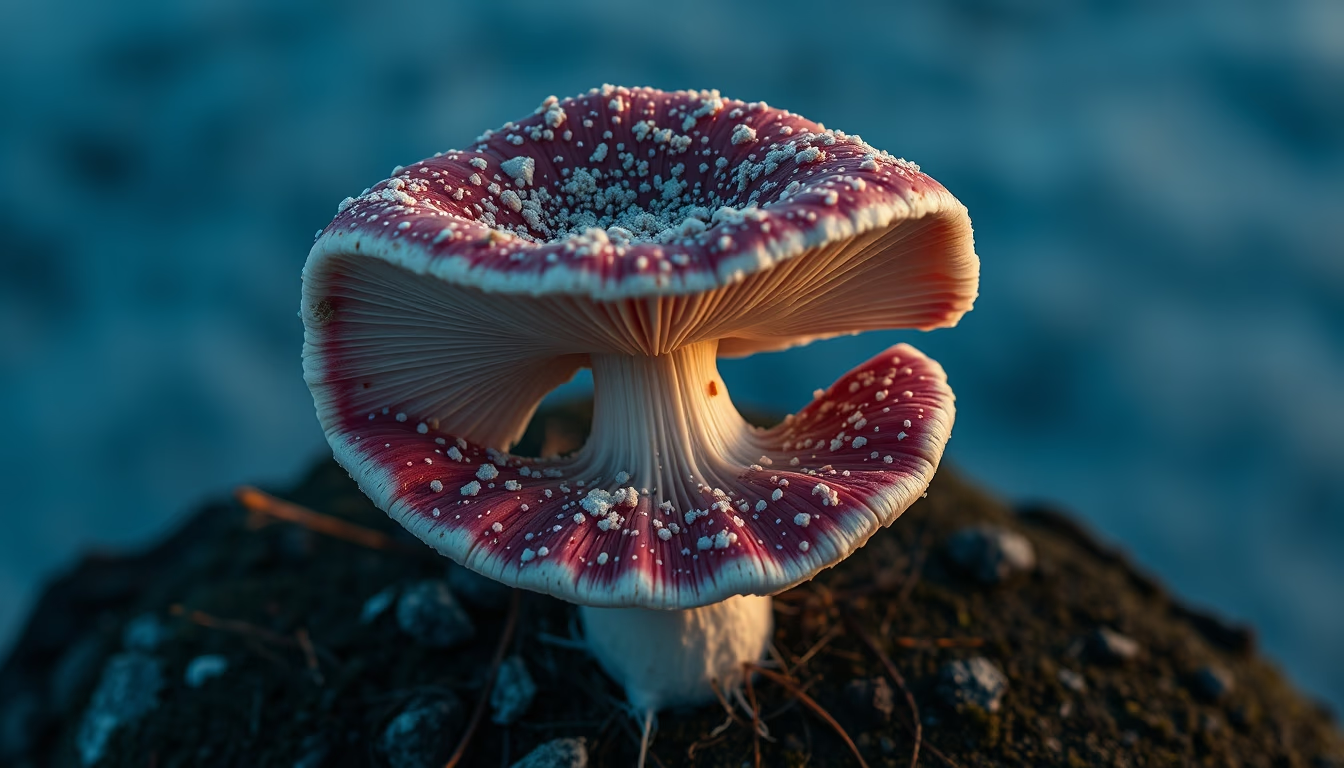
Lion's mane mushroom (Hericium erinaceus) is an edible fungus renowned for its cognitive benefits and unique appearance, resembling a cascade of white spines.
About this subject
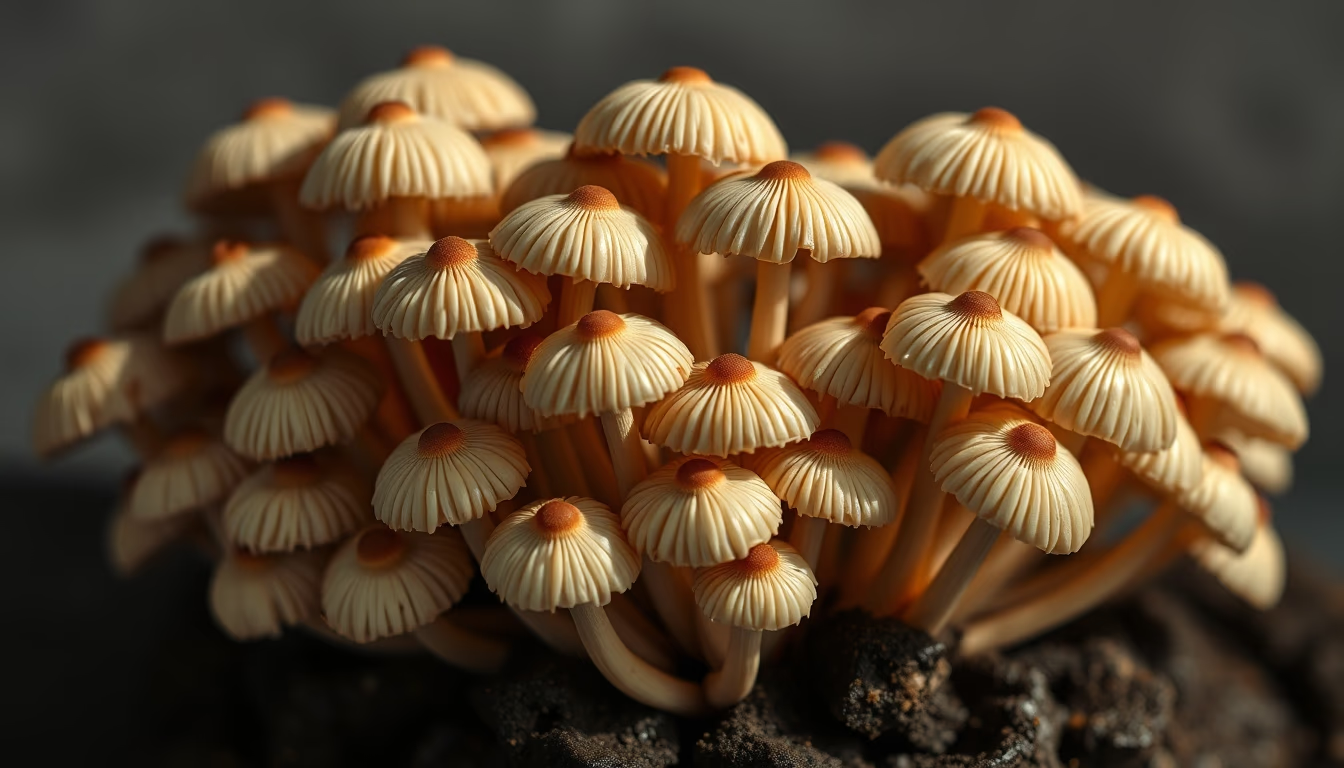
Lion's mane mushroom, scientifically named Hericium erinaceus, is an edible fungus in the family Hericiaceae. Its distinctive appearance, with long dangling spines reminiscent of a lion's mane, gives it its common name. Native to temperate regions of the Northern Hemisphere, including North America, Europe, and Asia, this mushroom grows on dead or dying hardwood trees such as oaks and beeches. In the wild, it is most commonly found in late summer and autumn, though it is commercially cultivated in many countries.
Culturally, lion's mane has been valued in traditional Chinese medicine for centuries, used to strengthen the spleen, nourish the stomach, and improve cognitive function. Modern scientific research supports these uses: studies indicate that bioactive compounds like erinacines and hericenones stimulate nerve growth factor (NGF), promoting neurogenesis and protecting against neurodegenerative diseases such as Alzheimer's and Parkinson's. Additionally, the mushroom has antioxidant, anti-inflammatory, and immunomodulatory properties.
Culinarily, lion's mane is prized for its mild flavor and texture reminiscent of seafood, particularly crab or lobster. It can be sautéed, grilled, or used in soups. Its popularity has grown globally as a dietary supplement and gourmet ingredient. While safe for most people, caution is advised in cases of mushroom allergies or during pregnancy. The aerial photograph showing the fungus in its natural habitat emphasizes the complexity of its structures and its integration into the forest ecosystem.
Frequently Asked Questions
Can lion's mane mushroom be found in Brazil?
It is not native to Brazil but can be cultivated under controlled conditions. Consumption in the country mainly relies on imported products or locally grown by specialized producers.
What are the mental health benefits of lion's mane?
Research suggests it stimulates nerve growth factor (NGF), which may improve memory, focus, and protect against conditions like Alzheimer's and depression.
How to identify a lion's mane mushroom in the wild?
Look for a globose mass of white or cream dangling spines growing on deciduous tree trunks. It has no visible stem, and the spines are long (up to 3 cm).
Direct URL
https://pub-c7d6a6ea828543ac903a74a341ccb2e1.r2.dev/imagens/lion-mane-mushroom-aerial-drone-shot-p11.avifHow to credit
Include a visible link back to UtilizAí. Copy one of the snippets below:
<a href="https://xn--utiliza-eza.com/en/midia/imagens/lion-mane-mushroom-aerial-drone-shot-p11">Lion mane mushroom</a> by <a href="https://xn--utiliza-eza.com">UtilizAí</a>, licensed under <a href="https://creativecommons.org/licenses/by/4.0/">CC BY 4.0</a>.
[Lion mane mushroom](https://xn--utiliza-eza.com/en/midia/imagens/lion-mane-mushroom-aerial-drone-shot-p11) by [UtilizAí](https://xn--utiliza-eza.com), CC BY 4.0
License: CC-BY-4.0