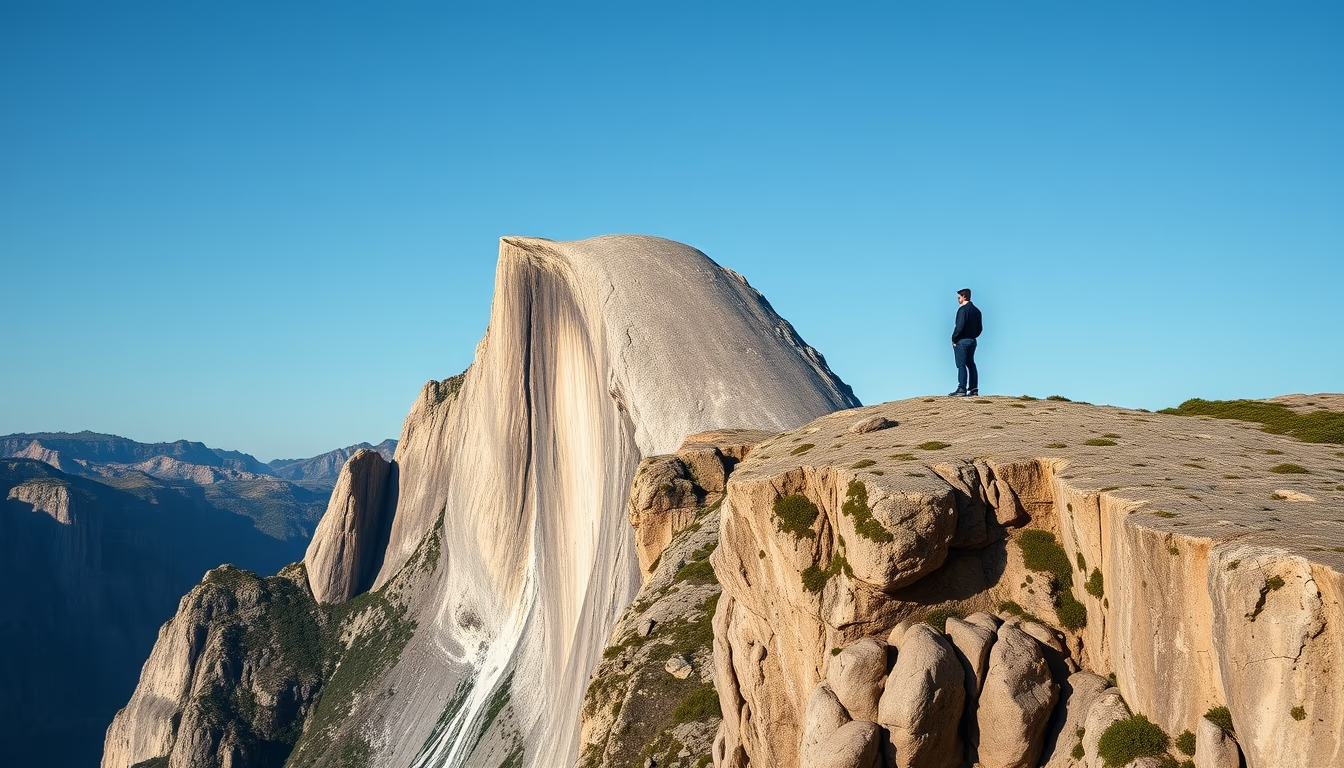
Sequoia giant tree
1344×768 · AVIF · CC BY 4.0
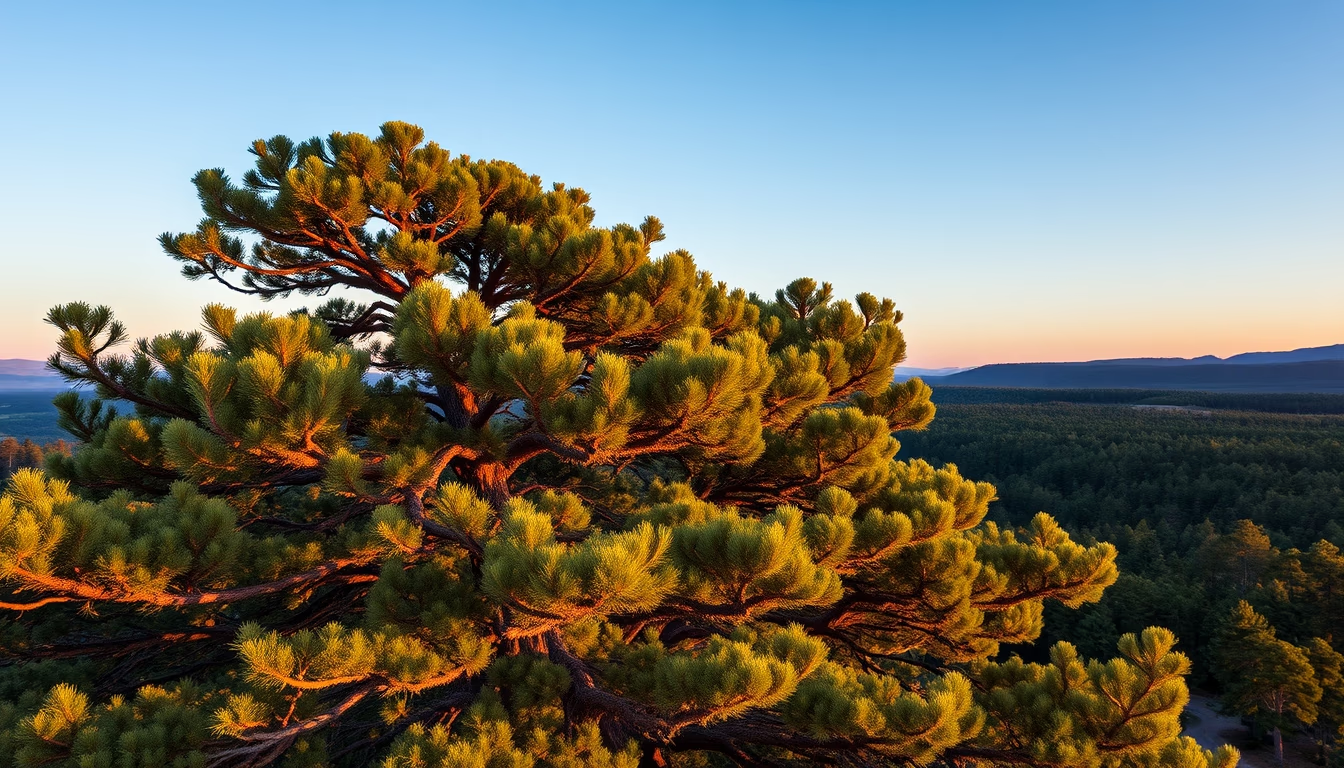
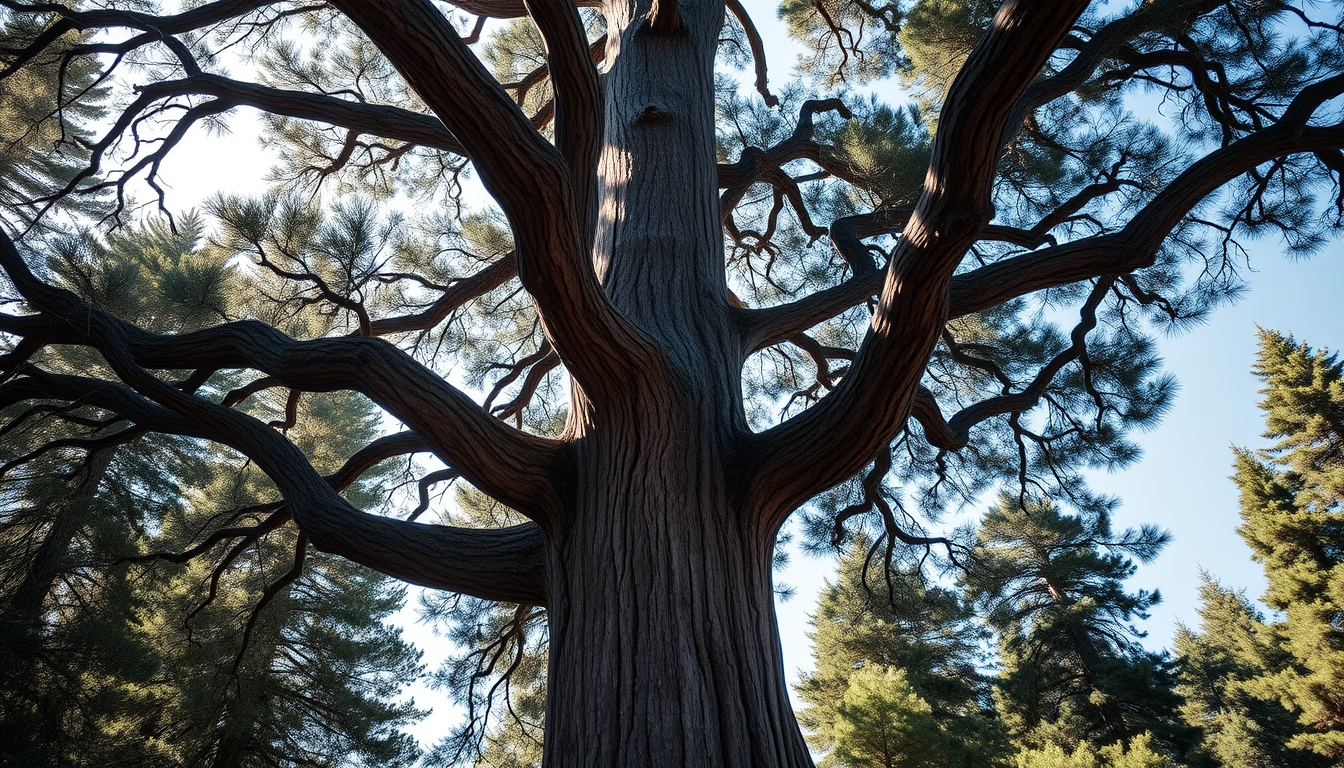
The giant sequoia (Sequoiadendron giganteum) is the largest tree by volume on Earth, native to the Sierra Nevada slopes in California.
About this subject
Giant sequoias are botanical giants that can reach over 80 meters in height and diameters exceeding 11 meters. Specimens like the General Sherman tree in Sequoia National Park have an estimated volume of 1,487 cubic meters, making it the largest living tree by volume. These trees live for millennia: the oldest known giant sequoia is about 3,200 years old.
They grow only in a restricted habitat at elevations between 1,400 and 2,400 meters on the western slopes of California's Sierra Nevada. The Mediterranean climate with snowy winters and dry summers, combined with nutrient-rich granitic soils, creates ideal conditions. Interestingly, fire is essential for their reproduction: cones need heat from flames to open and release seeds, and ash enriches the soil for seedling growth.
The thick, fibrous bark of giant sequoias (up to 60 centimeters thick) provides resistance to fire and pests. Despite this, the species is listed as endangered by the International Union for Conservation of Nature (IUCN). Major threats include climate change, which increases the frequency of severe wildfires, and habitat loss from historical logging. Today, about 73 natural groves remain, protected within national parks and national forests.
Another striking fact: giant sequoias are not the tallest trees (that title belongs to coastal redwoods, reaching over 115 meters), but they win in volume. The estimated weight of a mature giant sequoia can exceed 2 million kilograms. Their roots are relatively shallow, spreading up to 100 meters from the trunk, making them vulnerable to strong winds and waterlogged soils.
Frequently Asked Questions
What is the difference between a giant sequoia and a coastal redwood?
The giant sequoia (Sequoiadendron giganteum) is the largest by volume and lives at high elevations in the Sierra Nevada. The coastal redwood (Sequoia sempervirens) is the tallest, found along coastal California and Oregon.
Why is fire important for giant sequoias?
Heat from fire opens the cones, releasing seeds. Ash provides nutrients for seedlings, and fire reduces competition from other plants, allowing sequoias to thrive.
Can giant sequoias be found outside California?
Natural giant sequoias exist only in California's Sierra Nevada. However, they have been planted in other parts of the world, including gardens and parks in temperate regions.
Direct URL
https://pub-c7d6a6ea828543ac903a74a341ccb2e1.r2.dev/imagens/sequoia-giant-tree-aerial-drone-shot-p7.avifHow to credit
Include a visible link back to UtilizAí. Copy one of the snippets below:
<a href="https://xn--utiliza-eza.com/en/midia/imagens/sequoia-giant-tree-aerial-drone-shot-p7">Sequoia giant tree</a> by <a href="https://xn--utiliza-eza.com">UtilizAí</a>, licensed under <a href="https://creativecommons.org/licenses/by/4.0/">CC BY 4.0</a>.
[Sequoia giant tree](https://xn--utiliza-eza.com/en/midia/imagens/sequoia-giant-tree-aerial-drone-shot-p7) by [UtilizAí](https://xn--utiliza-eza.com), CC BY 4.0
License: CC-BY-4.0