Seaweed farm asian
1344×768 · AVIF · CC BY 4.0
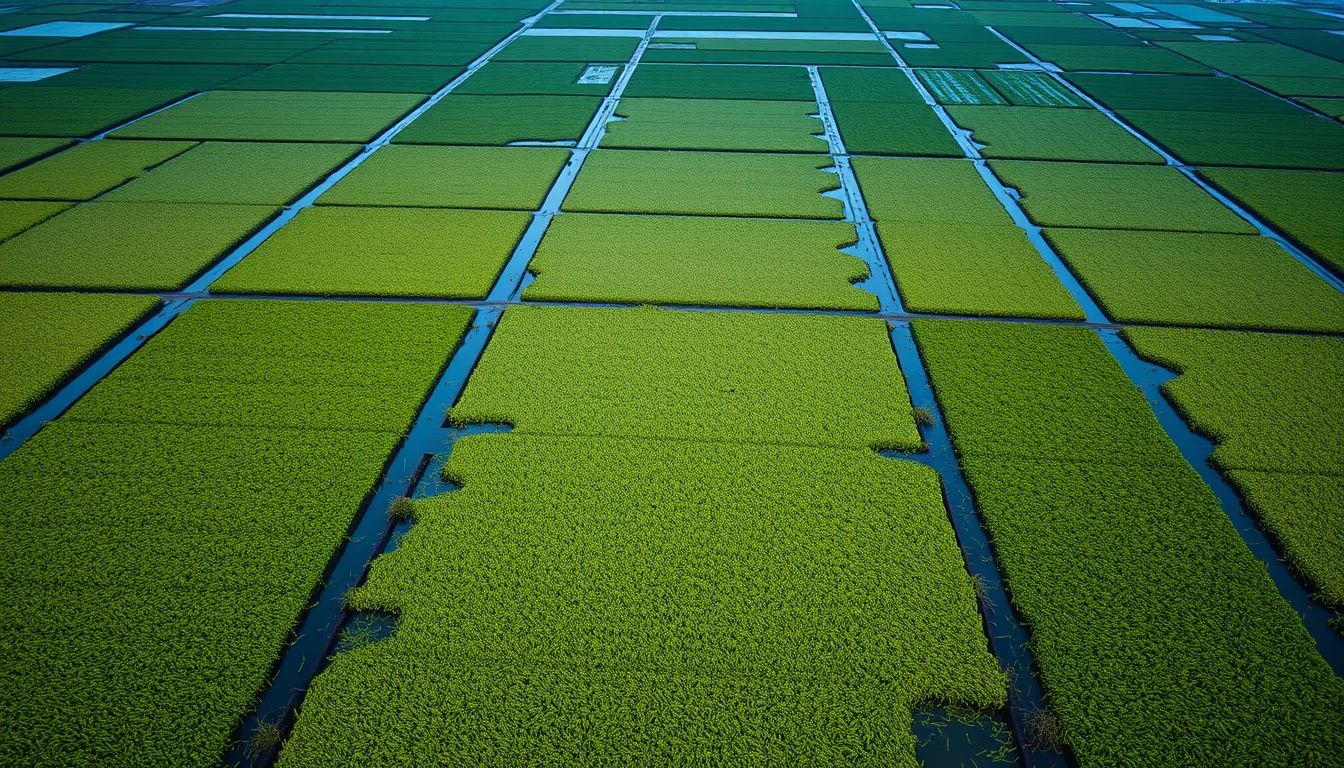
Seaweed farms in Asia: sustainable cultivation, economic importance, and traditional methods feeding millions.
About this subject
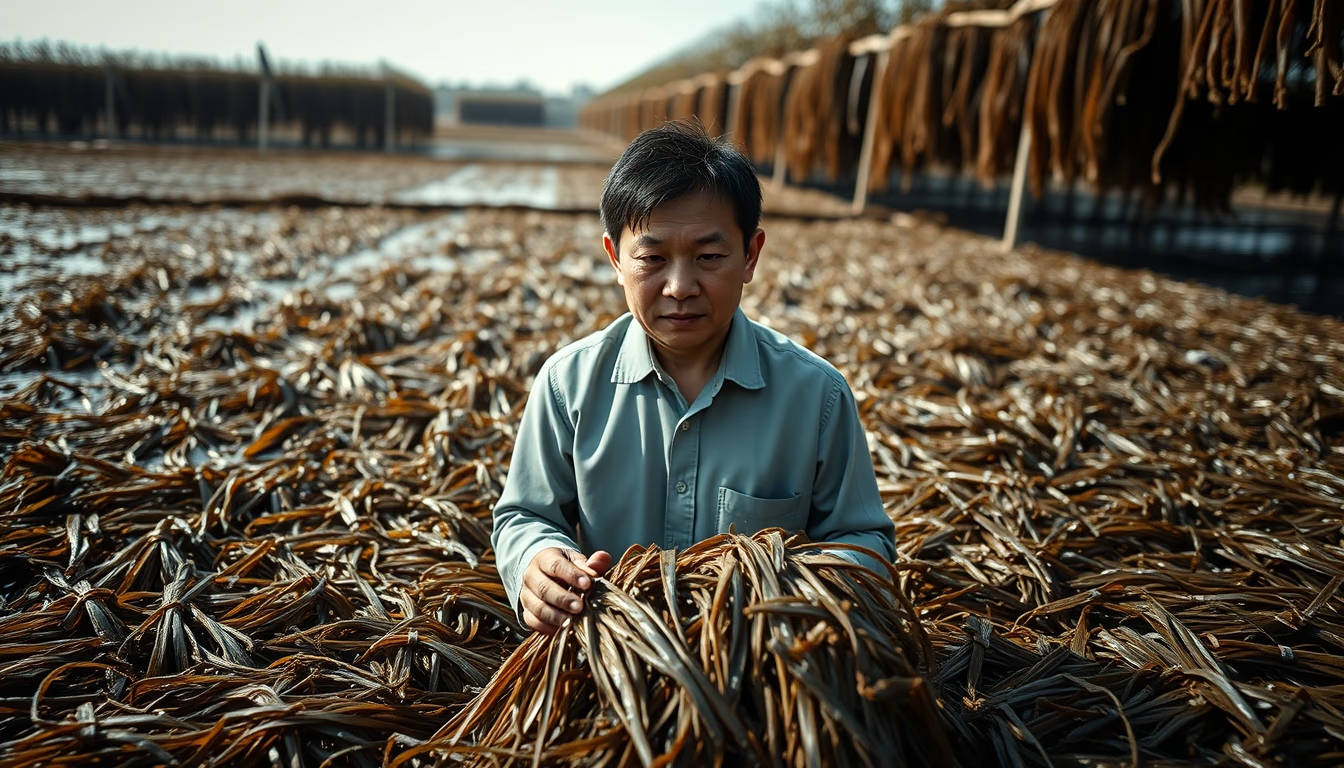
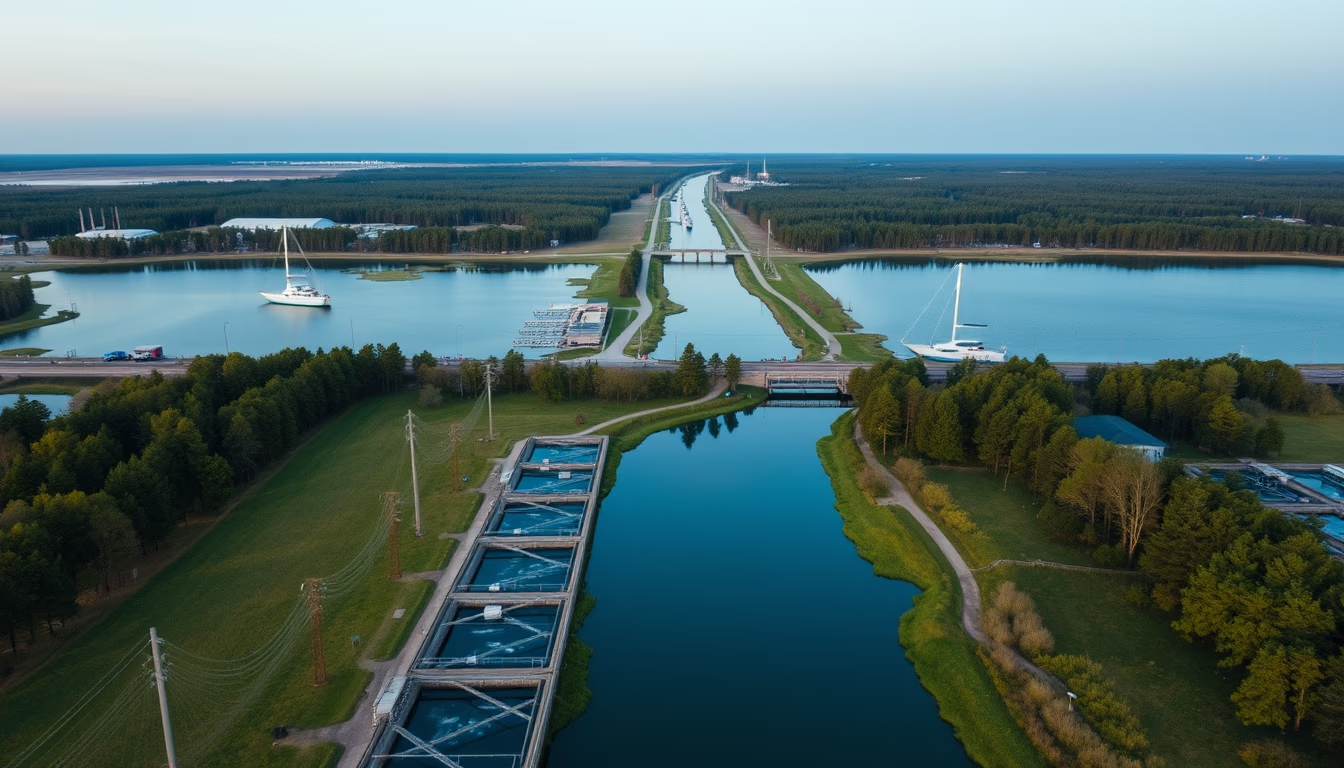
Asia is the world's largest producer of seaweed, responsible for over 95% of global output. Countries like China, Indonesia, Philippines, South Korea, and Japan lead the industry, with farms stretching for kilometers along coastlines. Seaweed cultivation of species such as Kappaphycus alvarezii (sea moss) and Undaria pinnatifida (wakame) employs time-tested techniques using floating ropes and bamboo anchored to the seabed. These seaweeds grow rapidly, absorbing carbon dioxide and nitrogen from water, helping mitigate ocean acidification and eutrophication.
The seaweed aquaculture industry generates billions of dollars annually and supports coastal communities, especially in rural areas of Indonesia and the Philippines. Seaweeds are processed into human food (salads, sushi wraps, seasonings), hydrocolloids such as agar and carrageenan (used in thickeners, cosmetics, and pharmaceuticals), and animal feed. China alone produces about 60% of the world's seaweed, with farms in the Bohai Sea and Fujian province. The open-water cultivation method using floating structures allows harvesting in cycles of 45 to 60 days.
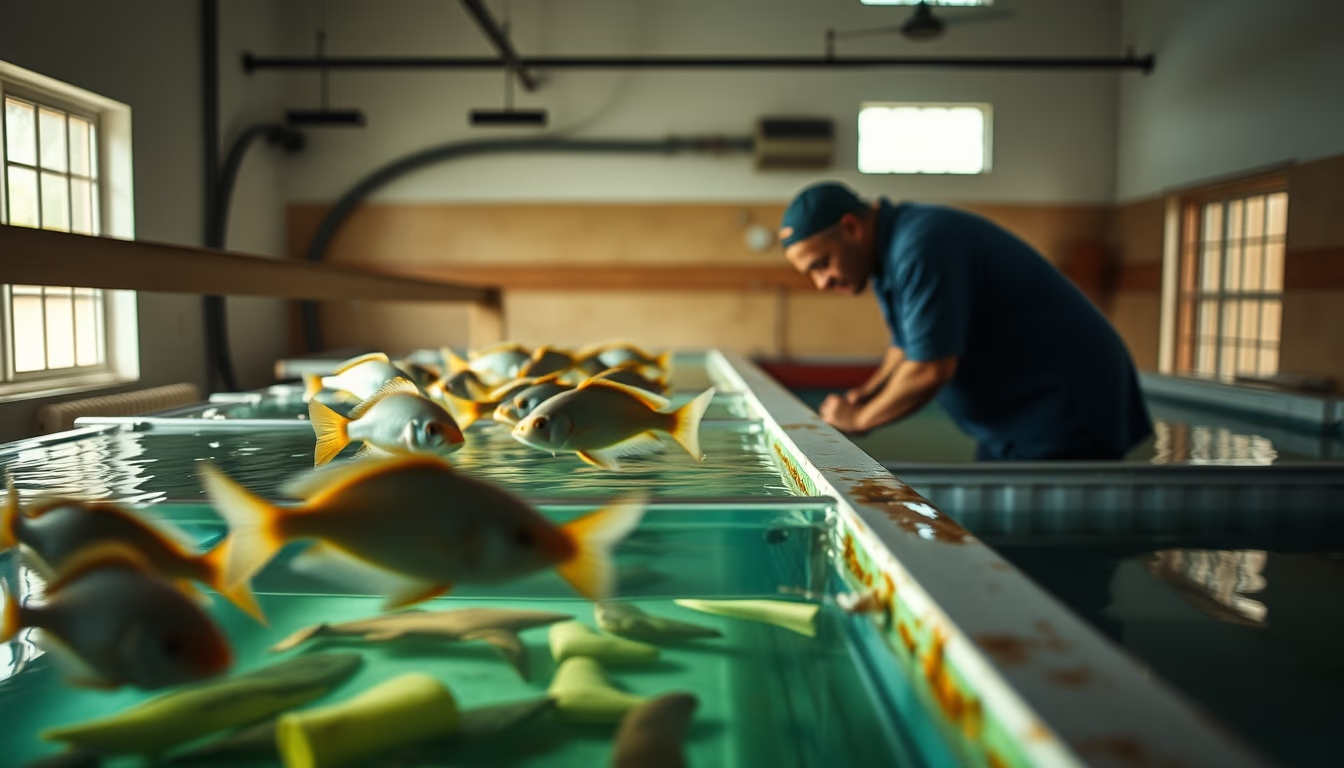
Beyond economic value, seaweed farms provide ecosystem services: they create habitat for fish and crustaceans, reduce coastal erosion, and act as carbon sinks. Studies suggest that planned expansion of oceanic seaweed farming could capture up to 15% of the carbon needed to limit global warming. In Southeast Asia, integrated aquaculture projects combine seaweed with fish or shrimp, optimizing nutrient use and reducing waste.
Despite benefits, challenges such as diseases, storm impacts, and pressure for sustainable certifications affect producers. Initiatives like the Aquaculture Stewardship Council (ASC) certification for seaweed aim to ensure responsible practices. The global seaweed market is expected to grow 10% annually until 2030, driven by demand for alternative proteins and bioplastics, cementing Asia as the epicenter of this blue revolution.
Frequently Asked Questions
Which Asian countries are the largest producers of seaweed?
China, Indonesia, Philippines, South Korea, and Japan lead production. China accounts for about 60% of the global total, with extensive farms in the Bohai Sea and Fujian province.
What are cultivated seaweeds used for in Asia?
Seaweeds are used for human food (salads, sushi, seasonings), production of hydrocolloids like agar and carrageenan (thickeners in foods, cosmetics, and pharmaceuticals), and animal feed. They also have potential as biofuel and bioplastics.
How do seaweed farms benefit the environment?
They absorb CO2 and nitrogen from water, combating ocean acidification and eutrophication. They also provide habitat for marine life, reduce coastal erosion, and act as carbon sinks.
Direct URL
https://pub-c7d6a6ea828543ac903a74a341ccb2e1.r2.dev/imagens/seaweed-farm-asian-aerial-drone-shot-fresh16.avifHow to credit
Include a visible link back to UtilizAí. Copy one of the snippets below:
<a href="https://xn--utiliza-eza.com/en/midia/imagens/seaweed-farm-asian-aerial-drone-shot-fresh16">Seaweed farm asian</a> by <a href="https://xn--utiliza-eza.com">UtilizAí</a>, licensed under <a href="https://creativecommons.org/licenses/by/4.0/">CC BY 4.0</a>.
[Seaweed farm asian](https://xn--utiliza-eza.com/en/midia/imagens/seaweed-farm-asian-aerial-drone-shot-fresh16) by [UtilizAí](https://xn--utiliza-eza.com), CC BY 4.0
License: CC-BY-4.0