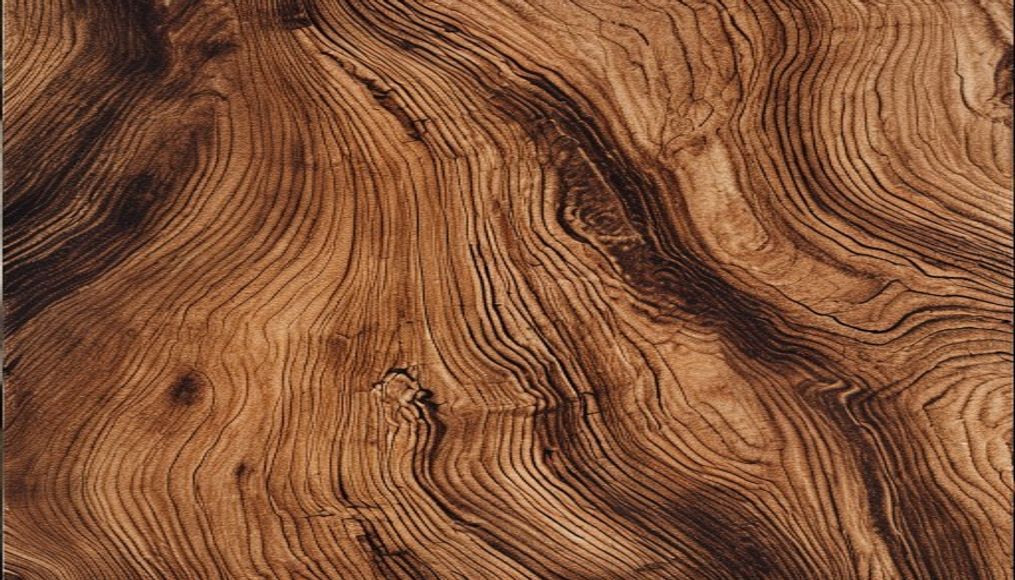
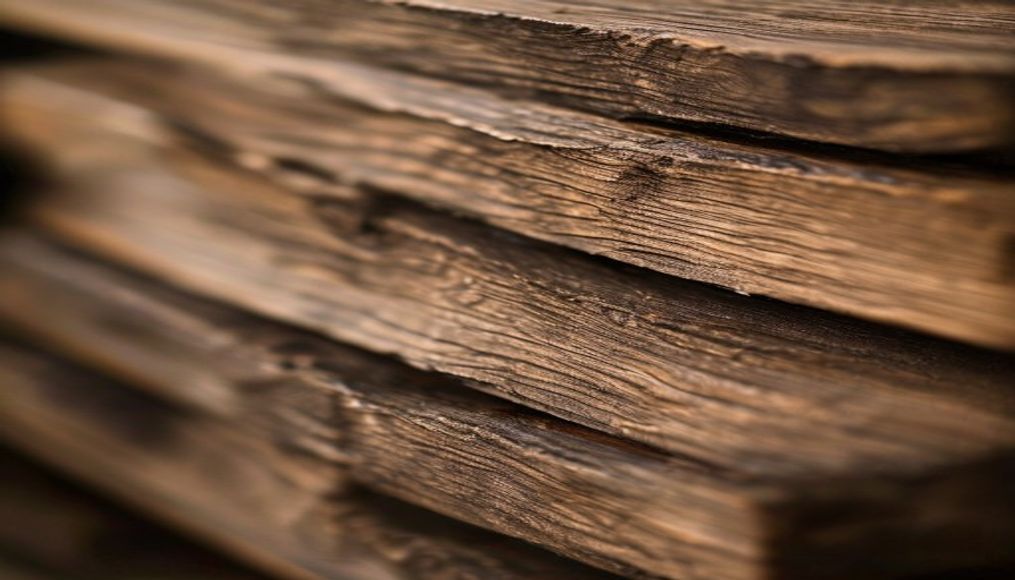
Sawdust wood shavings
1344×768 · AVIF · CC BY 4.0
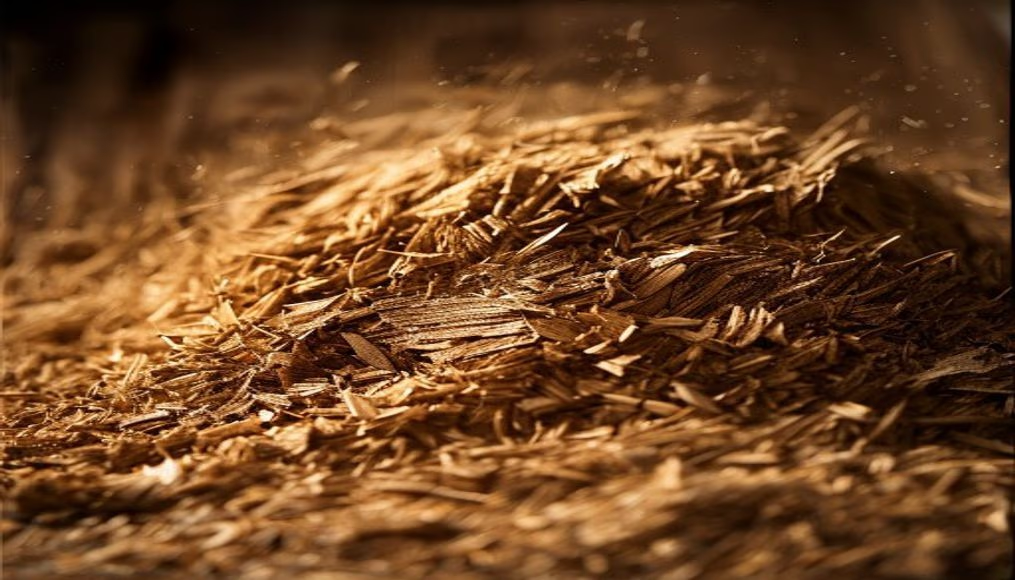
Sawdust and wood shavings are byproducts of woodworking, with diverse industrial, agricultural, and artistic uses.
About this subject
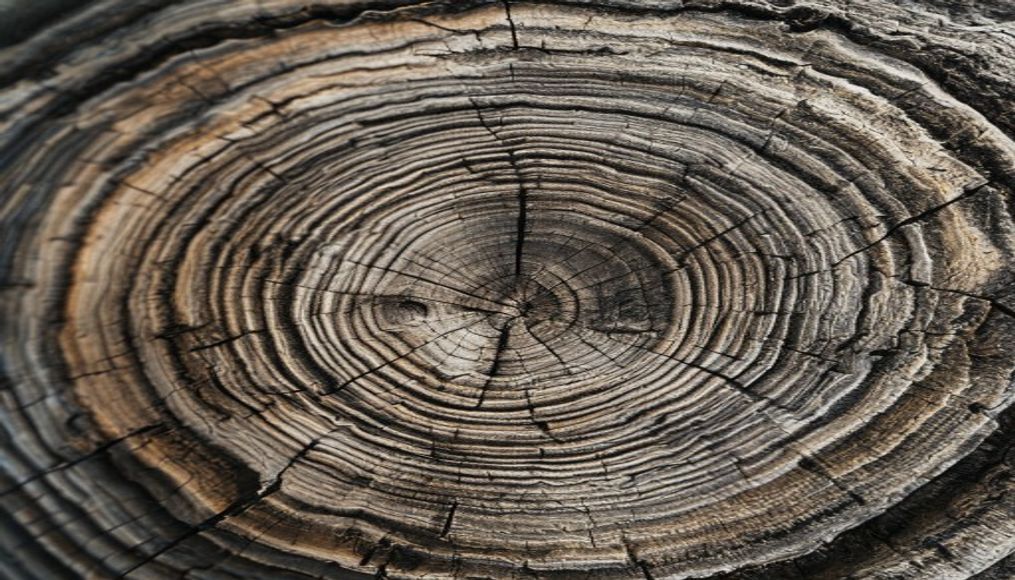
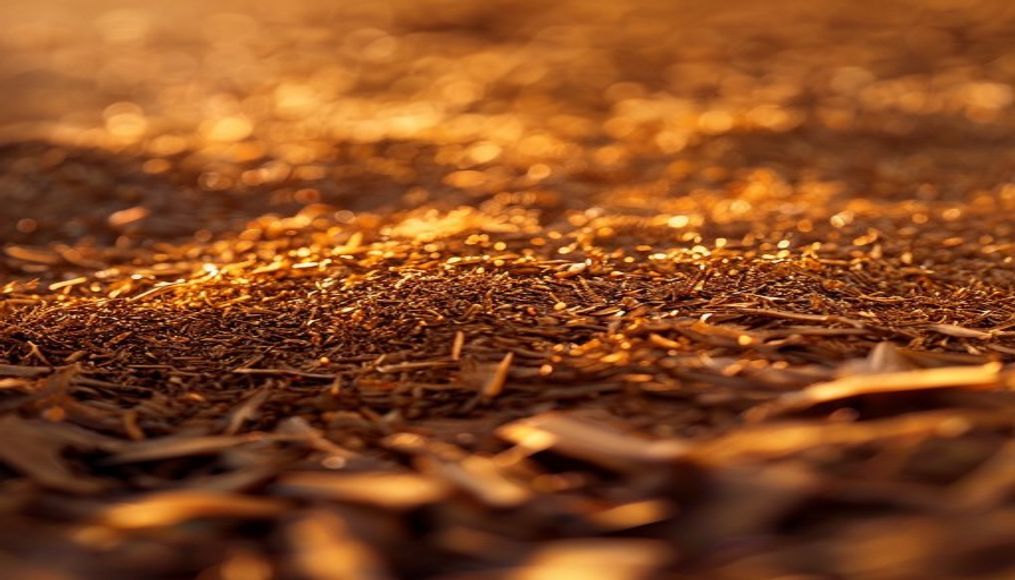
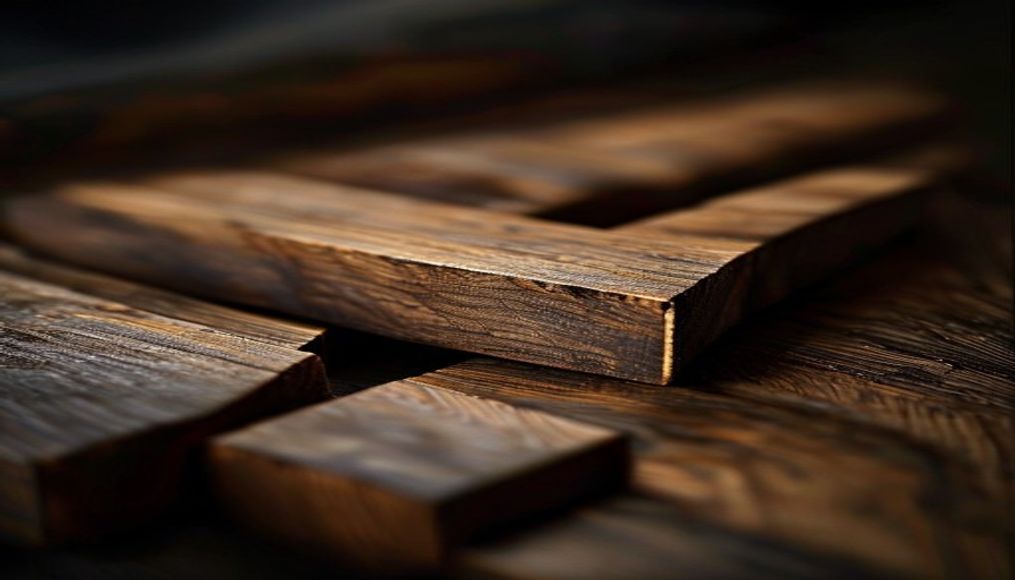
Sawdust and wood shavings are residues generated during wood processing activities such as sawing, planing, and sanding. Wood shavings are coarse, ribbon-like pieces produced by planing, while sawdust is fine and powdery, resulting from cutting and sanding. Their characteristics depend on the wood species, cut type, and moisture content.
Industrially, these byproducts are used to manufacture particleboard, MDF (medium-density fibreboard), biomass briquettes, and wood pellets for heating. In agriculture, shavings serve as animal bedding for horses and poultry, absorbing moisture and odor. Sawdust is used in gardening as mulch, retaining soil moisture and suppressing weeds.
In fine art, sawdust and shavings appear in sculptures, collages, and photography. Artists arrange the residues into abstract patterns and textures, often photographed with controlled lighting to highlight detail. This aligns with "wave-pollinations," an artistic movement blending nature and craft.
Historically, wood waste reuse expanded during the Industrial Revolution with mass furniture and construction production. Today, recycling these residues supports circular economy policies, reducing landfill volume and demand for virgin wood. Brazil's timber industry generates about 30 million tons of waste annually, with increasing recovery rates.
Notably, sawdust was used as fuel for steam locomotives in the 19th century. It is still burned in boilers for energy. Sawdust from aromatic woods like cedar is valued for fragrance and insect-repellent properties.
Frequently Asked Questions
What are the main uses of wood shavings and sawdust?
Main uses include animal bedding (horses, poultry), raw material for engineered wood (MDF, particleboard), biomass briquettes and pellets for energy, garden mulch, and artistic material.
Is sawdust biodegradable?
Yes, both sawdust and wood shavings are biodegradable, composed of cellulose and lignin. Under proper moisture and aeration, they decompose naturally within months to years.
How is sawdust used in fine art photography?
Artists create abstract compositions by arranging sawdust and shavings on flat surfaces, emphasizing texture, color, and shadow. Directional lighting highlights relief, producing images that evoke landscapes or organic patterns without depicting recognizable objects.
Direct URL
https://pub-c7d6a6ea828543ac903a74a341ccb2e1.r2.dev/imagens/sawdust-wood-shavings-fine-art-photography-p1.avifHow to credit
Include a visible link back to UtilizAí. Copy one of the snippets below:
<a href="https://xn--utiliza-eza.com/en/midia/imagens/sawdust-wood-shavings-fine-art-photography-p1">Sawdust wood shavings</a> by <a href="https://xn--utiliza-eza.com">UtilizAí</a>, licensed under <a href="https://creativecommons.org/licenses/by/4.0/">CC BY 4.0</a>.
[Sawdust wood shavings](https://xn--utiliza-eza.com/en/midia/imagens/sawdust-wood-shavings-fine-art-photography-p1) by [UtilizAí](https://xn--utiliza-eza.com), CC BY 4.0
License: CC-BY-4.0