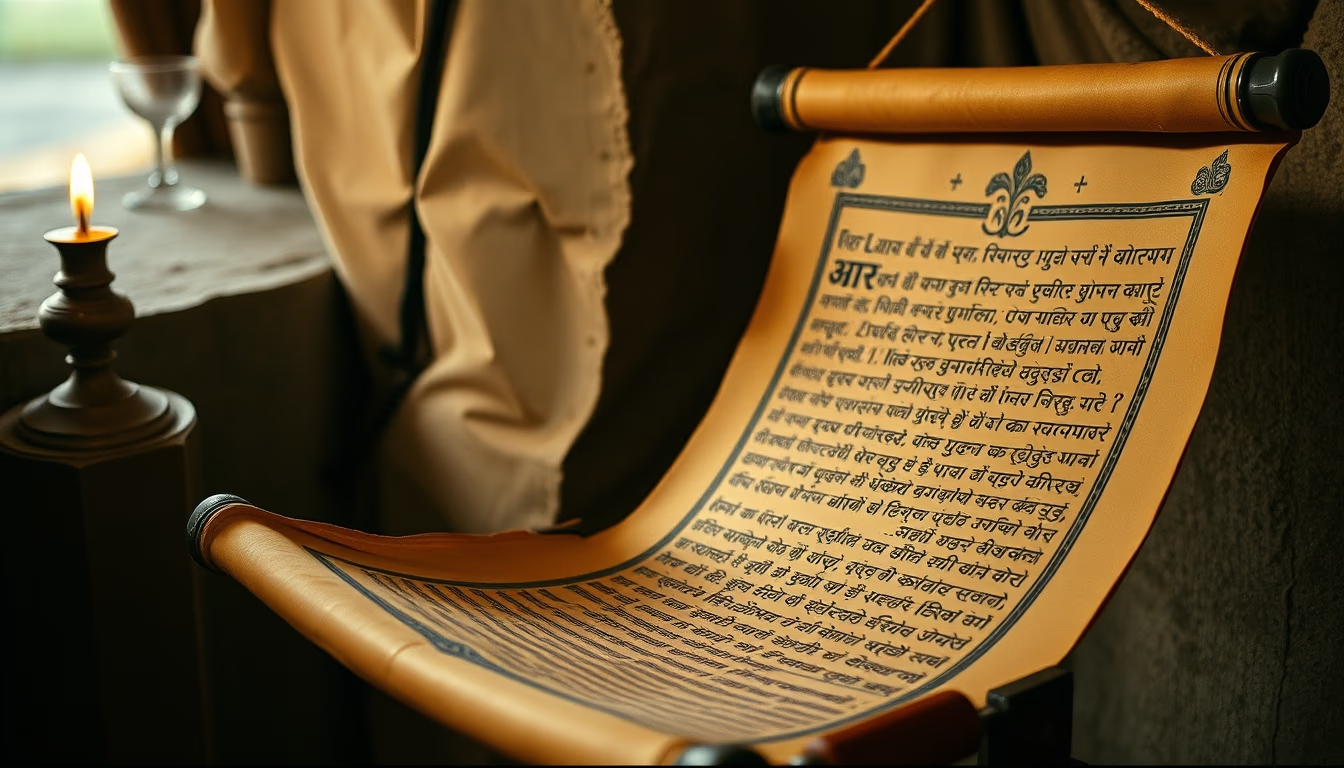
Sanskrit ancient scroll
1344×768 · AVIF · CC BY 4.0
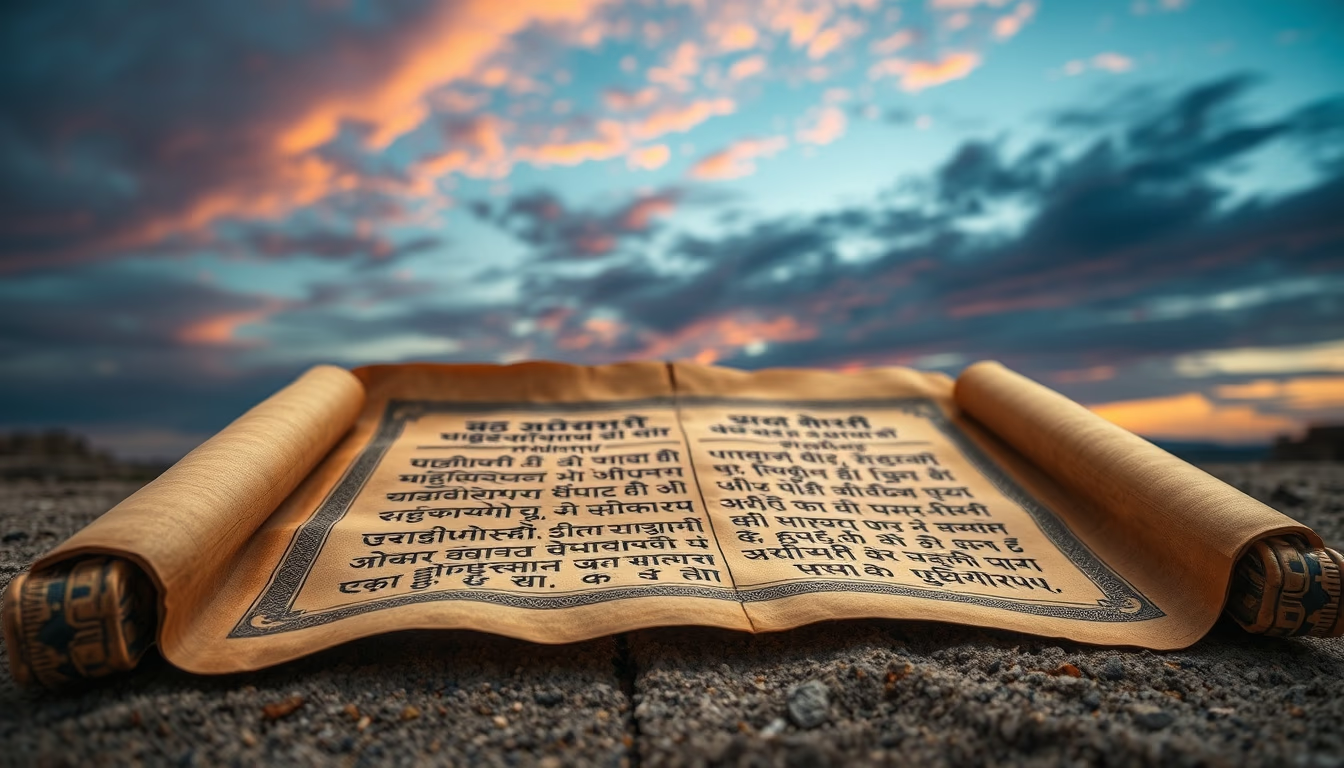
Sanskrit manuscripts on palm leaf or paper scrolls are ancient records of Indian culture, containing religious, philosophical, and scientific texts.
About this subject
The tradition of Sanskrit manuscripts dates back over two millennia, with the earliest known examples from the 1st century BCE. These scrolls, often made from treated palm leaves or bark paper, were the primary medium for transmitting knowledge in ancient India. Texts ranged from the Vedas, the sacred scriptures of Hinduism, to treatises on grammar, Ayurveda medicine, mathematics, and astronomy.
Sanskrit calligraphy is noted for its precision and aesthetic beauty. The most common script is Devanagari, but regional variations like Grantha were also used. Many manuscripts are illuminated with colorful miniatures, especially those related to Buddhism and Jainism. Preservation is a challenge due to India's humid climate, but libraries like the Saraswati Mahal in Thanjavur and the National Library in Kolkata house vast collections.
Beyond religious value, Sanskrit manuscripts are primary sources for studying India's intellectual history. They document the development of logic, poetry, and philosophy. The discovery of the Yoga Sutra manuscript by Patanjali, for instance, revolutionized understanding of ancient yoga. Today, digitization projects like the Cambridge Sanskrit Manuscripts Project make these texts globally accessible.
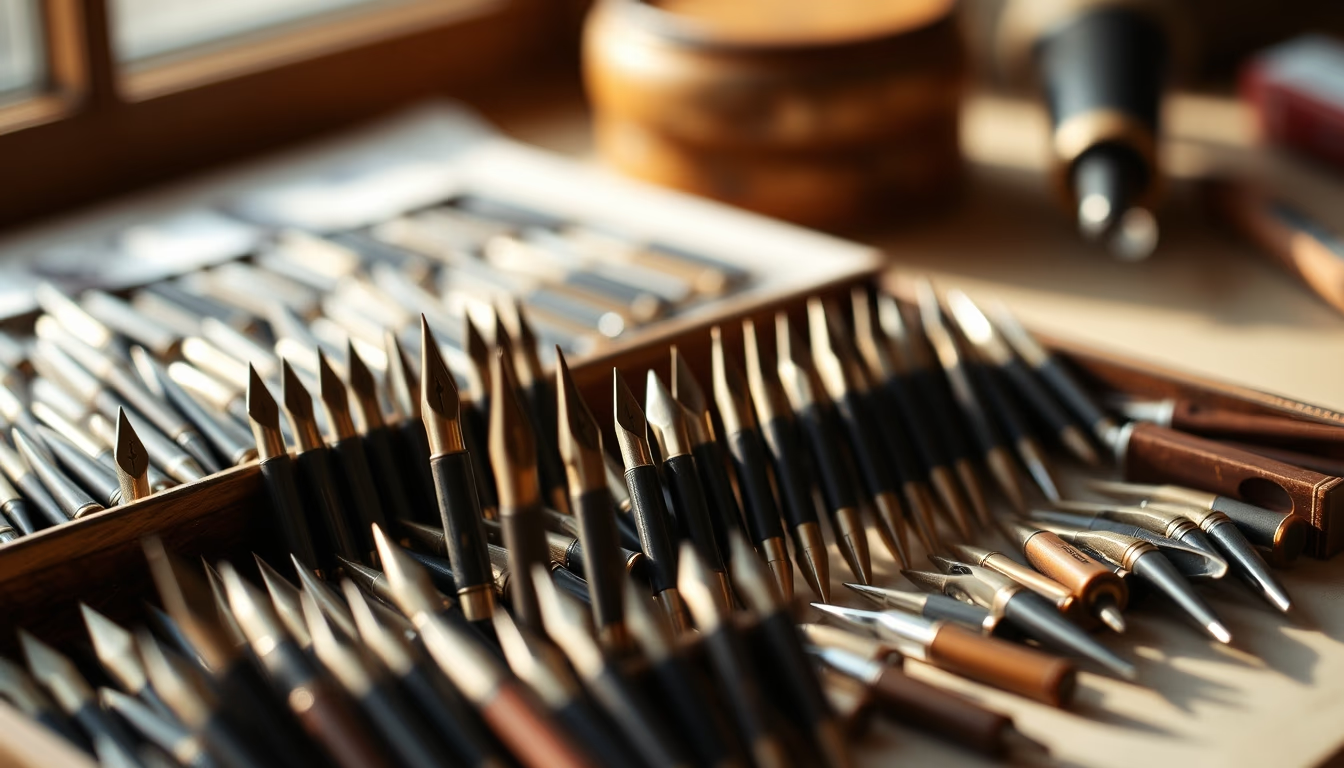
The art of writing in Sanskrit involves specific techniques, such as using soot-based ink and metal styluses to engrave palm leaves. The scroll was then tied with cords and stored in wooden boxes. This tradition survives in some scholarly communities, who continue to produce and copy manuscripts by hand.
Frequently Asked Questions
What are Sanskrit manuscripts?
They are documents written in Sanskrit, the classical language of India, usually on palm leaves or paper, containing religious, philosophical, scientific and literary texts.
How were these manuscripts produced?
They were handwritten with soot-based ink or engraved with styluses on treated palm leaves. The leaves were perforated and tied with cords to form a scroll.
Why are Sanskrit manuscripts important today?
They are primary sources for studying Indian intellectual history and the evolution of Hinduism, Buddhism, and Jainism. Digitization projects ensure their preservation and global access.
Direct URL
https://pub-c7d6a6ea828543ac903a74a341ccb2e1.r2.dev/imagens/sanskrit-ancient-scroll-long-exposure-fresh1.avifHow to credit
Include a visible link back to UtilizAí. Copy one of the snippets below:
<a href="https://xn--utiliza-eza.com/en/midia/imagens/sanskrit-ancient-scroll-long-exposure-fresh1">Sanskrit ancient scroll</a> by <a href="https://xn--utiliza-eza.com">UtilizAí</a>, licensed under <a href="https://creativecommons.org/licenses/by/4.0/">CC BY 4.0</a>.
[Sanskrit ancient scroll](https://xn--utiliza-eza.com/en/midia/imagens/sanskrit-ancient-scroll-long-exposure-fresh1) by [UtilizAí](https://xn--utiliza-eza.com), CC BY 4.0
License: CC-BY-4.0