Sandstone red layered
1344×768 · AVIF · CC BY 4.0
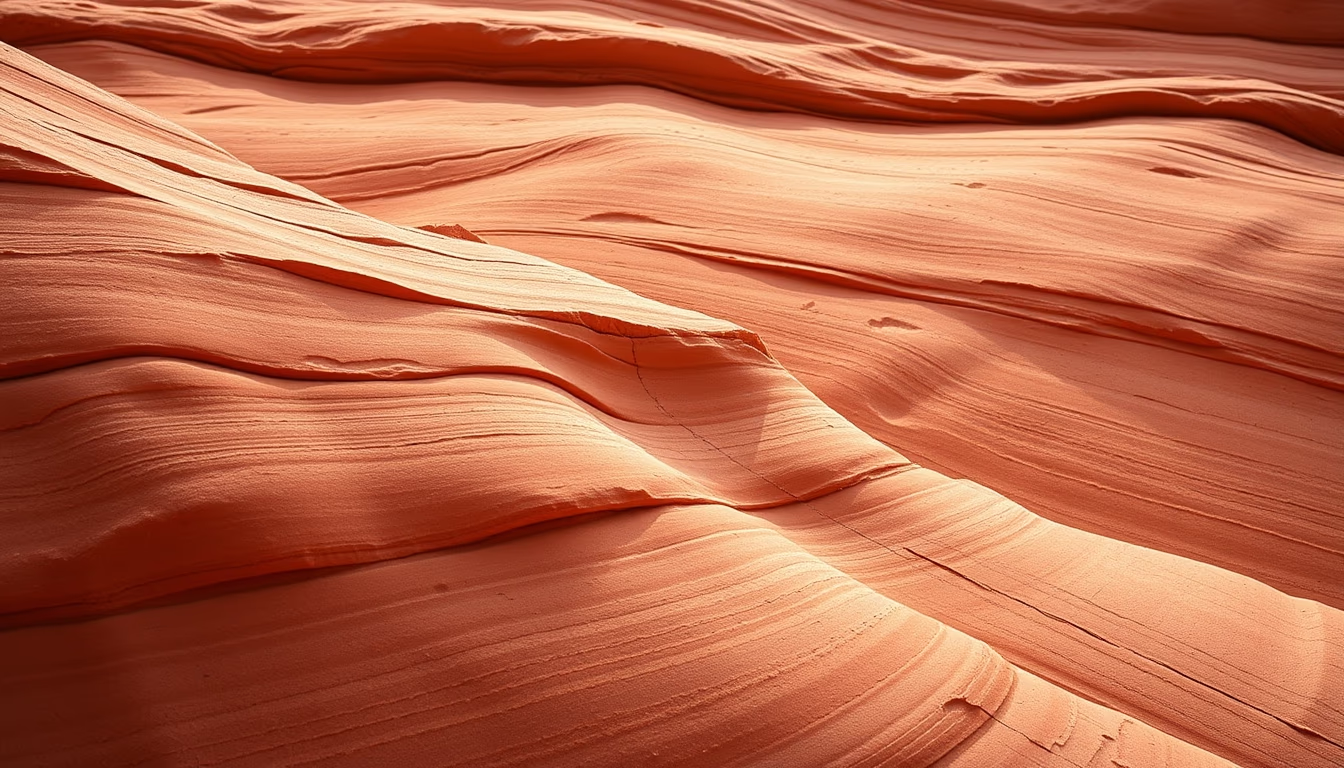
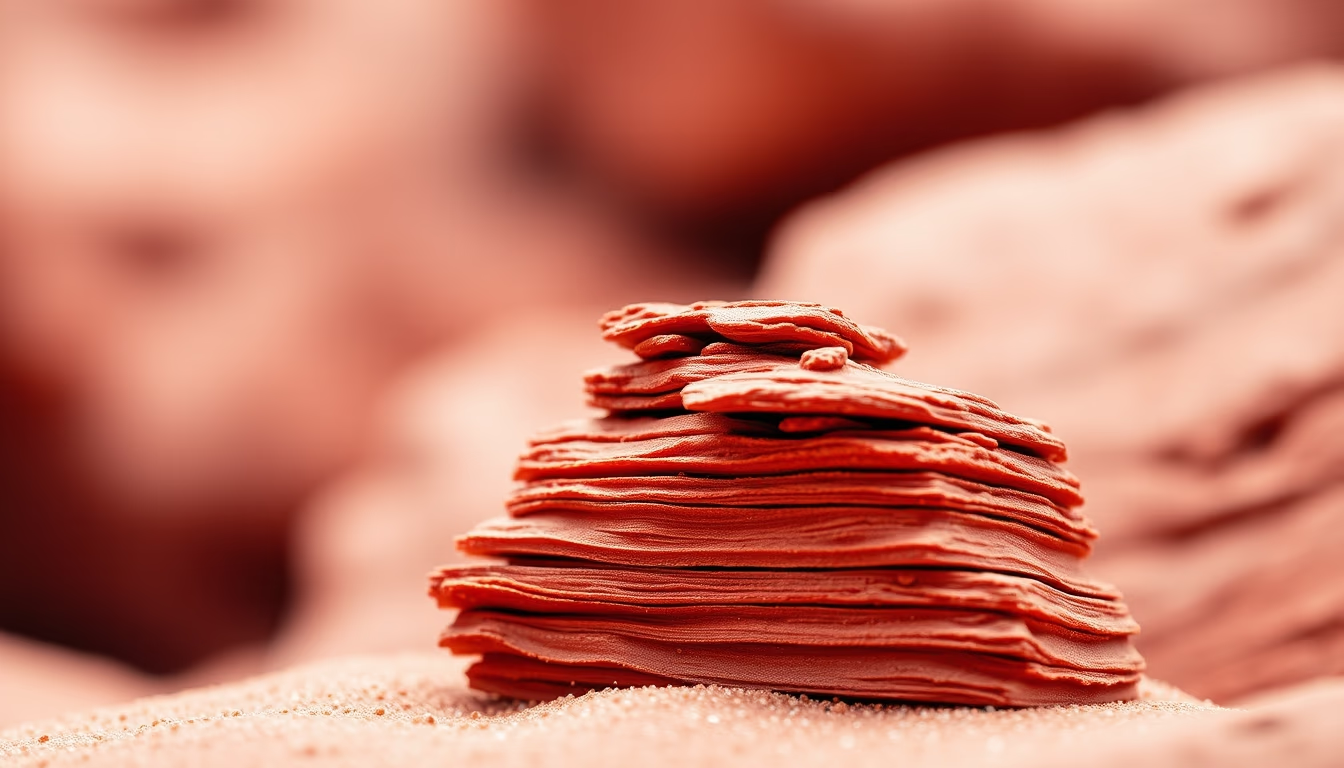
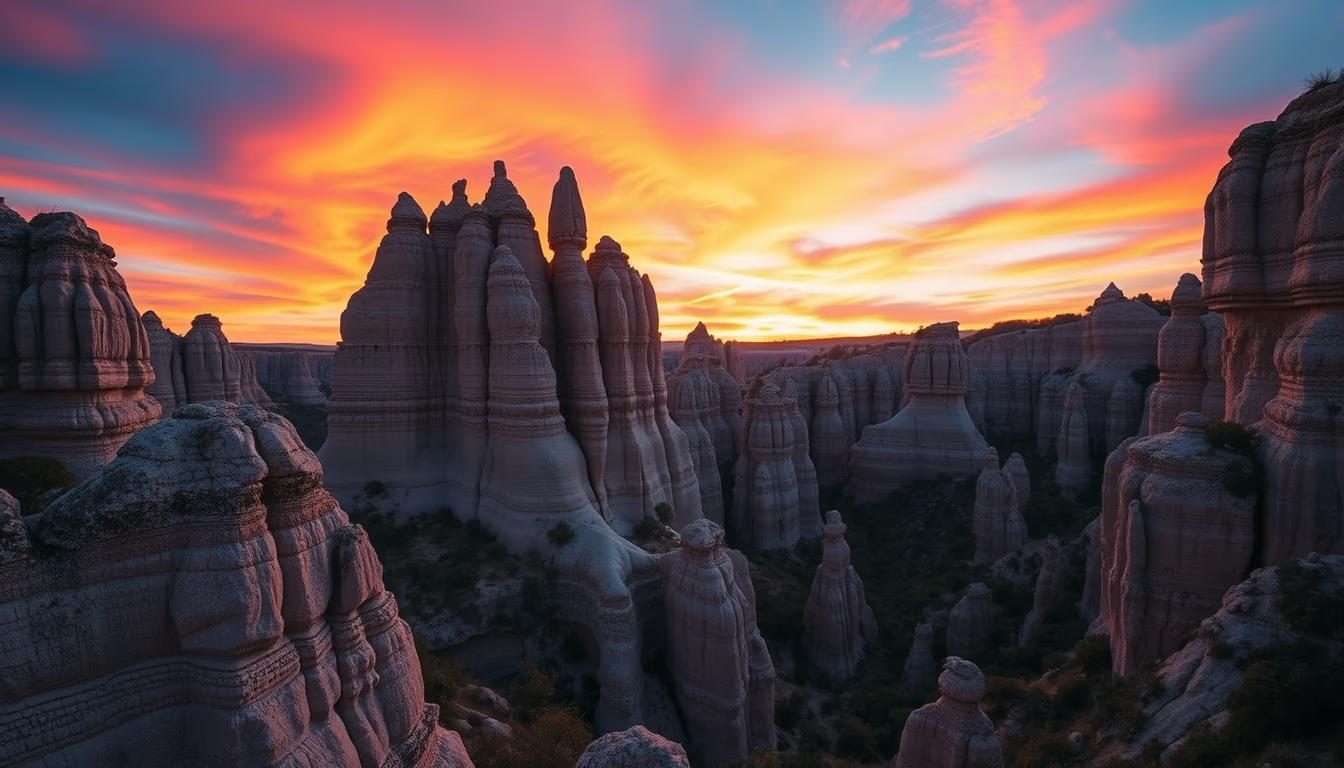
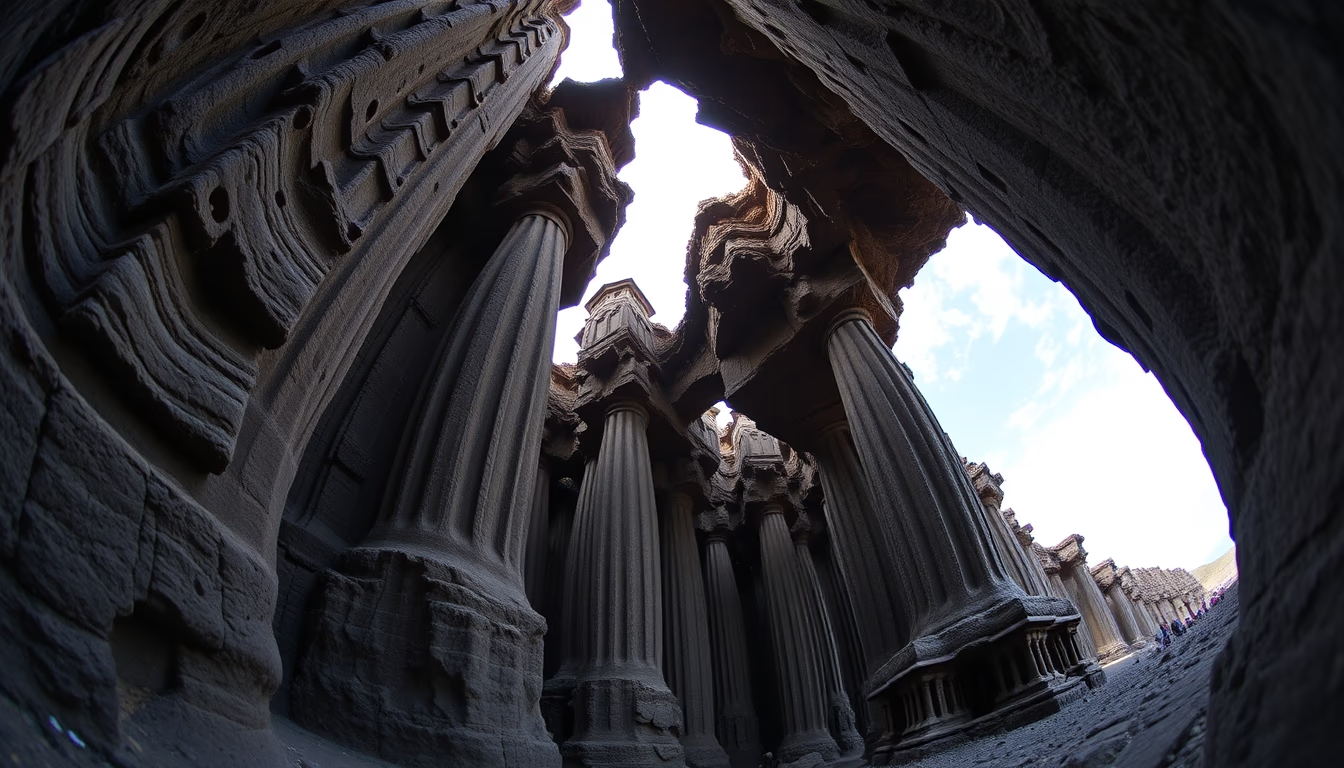
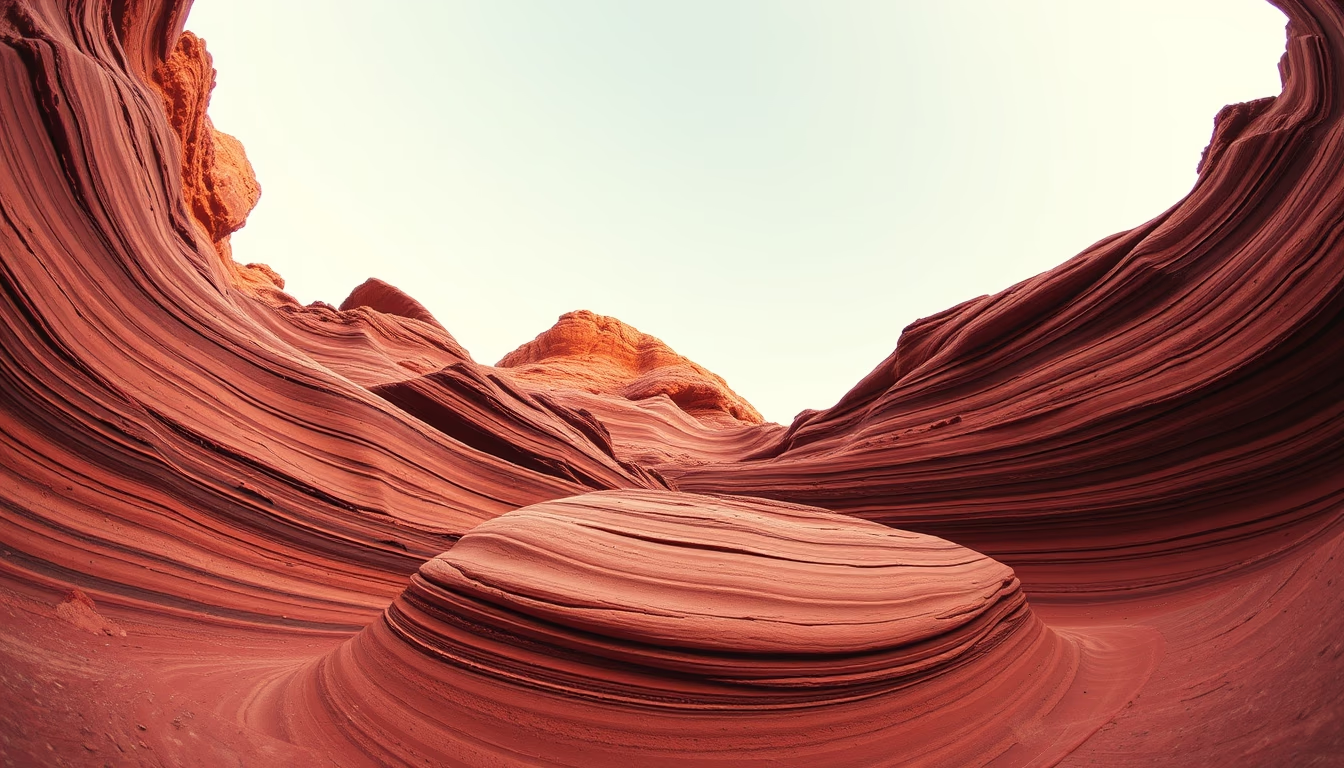
Camadas vermelhas de arenito revelam milhões de anos de história geológica em formações rochosas que combinam arte e natureza.
Sobre o tema
O arenito é uma rocha sedimentar formada pela compactação de grãos de areia ao longo de milênios. Suas camadas vermelhas características resultam da presença de óxido de ferro, especialmente hematita, que se deposita entre os grãos durante o processo de diagênese. A coloração intensa indica ambientes antigos ricos em oxigênio, como desertos ou leitos de rios sazonais. No Brasil, formações notáveis de arenito avermelhado incluem os cânions do Rio Grande do Sul, como o Itaimbezinho, e os paredões do Parque Nacional da Serra da Capivara, no Piauí, que também abrigam sítios arqueológicos com pinturas rupestres. Em escala global, locais como o Antelope Canyon, nos Estados Unidos, e as paisagens de Wadi Rum, na Jordânia, exibem camadas espetaculares esculpidas pela erosão. O padrão de camadas paralelas, frequentemente inclinadas ou onduladas, reflete variações na direção do vento ou da água no momento da deposição.
A composição minimalista de imagens que focam nas camadas vermelhas do arenito tem ganhado destaque em fotografia de arte e design de interiores. A simplicidade das linhas horizontais e o contraste de tons terrosos criam uma sensação de calma e profundidade. Essas formações são frequentemente utilizadas como inspiração para texturas em revestimentos e estampas. Além disso, o arenito é uma rocha amplamente empregada na construção civil, desde fachadas até calçamentos, devido à sua durabilidade e apelo estético. No entanto, a exploração deve ser sustentável para preservar sítios geológicos únicos.
A formação de arenito vermelho também está associada a períodos geológicos específicos, como o Permiano e o Triássico, quando grandes desertos cobriam partes dos continentes. Fósseis de dinossauros e pegadas são comuns em camadas de arenito, fornecendo pistas sobre ecossistemas antigos. No Brasil, a Bacia do Paraná abriga extensos depósitos de arenito da Formação Botucatu, que se estendem por milhões de anos. A combinação de cor e textura faz do arenito vermelho um tema favorito para fotógrafos que buscam capturar a beleza natural em sua forma mais pura, realçada pela luz rasante que acentua as camadas.
Para apreciar plenamente as nuances das camadas de arenito, recomenda-se visitar áreas protegidas ao amanhecer ou ao entardecer, quando a luz solar baixa destaca as saliências e depressões. Fotografias minimalistas desse tema são valorizadas em galerias e plataformas de stock, pois transmitem uma sensação de atemporalidade e ordem natural. O estudo dessas estruturas auxilia geólogos a entender mudanças climáticas passadas e a prever comportamentos de reservatórios de petróleo, já que o arenito é uma importante rocha reservatório.
Perguntas frequentes
O que causa a coloração vermelha nas camadas de arenito?
A coloração vermelha é causada pela presença de óxido de ferro, principalmente hematita, que se deposita entre os grãos de areia durante a formação da rocha. Esse processo ocorre em ambientes ricos em oxigênio, como desertos e leitos de rios sazonais.
Onde encontrar formações de arenito com camadas vermelhas no Brasil?
No Brasil, destacam-se os cânions do Rio Grande do Sul, como o Itaimbezinho, e os paredões do Parque Nacional da Serra da Capivara, no Piauí. Outras áreas incluem a Chapada Diamantina e o Parque Nacional dos Lençóis Maranhenses, onde o arenito aparece em dunas fossilizadas.
Por que o arenito vermelho é popular em fotografia minimalista?
As linhas horizontais e o contraste de tons terrosos do arenito vermelho criam composições simples e harmoniosas. A luz rasante realça as camadas, gerando padrões abstratos que transmitem calma e profundidade, ideais para estilos minimalistas.
URL direta
https://pub-c7d6a6ea828543ac903a74a341ccb2e1.r2.dev/imagens/sandstone-red-layered-minimalist-composition-fresh5.avifComo creditar
Inclua um link visível de volta pro UtilizAí. Copie um dos snippets abaixo:
<a href="https://xn--utiliza-eza.com/midia/imagens/sandstone-red-layered-minimalist-composition-fresh5">Sandstone red layered</a> by <a href="https://xn--utiliza-eza.com">UtilizAí</a>, licensed under <a href="https://creativecommons.org/licenses/by/4.0/">CC BY 4.0</a>.
[Sandstone red layered](https://xn--utiliza-eza.com/midia/imagens/sandstone-red-layered-minimalist-composition-fresh5) by [UtilizAí](https://xn--utiliza-eza.com), CC BY 4.0
Licença: CC-BY-4.0