Sandstone red layered
1344×768 · AVIF · CC BY 4.0
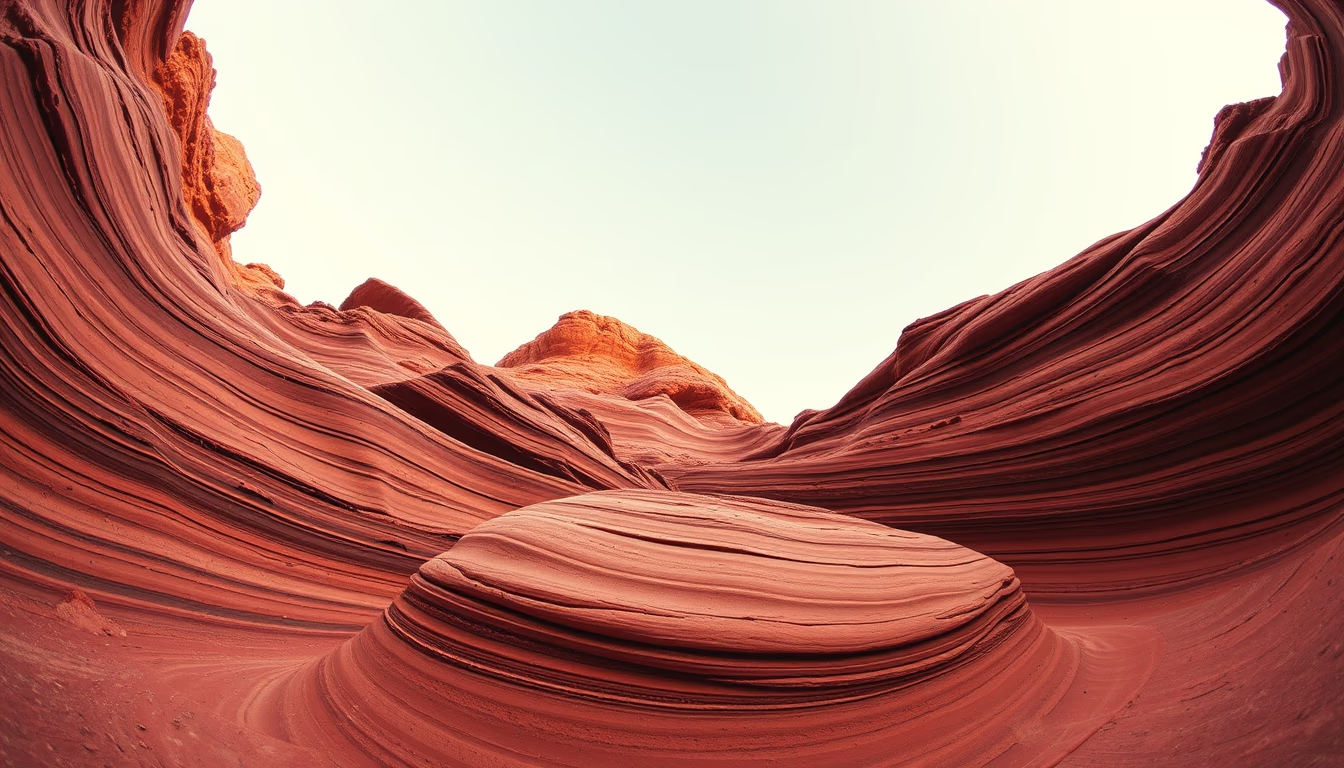
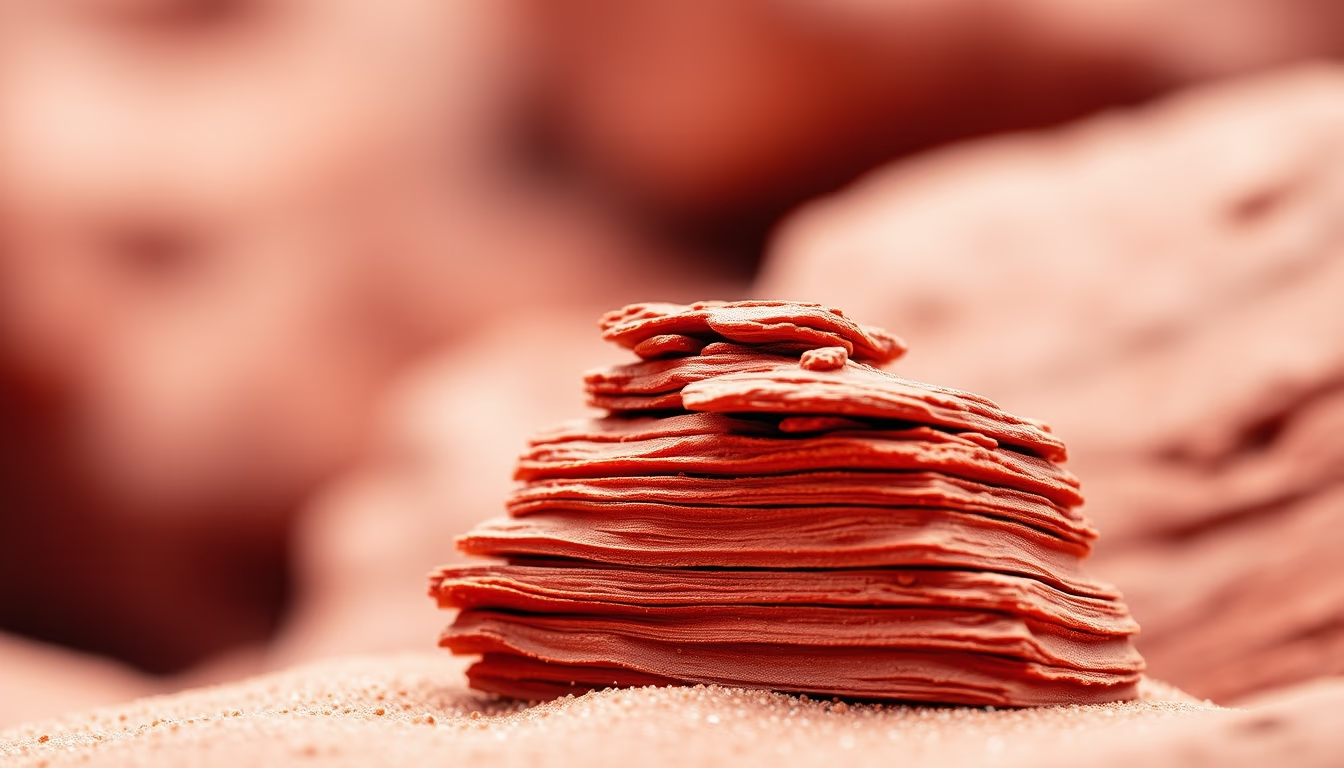
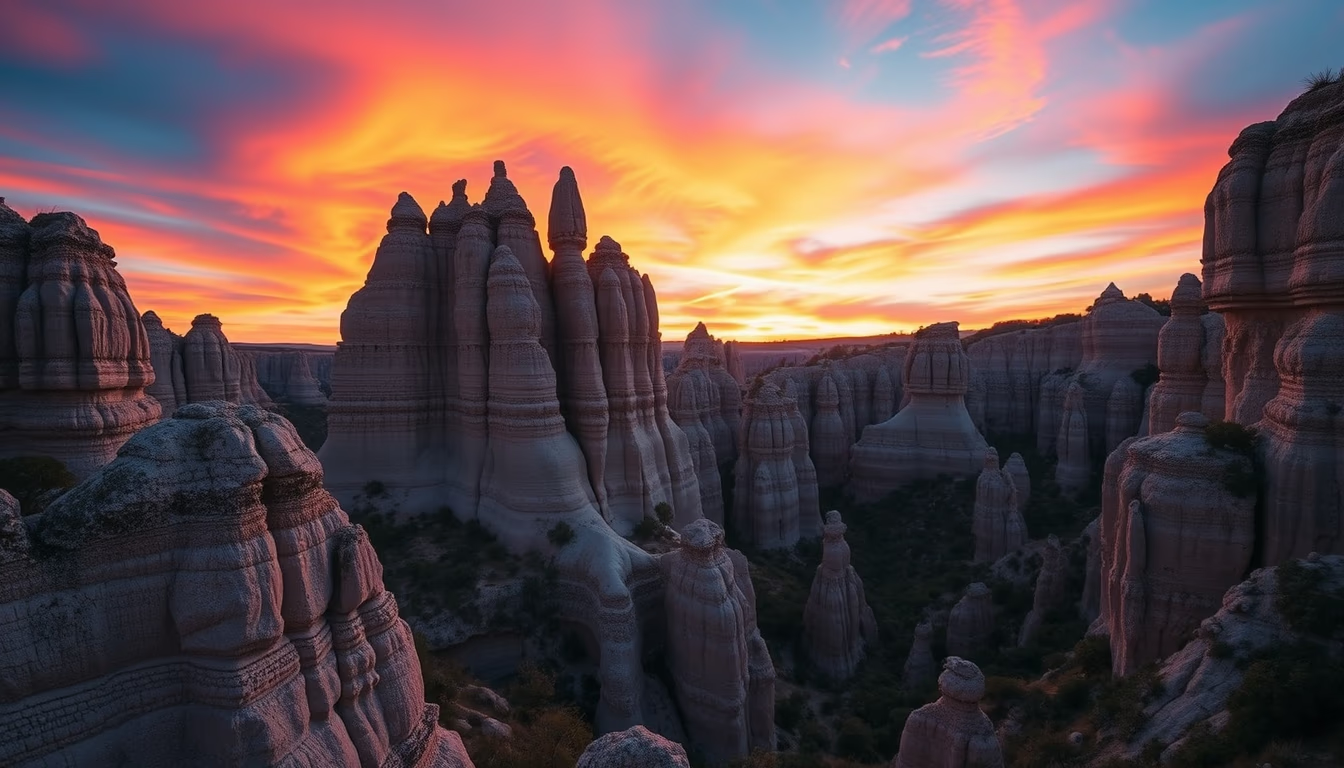
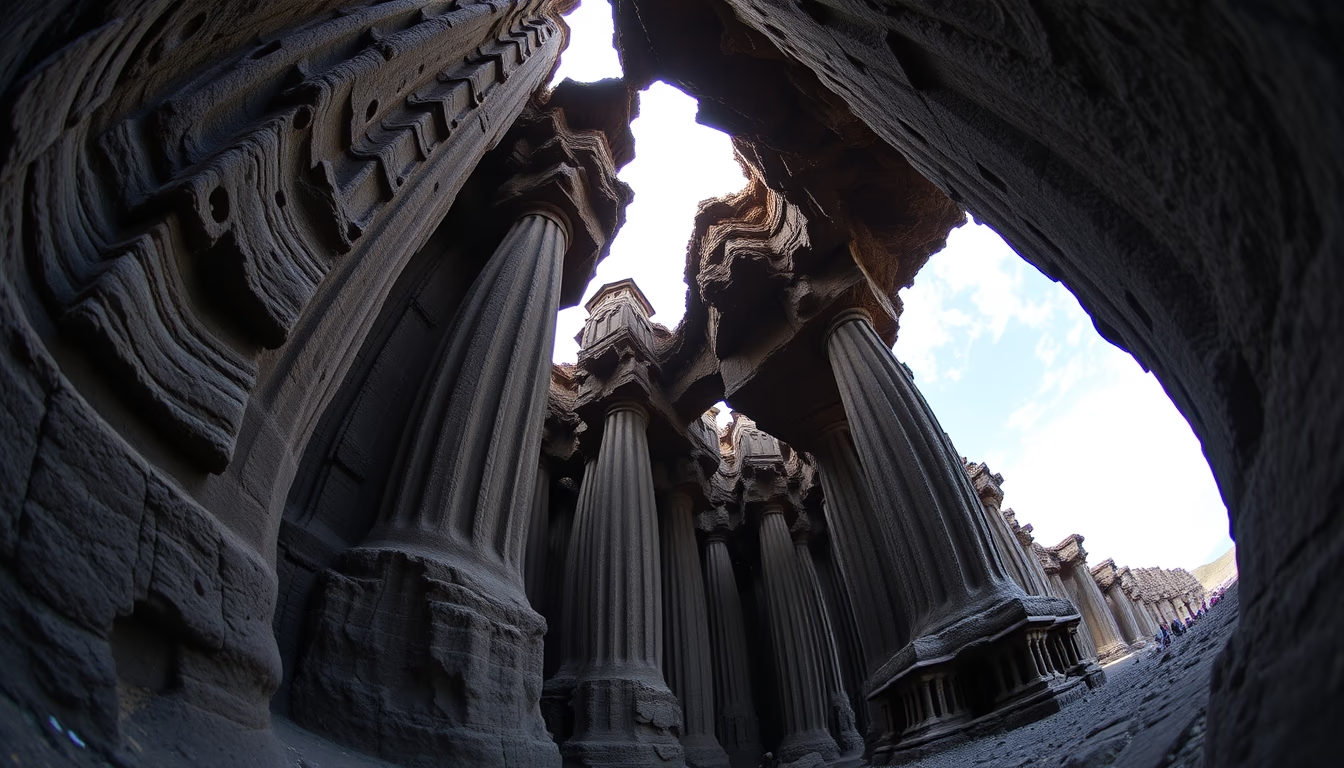
O arenito vermelho em camadas é uma rocha sedimentar formada pela deposição de areia rica em óxido de ferro, criando paisagens de tirar o fôlego em todo o mundo.
Sobre o tema
O arenito vermelho em camadas é um tipo de rocha sedimentar clástica, composta principalmente por grãos de quartzo cimentados por minerais como hematita e calcita. Sua coloração avermelhada característica vem da presença de óxido de ferro, que se acumula durante a diagênese em ambientes oxidantes. As camadas horizontais visíveis na rocha, chamadas estratificações cruzadas, registram a direção e a energia dos ventos ou correntes de água que depositaram os sedimentos ao longo de milhões de anos.
A formação do arenito vermelho ocorre tipicamente em desertos antigos, planícies de maré ou ambientes deltaicos. Um exemplo notável é o Parque Nacional de Zion, nos Estados Unidos, onde o arenito Navajo exibe imponentes falésias laranja-avermelhadas. No Brasil, formações similares são encontradas na Chapada Diamantina, na Bahia, e na região de Sete Cidades, no Piauí, com rochas que datam do período Devoniano ao Triássico.
Essas rochas não são apenas belas, mas também importantes arquivos paleoambientais. As camadas podem preservar marcas de ondas, fósseis de dunas e até pegadas de dinossauros. A porosidade do arenito vermelho o torna um bom aquífero e reservatório de petróleo em algumas bacias sedimentares. Além disso, a rocha é amplamente usada na construção civil como pedra natural para revestimentos e calçamentos.
Uma curiosidade: o famoso "Monte Uluru", na Austrália, é um monólito de arenito rico em feldspato que muda de cor ao longo do dia conforme a luz solar incide sobre suas camadas. Já no Brasil, a Pedra Furada, no Parque Nacional da Serra da Capivara, é uma formação em arenito que testemunha a ocupação humana pré-histórica.
Perguntas frequentes
Qual a diferença entre arenito e quartzito?
O arenito é uma rocha sedimentar formada pela compactação e cimentação de grãos de areia. O quartzito é uma rocha metamórfica que se origina do arenito submetido a altas pressões e temperaturas, onde os grãos de quartzo se recristalizam, tornando a rocha mais dura e homogênea.
Onde posso encontrar formações de arenito vermelho no Brasil?
No Brasil, destacam-se a Chapada Diamantina (BA) com seus cânions de arenito avermelhado, o Parque Nacional da Serra da Capivara (PI) com formações em tons de vermelho e laranja, e a região de Sete Cidades (PI) com estruturas rochosas esculpidas pelo vento.
Como as camadas do arenito vermelho se formam?
As camadas se formam pela deposição sucessiva de sedimentos em ambientes como desertos ou leitos de rios. A cor vermelha vem do óxido de ferro presente nos grãos, que se oxida em contato com o ar. Cada camada representa um evento de deposição, geralmente associado a mudanças climáticas ou sazonais.
URL direta
https://pub-c7d6a6ea828543ac903a74a341ccb2e1.r2.dev/imagens/sandstone-red-layered-fish-eye-wide-angle-fresh17.avifComo creditar
Inclua um link visível de volta pro UtilizAí. Copie um dos snippets abaixo:
<a href="https://xn--utiliza-eza.com/midia/imagens/sandstone-red-layered-fish-eye-wide-angle-fresh17">Sandstone red layered</a> by <a href="https://xn--utiliza-eza.com">UtilizAí</a>, licensed under <a href="https://creativecommons.org/licenses/by/4.0/">CC BY 4.0</a>.
[Sandstone red layered](https://xn--utiliza-eza.com/midia/imagens/sandstone-red-layered-fish-eye-wide-angle-fresh17) by [UtilizAí](https://xn--utiliza-eza.com), CC BY 4.0
Licença: CC-BY-4.0