Salmon farm offshore
1344×768 · AVIF · CC BY 4.0
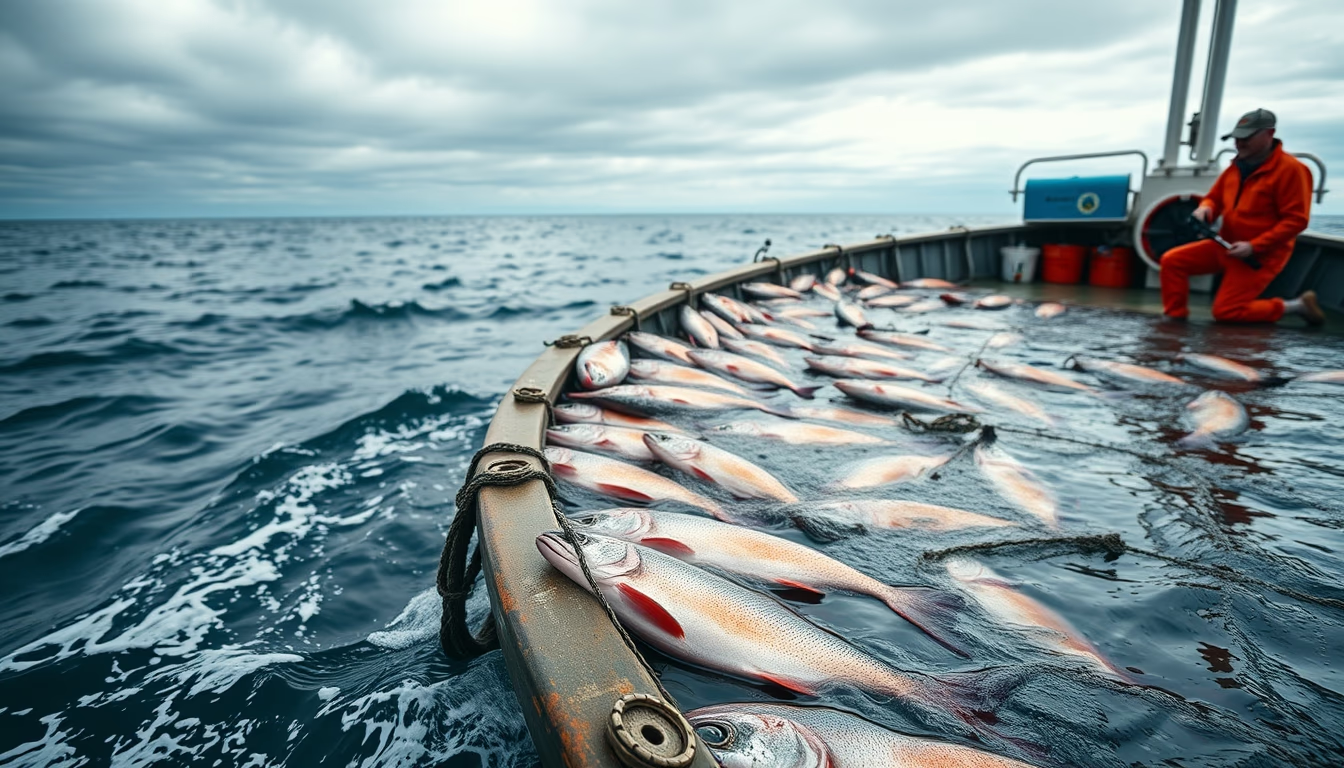
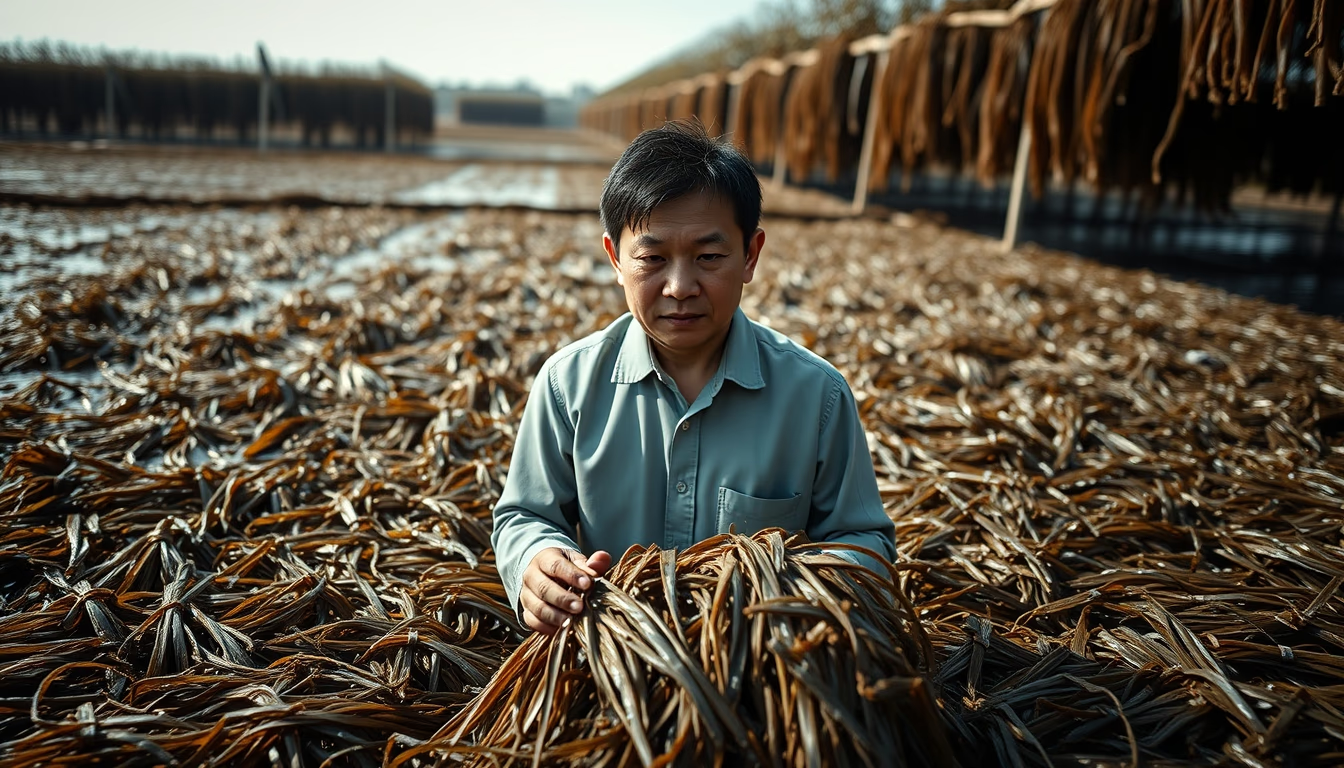
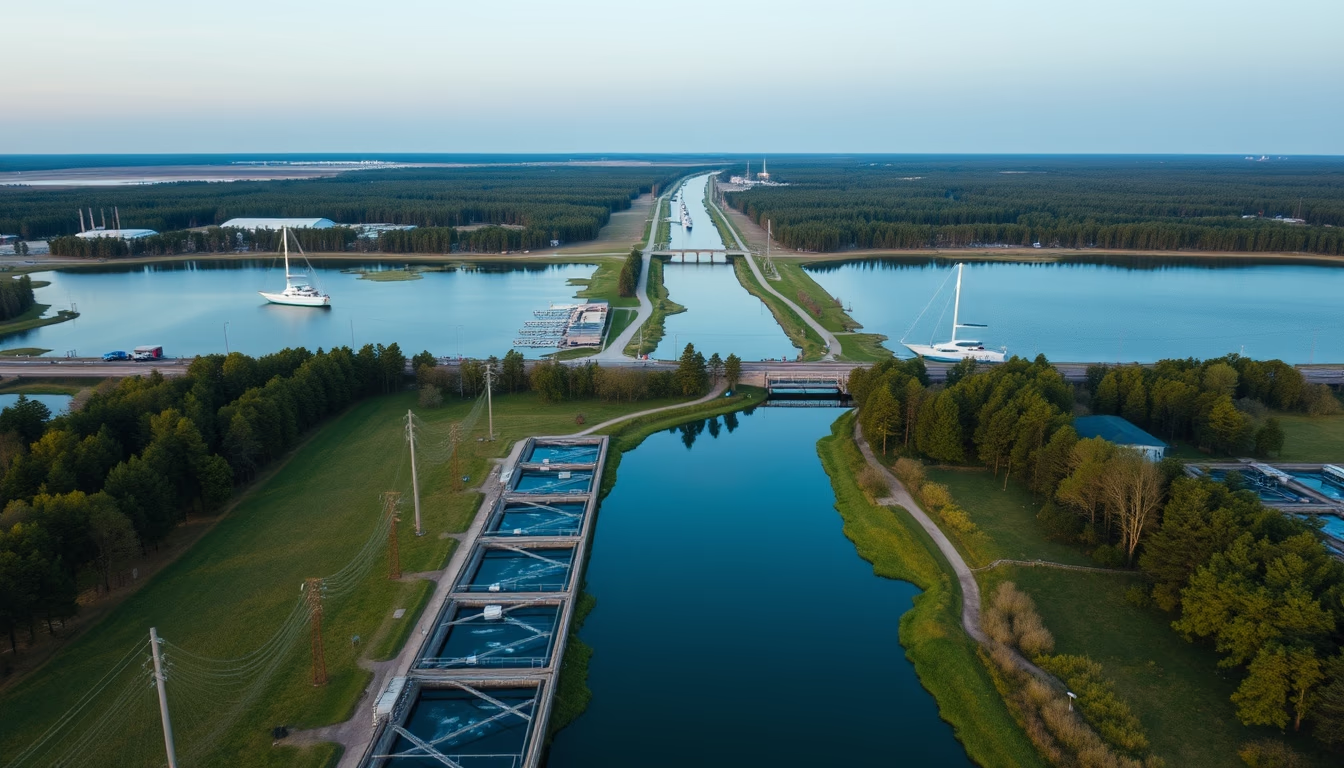
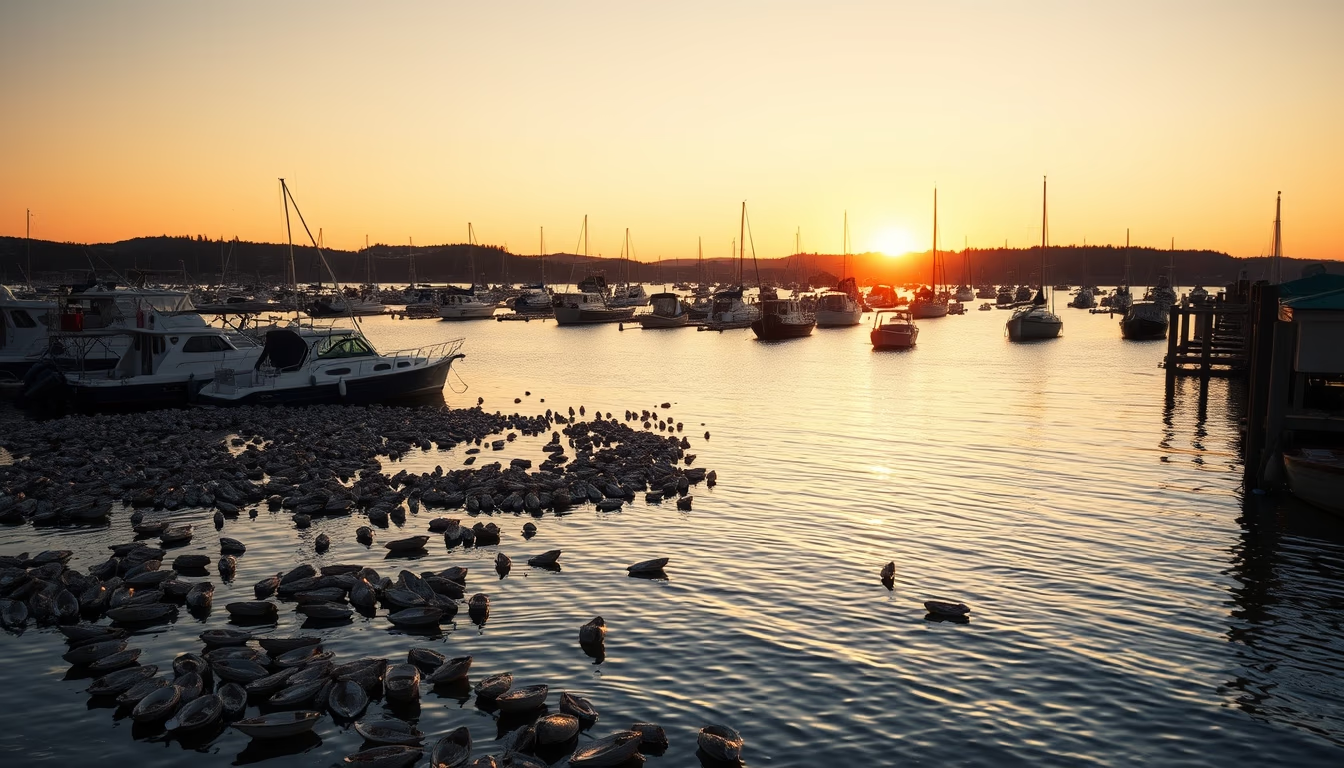
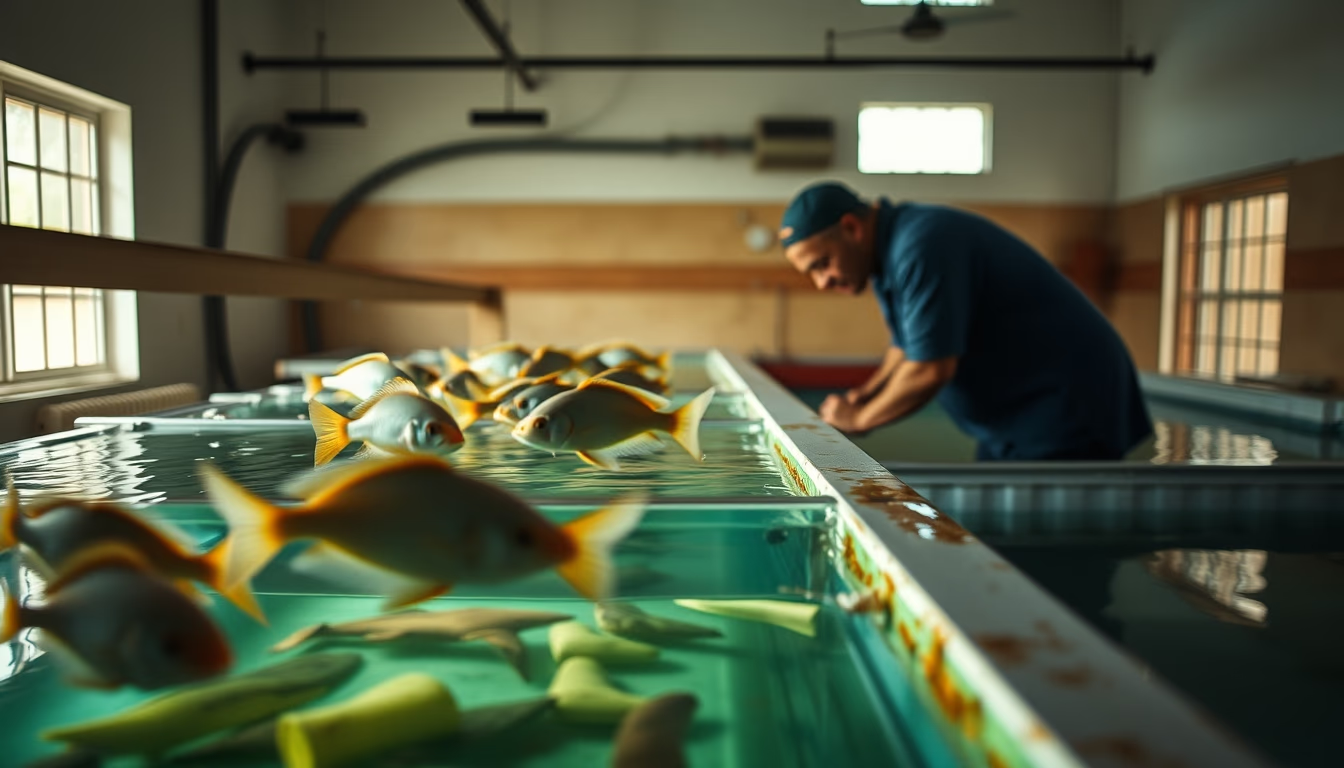
Offshore salmon farming uses submersible platforms in open sea to raise salmon, away from the coast.
About this subject
Offshore salmon farming represents an evolution in aquaculture, shifting salmon production from coastal areas to the open sea. This method uses submersible cages or floating platforms anchored in deep waters, where currents are stronger and depths greater. Countries such as Norway, Chile, and Canada lead this technology, aiming to reduce environmental impacts near the coast, such as waste accumulation and sea lice outbreaks. However, open-sea operations impose severe technical challenges: structures must withstand waves up to 15 meters and extreme winds, requiring robust materials and sophisticated mooring systems.
The offshore system allows greater dilution of waste and lower parasite concentrations, but also introduces risks of large-scale escapes and logistical difficulties for feeding and monitoring. Companies like Ocean Farm in Norway develop circular cages 100 meters in diameter, capable of holding 10,000 tons of fish. These units are equipped with underwater sensors, cameras, and AI-controlled automatic feeders, optimizing growth and reducing losses.
From an environmental perspective, the debate is intense. Studies show that offshore salmon farming can reduce pressure on sensitive coastal ecosystems like fjords and bays, but still faces criticism from NGOs over antibiotic use and the escape of genetically selected fish, which may interbreed with wild populations. The industry argues that escape rates are lower in open seas, and that greater water flow reduces fish stress, improving overall stock health.
In Brazil, offshore salmon farming is still incipient, with pilot projects on the southern coast, especially in Santa Catarina. The country imports about 30,000 tons of salmon annually, mainly from Chile, and domestic production could meet part of that demand. However, the high cost of structures and the lack of specialized labor are significant barriers. Advances in technology are expected to make the activity more viable in the coming years.
Frequently Asked Questions
What are the main advantages of offshore salmon farming compared to coastal farming?
Greater waste dilution, lower sea lice concentrations, and reduced impact on sensitive coastal ecosystems. Stronger currents also improve water quality and fish health.
Which countries lead offshore salmon production?
Norway, Chile, and Canada are at the forefront, with projects like Norway's Ocean Farm. Scotland also has relevant initiatives. The technology is still expensive and limited to a few companies.
Is offshore salmon farming considered sustainable?
Opinions are divided. It reduces coastal impacts but raises concerns about genetic escapes, antibiotic use, and feed derived from wild fish. Certifications like ASC aim to standardize best practices.
Direct URL
https://pub-c7d6a6ea828543ac903a74a341ccb2e1.r2.dev/imagens/salmon-farm-offshore-documentary-nature-style-fresh9.avifHow to credit
Include a visible link back to UtilizAí. Copy one of the snippets below:
<a href="https://xn--utiliza-eza.com/en/midia/imagens/salmon-farm-offshore-documentary-nature-style-fresh9">Salmon farm offshore</a> by <a href="https://xn--utiliza-eza.com">UtilizAí</a>, licensed under <a href="https://creativecommons.org/licenses/by/4.0/">CC BY 4.0</a>.
[Salmon farm offshore](https://xn--utiliza-eza.com/en/midia/imagens/salmon-farm-offshore-documentary-nature-style-fresh9) by [UtilizAí](https://xn--utiliza-eza.com), CC BY 4.0
License: CC-BY-4.0