Runes viking stone
1344×768 · AVIF · CC BY 4.0
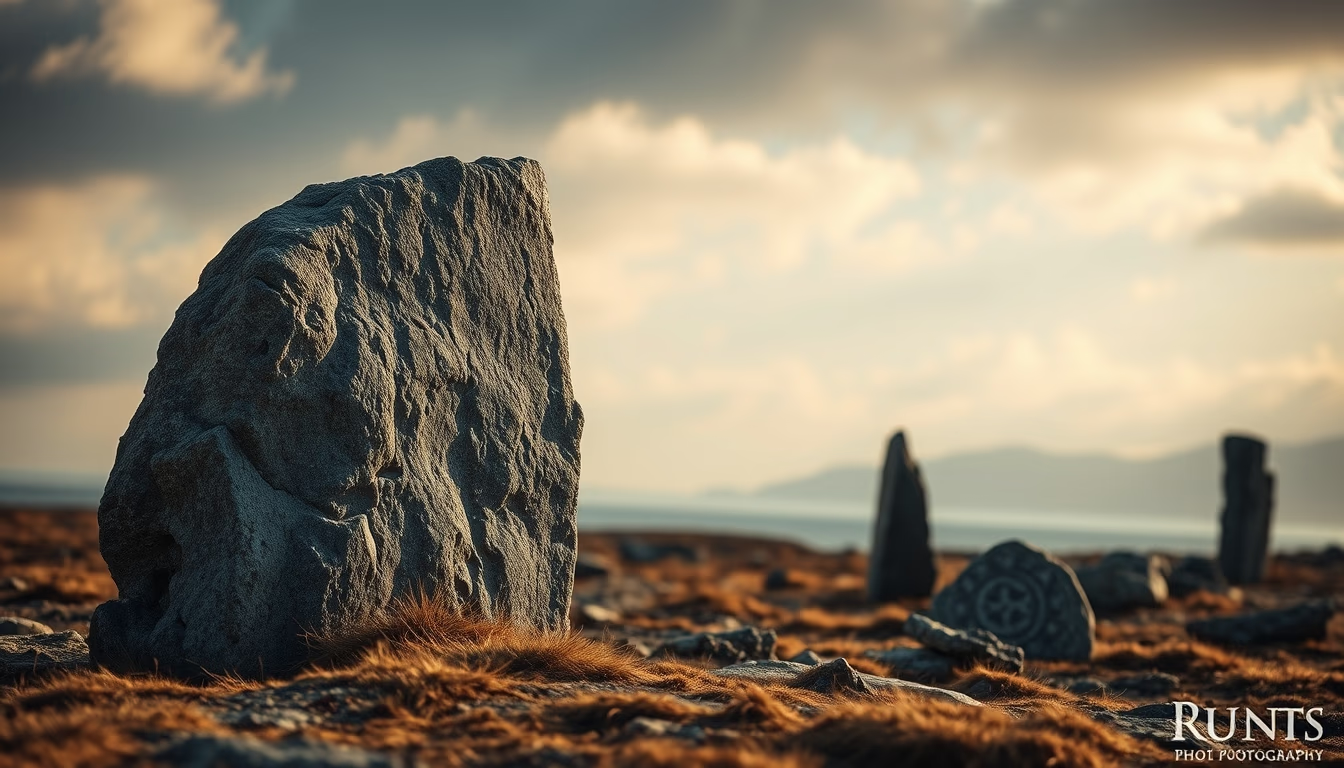
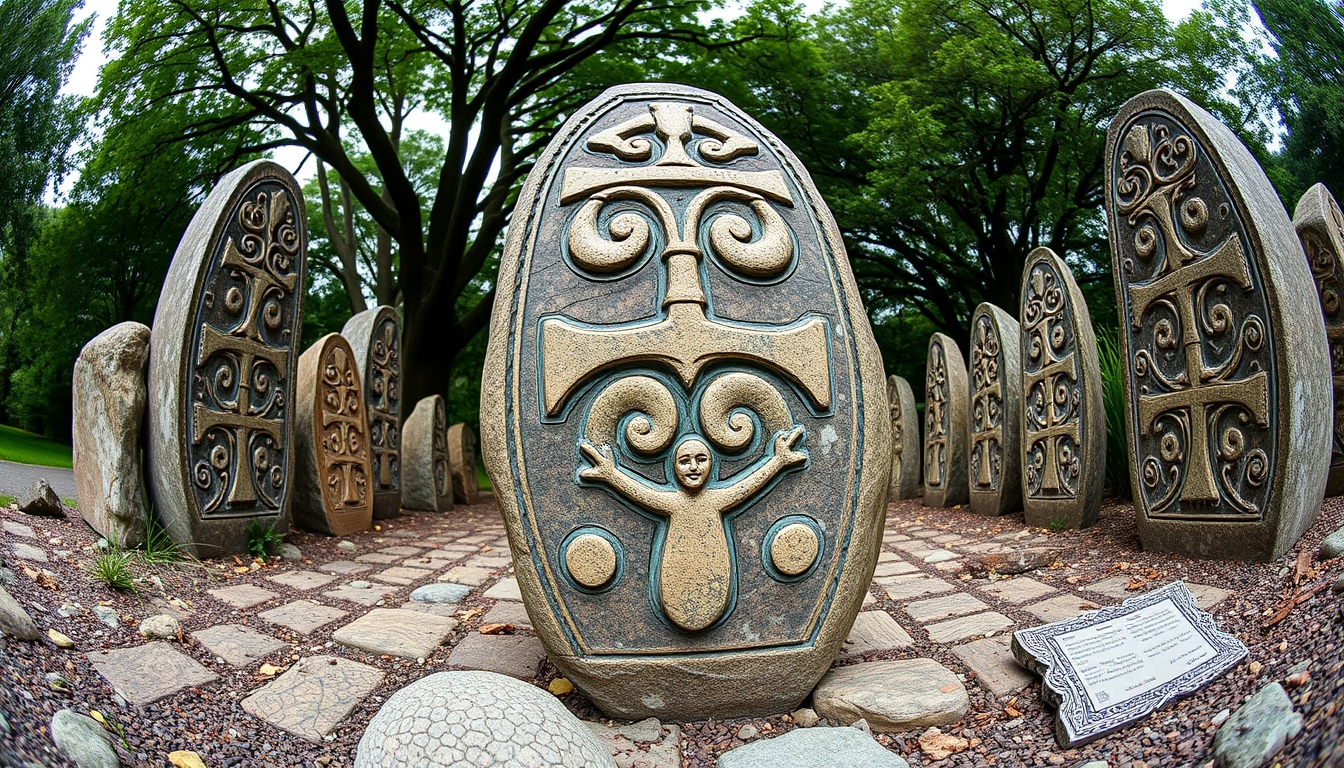
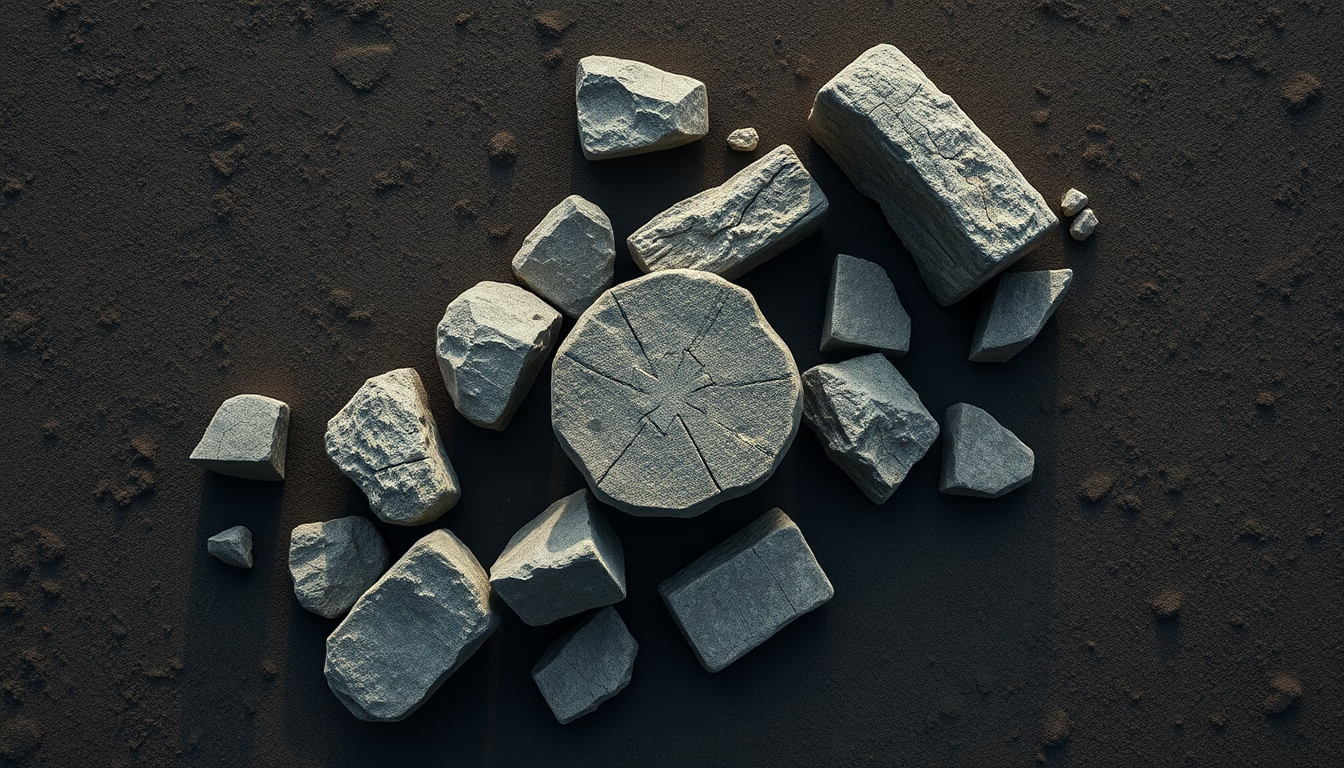
Viking runestones are stone monuments carved with runic inscriptions, erected mainly in Scandinavia during the Viking Age.
About this subject
Viking runestones are enduring testimonies of ancient Norse culture. Spread mainly across Sweden, Denmark, and Norway, these stones were often erected in memory of the deceased, to honor leaders, or to record important events. The tradition began around the 4th century AD but flourished between the 9th and 11th centuries, coinciding with Viking expansion. Over 6,000 runestones have been catalogued, with Sweden having the highest concentration, especially in the region of Uppland.
Inscriptions typically combine runic text with ornamental designs such as dragons, serpents, and mythological figures. The alphabet used, called the Younger Futhark (or Scandinavian Futhark), had 16 characters. Many stones follow standardized formulas: "X raised this stone in memory of Y" or "May God help his soul," reflecting Christian influence after the Christianization of Scandinavia. The Rök runestone in Sweden is one of the most famous examples, bearing the longest known runic inscription, alluding to heroes and battles.
Beyond historical value, runestones provide insights into the language, religion, and society of the Vikings. They are also key sources for studying the transition from Norse paganism to Christianity. Many stones remain in their original locations, while others have been moved to museums. Preservation of these monuments faces challenges from erosion and pollution, but conservation efforts aim to protect these unique records of the Viking Age.
Frequently Asked Questions
What are Viking runestones?
They are stone monuments carved with runic inscriptions, erected mainly in Scandinavia during the Viking Age to honor the deceased, leaders, or record events.
Where are most runestones located?
The highest concentration is in Sweden, especially in Uppland, but many are also found in Denmark and Norway.
Why are runestones historically important?
They provide valuable insights into the language, religion, society, and the transition from paganism to Christianity in medieval Scandinavia.
Direct URL
https://pub-c7d6a6ea828543ac903a74a341ccb2e1.r2.dev/imagens/runes-viking-stone-magazine-editorial-fresh9.avifHow to credit
Include a visible link back to UtilizAí. Copy one of the snippets below:
<a href="https://xn--utiliza-eza.com/en/midia/imagens/runes-viking-stone-magazine-editorial-fresh9">Runes viking stone</a> by <a href="https://xn--utiliza-eza.com">UtilizAí</a>, licensed under <a href="https://creativecommons.org/licenses/by/4.0/">CC BY 4.0</a>.
[Runes viking stone](https://xn--utiliza-eza.com/en/midia/imagens/runes-viking-stone-magazine-editorial-fresh9) by [UtilizAí](https://xn--utiliza-eza.com), CC BY 4.0
License: CC-BY-4.0