Runes viking stone
1344×768 · AVIF · CC BY 4.0
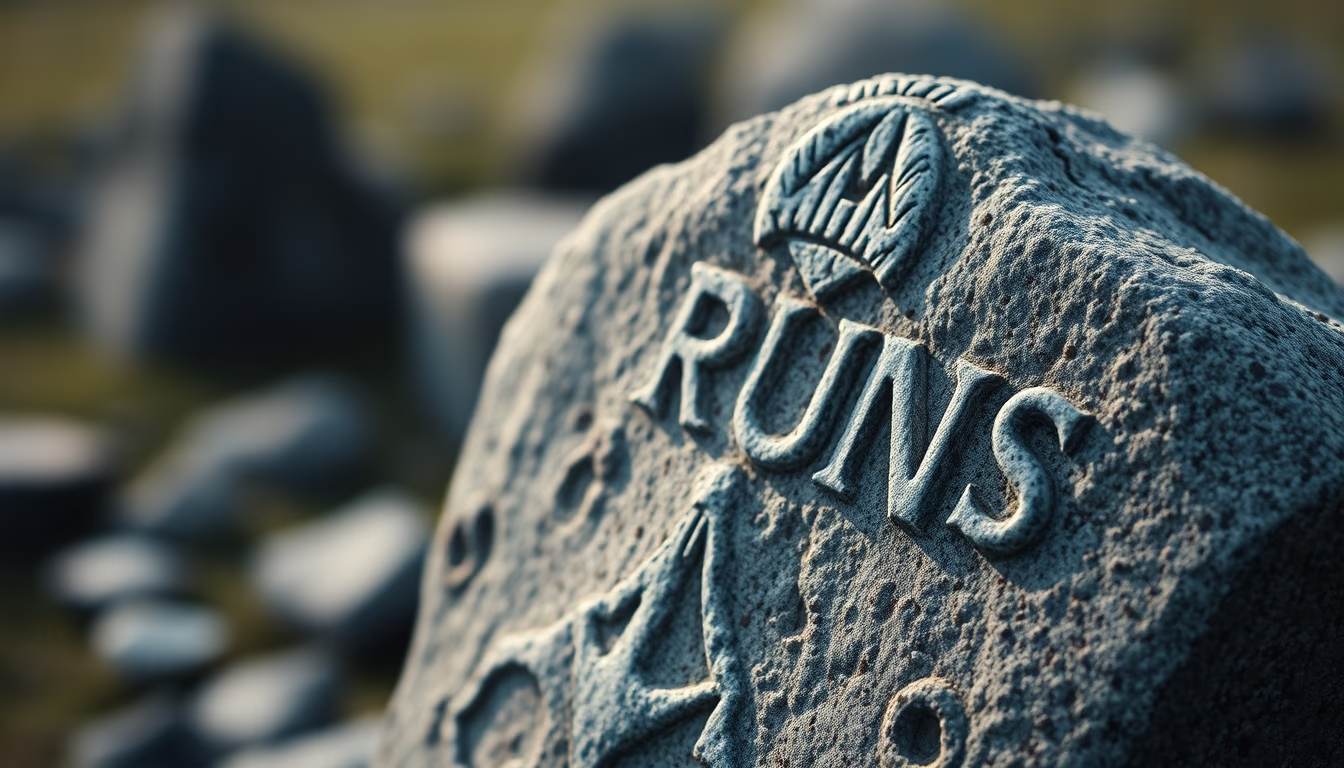
Viking rune stones are historical monuments bearing runic inscriptions, erected in Scandinavia from the 4th to the 12th centuries to honor the dead or mark events.
About this subject
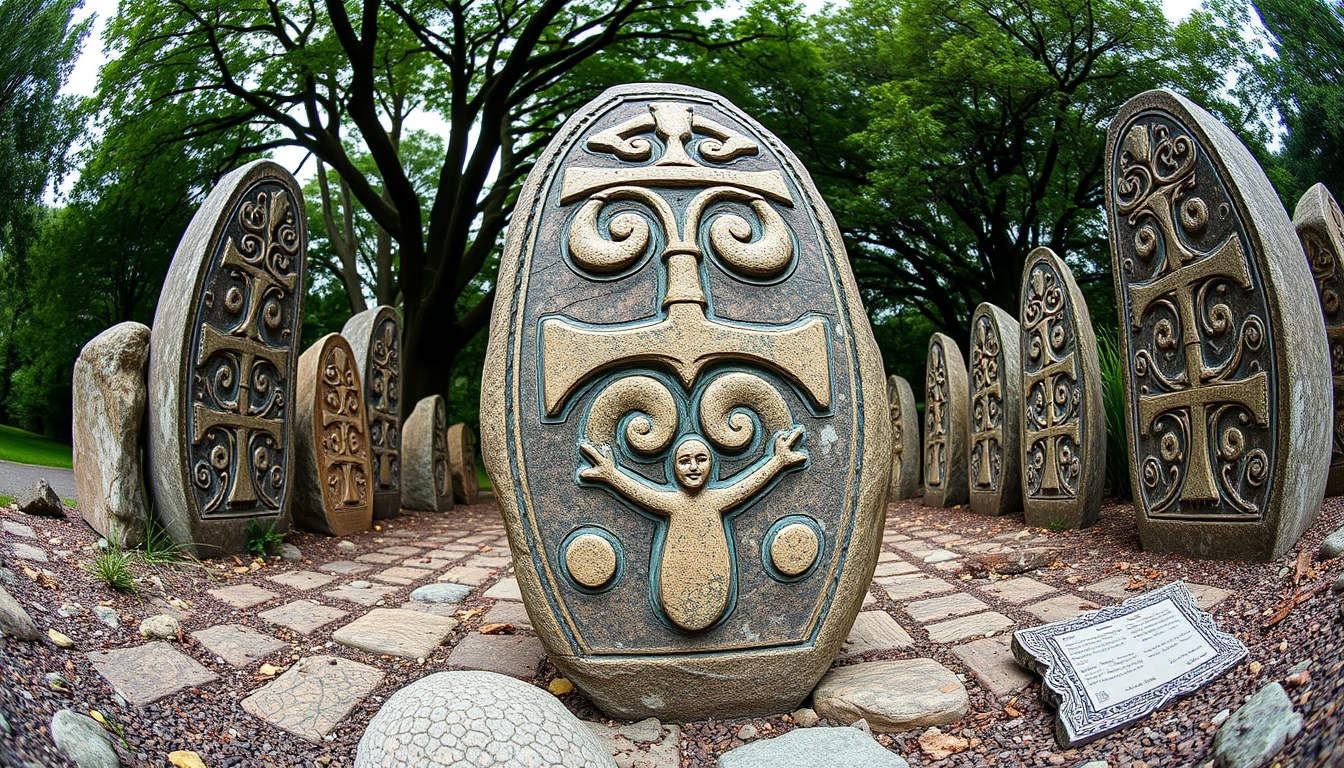
Viking rune stones are enduring testimonies of medieval Norse culture. Carved with the ancient futhark alphabet, these stones were typically erected in public places such as crossroads or near farmsteads. Most date from between 800 and 1100 AD, during the Viking Age. Their inscriptions often contain the name of the deceased, the name of the person responsible for the monument, and a religious invocation, such as 'God help his soul' in later Christian versions.
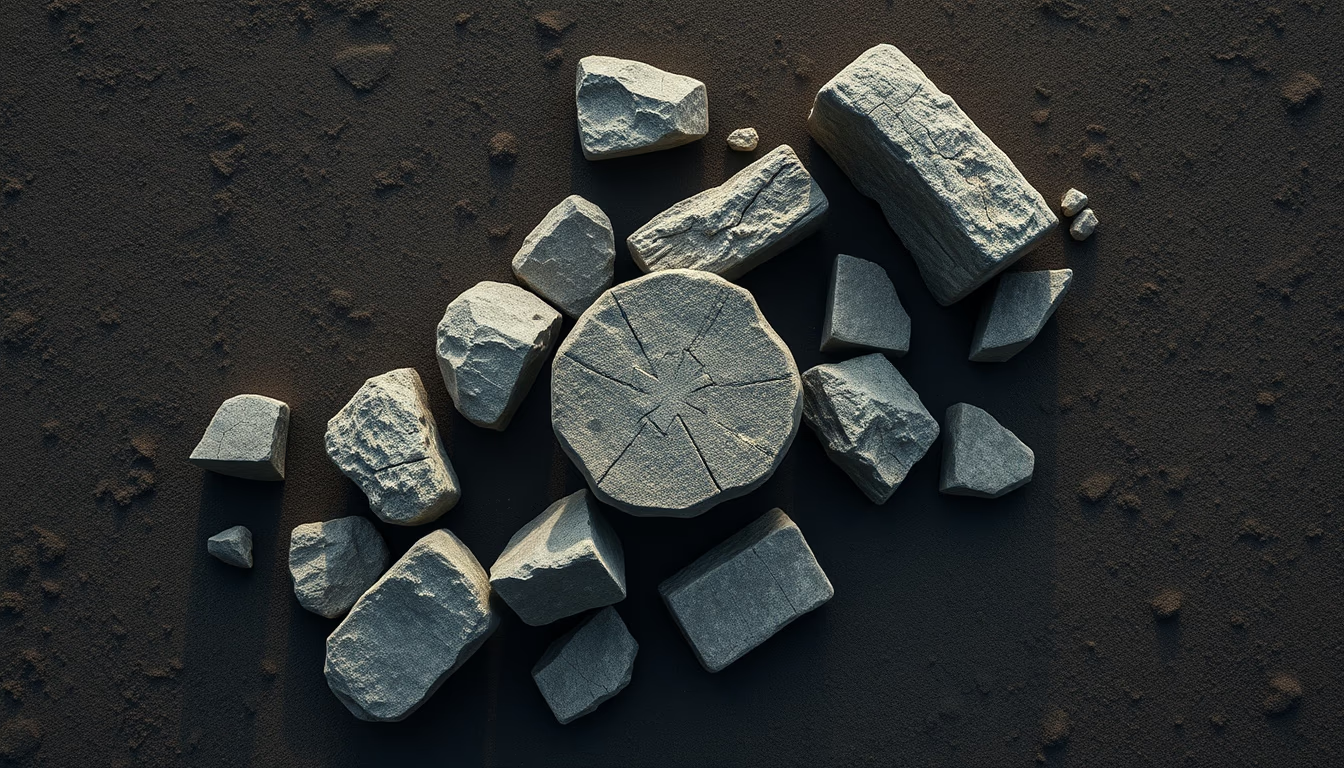
Rune stones vary in size and shape, from small fragments to enormous granite blocks over three meters tall. More than 6,000 rune stones have been cataloged in Scandinavia, with the highest concentration in Sweden, especially in the provinces of Uppland and Södermanland. The famous Jelling Stone in Denmark is considered Denmark's 'birth certificate,' as it records the conversion to Christianity and the unification of the kingdom by Harald Bluetooth.
Runic art combines text with ornaments, such as interlaced animals and mythological figures, following regional styles like Urnes and Ringerike. Runic inscriptions have also been found on other objects like weapons, amulets, and coins, but the stones are the most imposing records. Today, these monuments are protected by law in Scandinavian countries and continue to be studied by archaeologists and linguists to understand Viking society, including their beliefs, power relations, and contacts with other cultures. Some stones mention journeys to Greece, the Middle East, and even North America, such as the Kensington Runestone, though its authenticity is debated.
Frequently Asked Questions
What do the inscriptions on rune stones mean?
The inscriptions typically honor deceased individuals, record important events, or express religious beliefs. Many stones begin with 'X raised this stone in memory of Y' and may include invocations to Norse gods or Christian saints.
Where are most rune stones located?
Most are in Scandinavia, mainly in Sweden. Large concentrations exist in Uppland and Södermanland, but also in Denmark and Norway. Some have been found outside the region, such as in the British Isles and Greenland.
Are rune stones still being discovered today?
Yes, occasionally new rune stones are unearthed during construction or farming. In 2023, a 9th-century rune stone was found in a rural area in Sweden, showing that discoveries are still being made.
Direct URL
https://pub-c7d6a6ea828543ac903a74a341ccb2e1.r2.dev/imagens/runes-viking-stone-macro-closeup-fresh6.avifHow to credit
Include a visible link back to UtilizAí. Copy one of the snippets below:
<a href="https://xn--utiliza-eza.com/en/midia/imagens/runes-viking-stone-macro-closeup-fresh6">Runes viking stone</a> by <a href="https://xn--utiliza-eza.com">UtilizAí</a>, licensed under <a href="https://creativecommons.org/licenses/by/4.0/">CC BY 4.0</a>.
[Runes viking stone](https://xn--utiliza-eza.com/en/midia/imagens/runes-viking-stone-macro-closeup-fresh6) by [UtilizAí](https://xn--utiliza-eza.com), CC BY 4.0
License: CC-BY-4.0