Runes viking stone
1344×768 · AVIF · CC BY 4.0
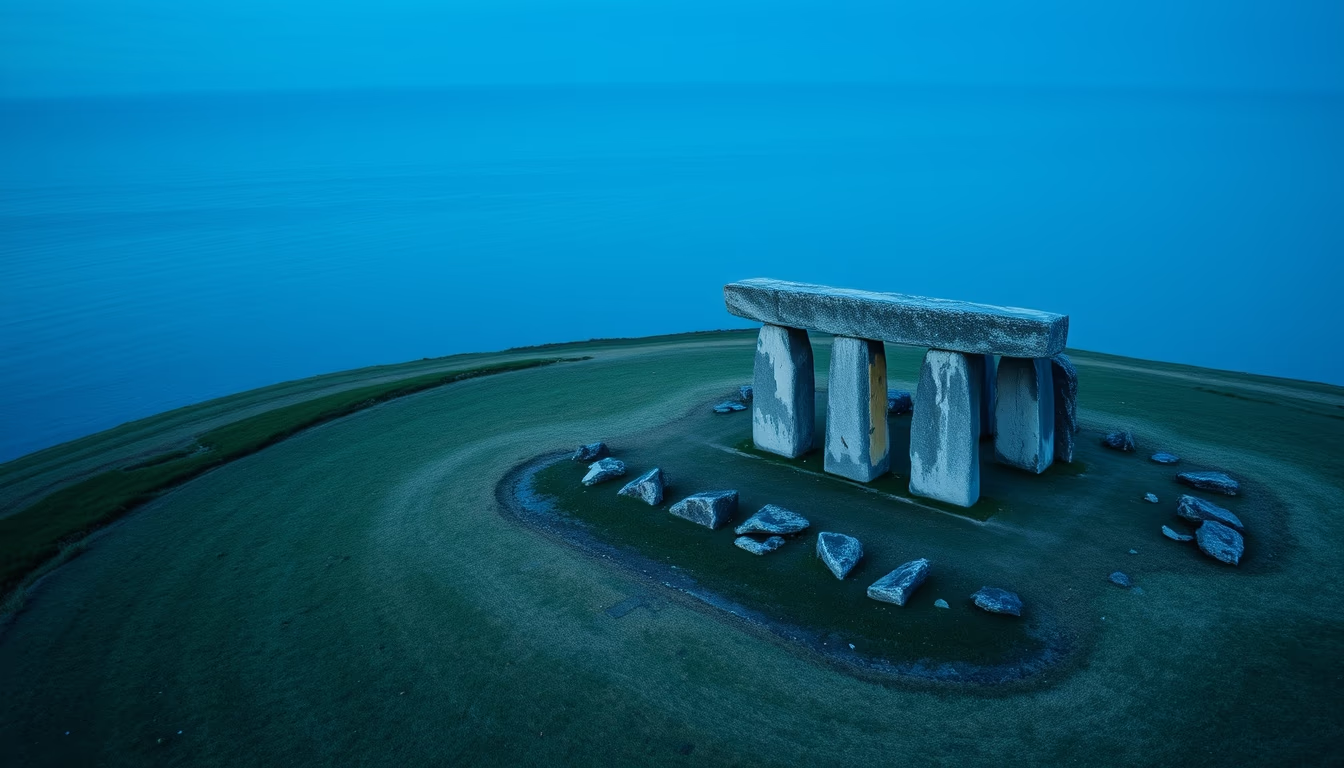
Viking rune stones are stone monuments bearing runic inscriptions, erected in Scandinavia during the Viking Age.
About this subject
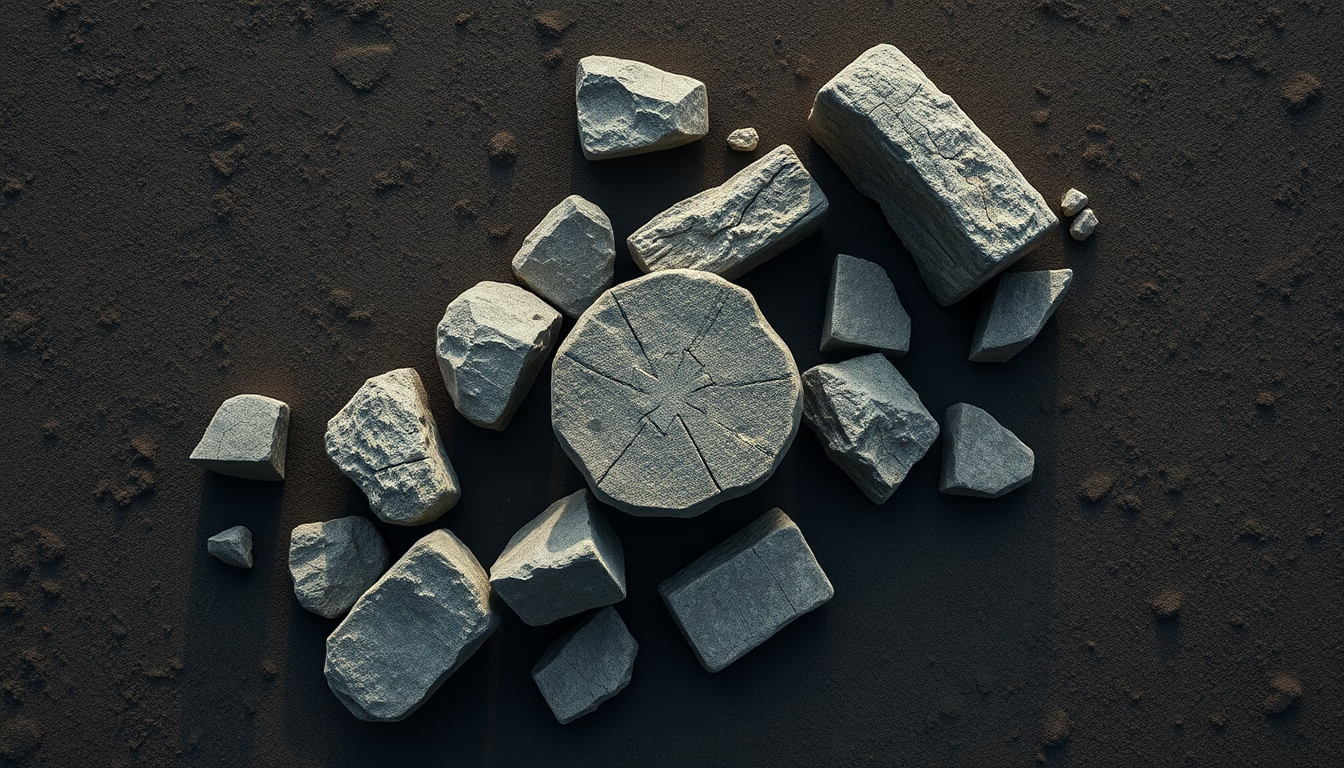
Viking rune stones are historical artifacts primarily dating from the 9th to 11th centuries, during the Viking Age. They were erected as memorials to honor deceased individuals, celebrate significant achievements, or mark events such as bridge construction or the Christianization of a region. Over 2,500 such stones have been found, with the majority concentrated in Sweden, especially around Uppsala. The inscriptions use the runic alphabet, known as the Younger Futhark (16 runes), which evolved from the Elder Futhark (24 runes) used between the 2nd and 8th centuries.
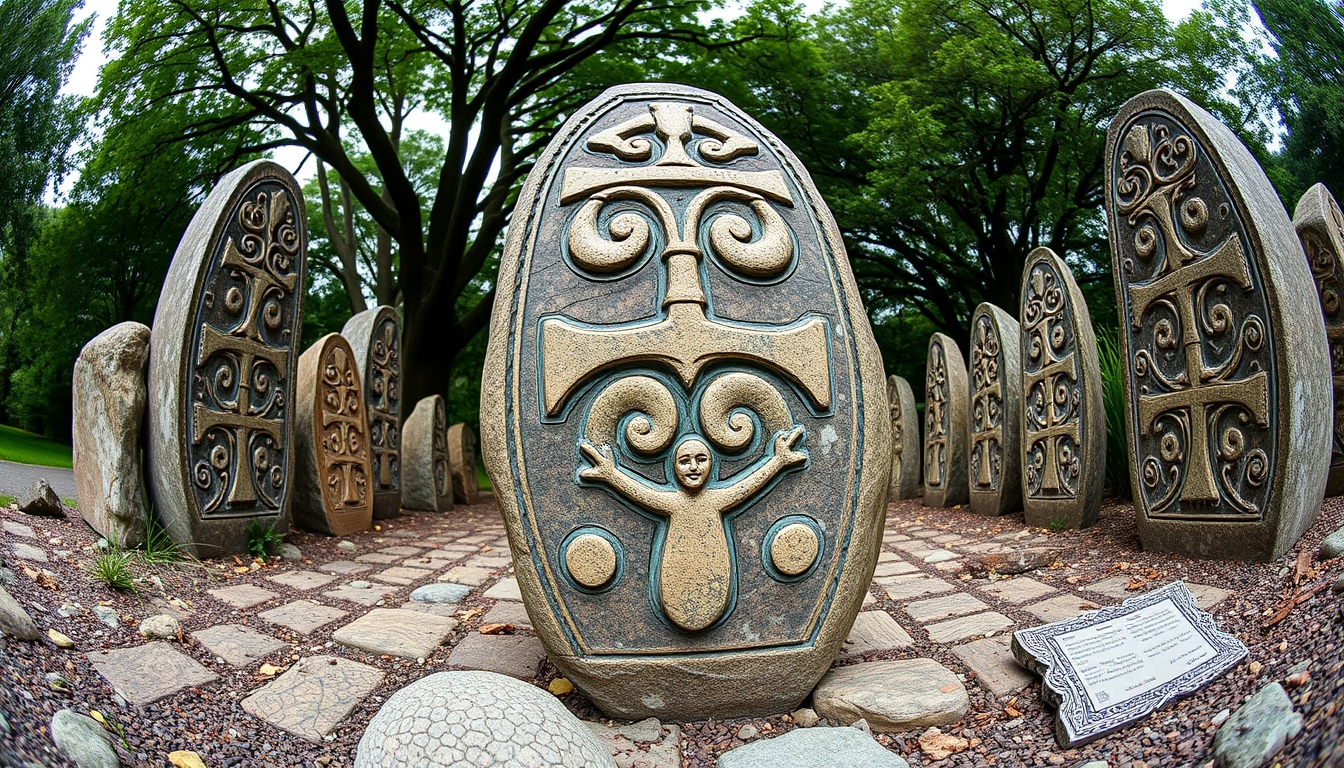
Each rune stone is unique, featuring not only letters but also decorative carvings of animals, ships, dragons, and interlacing patterns. The content of inscriptions varies: many record the name of the deceased, their kinship, and who raised the stone. Some mention voyages to distant lands, such as England or the Byzantine Empire, revealing Viking mobility. Others reflect the Christianization process, with crosses and Christian prayers. The Rök Runestone in Sweden is famous for its long poetic inscription and mythological references, while the Jelling stones in Denmark are considered Denmark's 'birth certificate,' commemorating the unification of the country and conversion to Christianity.
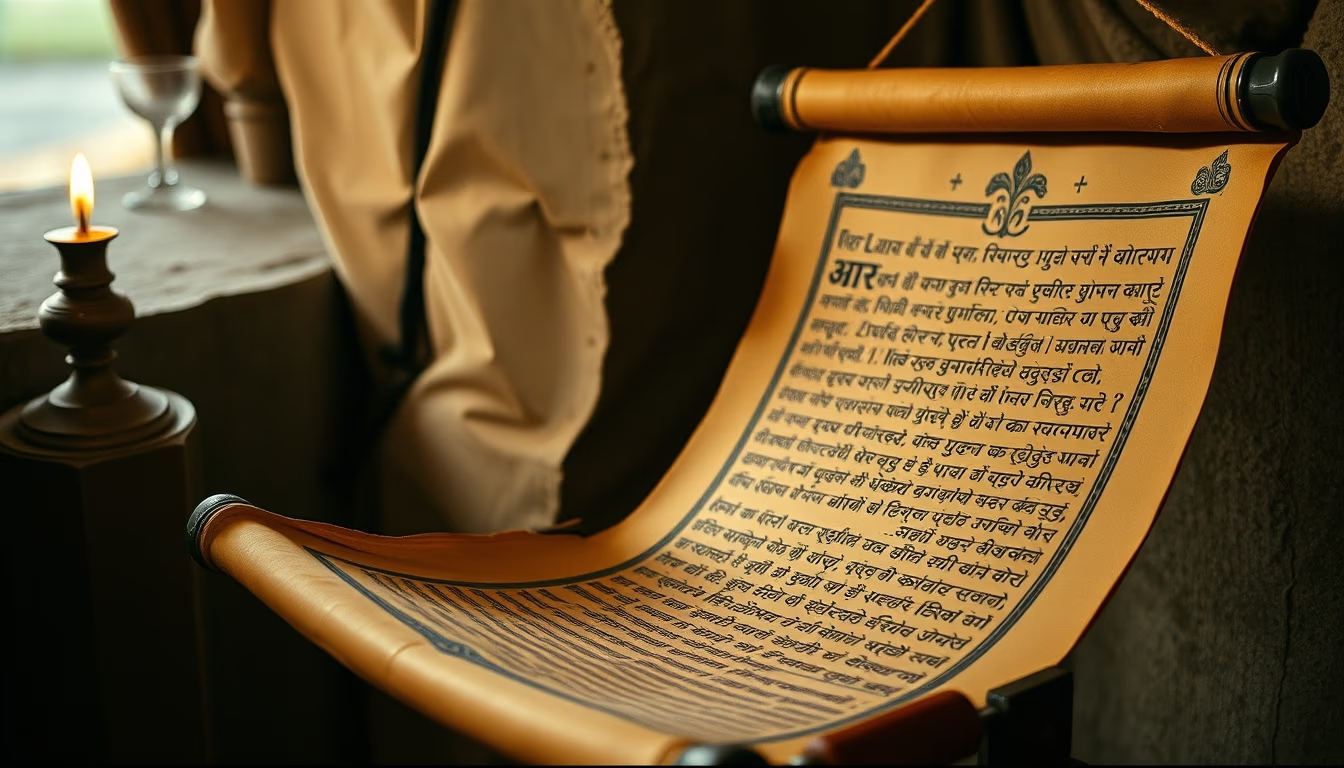
Linguistically, runic inscriptions are crucial for studying Old Norse, the Germanic language spoken by Scandinavians. They represent the earliest written form of this language, predating Latin manuscripts. Runes also had symbolic and magical meanings, used in amulets and divination. Today, rune stones are protected as cultural heritage, many found in museums or at their original sites, often in cemeteries, near churches, or in open fields. Their preservation offers a window into Viking society, beliefs, art, and interaction with the medieval world.
Frequently Asked Questions
What are Viking rune stones?
They are stone monuments carved with runic inscriptions, erected in Scandinavia during the Viking Age (9th-11th centuries). They served as memorials to honor the dead, celebrate achievements, or mark historical events.
What alphabet was used on rune stones?
The runic alphabet, mainly the Younger Futhark (16 runes) used from the 9th to 11th centuries. Earlier, the Elder Futhark (24 runes) was used. Runes represent sounds and also had symbolic meanings.
Where can I find Viking rune stones?
Most are found in Sweden (especially Uppsala region), but also in Denmark, Norway, and to a lesser extent in areas with Viking presence like Iceland and the British Isles. Many are in museums or at original sites such as cemeteries and churches.
Direct URL
https://pub-c7d6a6ea828543ac903a74a341ccb2e1.r2.dev/imagens/runes-viking-stone-aerial-drone-shot-fresh5.avifHow to credit
Include a visible link back to UtilizAí. Copy one of the snippets below:
<a href="https://xn--utiliza-eza.com/en/midia/imagens/runes-viking-stone-aerial-drone-shot-fresh5">Runes viking stone</a> by <a href="https://xn--utiliza-eza.com">UtilizAí</a>, licensed under <a href="https://creativecommons.org/licenses/by/4.0/">CC BY 4.0</a>.
[Runes viking stone](https://xn--utiliza-eza.com/en/midia/imagens/runes-viking-stone-aerial-drone-shot-fresh5) by [UtilizAí](https://xn--utiliza-eza.com), CC BY 4.0
License: CC-BY-4.0