Rock climbing harness
1344×768 · AVIF · CC BY 4.0
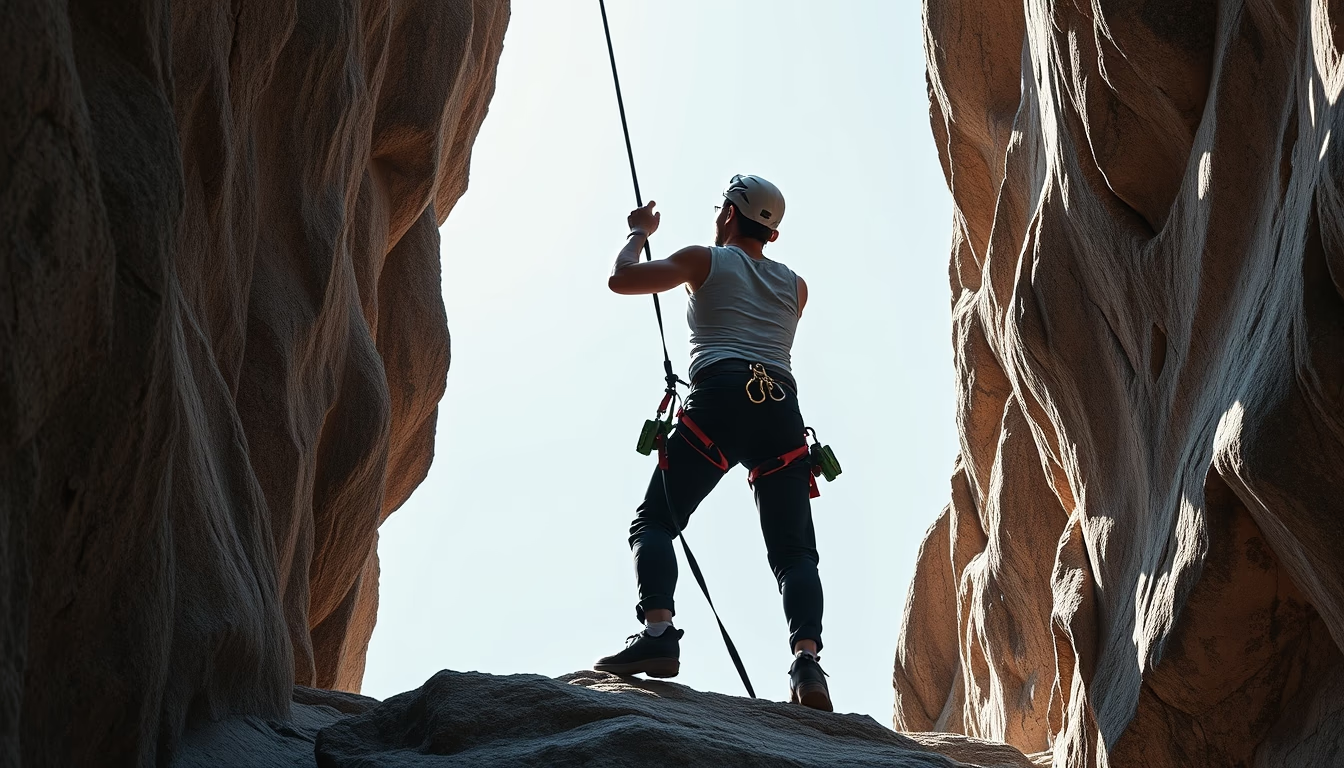
A rock climbing harness is a critical safety device that distributes the climber's weight during sport climbing, mountaineering, and other vertical activities.
About this subject
A rock climbing harness is one of the most important pieces of safety equipment for climbers, consisting of a waist belt and leg loops connected by nylon or polyester webbing. Its primary function is to distribute the climber's weight during a fall, ensuring impact is absorbed safely. Buckles, typically made of aluminum or steel, allow for quick and precise adjustments.
There are different types of harnesses, each designed for a specific discipline. Sport climbing harnesses are lightweight and minimalist, with less padding for greater mobility. Big wall harnesses offer more comfort for long hours hanging, with wide leg loops and padded waist belts. Mountaineering harnesses are simplified to save weight and allow use over thick clothing. All must comply with UIAA and CE standards, which certify the strength of stitching and materials.
Safety depends not only on the equipment but also on its maintenance. It is recommended to inspect the harness before each use, looking for wear, cuts, or deformation in the webbing. The average lifespan is 5 to 10 years, but can be shorter with heavy use or exposure to chemicals. Never use a harness that has sustained a hard fall, as internal fibers may be damaged even without external signs.
Recent innovations include quick-release buckles for easier donning and doffing, and ventilation systems in the leg loops to reduce sweating. The minimalist trend, in line with the image's design, seeks to reduce weight and volume without sacrificing safety, using materials like Dyneema for thinner, stronger webbing. These modern harnesses are ideal for climbers who prioritize pack weight, especially for alpine and high-altitude activities.
Frequently Asked Questions
What is the difference between a sport climbing harness and a mountaineering harness?
A sport climbing harness is lighter and more padded, focusing on comfort for frequent falls and dynamic movements. A mountaineering harness is simpler, with less padding and smaller buckles to save weight and be worn over bulky clothing.
How do I choose the correct size for a climbing harness?
Size should be based on waist and thigh circumference. The harness should fit snugly but not too tight. Ensure the waist belt sits above the hip bones and the leg loops do not restrict circulation.
When should I replace my climbing harness?
Replace the harness after 5 to 10 years of use, or immediately if there are signs of wear such as cuts, tears, webbing deformation, or damaged buckles. Also replace it after a severe fall that may have compromised its structural integrity.
Direct URL
https://pub-c7d6a6ea828543ac903a74a341ccb2e1.r2.dev/imagens/rock-climbing-harness-minimalist-composition-p3.avifHow to credit
Include a visible link back to UtilizAí. Copy one of the snippets below:
<a href="https://xn--utiliza-eza.com/en/midia/imagens/rock-climbing-harness-minimalist-composition-p3">Rock climbing harness</a> by <a href="https://xn--utiliza-eza.com">UtilizAí</a>, licensed under <a href="https://creativecommons.org/licenses/by/4.0/">CC BY 4.0</a>.
[Rock climbing harness](https://xn--utiliza-eza.com/en/midia/imagens/rock-climbing-harness-minimalist-composition-p3) by [UtilizAí](https://xn--utiliza-eza.com), CC BY 4.0
License: CC-BY-4.0