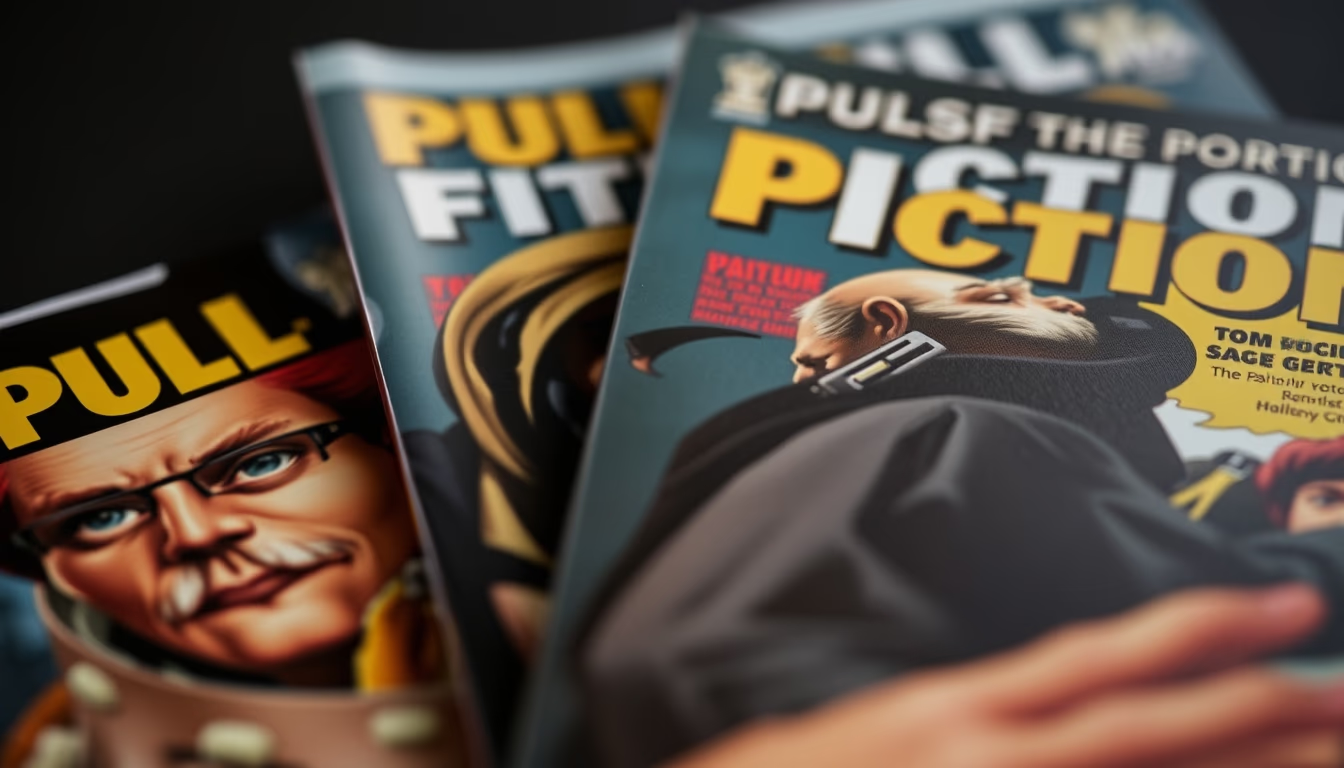
Pulp fiction covers
1344×768 · AVIF · CC BY 4.0
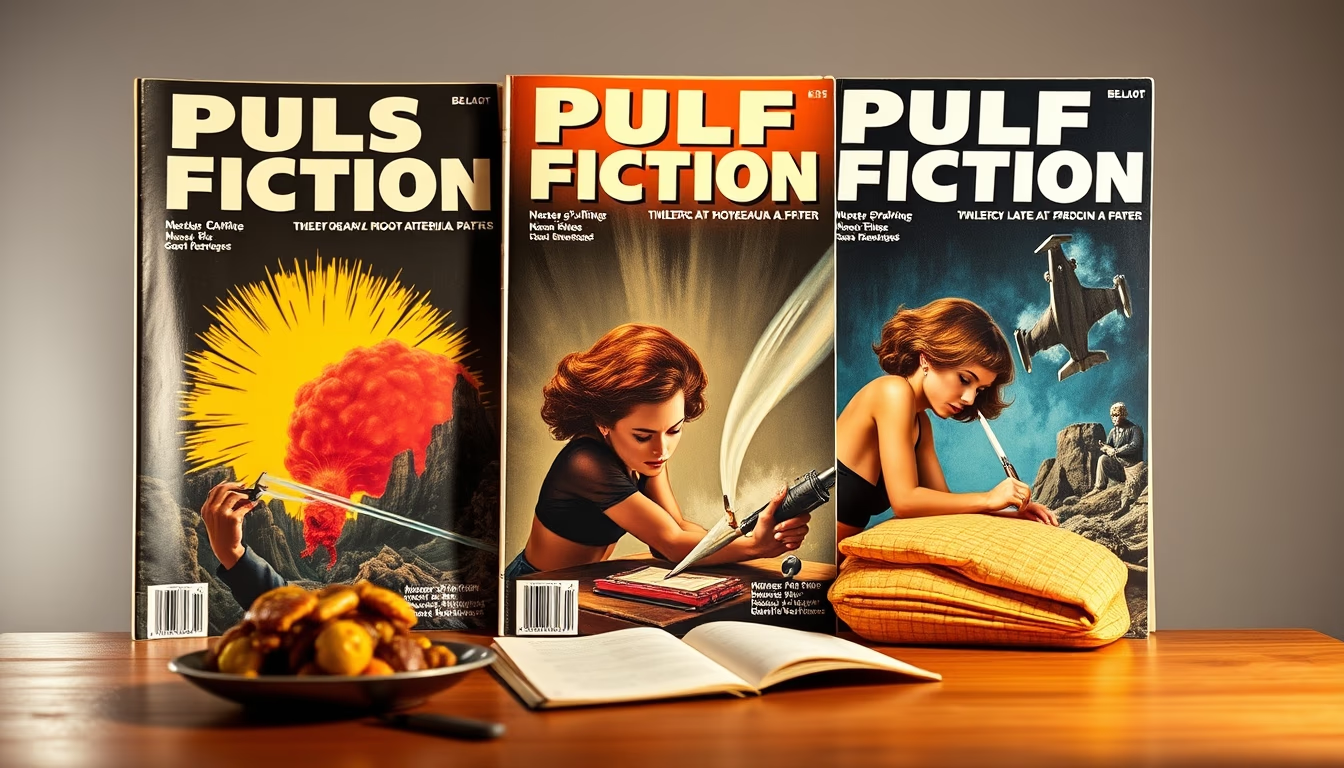
Pulp fiction covers from the golden age (1920s-1950s), icons of pop culture that influenced film, comics, and literature.
About this subject
Pulp fiction covers represent one of the most vibrant and influential genres of 20th-century print culture. Published between the late 19th century and the 1950s, these cheap magazines (named for the low-quality wood pulp paper) were sold at newsstands and contained detective stories, science fiction, adventure, romance, horror, and fantasy. Cover art was essential to attract readers, with eye-catching illustrations, vibrant colors, and dramatic compositions often featuring damsels in distress, muscular heroes, monsters, and over-the-top action scenes.
Artists like Margaret Brundage, famous for her sensual covers for Weird Tales, and Frank R. Paul, pioneer of visual science fiction with his spaceships and alien landscapes, became legends. The cover of the first issue of Amazing Stories (1926) by Paul is a milestone. Other notable names include George Rozen, Rafael DeSoto, and Rudolph Belarski. Themes varied: Black Mask published hardboiled detective stories like Sam Spade; Astounding Science Fiction showcased technological futures; Love Story Magazine catered to female audiences.
Pulp magazines were the breeding ground for renowned writers such as H.P. Lovecraft, Raymond Chandler, Isaac Asimov, and Robert E. Howard (creator of Conan). Many iconic characters, Tarzan, Doc Savage, The Shadow, debuted there. The decline came with the rise of paperbacks, comic books, and television. Today, original covers are collectible and inspire aesthetic movements like the "pulp revival" in films (e.g., Quentin Tarantino's Reservoir Dogs and Kill Bill; his film Pulp Fiction is a direct homage).
Frequently Asked Questions
What defines a pulp fiction magazine?
Cheap magazines printed on wood pulp paper, sold from the late 19th century through the 1950s, featuring genre stories (detective, sci-fi, adventure, horror) with sensational covers.
Who are the most famous pulp cover artists?
Margaret Brundage (Weird Tales), Frank R. Paul (Amazing Stories), George Rozen, and Rafael DeSoto are among the most renowned illustrators of the era.
Why are pulp magazines culturally significant?
They launched writers like Lovecraft and Asimov, created enduring characters (Conan, The Shadow), and influenced film, comics, and current retro aesthetics.
Direct URL
https://pub-c7d6a6ea828543ac903a74a341ccb2e1.r2.dev/imagens/pulp-fiction-covers-studio-still-life-fresh8.avifHow to credit
Include a visible link back to UtilizAí. Copy one of the snippets below:
<a href="https://xn--utiliza-eza.com/en/midia/imagens/pulp-fiction-covers-studio-still-life-fresh8">Pulp fiction covers</a> by <a href="https://xn--utiliza-eza.com">UtilizAí</a>, licensed under <a href="https://creativecommons.org/licenses/by/4.0/">CC BY 4.0</a>.
[Pulp fiction covers](https://xn--utiliza-eza.com/en/midia/imagens/pulp-fiction-covers-studio-still-life-fresh8) by [UtilizAí](https://xn--utiliza-eza.com), CC BY 4.0
License: CC-BY-4.0