Pulp fiction covers
1344×768 · AVIF · CC BY 4.0
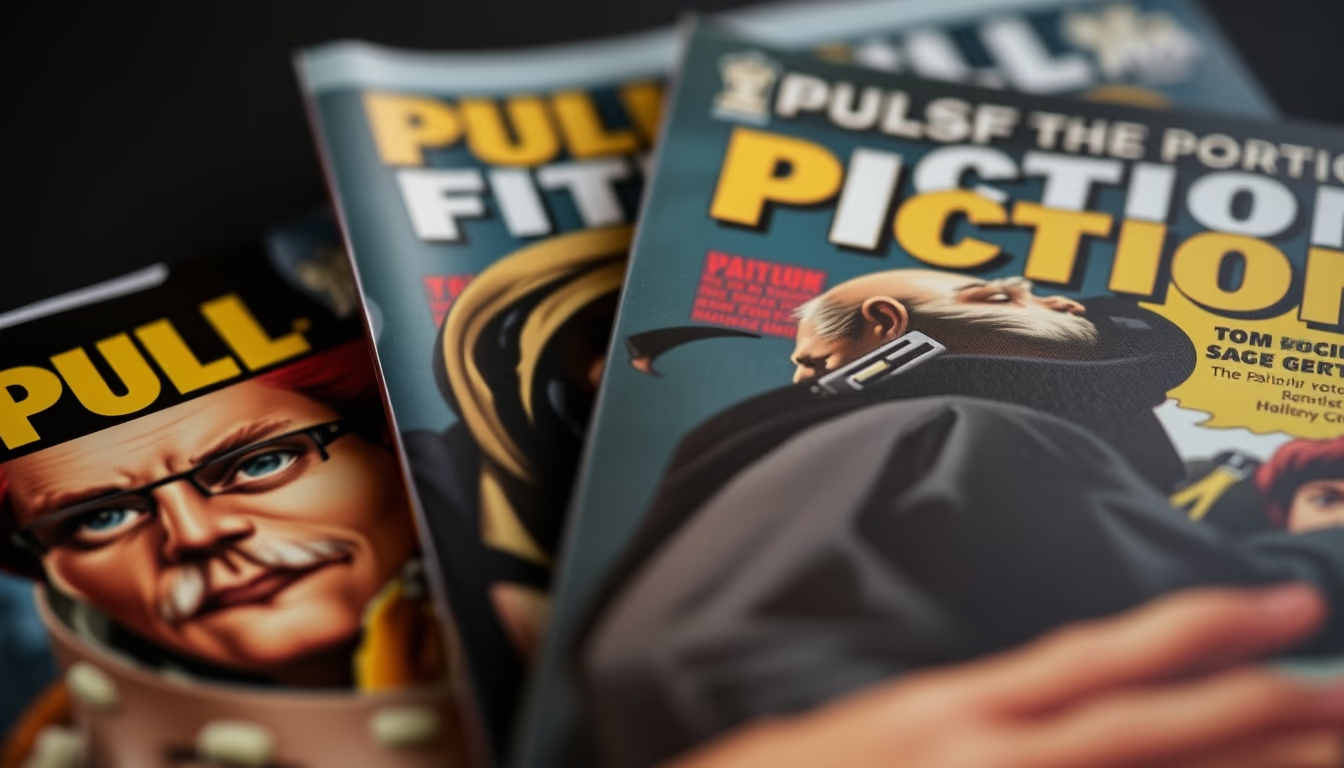
Pulp fiction covers are icons of 20th-century American popular culture, featuring vibrant illustrations and themes of adventure, crime, and science fiction.
About this subject
Pulp fiction covers, often simply called pulps, emerged in the United States in the late 19th century and dominated newsstands until the 1950s. These magazines were printed on cheap wood-pulp paper, which gave them their name. Their covers were true works of art, created by illustrators such as Frank R. Paul, Margaret Brundage, and Robert Gibson Jones. Each cover was designed to attract the reader in seconds, using bold colors, dramatic poses, and elements of suspense. Genres ranged from detective and horror to romance and science fiction, the latter fueled by magazines like Amazing Stories and Weird Tales.
The visual style of pulp covers evolved over the decades. In the 1930s and 1940s, damsels in distress, muscular heroes, and grotesque monsters were prevalent. By the 1950s, with competition from comics and television, covers became more explicit in violence and sensuality, sparking debates on censorship. Many of these illustrations influenced film noir, B-movies, and the pop art aesthetic of artists like Roy Lichtenstein.
The cultural importance of pulps extends beyond entertainment. They gave voice to authors who later became classics, such as H.P. Lovecraft, Raymond Chandler, and Isaac Asimov. Moreover, the covers are now collectible and studied as a reflection of the anxieties and desires of American society at the time. Even with the decline of the magazines, the visual legacy of pulps endures in posters, book covers, and references in contemporary pop culture.
Frequently Asked Questions
What does ‘pulp fiction’ mean?
Pulp fiction refers to cheap magazines printed on wood-pulp paper, popular in the US from 1896 to 1950. The term was later popularized by Quentin Tarantino’s film of the same name, which pays homage to the style.
Who were the main illustrators of pulp covers?
Notable illustrators include Frank R. Paul (pioneer of science fiction), Margaret Brundage (known for her sensual covers for Weird Tales), and Robert Gibson Jones (specialist in adventure and fantasy scenes).
Why are pulp covers considered art?
They combine refined technique, dynamic composition, and vibrant colors to instantly communicate the story’s genre. Today they are recognized as a form of popular art and have influenced movements such as Pop Art.
Direct URL
https://pub-c7d6a6ea828543ac903a74a341ccb2e1.r2.dev/imagens/pulp-fiction-covers-macro-closeup-fresh18.avifHow to credit
Include a visible link back to UtilizAí. Copy one of the snippets below:
<a href="https://xn--utiliza-eza.com/en/midia/imagens/pulp-fiction-covers-macro-closeup-fresh18">Pulp fiction covers</a> by <a href="https://xn--utiliza-eza.com">UtilizAí</a>, licensed under <a href="https://creativecommons.org/licenses/by/4.0/">CC BY 4.0</a>.
[Pulp fiction covers](https://xn--utiliza-eza.com/en/midia/imagens/pulp-fiction-covers-macro-closeup-fresh18) by [UtilizAí](https://xn--utiliza-eza.com), CC BY 4.0
License: CC-BY-4.0