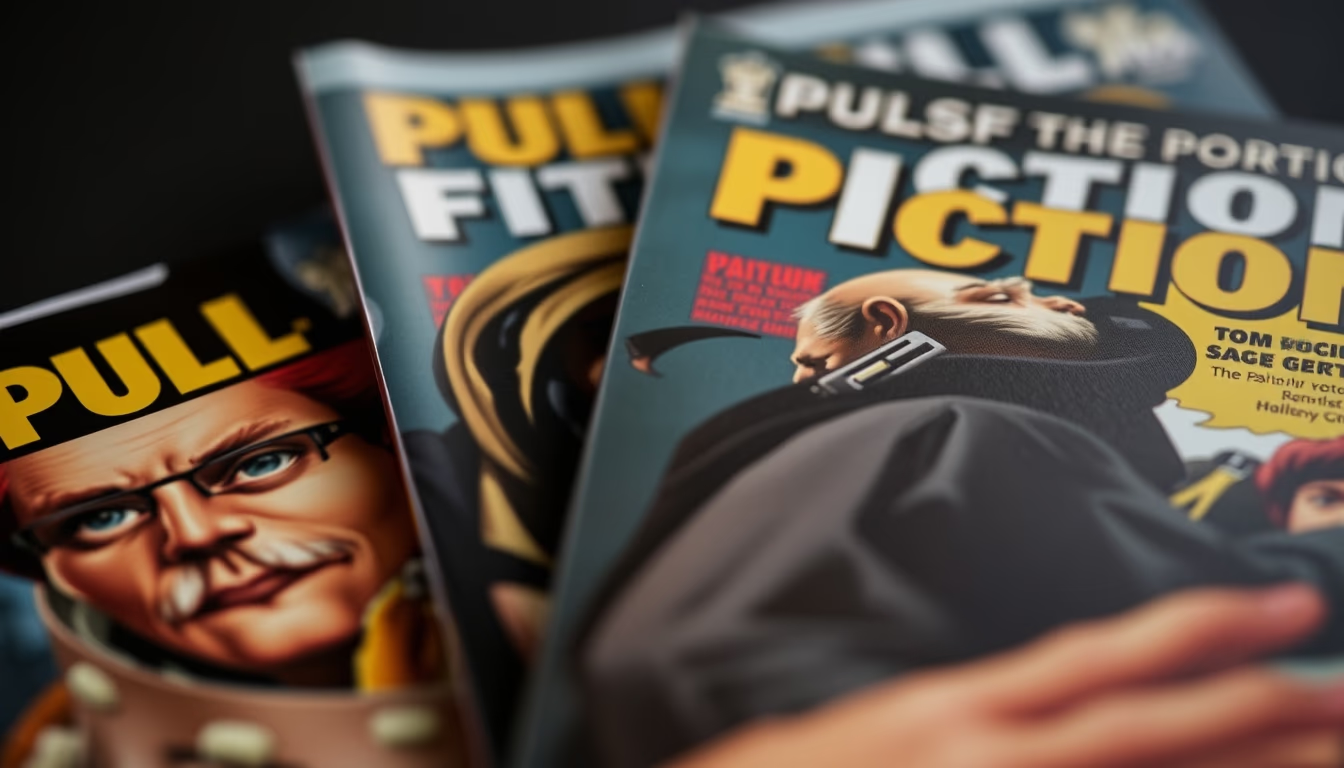
Pulp fiction covers
1344×768 · AVIF · CC BY 4.0

Pulp fiction covers: an explosion of popular art and sensationalist storytelling that defined 20th-century American culture.
About this subject
Pulp fiction covers are visual icons of American popular culture. Between 1896 and 1950, these cheap magazines, printed on low-quality pulp paper, dominated newsstands with stories of adventure, detective, horror, science fiction, and romance. Vibrant covers, often painted by artists like Robert McGinnis, Frank Frazetta, and Norman Saunders, used strong colors and dramatic poses to attract readers. Competition was fierce: titles such as Weird Tales, Amazing Stories, and The Shadow vied for attention with bold illustrations featuring curvaceous women, muscular heroes, and exotic settings.
The pulp format emerged in 1896 with The Argosy, which published complete stories on cheaper paper than traditional magazines. This model allowed low prices, selling millions of copies. At its peak, hundreds of titles existed, covering genres like western, romance, fantasy, and horror. Renowned authors such as Edgar Rice Burroughs (Tarzan), H.G. Wells, and Dashiell Hammett began their careers in the pulps. The covers were not just inviting but often more memorable than the interior content, thanks to the talent of illustrators who became legends.
World War II and the rise of radio and television led to the decline of pulps. Rising paper costs and competition from higher-quality comic books also contributed. However, the legacy of pulp fiction covers is immense: they influenced pop art, film noir aesthetics, advertising, and fan culture. Magazines like Famous Monsters of Filmland and later collections kept interest alive. Today, original covers are prized collector's items, showcasing an aesthetic combining realism, exaggeration, and vibrant color.
Interestingly, the term "pulp" now describes a deliberately exaggerated literary and visual style. Festivals and publications dedicated to "pulp culture" celebrate these magazines. Covers are often parodied in movie posters, album covers, and logos, proving that the visual language of pulps remains relevant. The aerial display of multiple covers reveals the chromatic and thematic diversity that made these magazines a unique phenomenon.
Frequently Asked Questions
What defines a pulp magazine?
A pulp magazine was printed on cheap wood-pulp paper, with a low price and popular genre content like adventure, horror, and science fiction. Its colorful, sensationalist covers were essential to attract readers, and it circulated mainly in the United States between 1896 and 1950.
Which artists became famous for pulp covers?
Artists like Frank Frazetta (Conan), Norman Saunders (crime fiction), Robert McGinnis (detective novels), and Margaret Brundage (erotic fantasy) are renowned. They used realistic painting techniques with dramatic compositions and vibrant colors.
Why did pulps lose popularity?
Pulps declined due to rising paper costs during World War II, competition from comic books, and the spread of radio and television. Readers shifted to cheaper media or those with higher graphic quality.
Direct URL
https://pub-c7d6a6ea828543ac903a74a341ccb2e1.r2.dev/imagens/pulp-fiction-covers-aerial-drone-shot-fresh17.avifHow to credit
Include a visible link back to UtilizAí. Copy one of the snippets below:
<a href="https://xn--utiliza-eza.com/en/midia/imagens/pulp-fiction-covers-aerial-drone-shot-fresh17">Pulp fiction covers</a> by <a href="https://xn--utiliza-eza.com">UtilizAí</a>, licensed under <a href="https://creativecommons.org/licenses/by/4.0/">CC BY 4.0</a>.
[Pulp fiction covers](https://xn--utiliza-eza.com/en/midia/imagens/pulp-fiction-covers-aerial-drone-shot-fresh17) by [UtilizAí](https://xn--utiliza-eza.com), CC BY 4.0
License: CC-BY-4.0