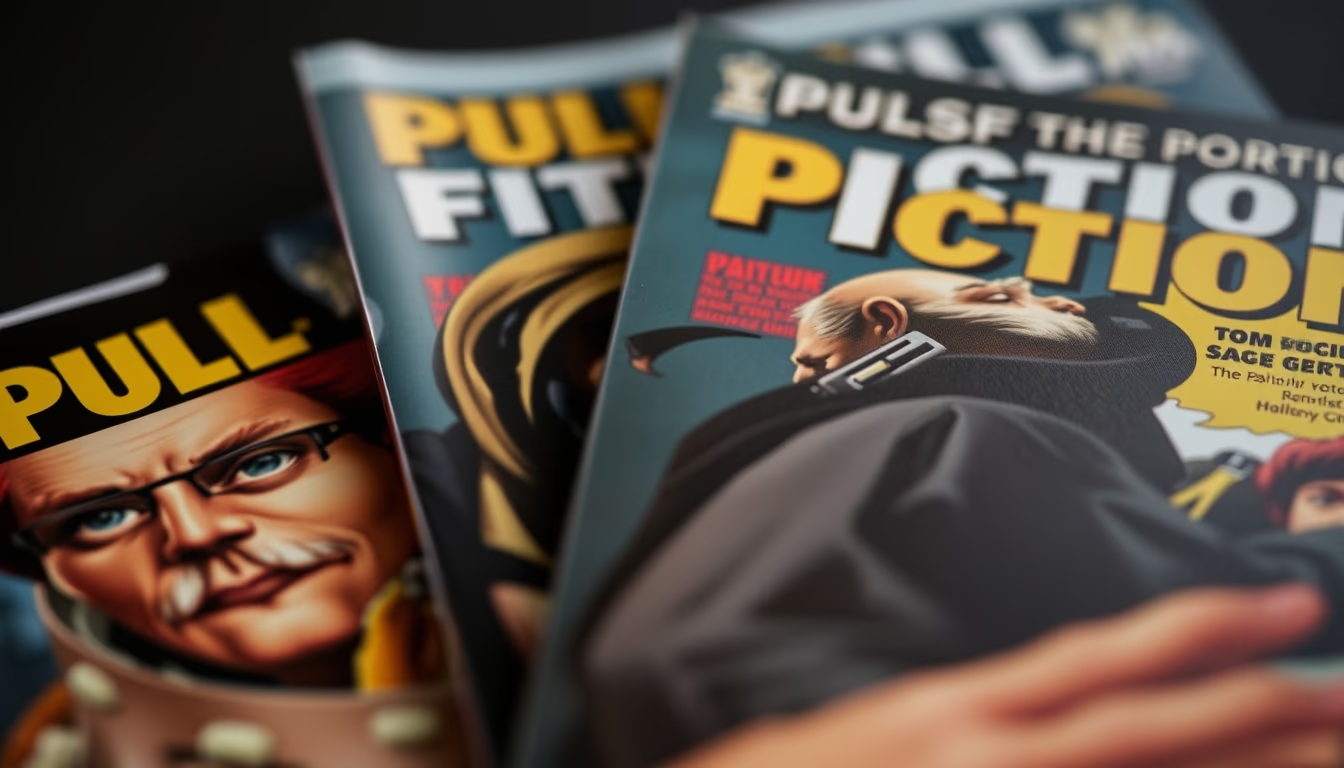
Pulp fiction covers
1344×768 · AVIF · CC BY 4.0

Pulp fiction covers defined American popular culture from the 1920s to the 1950s, featuring vibrant illustrations and themes of adventure, crime, and horror.
About this subject
Pulp magazines, named after the cheap wood-pulp paper they were printed on, dominated American entertainment from the 1920s to the 1950s. Their covers were designed to grab attention at newsstands, using vivid illustrations, bold colors, and scenes of action, danger, or sensuality. Titles like Black Mask, Weird Tales, and Amazing Stories launched genres such as science fiction, horror, and hard-boiled detective fiction, influencing writers like H.P. Lovecraft, Dashiell Hammett, and Ray Bradbury.
The pulp market was fiercely competitive, and cover artists such as Margaret Brundage, Robert Gibson Jones, and Rudolph Belarski developed techniques to maximize visual impact. Covers often depicted muscular heroes, damsels in distress, grotesque monsters, or crime scenes, always with strong emotional appeal. Success often hinged on the cover; some magazines even ran cover lines that summarized the story, like "Sins of the Blood" or "The Chinese Beast."
After World War II, pulps declined with the rise of paperbacks and comic books. Yet their legacy endures in film noir aesthetics, 1950s paperback covers, and retro movements like neo-pulp. Original cover art is now highly collectible, with museum exhibitions at institutions like MoMA celebrating this iconic style. Rare covers, such as Detective Comics #27 (debuting Batman) or Weird Tales #25 (art by Margaret Brundage), can fetch thousands at auction.
Frequently Asked Questions
What does 'pulp fiction' mean?
It refers to popular fiction magazines printed on cheap wood-pulp paper, sold in the US from the 1920s to the 1950s.
Which artists were famous for pulp fiction covers?
Artists like Margaret Brundage, Robert Gibson Jones, Rudolph Belarski, and Frank R. Paul created iconic covers. Brundage is especially known for her Weird Tales illustrations.
Why are pulp fiction covers important to pop culture?
They influenced film noir, comic books, and retro aesthetics. Many modern heroes and literary genres have roots in pulps.
Direct URL
https://pub-c7d6a6ea828543ac903a74a341ccb2e1.r2.dev/imagens/pulp-fiction-covers-magazine-editorial-fresh1.avifHow to credit
Include a visible link back to UtilizAí. Copy one of the snippets below:
<a href="https://xn--utiliza-eza.com/en/midia/imagens/pulp-fiction-covers-magazine-editorial-fresh1">Pulp fiction covers</a> by <a href="https://xn--utiliza-eza.com">UtilizAí</a>, licensed under <a href="https://creativecommons.org/licenses/by/4.0/">CC BY 4.0</a>.
[Pulp fiction covers](https://xn--utiliza-eza.com/en/midia/imagens/pulp-fiction-covers-magazine-editorial-fresh1) by [UtilizAí](https://xn--utiliza-eza.com), CC BY 4.0
License: CC-BY-4.0