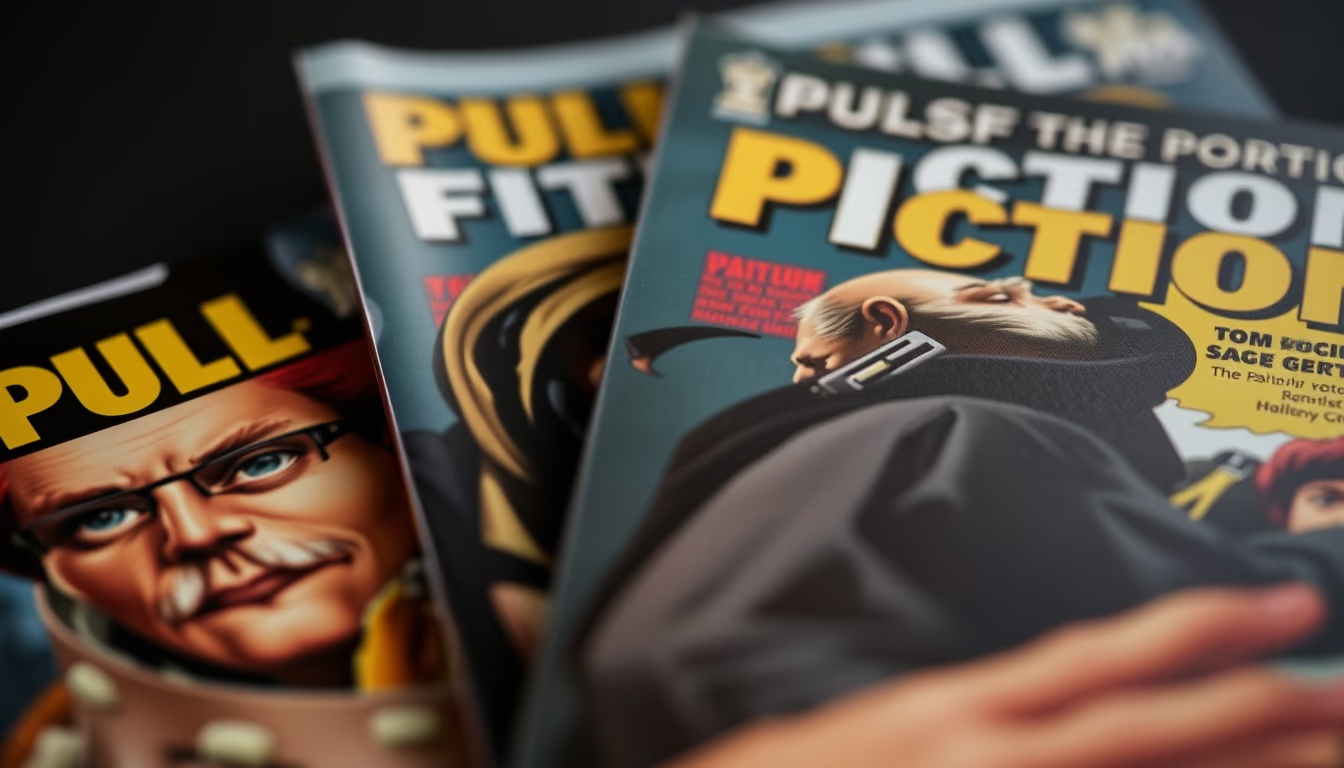
Pulp fiction covers
1344×768 · AVIF · CC BY 4.0
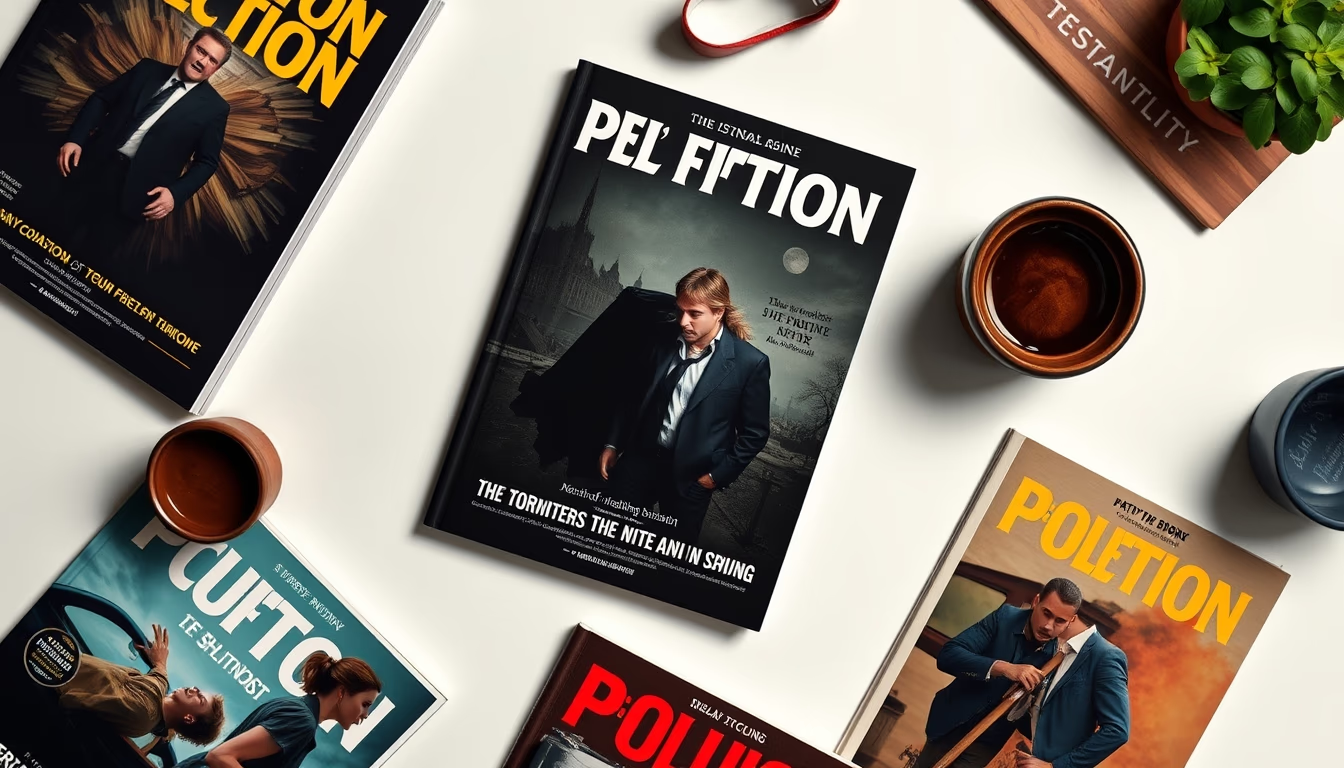
Pulp fiction covers are iconic pop culture artifacts from 20th-century America, featuring vibrant illustrations and sensationalist themes that defined genres like science fiction and noir.
About this subject
Pulp fiction covers marked an era in American popular literature from the 1920s to the 1950s. Published in cheap wood-pulp magazines, these works featured eye-catching illustrations and sensationalist text to attract readers. Genres like science fiction, fantasy, horror, and detective fiction flourished in this format, with titles such as 'Amazing Stories', 'Weird Tales', and 'Black Mask'.
The covers were created by specialized artists like Frank R. Paul, Margaret Brundage, and Robert Gibson Jones. They used bold colors, dramatic poses, and elements like monsters, damsels in distress, and exotic settings. The visual approach was key to selling the magazine on newsstands, competing with dozens of other titles. Many of these images became aesthetic references for cinema, comics, and graphic design.
Culturally, pulps served as a launching pad for authors like H.P. Lovecraft, Ray Bradbury, and Isaac Asimov, who began by publishing short stories in these magazines. The covers, though often stereotypical, captured the spirit of their time, from fear of technology to fascination with the unknown. Today, they are collected and studied as popular art, influencing movements like lowbrow and pop surrealism.
Frequently Asked Questions
What defines a pulp fiction cover?
A cheap magazine cover with colorful, dramatic illustrations, typically depicting action, horror, or romance scenes to attract newsstand buyers.
Which artists are famous for pulp covers?
Frank R. Paul is known as the 'father of science fiction pulp'. Margaret Brundage painted iconic covers for 'Weird Tales'. Robert Gibson Jones also excelled in the genre.
Did pulp covers influence modern pop culture?
Yes, they influenced films like 'Star Wars' and 'Indiana Jones', as well as comics and retro design. The visual style is often homage in posters and book covers.
Direct URL
https://pub-c7d6a6ea828543ac903a74a341ccb2e1.r2.dev/imagens/pulp-fiction-covers-isometric-flat-lay-fresh10.avifHow to credit
Include a visible link back to UtilizAí. Copy one of the snippets below:
<a href="https://xn--utiliza-eza.com/en/midia/imagens/pulp-fiction-covers-isometric-flat-lay-fresh10">Pulp fiction covers</a> by <a href="https://xn--utiliza-eza.com">UtilizAí</a>, licensed under <a href="https://creativecommons.org/licenses/by/4.0/">CC BY 4.0</a>.
[Pulp fiction covers](https://xn--utiliza-eza.com/en/midia/imagens/pulp-fiction-covers-isometric-flat-lay-fresh10) by [UtilizAí](https://xn--utiliza-eza.com), CC BY 4.0
License: CC-BY-4.0