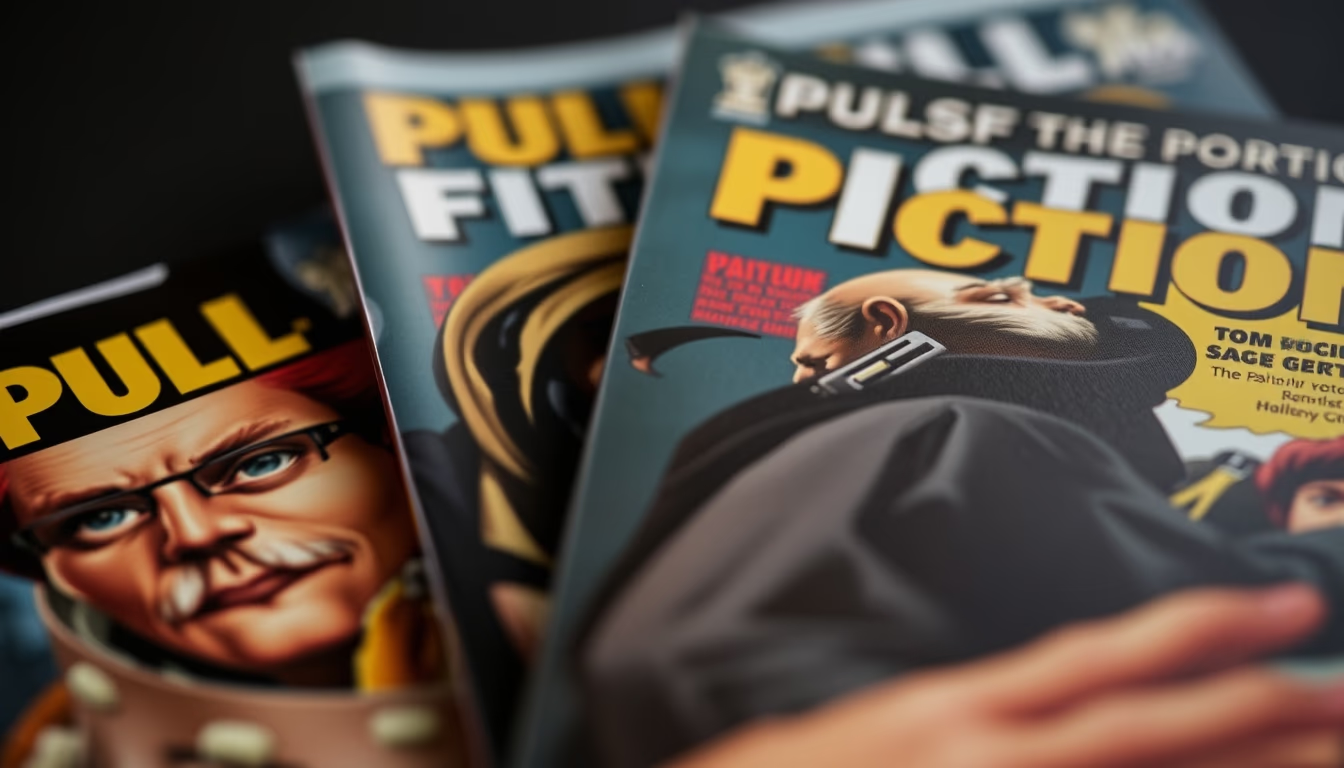
Pulp fiction covers
1344×768 · AVIF · CC BY 4.0
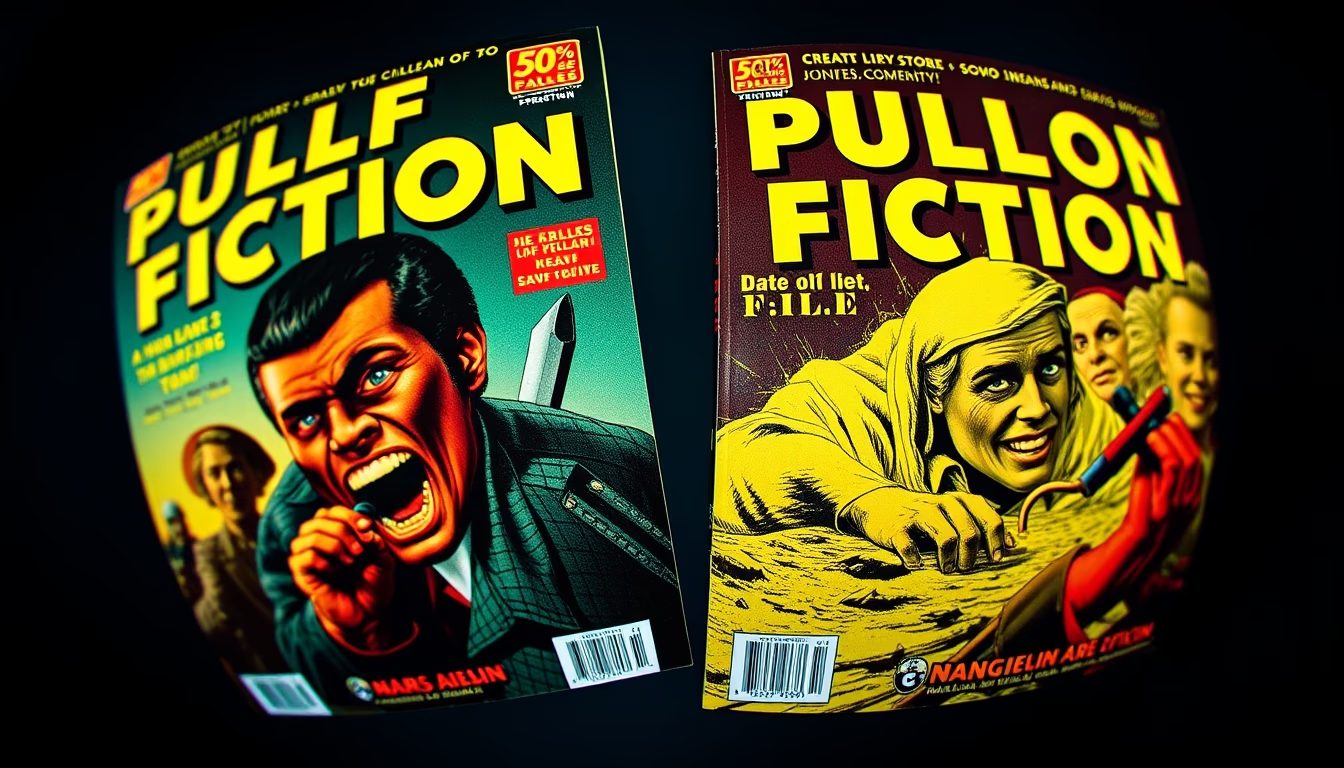
Pulp fiction covers defined American popular culture from the 1920s to the 1950s, blending vivid illustrations with genre narratives like science fiction, mystery, and horror.
About this subject
Pulp fiction magazine covers were a publishing phenomenon in the United States from the 1920s to the 1950s. These cheap magazines, printed on wood pulp paper (hence the term pulp), featured stories from genres like science fiction, fantasy, horror, mystery, and adventure. The covers were designed to catch readers' eyes on newsstands, with bold illustrations, vibrant colors, and dramatic scenes often depicting damsels in distress, monsters, or muscular heroes. Artists such as Frank R. Paul, Margaret Brundage, and Robert Gibson Jones became legends in the field, creating images now collected and studied as popular art.
The pulp format democratized genre literature, launching writers like H.P. Lovecraft, Ray Bradbury, and Isaac Asimov, who published early stories in these magazines. Covers didn't always match the stories' content but followed visual conventions that boosted sales. A classic example is Weird Tales, with surreal covers by Brundage. Amazing Stories, edited by Hugo Gernsback, focused on spaceships and aliens, defining the look of science fiction.
As pulp magazines declined in the 1950s, replaced by paperbacks and comic books, their covers became nostalgic items and influenced art movements like pop art and modern graphic design. Original cover art is now highly valued at auctions, and the style remains a reference for films, series, and books seeking a retro look. The term pulp fiction was also immortalized in cinema by Quentin Tarantino's eponymous film, which pays homage to this aesthetic.
Frequently Asked Questions
What defines a pulp fiction cover?
A pulp fiction cover is characterized by vibrant, dramatic illustrations, usually with strong colors and action or suspense scenes, designed to attract newsstand buyers. They depict genres like science fiction, horror, mystery, and adventure, often with exaggerated characters.
Which artists stood out on pulp fiction covers?
Artists like Frank R. Paul, Margaret Brundage, and Robert Gibson Jones are famous for their covers. Paul is known for spaceships and alien landscapes, while Brundage created surreal covers for Weird Tales with ghostly female figures.
Why are pulp fiction covers culturally important?
They represent a golden age of genre literature and influenced popular art, graphic design, and cinema. Their visual style is still recognized today, and the magazines helped launch writers like H.P. Lovecraft and Ray Bradbury.
Direct URL
https://pub-c7d6a6ea828543ac903a74a341ccb2e1.r2.dev/imagens/pulp-fiction-covers-fish-eye-wide-angle-fresh11.avifHow to credit
Include a visible link back to UtilizAí. Copy one of the snippets below:
<a href="https://xn--utiliza-eza.com/en/midia/imagens/pulp-fiction-covers-fish-eye-wide-angle-fresh11">Pulp fiction covers</a> by <a href="https://xn--utiliza-eza.com">UtilizAí</a>, licensed under <a href="https://creativecommons.org/licenses/by/4.0/">CC BY 4.0</a>.
[Pulp fiction covers](https://xn--utiliza-eza.com/en/midia/imagens/pulp-fiction-covers-fish-eye-wide-angle-fresh11) by [UtilizAí](https://xn--utiliza-eza.com), CC BY 4.0
License: CC-BY-4.0