Puffball spore release
1344×768 · AVIF · CC BY 4.0
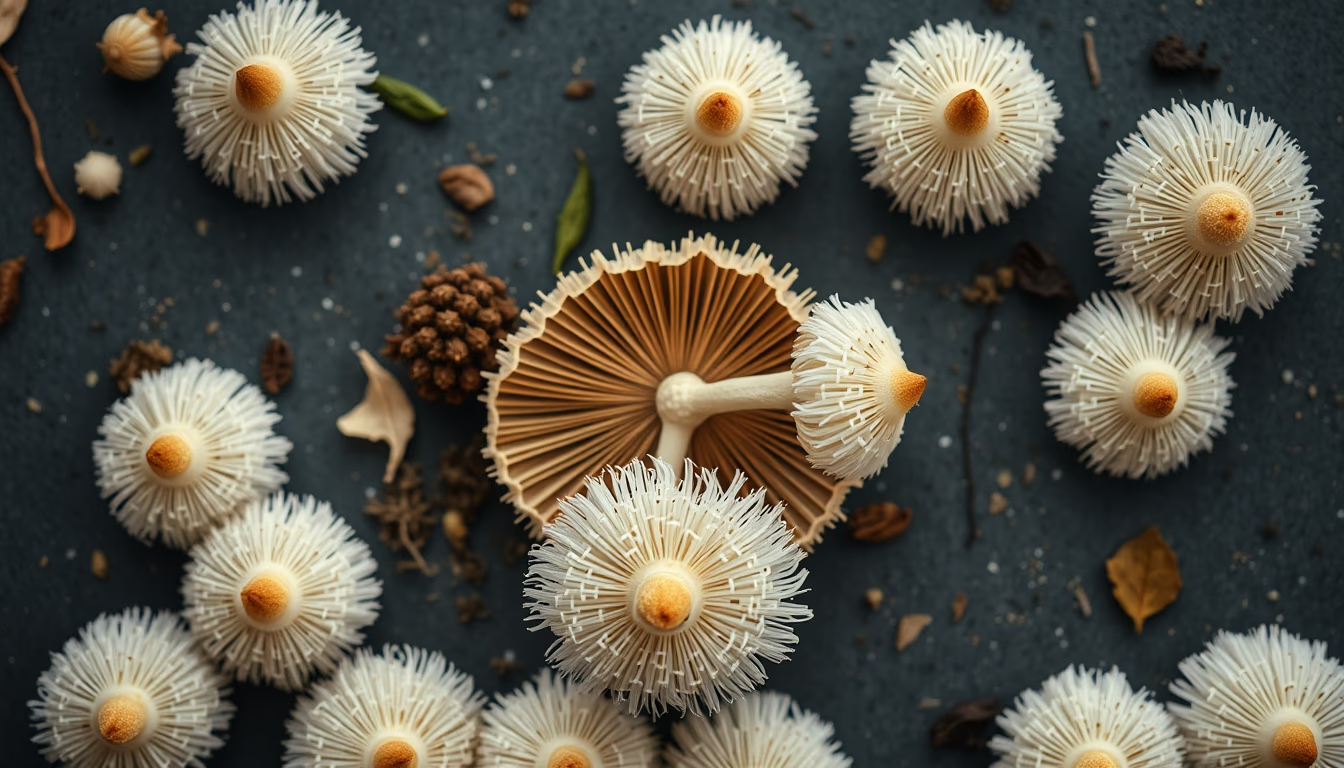
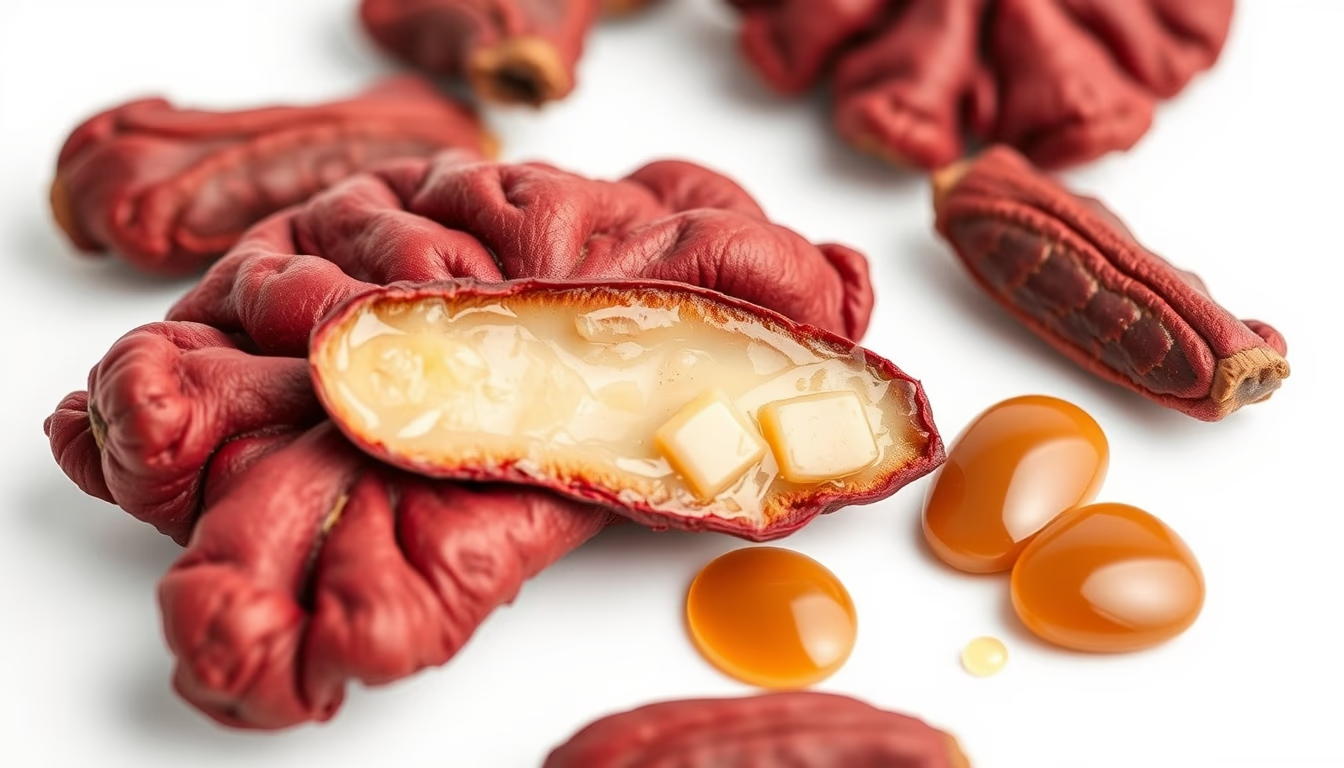
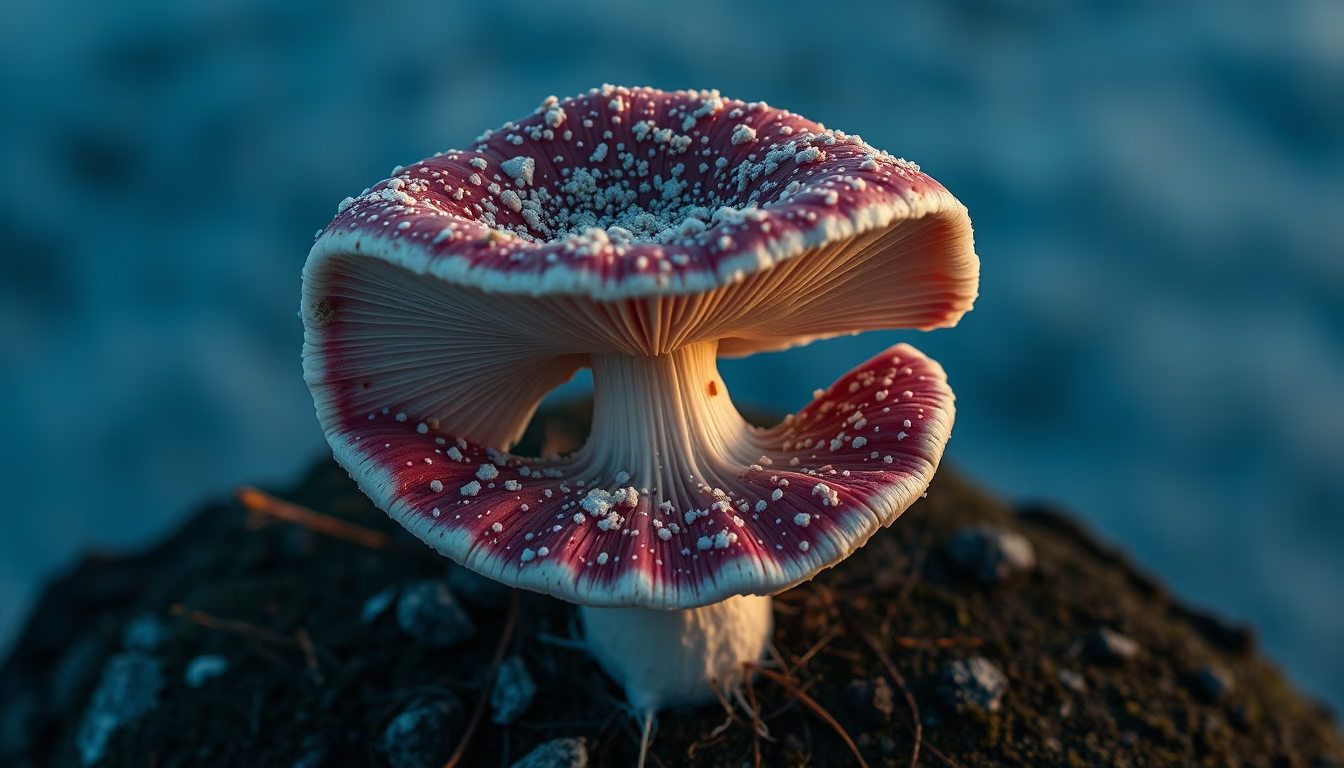
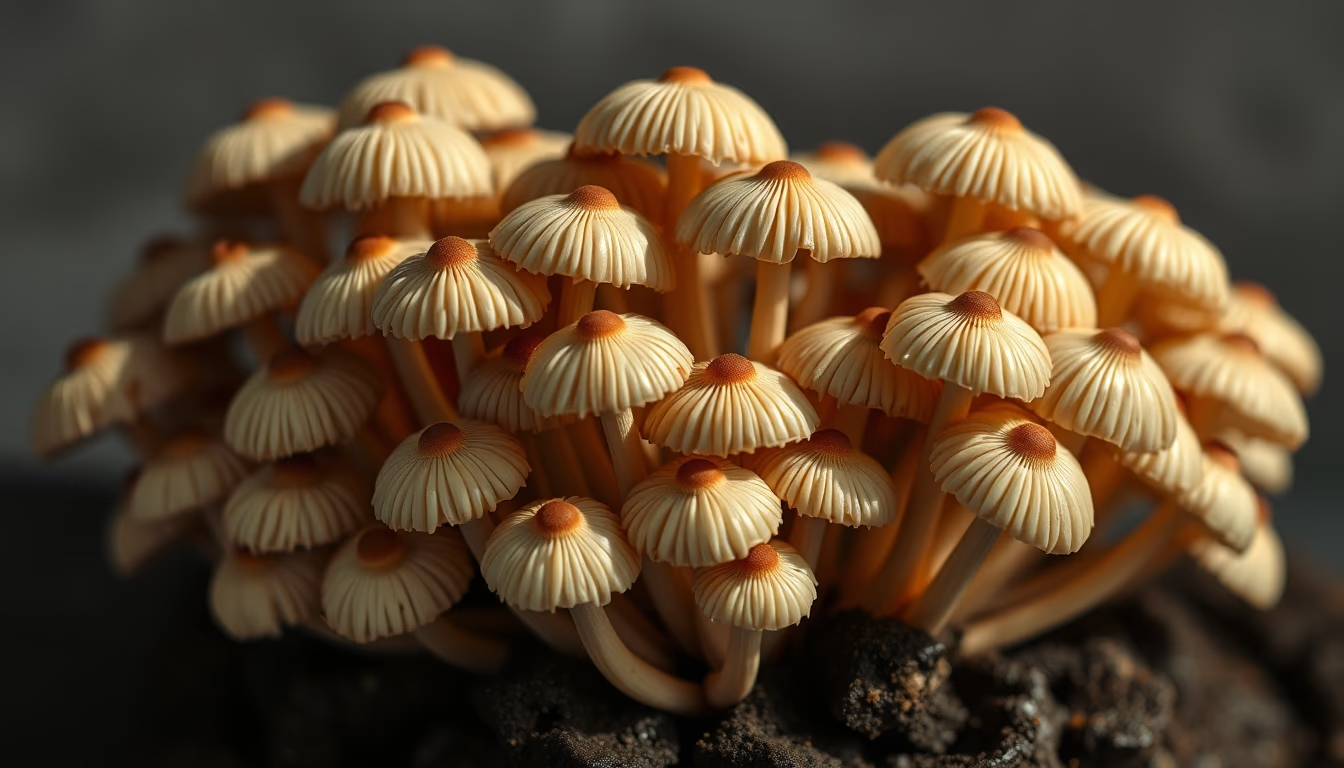
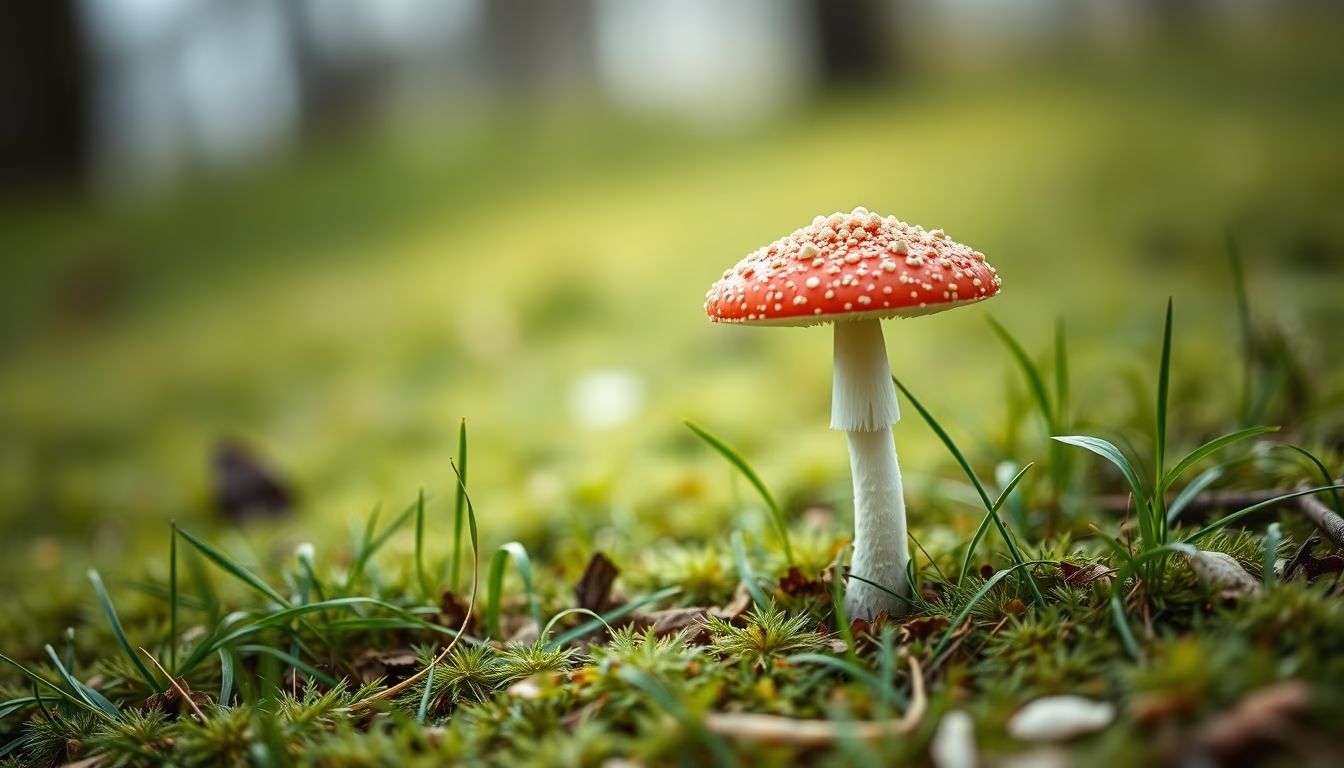
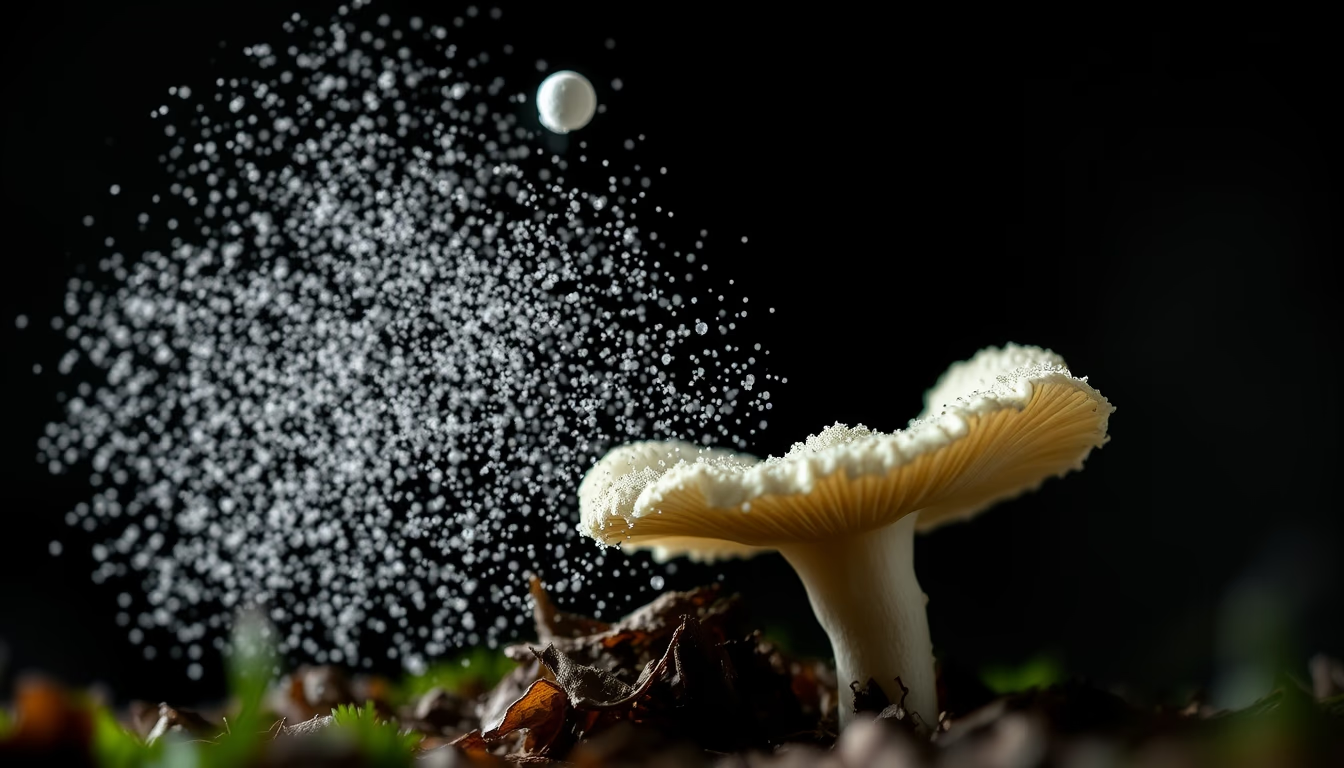
Puffballs are fungi that release clouds of spores when mature, a process known as puffing or spore explosion.
About this subject
Puffballs are a group of fungi in the division Basidiomycota, belonging to various families such as Lycoperdaceae and Agaricaceae. Unlike typical mushrooms, they lack exposed gills; their spores are produced internally in a structure called the gleba. When mature, the outer wall (peridium) ruptures or develops an opening, allowing spores to be released in bursts or clouds, often triggered by raindrops or animal contact.
This dispersal mechanism is highly efficient: a single puffball can contain trillions of spores. The release can be passive or active depending on the species. In some, like the genus Lycoperdon, the opening is a pore at the top (ostiole), and internal pressure or wind expels the spores. In others, like Calvatia gigantea (giant puffball), the wall cracks and disintegrates, exposing the powdery gleba.
Ecologically, puffballs are saprobes, decomposing dead organic matter in forests, fields, and gardens. Some species are edible when young (before spores darken), such as Lycoperdon perlatum, highly prized in some cultures. However, they must be harvested carefully as they can be mistaken for young toxic Amanita species (so-called "angel eggs").
Interestingly, the name "puffball" derives from the fact that when squeezed, they "puff" a cloud of spores. This natural spectacle is often captured in slow-motion videos, showcasing the beauty of the process. Additionally, puffballs have been used in folk medicine as a hemostatic (to stop bleeding) due to their spongy texture and absorbent properties.
Frequently Asked Questions
What are puffballs?
Puffballs are fungi that produce spores internally and release them in a cloud when mature. They lack exposed gills like common mushrooms.
How do puffballs release their spores?
The release occurs when the outer wall ruptures or opens, usually after impact from rain or touch. Spores are expelled in bursts or puffs.
Are puffballs edible?
Yes, some young species are edible, such as Lycoperdon perlatum. However, proper identification is crucial as they can be mistaken for toxic species.
Direct URL
https://pub-c7d6a6ea828543ac903a74a341ccb2e1.r2.dev/imagens/puffball-spore-release-isometric-flat-lay-p2.avifHow to credit
Include a visible link back to UtilizAí. Copy one of the snippets below:
<a href="https://xn--utiliza-eza.com/en/midia/imagens/puffball-spore-release-isometric-flat-lay-p2">Puffball spore release</a> by <a href="https://xn--utiliza-eza.com">UtilizAí</a>, licensed under <a href="https://creativecommons.org/licenses/by/4.0/">CC BY 4.0</a>.
[Puffball spore release](https://xn--utiliza-eza.com/en/midia/imagens/puffball-spore-release-isometric-flat-lay-p2) by [UtilizAí](https://xn--utiliza-eza.com), CC BY 4.0
License: CC-BY-4.0