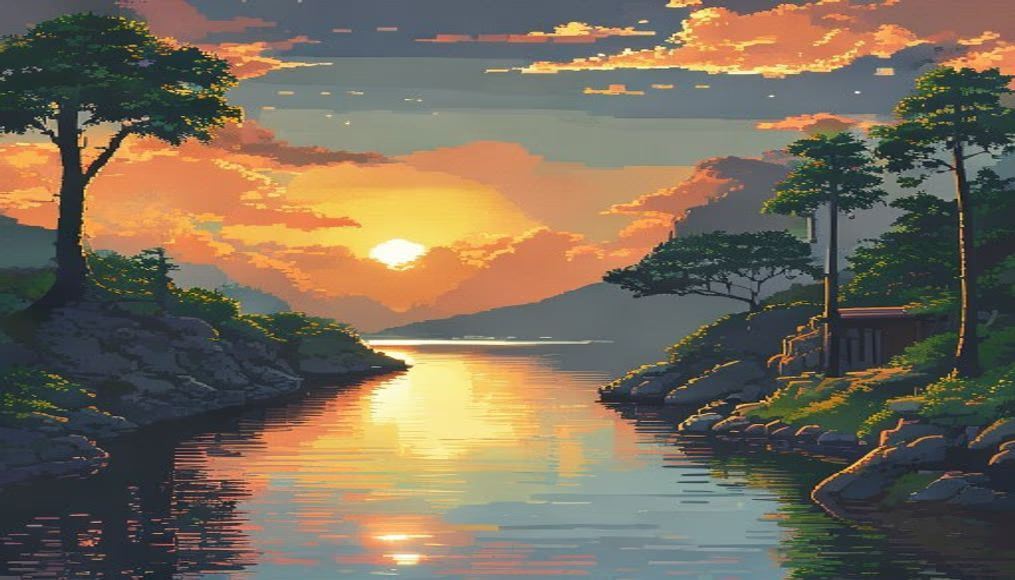
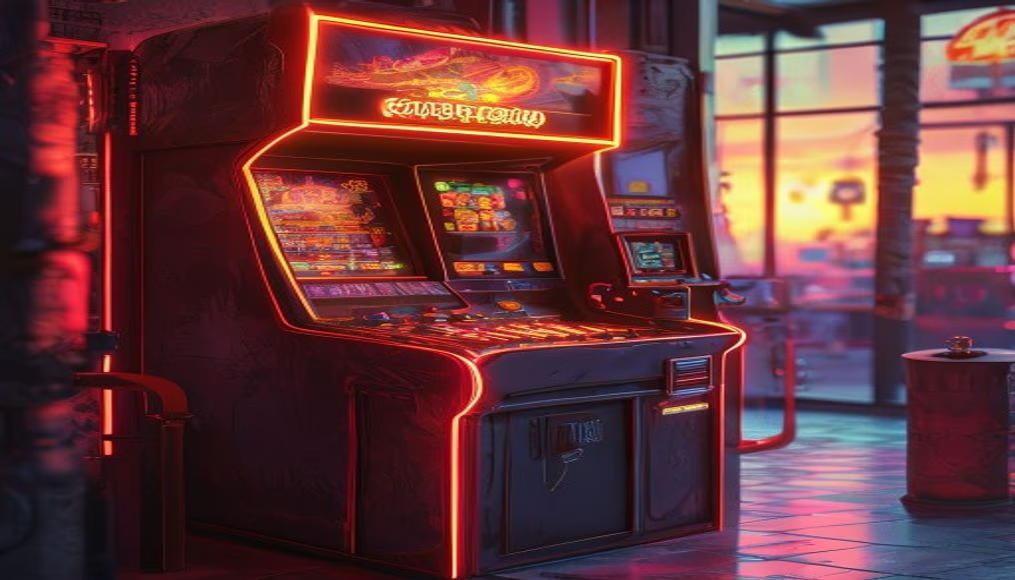
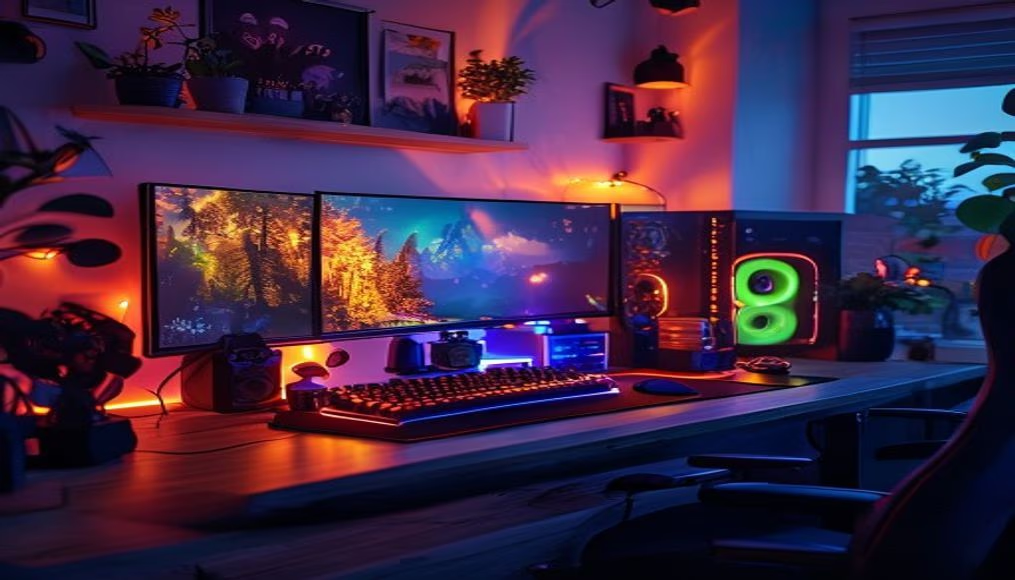
Pixel art retro game
1344×768 · AVIF · CC BY 4.0
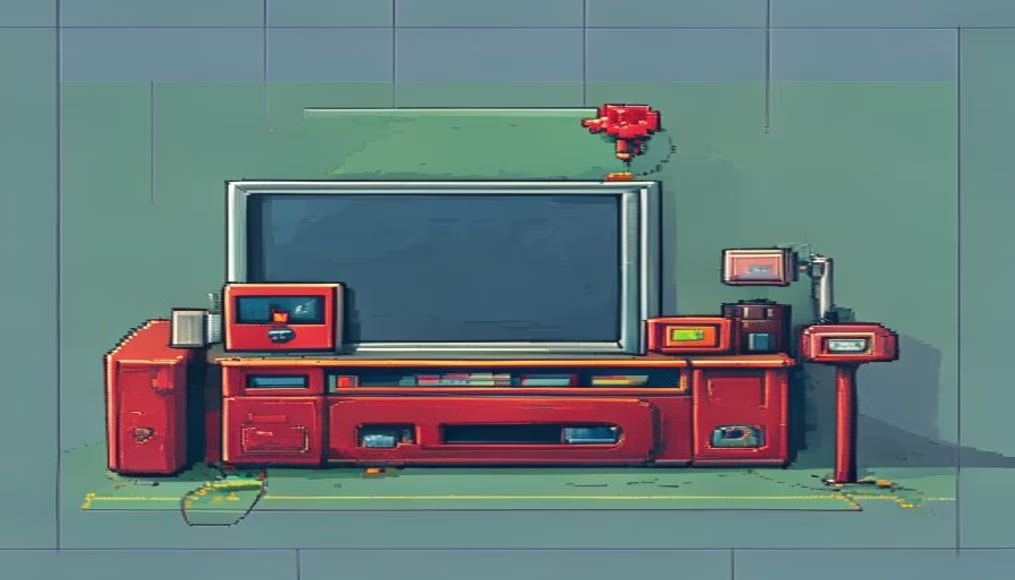
Pixel art aesthetics resurface in retro games, blending nostalgia with minimalist design that defined generations.
About this subject
Pixel art originated from the technical limitations of 1980s consoles and computers, such as the Atari 2600, NES, and Commodore 64. Each sprite was hand-drawn on low-resolution grids, resulting in an iconic blocky visual style with reduced color palettes. Classics like Pac-Man, Super Mario Bros., and The Legend of Zelda established this graphic language, which still evokes nostalgic memories of an era when imagination filled in the details.
Retrogaming culture drove the resurgence of pixel art, both in re-releases of old games and in contemporary indie productions. Titles like Stardew Valley, Celeste, and Fez prove that the style is not just nostalgia but an artistic choice that prioritizes gameplay and visual expression over realism. Furthermore, the historical preservation of classic games keeps the technique alive, taught in courses and online communities.
Interestingly, pixel art requires specific skills: each pixel is placed manually, respecting color and size limitations to create smooth animations. Works like those by eBoy show that pixel art has transcended games, being applied in illustrations, fashion, and graphic design. The technique also influenced contemporary art movements such as glitch art and low-poly digital art.
In the Brazilian scene, pixel art gained prominence with games like The Last Ninja and the demoscene, as well as artists recreating urban landscapes with blocks. The accessibility of tools like Aseprite and Piskel democratized creation, allowing anyone to experiment with the style. Whether for nostalgia or innovation, pixel art remains relevant as an art form and cultural expression.
Frequently Asked Questions
Why is pixel art still popular in games?
Because it evokes nostalgia, requires fewer technical resources, and allows a unique, recognizable artistic style. Many players appreciate the classic aesthetic and visual simplicity that highlights gameplay.
What are the most famous pixel art games?
Classics include Pac-Man, Super Mario Bros., The Legend of Zelda, and Sonic. Modern indie hits include Stardew Valley, Undertale, Celeste, and Shovel Knight.
How to create pixel art?
Use software like Aseprite, Piskel, or Photoshop. Work on a limited grid (e.g., 16x16 pixels), choose a small color palette, and draw frame by frame for animations. Practice manual pixel placement and avoid automatic gradients.
Direct URL
https://pub-c7d6a6ea828543ac903a74a341ccb2e1.r2.dev/imagens/pixel-art-retro-game-commercial-product-photography-v9.avifHow to credit
Include a visible link back to UtilizAí. Copy one of the snippets below:
<a href="https://xn--utiliza-eza.com/en/midia/imagens/pixel-art-retro-game-commercial-product-photography-v9">Pixel art retro game</a> by <a href="https://xn--utiliza-eza.com">UtilizAí</a>, licensed under <a href="https://creativecommons.org/licenses/by/4.0/">CC BY 4.0</a>.
[Pixel art retro game](https://xn--utiliza-eza.com/en/midia/imagens/pixel-art-retro-game-commercial-product-photography-v9) by [UtilizAí](https://xn--utiliza-eza.com), CC BY 4.0
License: CC-BY-4.0