Pirate ship reconstruction
1344×768 · AVIF · CC BY 4.0
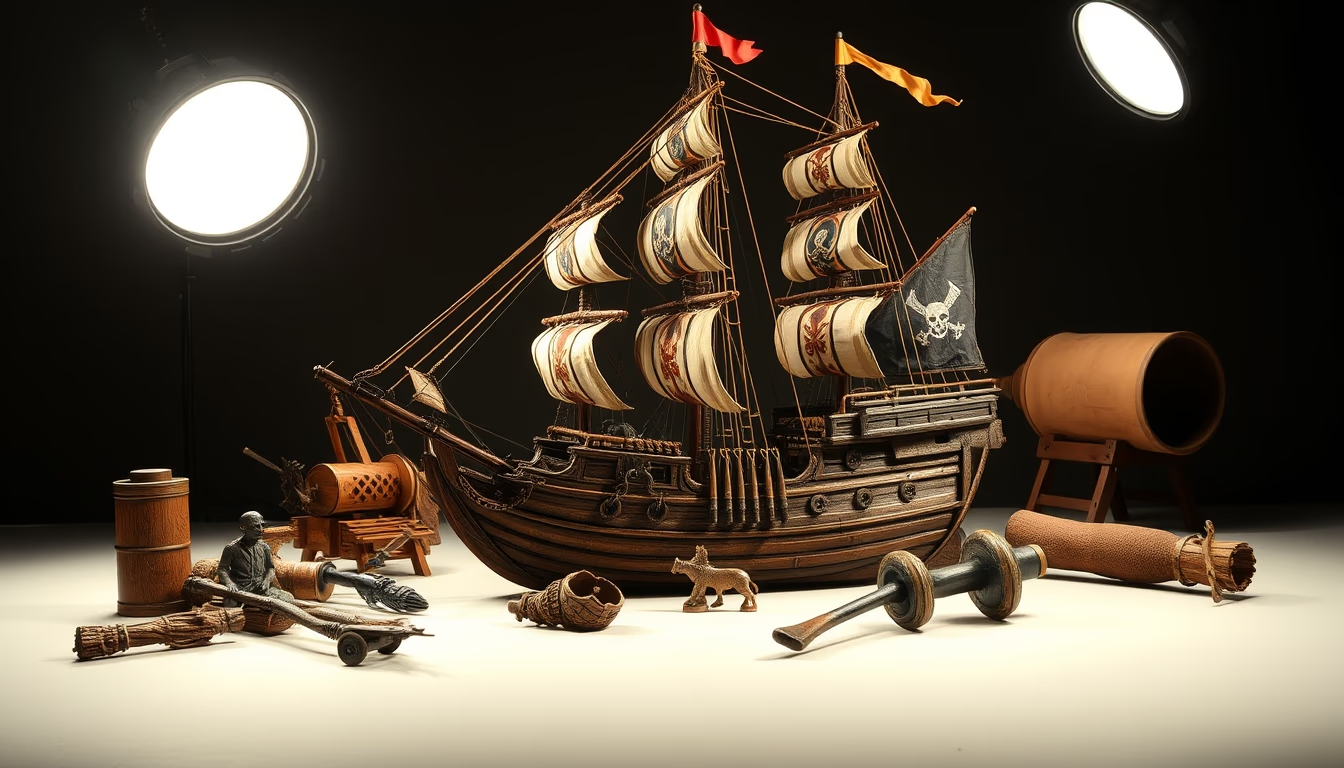
Pirate ship reconstruction, blending nautical archaeology and craftsmanship, reveals details of 17th- and 18th-century maritime life.
About this subject
Pirate ship reconstruction is a fascinating field that merges history, archaeology, and naval modeling. Unlike well-documented military or merchant vessels, pirate ships were often captured or improvised, making their recreation challenging. Marine archaeologists analyze wrecks such as the Whydah Gally, sunk in 1717, to identify construction techniques and adaptations made by pirates, like adding more cannons or removing internal partitions to increase cargo space.
Modelers and museums use historical records, period paintings, and underwater finds to build scale replicas. The process starts with researching the hull, rigging, and armaments typical of ships like brigs, schooners, and frigates that pirates favored. Every detail, from the type of wood to the rigging, is chosen to reflect 17th-century reality. For instance, pine or oak usage varied depending on the vessel's origin.
In Brazil, pirate ship reconstruction gains historical context with the presence of corsairs and buccaneers who attacked coastal cities like Salvador and Rio de Janeiro. Bartholomew Roberts' 'Royal Fortune' or Edward Teach's (Blackbeard) flagship are frequently recreated. Interactive exhibits, such as those at the Sea Museum in Santos, use these replicas to teach about celestial navigation and daily life aboard.
Interestingly, reconstruction is not limited to appearance: modern sailors test the maneuverability of replicas at sea, confirming theories on how pirates escaped warships. These recreations also feed the entertainment industry, providing models for films and theme parks, often with artistic liberties. The balance between historical accuracy and practical feasibility makes each project a unique adventure.
Frequently Asked Questions
What is the main challenge in reconstructing a pirate ship?
The main challenge is the lack of precise documentation, since most pirate ships were adapted from other vessels and few original plans survived. Archaeologists rely on wrecks, contemporary accounts, and paintings to infer details.
What types of ships did pirates most commonly use?
Pirates favored fast and maneuverable vessels like brigs, schooners, and light frigates. These ships allowed them to chase prey and escape from larger warships.
Where can I see pirate ship replicas in Brazil?
Museums such as the Sea Museum in Santos (SP) and the Naval Museum in Rio de Janeiro (RJ) have exhibits with models and reconstructions. Nautical events also display sailing replicas.
Direct URL
https://pub-c7d6a6ea828543ac903a74a341ccb2e1.r2.dev/imagens/pirate-ship-reconstruction-studio-still-life-p6.avifHow to credit
Include a visible link back to UtilizAí. Copy one of the snippets below:
<a href="https://xn--utiliza-eza.com/en/midia/imagens/pirate-ship-reconstruction-studio-still-life-p6">Pirate ship reconstruction</a> by <a href="https://xn--utiliza-eza.com">UtilizAí</a>, licensed under <a href="https://creativecommons.org/licenses/by/4.0/">CC BY 4.0</a>.
[Pirate ship reconstruction](https://xn--utiliza-eza.com/en/midia/imagens/pirate-ship-reconstruction-studio-still-life-p6) by [UtilizAí](https://xn--utiliza-eza.com), CC BY 4.0
License: CC-BY-4.0