Pirate ship reconstruction
1344×768 · AVIF · CC BY 4.0
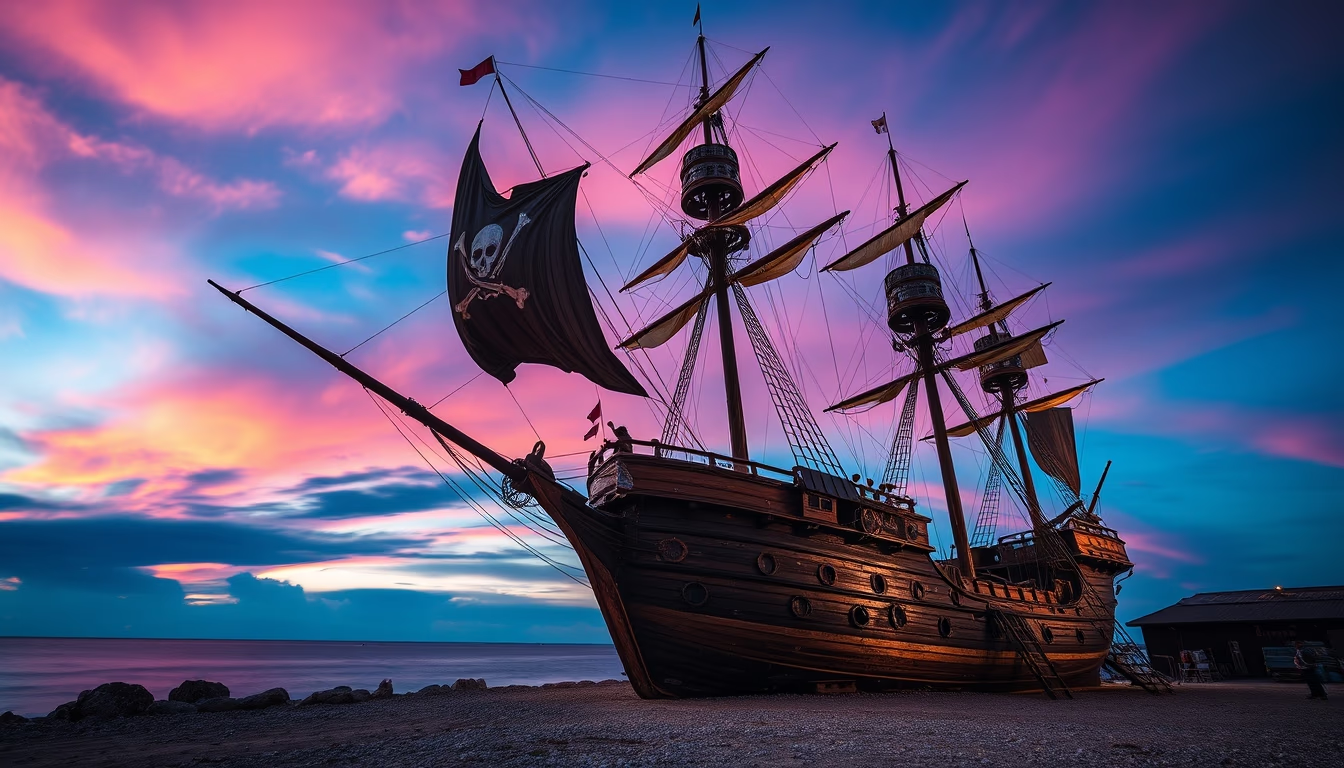
The reconstruction of historic pirate ships combines nautical archaeology with traditional shipbuilding techniques.
About this subject
The reconstruction of pirate ships involves research in historical archives, analysis of shipwrecks, and the use of native timber to recreate vessels like frigates, brigantines, and schooners from the 17th and 18th centuries. These projects are led by naval museums, universities, and historical reenactment groups. A notable example is the replica of the 'Whydah Gally', a pirate ship wrecked in 1717, whose reconstruction project in Cape Cod uses period shipbuilding techniques and artifacts recovered from the archaeological site. Another famous recreation is the 'Queen Anne’s Revenge', Blackbeard’s flagship, which was built in North Carolina based on period documents and woods such as white oak and pine.
Building replicas demands years of manual labor: from carving curved frames (futtocks) to caulking with oakum and pitch. Master shipwrights train apprentices using adzes, hand saws, and planes, keeping a centuries-old tradition alive. Reconstructed ships often sail at maritime festivals, giving the public an immersive experience of life on board. They also serve as educational platforms about Caribbean piracy, the triangular trade, and navigation routes.
Interestingly, many reconstructions incorporate modern safety equipment (bilge pumps, radios) without altering the historical appearance. The process also yields valuable data on sail performance and maneuverability of period ships. Long-exposure photography of these hulls in shipyards highlights the patience and precision of craftwork, contrasting raw timber with contemporary tools.
Frequently Asked Questions
Why are historic pirate ships reconstructed?
To preserve maritime heritage, educate the public about the golden age of piracy, and test theories about period shipbuilding and navigation.
How do builders know the exact appearance of the ship?
They rely on period plans, paintings, shipwreck accounts, and recovered artifacts, but not all details are known, requiring interpretation.
Do these replicas sail or are they just on display?
Many sail at festivals and events, but some are kept in dry docks for preservation. All undergo rigorous safety inspections.
Direct URL
https://pub-c7d6a6ea828543ac903a74a341ccb2e1.r2.dev/imagens/pirate-ship-reconstruction-long-exposure-p7.avifHow to credit
Include a visible link back to UtilizAí. Copy one of the snippets below:
<a href="https://xn--utiliza-eza.com/en/midia/imagens/pirate-ship-reconstruction-long-exposure-p7">Pirate ship reconstruction</a> by <a href="https://xn--utiliza-eza.com">UtilizAí</a>, licensed under <a href="https://creativecommons.org/licenses/by/4.0/">CC BY 4.0</a>.
[Pirate ship reconstruction](https://xn--utiliza-eza.com/en/midia/imagens/pirate-ship-reconstruction-long-exposure-p7) by [UtilizAí](https://xn--utiliza-eza.com), CC BY 4.0
License: CC-BY-4.0