Pinball machine 1970s
1344×768 · AVIF · CC BY 4.0
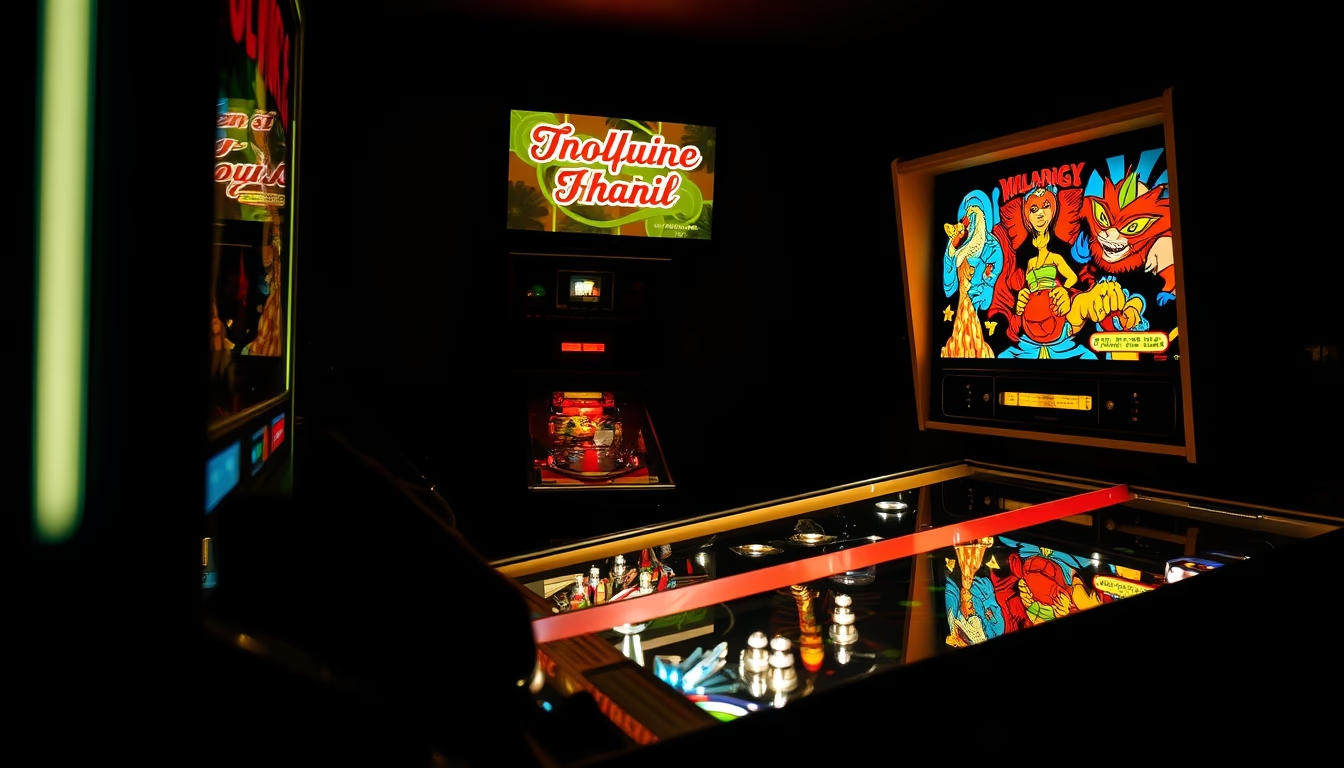
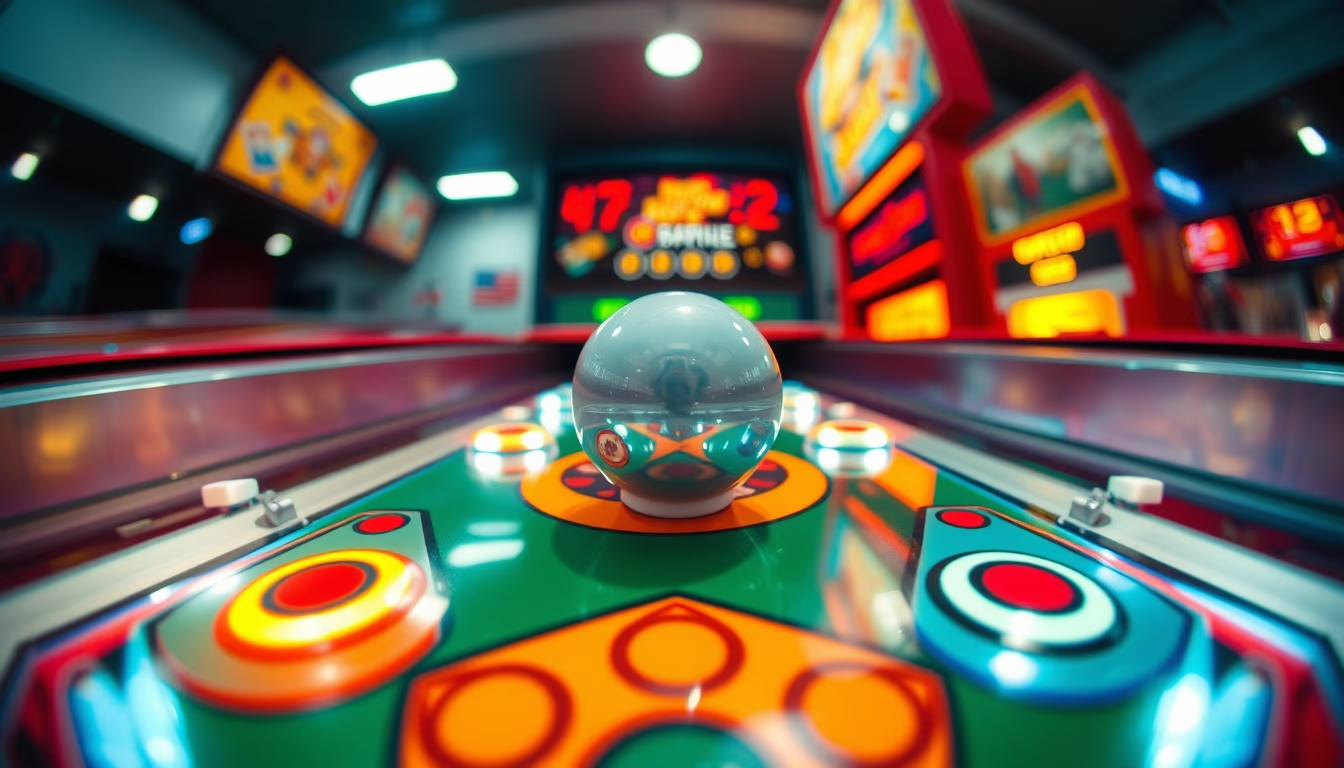
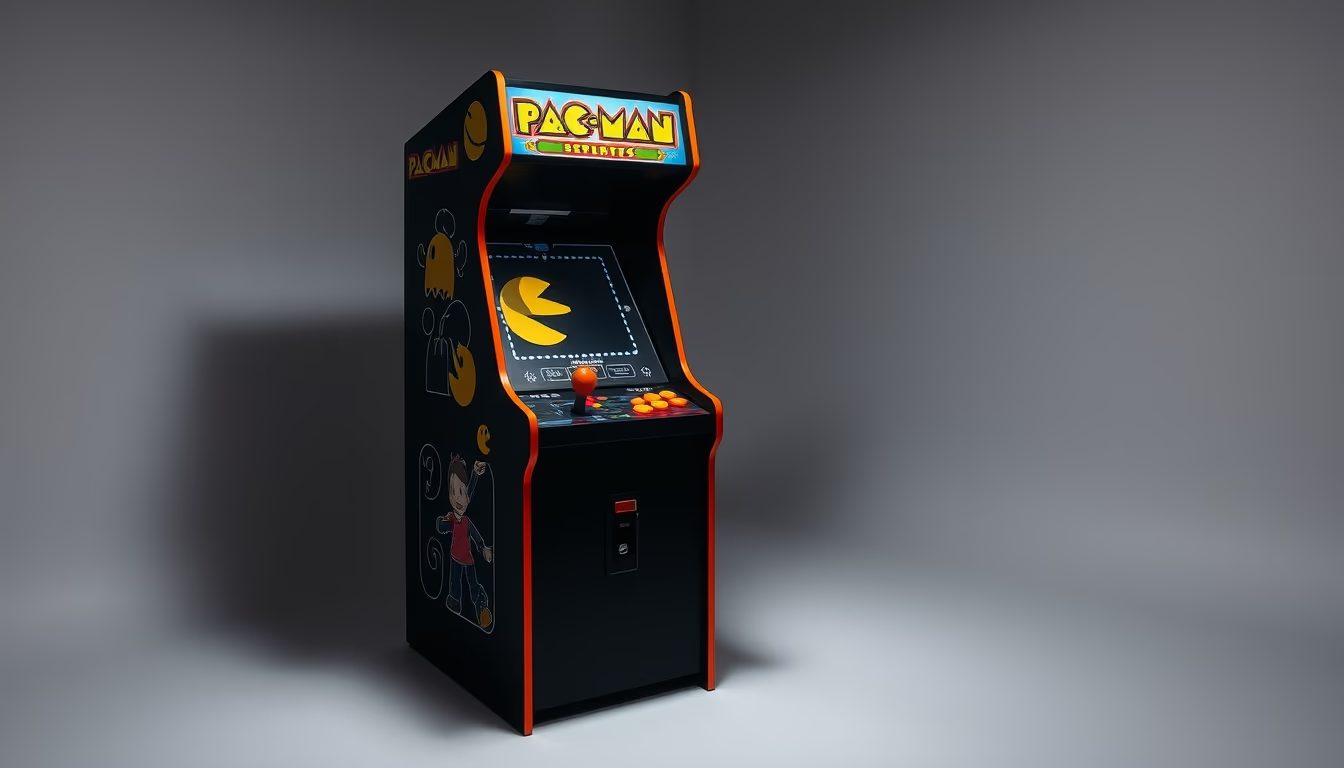
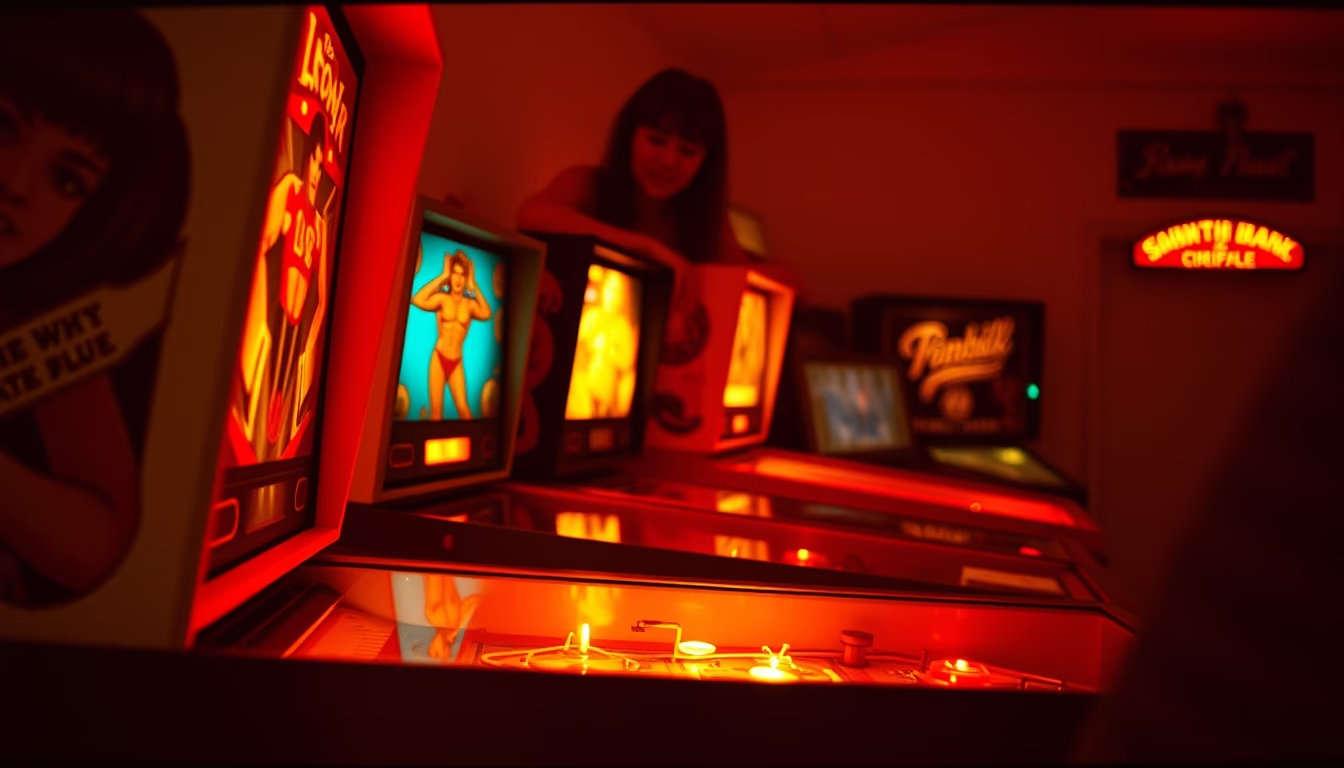
1970s pinball machines defined the golden age of arcades, blending electromechanical design with psychedelic themes and pop culture.
About this subject
1970s pinball machines represent an iconic era in gaming history. Unlike later electronic models, these machines were essentially electromechanical: they used relays, solenoids, and score reels to control scoring and sound effects. The visual design was striking, with hand-painted backglasses depicting themes ranging from psychedelic rock to Westerns and space motifs. Manufacturers like Gottlieb, Bally, and Williams dominated the market, and each machine had a unique personality.
The game's physics were purely mechanical: the player pulled a plunger to launch the ball, which then traveled through a series of targets, ramps, and flippers. Bumpers, activated by electrical contacts, awarded extra points and triggered colorful lights. Maintenance was frequent as parts wore down, but the system's simplicity made repairs accessible. In arcades, machines were lined up side by side, creating a competitive, noisy atmosphere of clinks, buzzes, and bells.
The 1970s were the peak of pinball culture in the United States, before video games took over. Informal tournaments happened in bars and halls, and skilled players were admired. Each machine's design reflected contemporary trends like disco and psychedelia. Today, these machines are collector's items, worth thousands of dollars when restored with original parts. Pinball also influenced digital game design, with many video games attempting to capture the tactile, random feel of the physical game.
Frequently Asked Questions
How did 1970s pinball machines work?
They were electromechanical: the player launched the ball with a plunger, and electrical contacts on targets and bumpers activated relays and solenoids to score points and light up lights. No microprocessors.
Which manufacturers were most famous in the 1970s?
Gottlieb, Bally, and Williams were the leaders. Each produced dozens of themed models, such as Close Encounters (Bally) and Jacks Open (Gottlieb).
Why are 1970s pinball machines so valuable today?
Due to handcrafted design, nostalgia, and rarity. Many were lost or cannibalized. Restored models can cost between $1,000 and $5,000.
Direct URL
https://pub-c7d6a6ea828543ac903a74a341ccb2e1.r2.dev/imagens/pinball-machine-1970s-rembrandt-lighting-dramatic-shadows-fresh4.avifHow to credit
Include a visible link back to UtilizAí. Copy one of the snippets below:
<a href="https://xn--utiliza-eza.com/en/midia/imagens/pinball-machine-1970s-rembrandt-lighting-dramatic-shadows-fresh4">Pinball machine 1970s</a> by <a href="https://xn--utiliza-eza.com">UtilizAí</a>, licensed under <a href="https://creativecommons.org/licenses/by/4.0/">CC BY 4.0</a>.
[Pinball machine 1970s](https://xn--utiliza-eza.com/en/midia/imagens/pinball-machine-1970s-rembrandt-lighting-dramatic-shadows-fresh4) by [UtilizAí](https://xn--utiliza-eza.com), CC BY 4.0
License: CC-BY-4.0