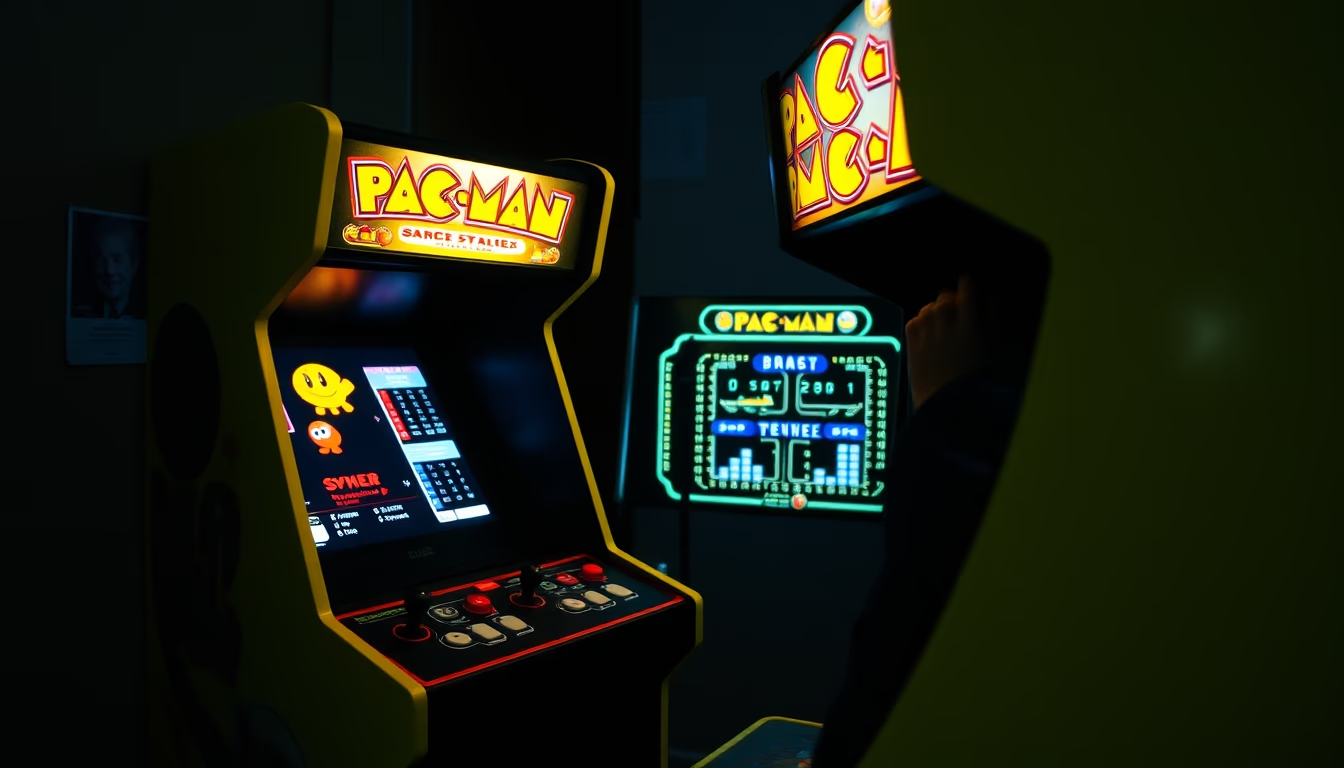
Pacman cabinet arcade
1344×768 · AVIF · CC BY 4.0
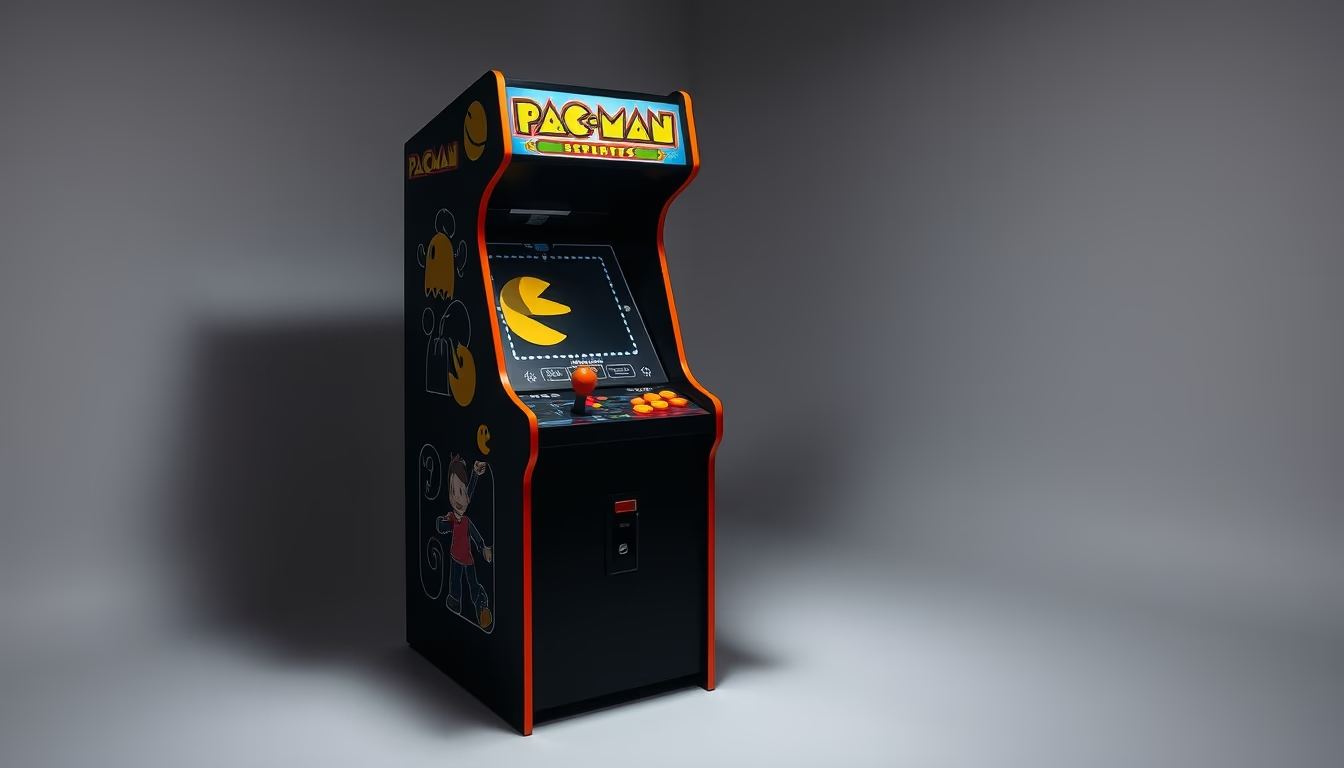
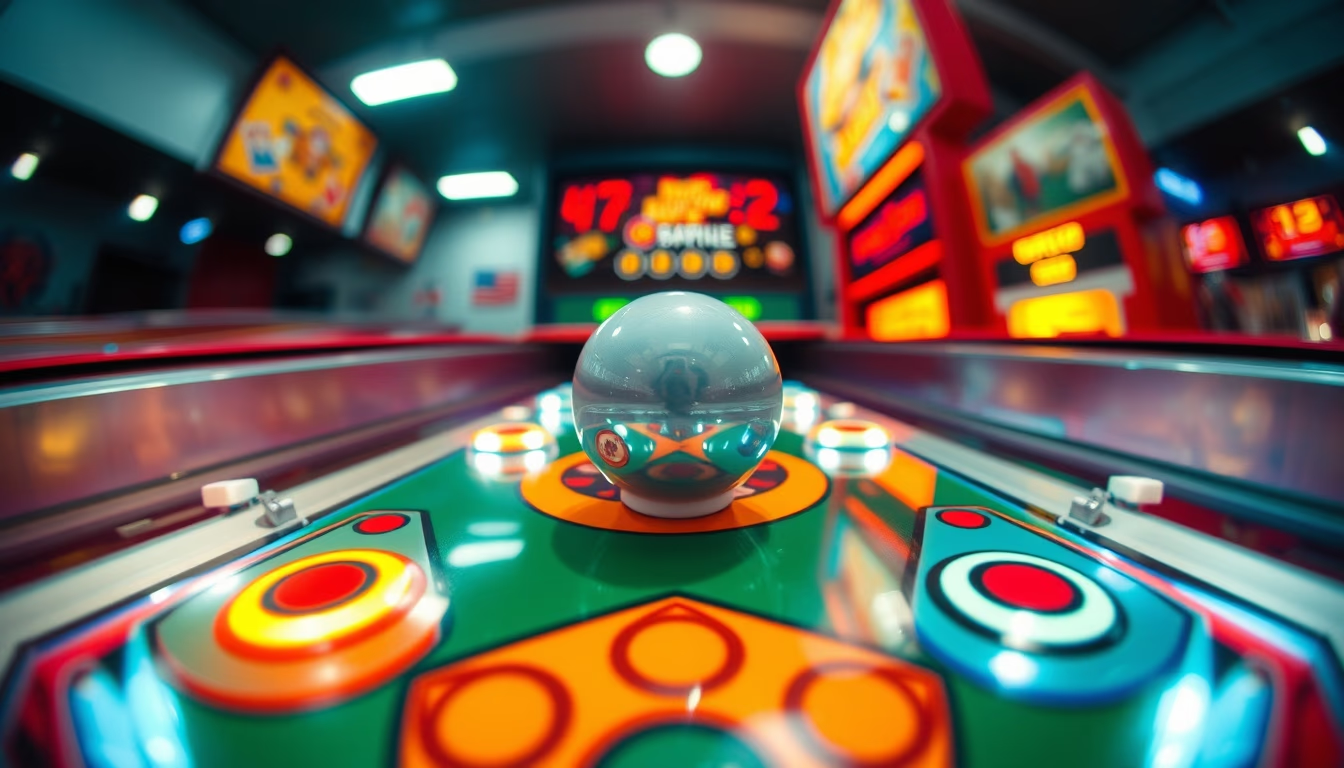
The iconic Pac-Man arcade cabinet, released in 1980 by Namco, revolutionized the video game industry with its colorful maze and captivating characters.
About this subject
The Pac-Man arcade cabinet is one of the most recognizable symbols of classic video gaming. Created by Japanese designer Toru Iwatani, the game was inspired by a pizza with a missing slice and aimed to attract a broader audience, especially women, to arcade halls. The maze, the colorful ghosts, and the simple but addictive soundtrack became trademarks. The original machine used Z80-based hardware, with graphics running at 224x256 pixels and 32 simultaneous colors.
Its success was staggering: over 293,000 cabinets were sold worldwide, generating more than $2.5 billion in quarters by the 1990s. Pac-Man entered the Guinness World Records as the most successful arcade game of all time. The craze spilled into other media: an animated TV series, hit songs like 'Pac-Man Fever' by Buckner & Garcia, and countless licensed products from T-shirts to cereal boxes.
The cabinet's design also fueled its fame. With wooden sides, glass panels, and a 19-inch CRT monitor, the machine was sturdy and easily recognizable. The joystick and action buttons were intuitive. Interestingly, original cabinets had a 'Made in Japan' sticker and a serial number on the back. Over the years, many units were refurbished or converted to other games, but pristine examples are now valuable collector's items.
Today, Pac-Man is celebrated globally as cultural heritage. In 2015, an original cabinet was added to the Museum of Modern Art (MoMA) in New York, alongside other design classics. The legacy lives on through re-releases on modern consoles and miniaturized home versions like the Pac-Man's Arcade Party. The vintage cabinet remains an icon of retrogaming and a nostalgic touchstone for generations.
Frequently Asked Questions
Who created Pac-Man and when was it released?
Pac-Man was created by Japanese designer Toru Iwatani and released by Namco in 1980.
What was Pac-Man's cultural impact in the 1980s?
It became a global phenomenon, spawning an animated TV series, a hit song ('Pac-Man Fever'), and countless licensed products.
Can original Pac-Man cabinets still be found?
Yes, in museums, private collections, and retro events. Replicas and mini versions are also popular.
Direct URL
https://pub-c7d6a6ea828543ac903a74a341ccb2e1.r2.dev/imagens/pacman-cabinet-arcade-studio-still-life-fresh18.avifHow to credit
Include a visible link back to UtilizAí. Copy one of the snippets below:
<a href="https://xn--utiliza-eza.com/en/midia/imagens/pacman-cabinet-arcade-studio-still-life-fresh18">Pacman cabinet arcade</a> by <a href="https://xn--utiliza-eza.com">UtilizAí</a>, licensed under <a href="https://creativecommons.org/licenses/by/4.0/">CC BY 4.0</a>.
[Pacman cabinet arcade](https://xn--utiliza-eza.com/en/midia/imagens/pacman-cabinet-arcade-studio-still-life-fresh18) by [UtilizAí](https://xn--utiliza-eza.com), CC BY 4.0
License: CC-BY-4.0