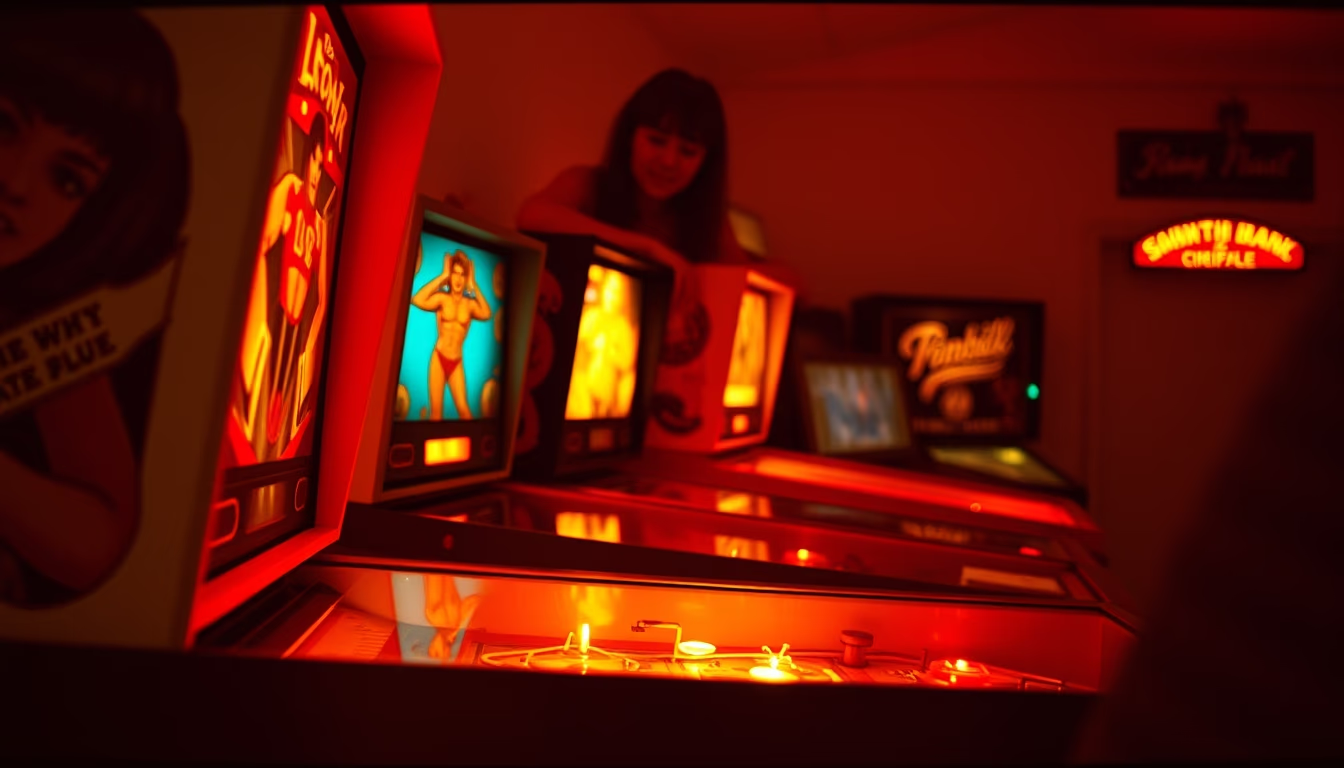
Pinball machine 1970s
1344×768 · AVIF · CC BY 4.0
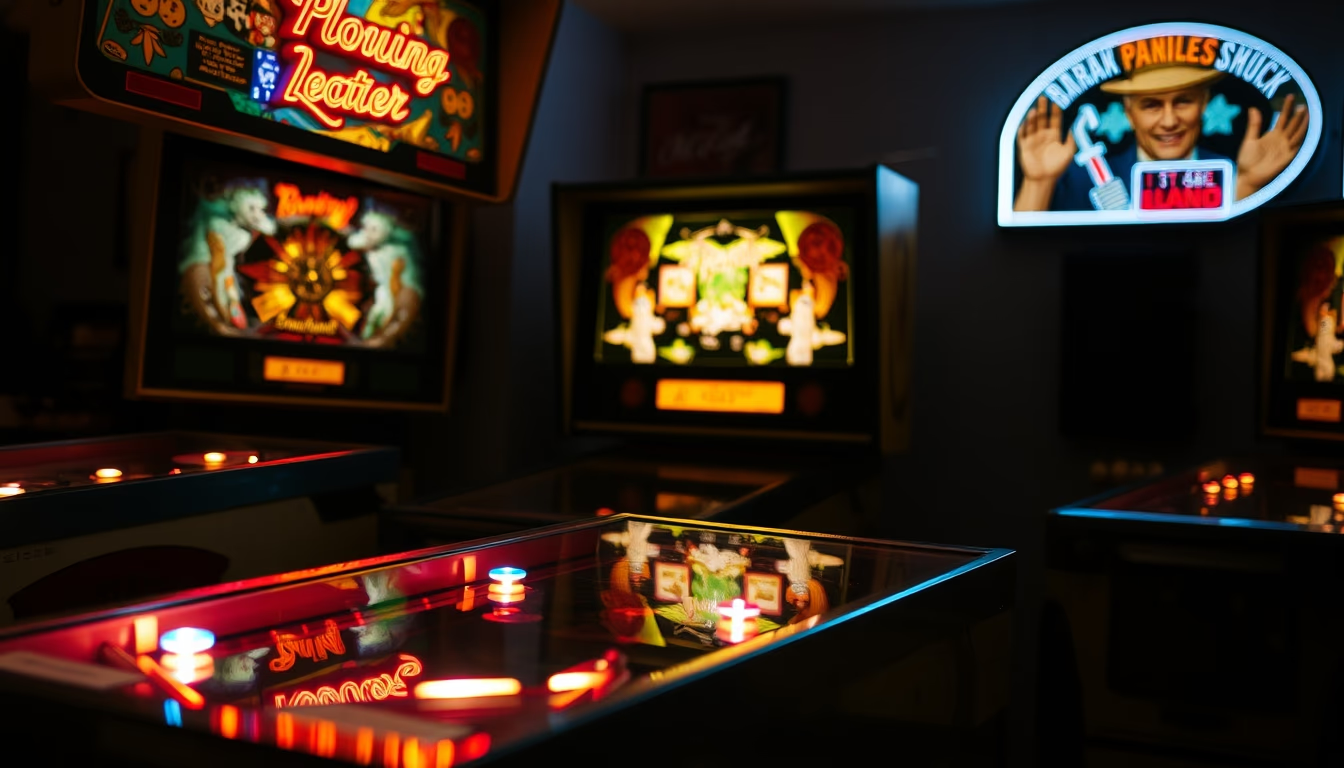
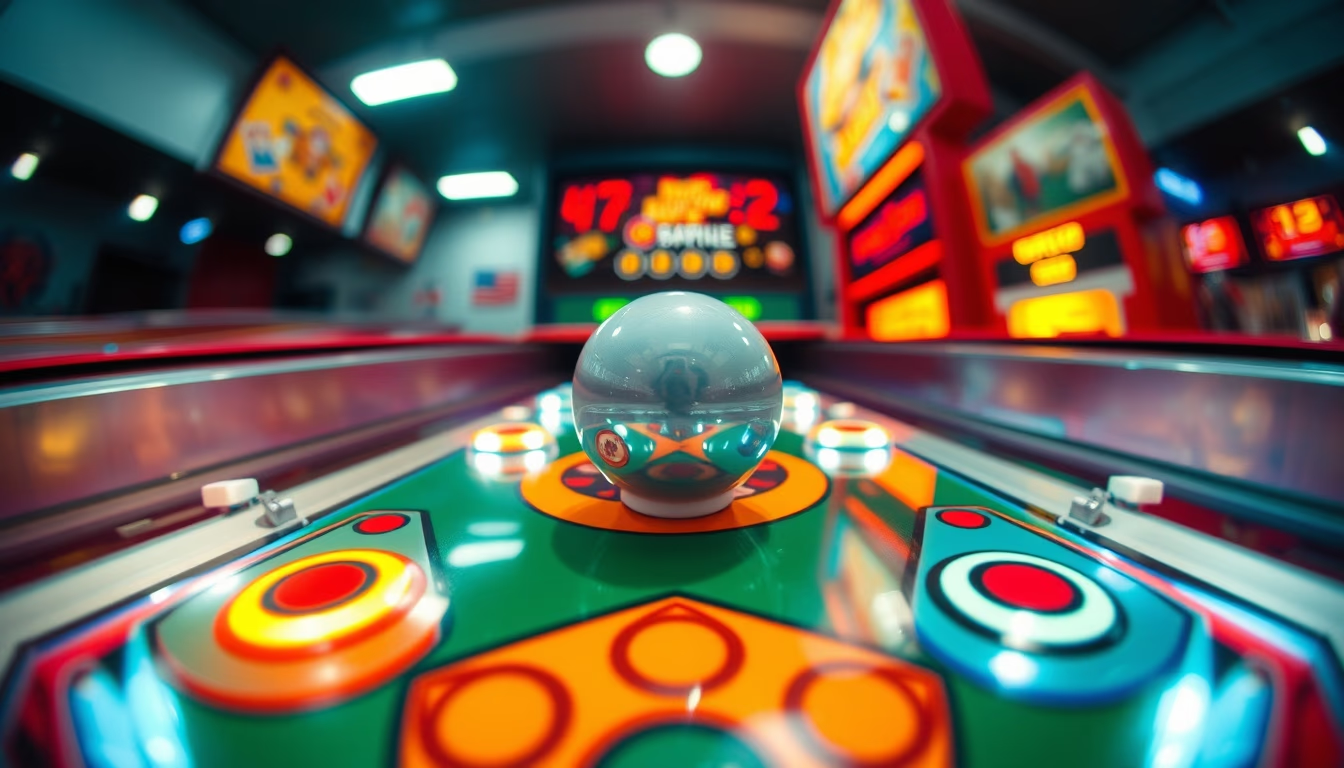
1970s pinball machines represent the golden age of arcade gaming, featuring electromechanical designs and creative themes that defined a generation.
About this subject
1970s pinball machines are icons of pop culture and arcade history. Manufacturers like Gottlieb, Bally, and Williams dominated the market, producing electromechanical models that combined challenging gameplay with vibrant artwork. Unlike the video games that would later emerge, pinball of this decade relied on physical mechanisms: springs, solenoids, score reels with rollers, and relays. Each game was a tactile experience, with the player controlling flippers to keep the ball in play.
Themes of the machines reflected contemporary trends: sports, cars, disco music, westerns, and science fiction. Classic models like 'Fireball' (Bally, 1975) and 'Eight Ball' (Gottlieb, 1976) became legendary. Playfield layouts included bumpers, targets, ramps, and slingshots, requiring quick reflexes and strategy. Many machines introduced 'multiball' and special bonuses, innovations that increased excitement.
Culturally, pinball was a social hub in bars, diners, and game rooms. Informal tournaments and the pursuit of high scores fostered a loyal community. In 1976, the New York Supreme Court declared pinball a game of skill, not chance, lifting bans in several US cities. This legal milestone boosted popularity.
The late 1970s saw the transition to solid-state machines (with microprocessors), such as Williams' 'Gorgar' (1979). Although electromechanicals were still common, digital technology began to dominate the 1980s. Today, these machines are collector's items, restored and valued for their history and unique mechanics.
Frequently Asked Questions
What distinguishes a 1970s pinball machine from modern ones?
1970s machines are predominantly electromechanical, using relays, solenoids, and physical score reels. Modern ones are digital, with LCD screens, complex rule sets, and advanced audio. The older models require more frequent maintenance but offer a mechanical and nostalgic experience.
Which are the most famous pinball manufacturers of the 1970s?
The three main manufacturers were Gottlieb, Bally, and Williams. Gottlieb produced models like 'Fast Draw' and 'Spririt of 76', Bally launched 'Fireball' and 'The Wizard!', and Williams created 'Wild Card' and 'Gorgar'.
Why was pinball banned in some US cities?
Pinball was considered a game of chance, especially when machines offered cash prizes or tokens. Bans existed in cities like New York and Chicago until 1976, when a court ruling recognized skill as the dominant factor, lifting the prohibition.
Direct URL
https://pub-c7d6a6ea828543ac903a74a341ccb2e1.r2.dev/imagens/pinball-machine-1970s-fine-art-photography-fresh11.avifHow to credit
Include a visible link back to UtilizAí. Copy one of the snippets below:
<a href="https://xn--utiliza-eza.com/en/midia/imagens/pinball-machine-1970s-fine-art-photography-fresh11">Pinball machine 1970s</a> by <a href="https://xn--utiliza-eza.com">UtilizAí</a>, licensed under <a href="https://creativecommons.org/licenses/by/4.0/">CC BY 4.0</a>.
[Pinball machine 1970s](https://xn--utiliza-eza.com/en/midia/imagens/pinball-machine-1970s-fine-art-photography-fresh11) by [UtilizAí](https://xn--utiliza-eza.com), CC BY 4.0
License: CC-BY-4.0