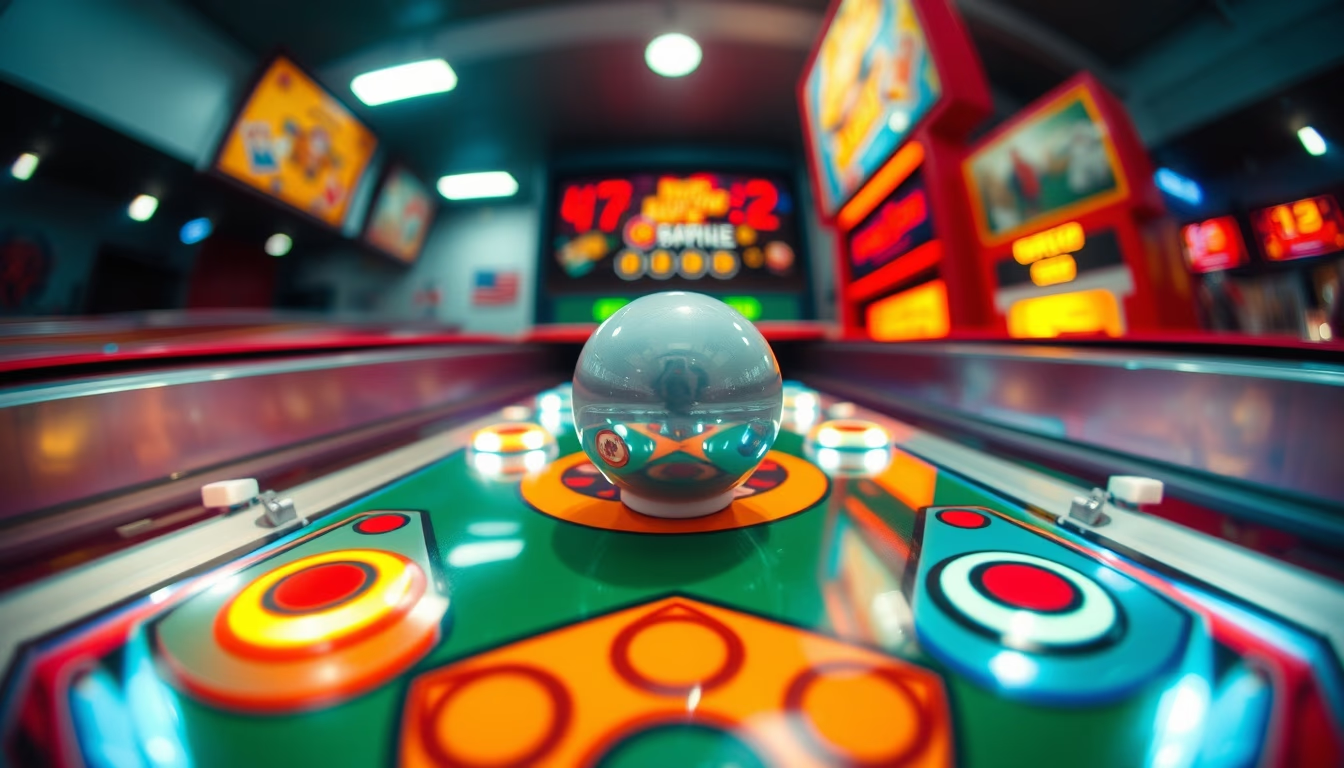
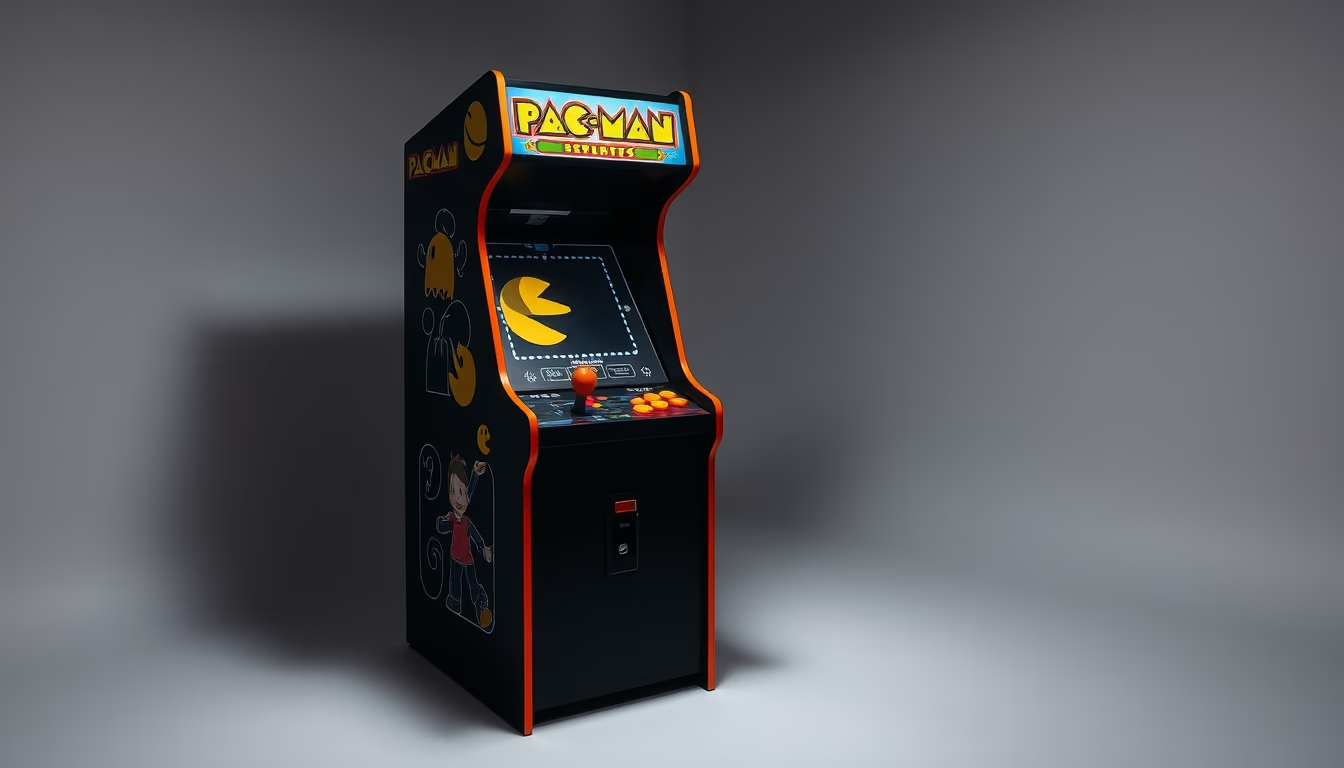
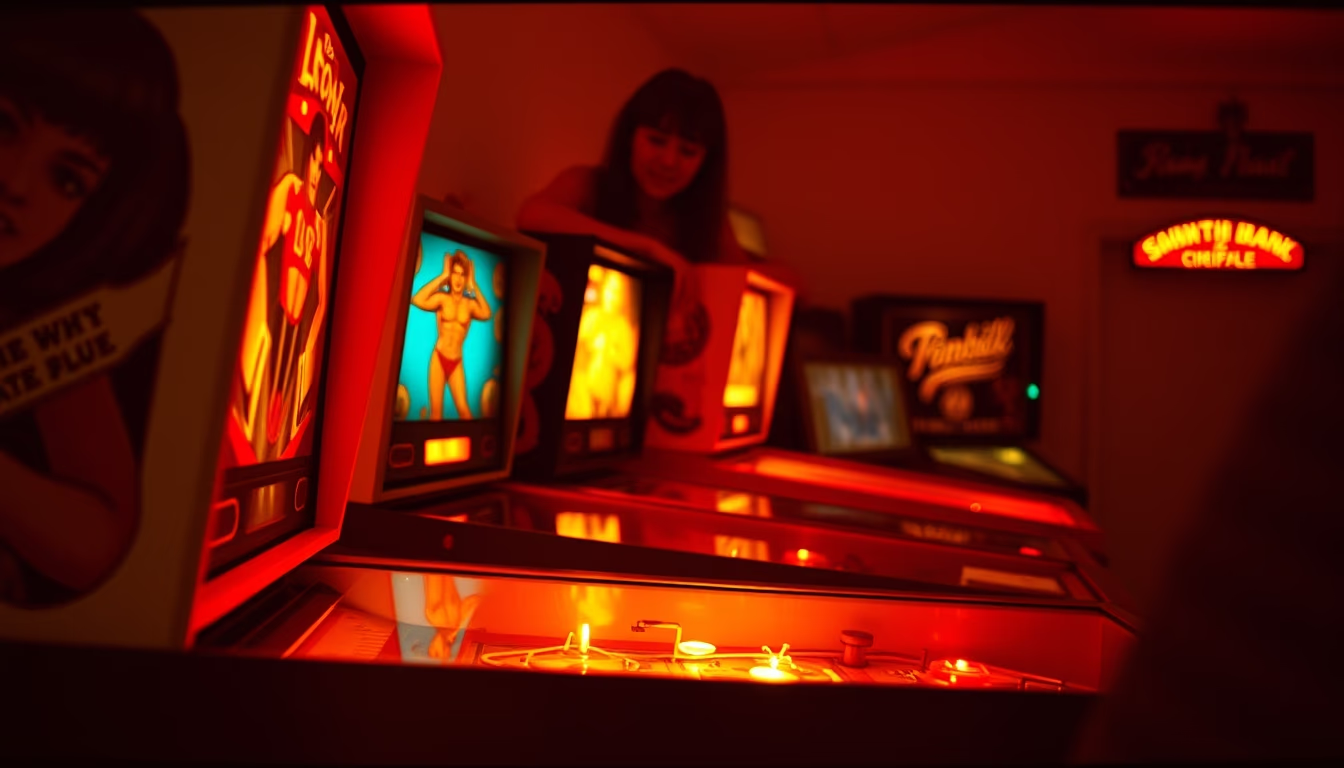
Pinball machine 1970s
1344×768 · AVIF · CC BY 4.0
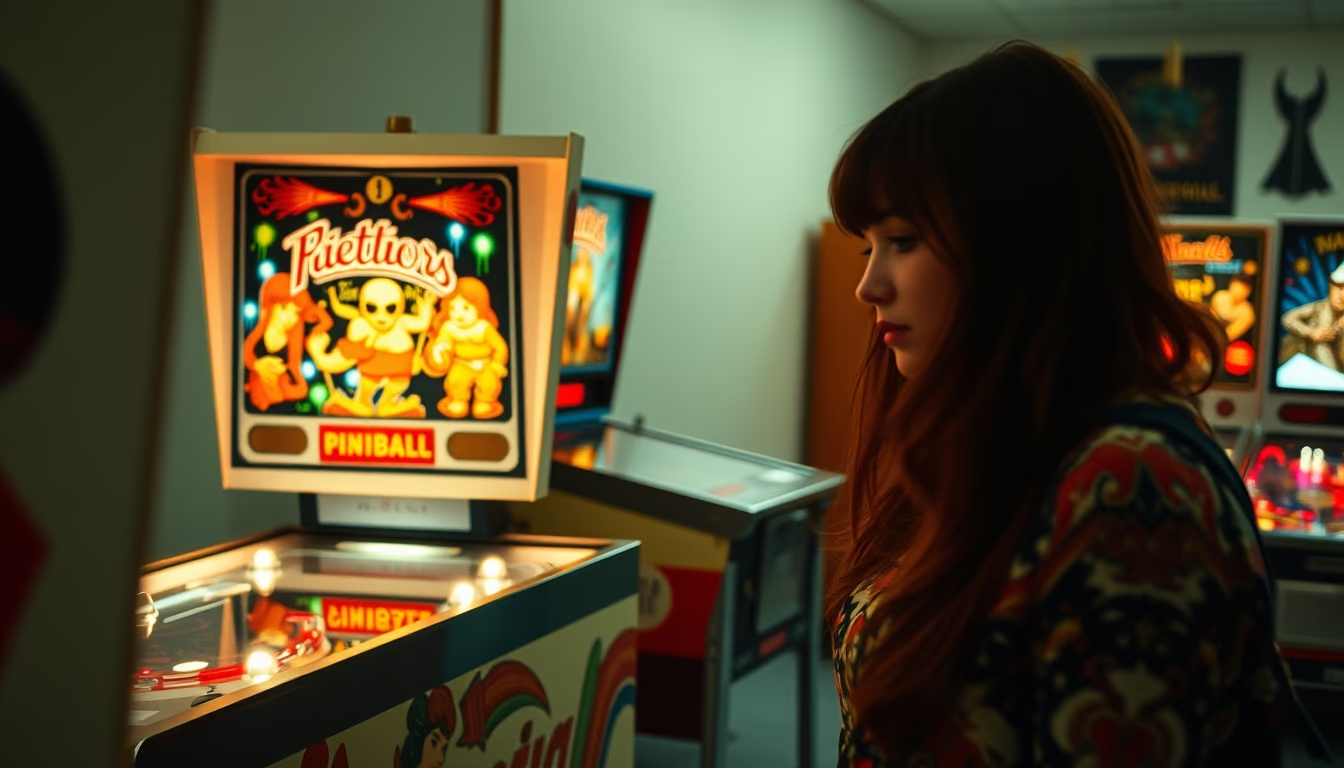
Máquinas de pinball dos anos 1970 marcaram a era de ouro dos fliperamas, combinando mecânica precisa e design artesanal.
Sobre o tema
As máquinas de pinball dos anos 1970 representam o auge do entretenimento eletromecânico. Diferente dos modelos digitais posteriores, esses gabinetes funcionavam com relés, solenoides e placas de contato, sem chips ou telas. Cada bola lançada ativava uma sequência de alvos, rampas e flippers que pontuavam com campainhas e luzes incandescentes. A precisão necessária para manter o jogo fluindo era resultado de décadas de engenharia, e os anos 70 viram o lançamento de clássicos como "Fireball" da Bally (1972) e "Space Mission" da Gottlieb (1976).
A cultura do pinball nos anos 70 estava profundamente ligada aos fliperamas urbanos e bares americanos, mas também conquistou o Brasil. No país, máquinas importadas e nacionais (como as da Indy Game) lotavam salões de sinuca e lanchonetes. Uma curiosidade: na época, muitos municípios brasileiros proibiam o pinball por considerá-lo jogo de azar, o que gerou um mercado paralelo de operadores que burlavam a fiscalização.
O design das máquinas era outro destaque. Os backglasses pintados à mão por artistas como George Molentin e Paul Faris retratavam temas de ficção científica, faroeste e esportes. Cada jogo tinha uma identidade visual única, com cores vibrantes e detalhes psicodélicos. A iluminação era feita com lâmpadas comuns de 6,3 volts, que criavam um brilho quente e nostálgico. Até hoje, restauradores buscam reproduzir essas peças originais para colecionadores.
A transição para o eletrônico começou no final da década, quando a Bally lançou "Black Jack" em 1976, já usando displays numéricos. Mesmo assim, as máquinas totalmente mecânicas dos anos 70 são consideradas as mais confiáveis e desejadas por puristas. Elas representam um momento em que a diversão dependia totalmente da física e da habilidade do jogador, sem truques digitais.
Perguntas frequentes
Como funcionavam as máquinas de pinball dos anos 1970?
Elas eram eletromecânicas: usavam relés, solenoides e contatos para registrar pontuação e acionar mecanismos como flippers e bumpers. A energia elétrica ligava lâmpadas e campainhas, mas a lógica do jogo era toda por fiação e componentes discretos.
Qual foi o pinball mais famoso dos anos 1970?
Um dos mais icônicos é o "Fireball" (Bally, 1972), que inovou com um design baseado em alvos móveis. Outros clássicos incluem "Space Mission" (Gottlieb, 1976) e "Eight Ball" (Bally, 1977), que popularizaram temas espaciais e esportivos.
Por que as máquinas de pinball dos anos 1970 ainda são tão valorizadas?
Por sua construção robusta, arte feita à mão e jogabilidade puramente mecânica. Colecionadores apreciam a nostalgia, a durabilidade e o som autêntico das campainhas e solenoides, além da crescente raridade de peças originais.
URL direta
https://pub-c7d6a6ea828543ac903a74a341ccb2e1.r2.dev/imagens/pinball-machine-1970s-documentary-nature-style-fresh14.avifComo creditar
Inclua um link visível de volta pro UtilizAí. Copie um dos snippets abaixo:
<a href="https://xn--utiliza-eza.com/midia/imagens/pinball-machine-1970s-documentary-nature-style-fresh14">Pinball machine 1970s</a> by <a href="https://xn--utiliza-eza.com">UtilizAí</a>, licensed under <a href="https://creativecommons.org/licenses/by/4.0/">CC BY 4.0</a>.
[Pinball machine 1970s](https://xn--utiliza-eza.com/midia/imagens/pinball-machine-1970s-documentary-nature-style-fresh14) by [UtilizAí](https://xn--utiliza-eza.com), CC BY 4.0
Licença: CC-BY-4.0