Pinball machine 1970s
1344×768 · AVIF · CC BY 4.0
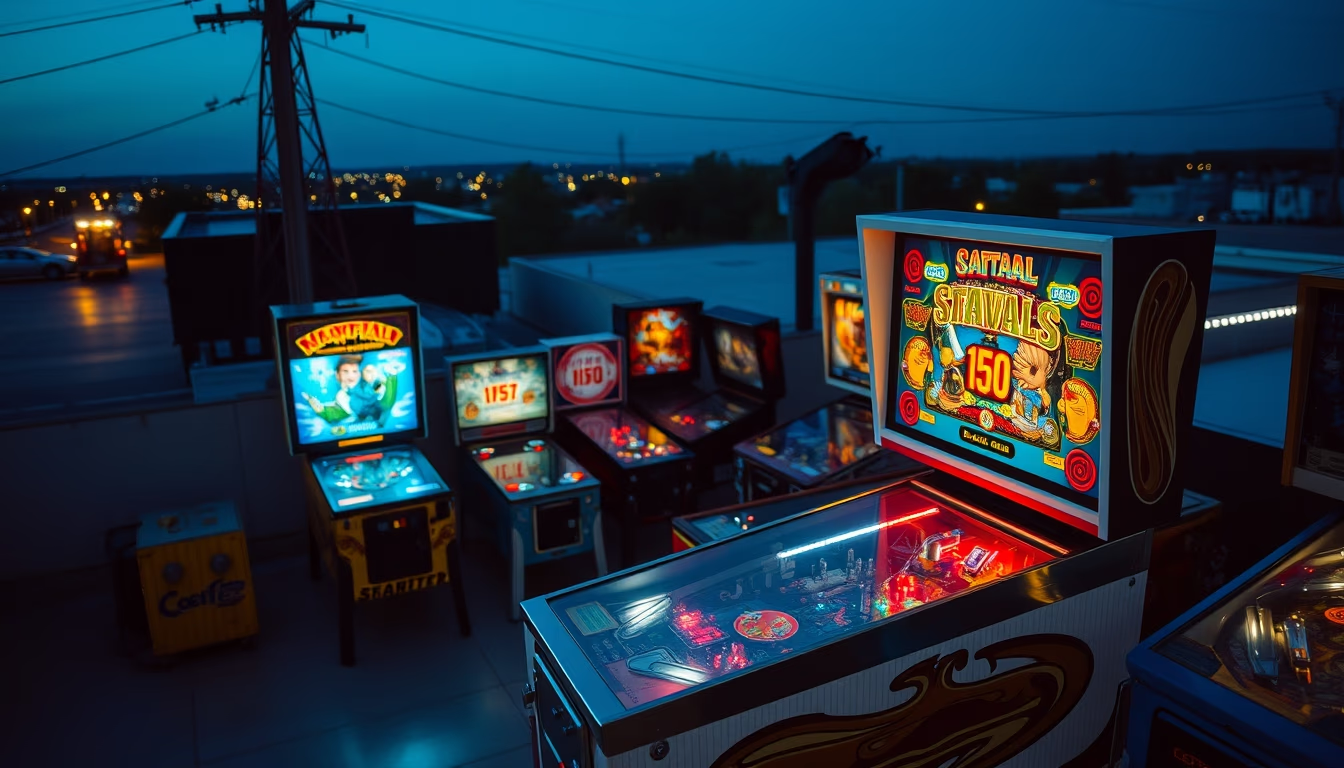
A 1970s pinball machine, an iconic arcade game that marked generations with its electromechanical mechanisms and artistic design.
About this subject
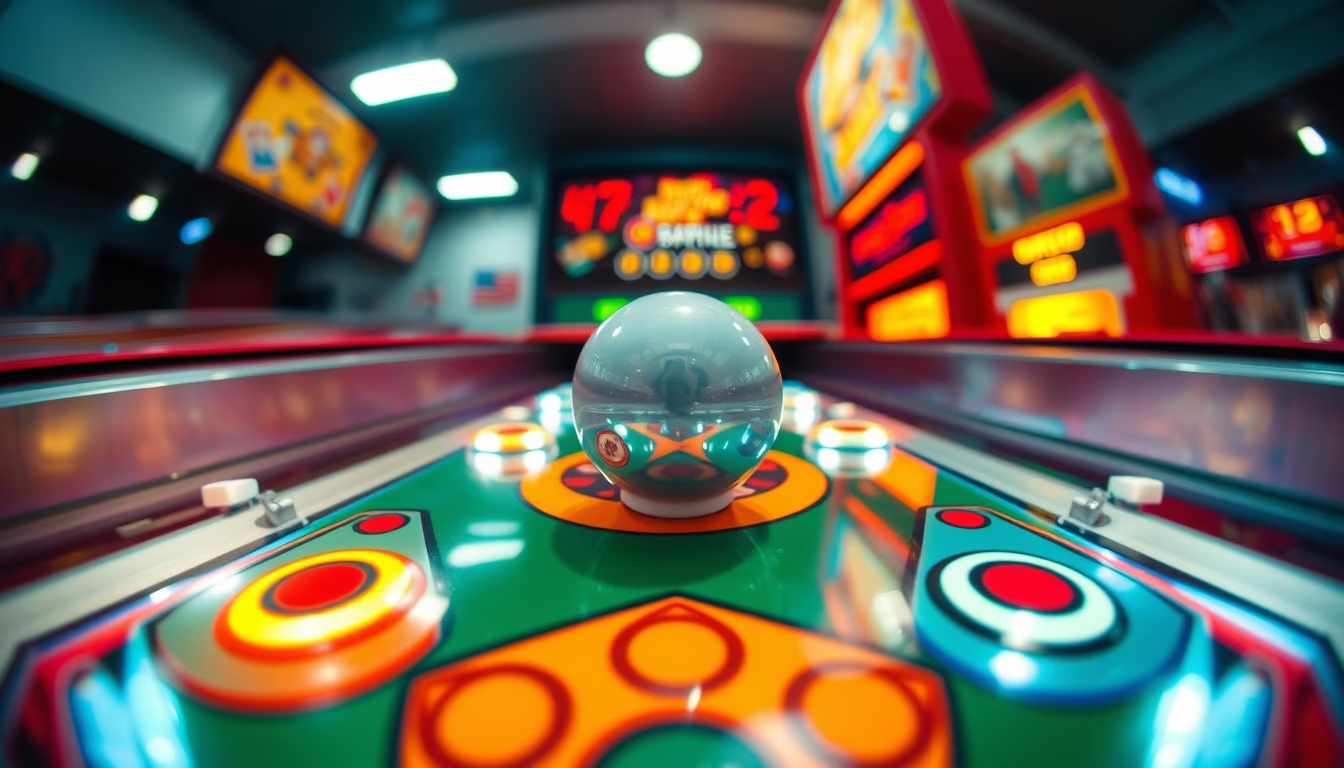
Pinball machines from the 1970s represent the peak of the electromechanical era in arcade gaming. Unlike the electronic models that emerged later in the decade, these machines used relays, solenoids, and mechanical counters to control scoring and features. Manufacturers like Gottlieb, Bally, and Williams dominated the market, releasing classics such as "Fireball" (1972) and "The Addams Family" (though that came later, many 70s titles set the stage).
The tables were richly decorated with hand-painted art on the backglass and playfield, reflecting diverse themes: sports, music, science fiction, and even rock and roll. Each machine featured bumpers, flippers, and targets that required skill and quick reflexes. The sound was purely mechanical: bells, chimes, and the classic "tilt" when a player nudged the machine too hard.
Culturally, 1970s pinball was a centerpiece of arcades worldwide, especially in the United States and Brazil, where bars and diners had lines of eager teenagers. During this decade, pinball faced legal restrictions in some American cities due to being considered gambling, sparking a cultural movement defending it as a game of skill. This controversy helped cement pinball as a symbol of youth culture.
Interestingly, the transition to solid-state began in the mid-1970s with the release of "Spirit of 76" (1976) by Micro, which used circuit boards. However, electromechanical machines remained popular until the end of the decade, and today they are highly valued collectibles, with prices exceeding tens of thousands of dollars at specialized auctions.
Frequently Asked Questions
Why are 1970s pinball machines so highly valued?
They represent the peak of electromechanical technology before digital electronics. Their artistic design, mechanical complexity, and nostalgia for arcades make rare pieces highly sought after by collectors.
What was the cultural impact of pinball in the 1970s?
Pinball was a symbol of youth culture and rebellion, even banned in some US cities for being considered gambling. This sparked a movement defending it as a game of skill, cementing its iconic status.
How did scoring work on a 1970s pinball machine?
Scores were displayed on mechanical reels that turned via solenoid power. Each point was recorded by a step mechanism, without chips or digital screens.
Direct URL
https://pub-c7d6a6ea828543ac903a74a341ccb2e1.r2.dev/imagens/pinball-machine-1970s-aerial-drone-shot-fresh8.avifHow to credit
Include a visible link back to UtilizAí. Copy one of the snippets below:
<a href="https://xn--utiliza-eza.com/en/midia/imagens/pinball-machine-1970s-aerial-drone-shot-fresh8">Pinball machine 1970s</a> by <a href="https://xn--utiliza-eza.com">UtilizAí</a>, licensed under <a href="https://creativecommons.org/licenses/by/4.0/">CC BY 4.0</a>.
[Pinball machine 1970s](https://xn--utiliza-eza.com/en/midia/imagens/pinball-machine-1970s-aerial-drone-shot-fresh8) by [UtilizAí](https://xn--utiliza-eza.com), CC BY 4.0
License: CC-BY-4.0