Peregrine falcon close
1344×768 · AVIF · CC BY 4.0
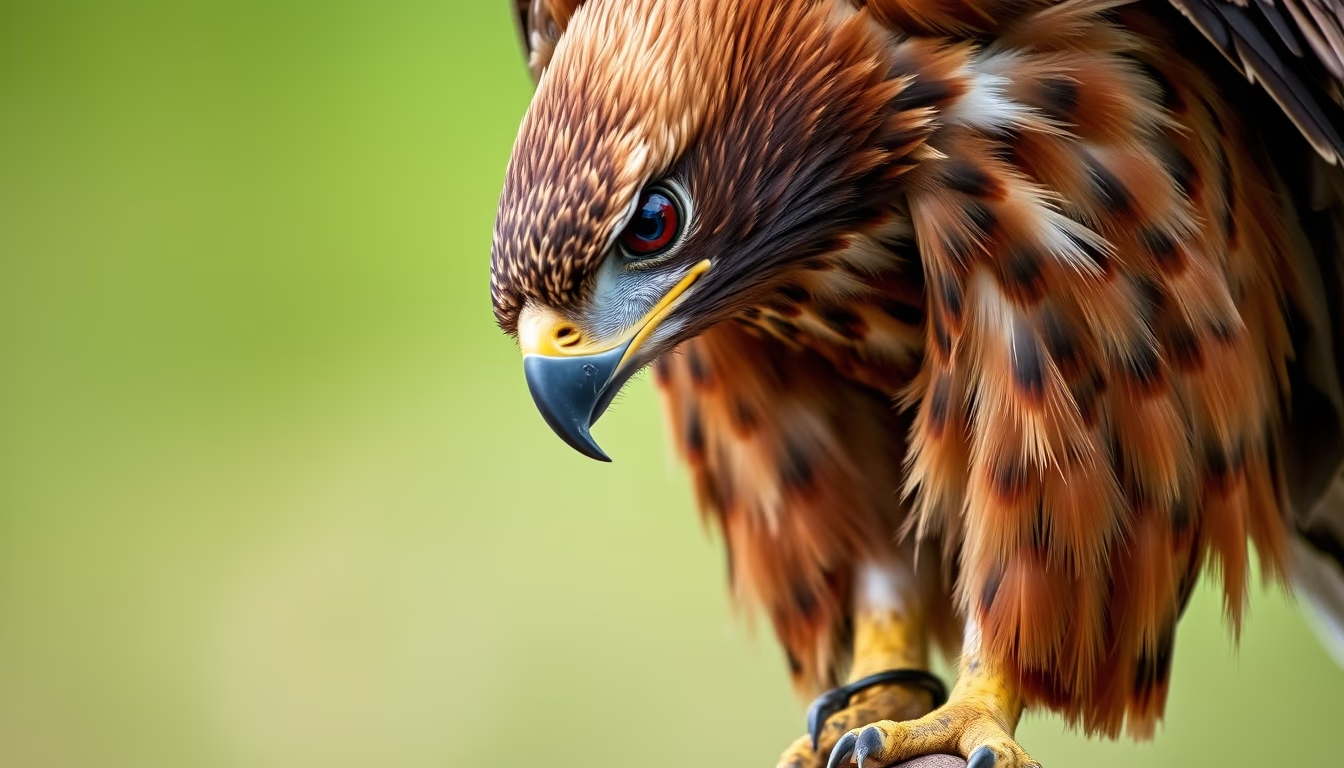
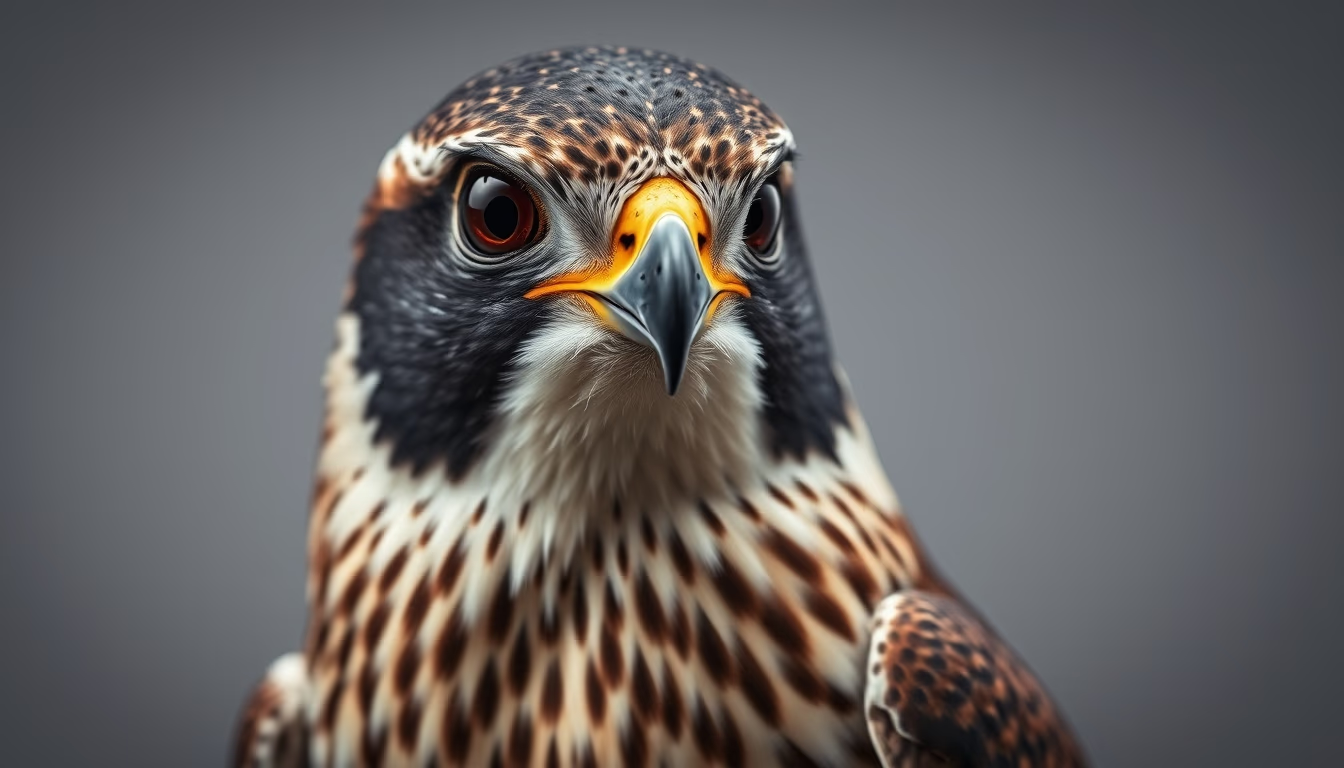
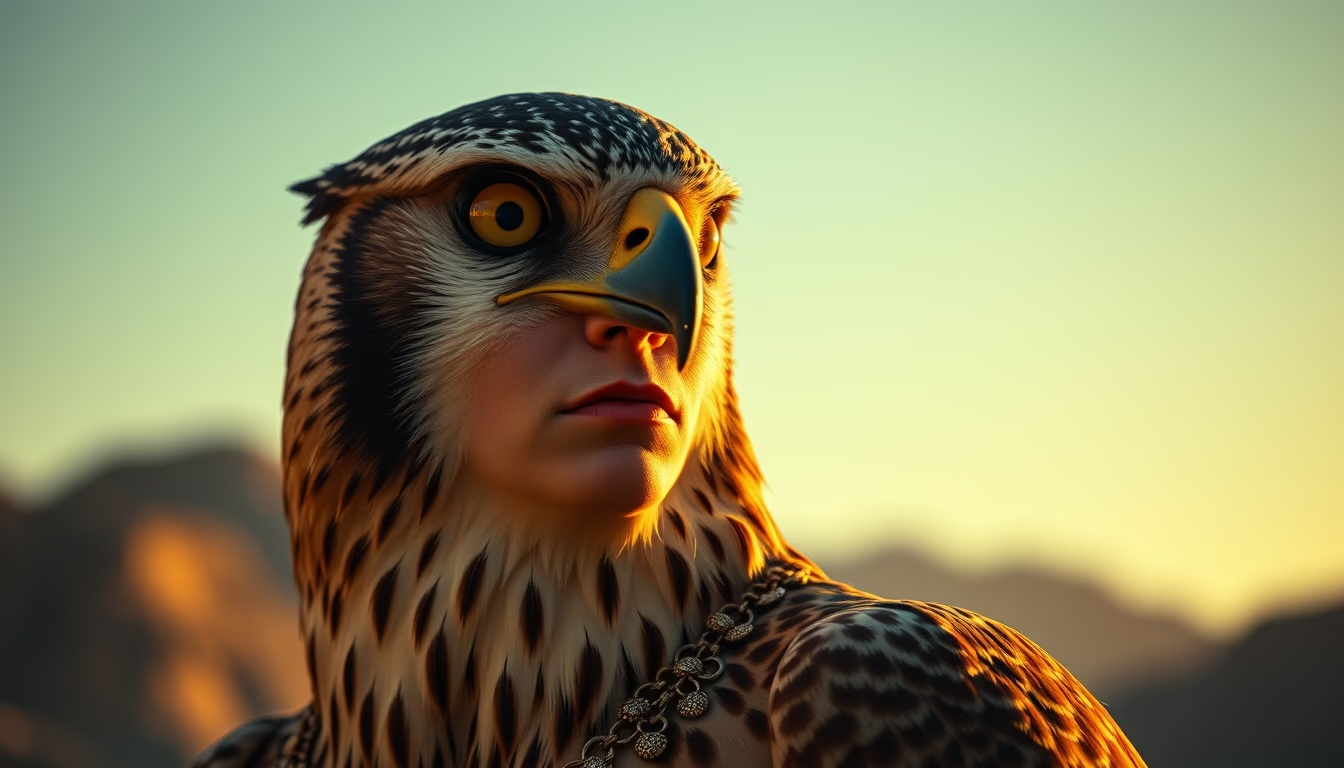
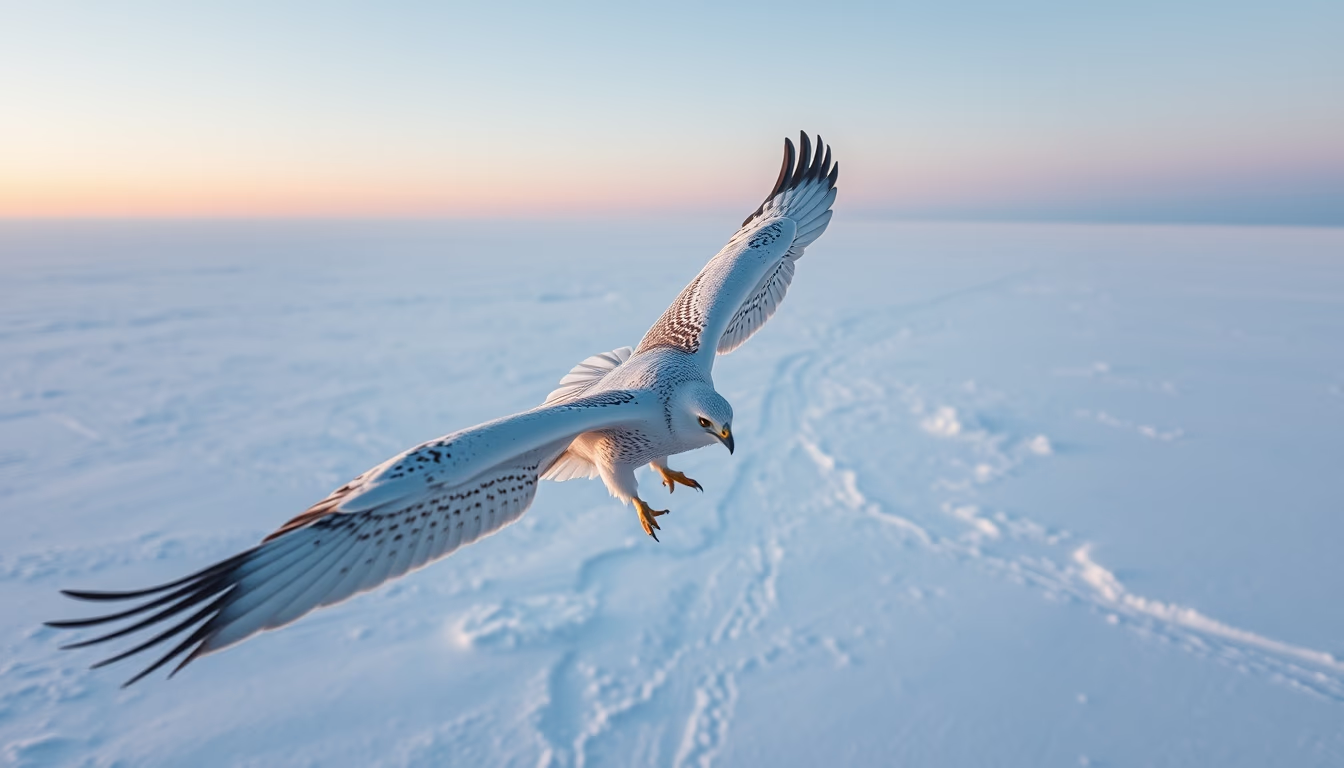
Peregrine falcon, the world's fastest bird of prey, morphological details and historical use in falconry.
About this subject
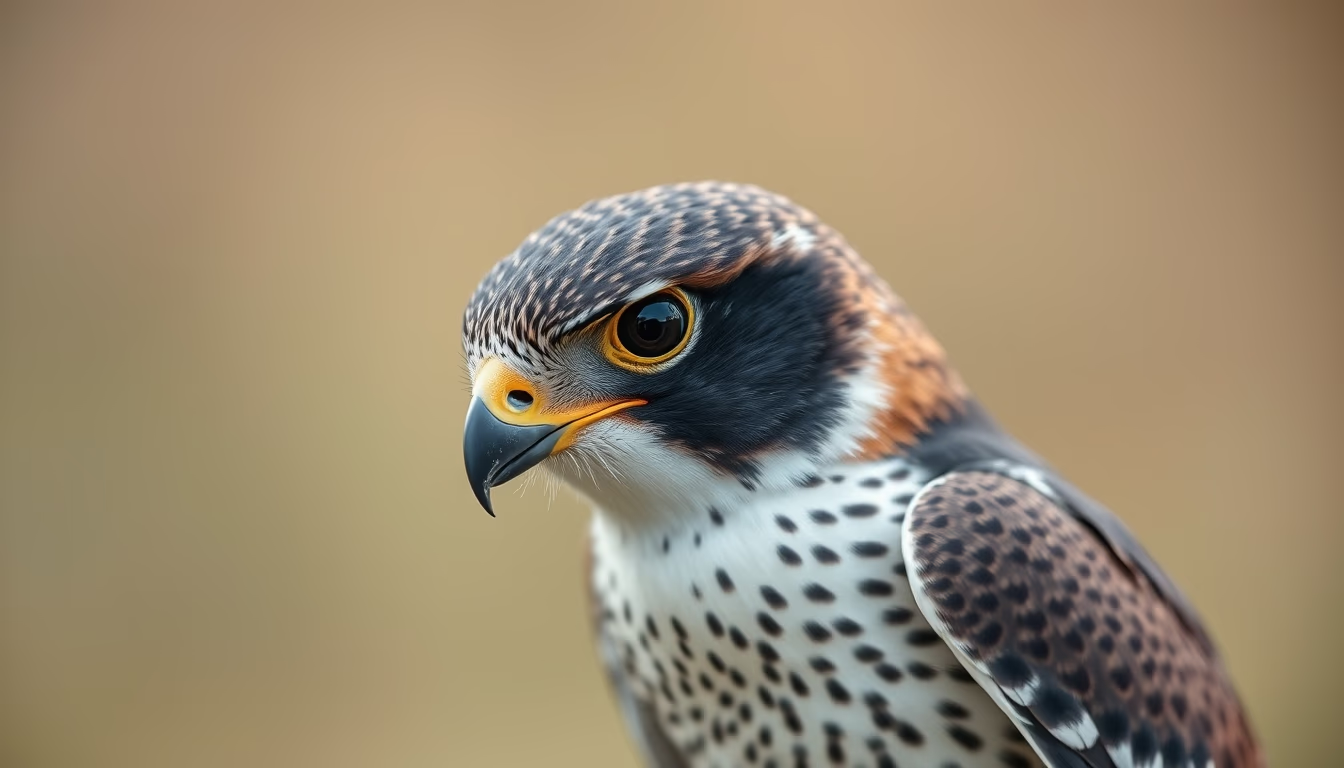
The peregrine falcon (Falco peregrinus) is one of the most renowned and admired birds of prey worldwide. Known for its exceptional speed, it reaches over 300 km/h in hunting stoops (dives), making it the fastest animal on the planet. Its morphology is adapted for this performance: pointed wings, streamlined body, and a sharp beak with a tomial tooth to break the prey's spine. The nostrils have a nasal tubercle that deflects airflow, enabling breathing during high-speed flight. The plumage features blue-gray upperparts, pale underparts with dark bars, and a dark facial stripe (malar stripe).
The species has a cosmopolitan distribution, occurring on all continents except Antarctica. It prefers open habitats with cliffs for nesting, such as coasts, mountains, and large cities, where it has adapted to tall buildings. The peregrine is a conservation success story: after a drastic decline in the 1960s due to the pesticide DDT (which affected reproduction), reintroduction and protection programs allowed its recovery. Today, it is classified as Least Concern by the IUCN.
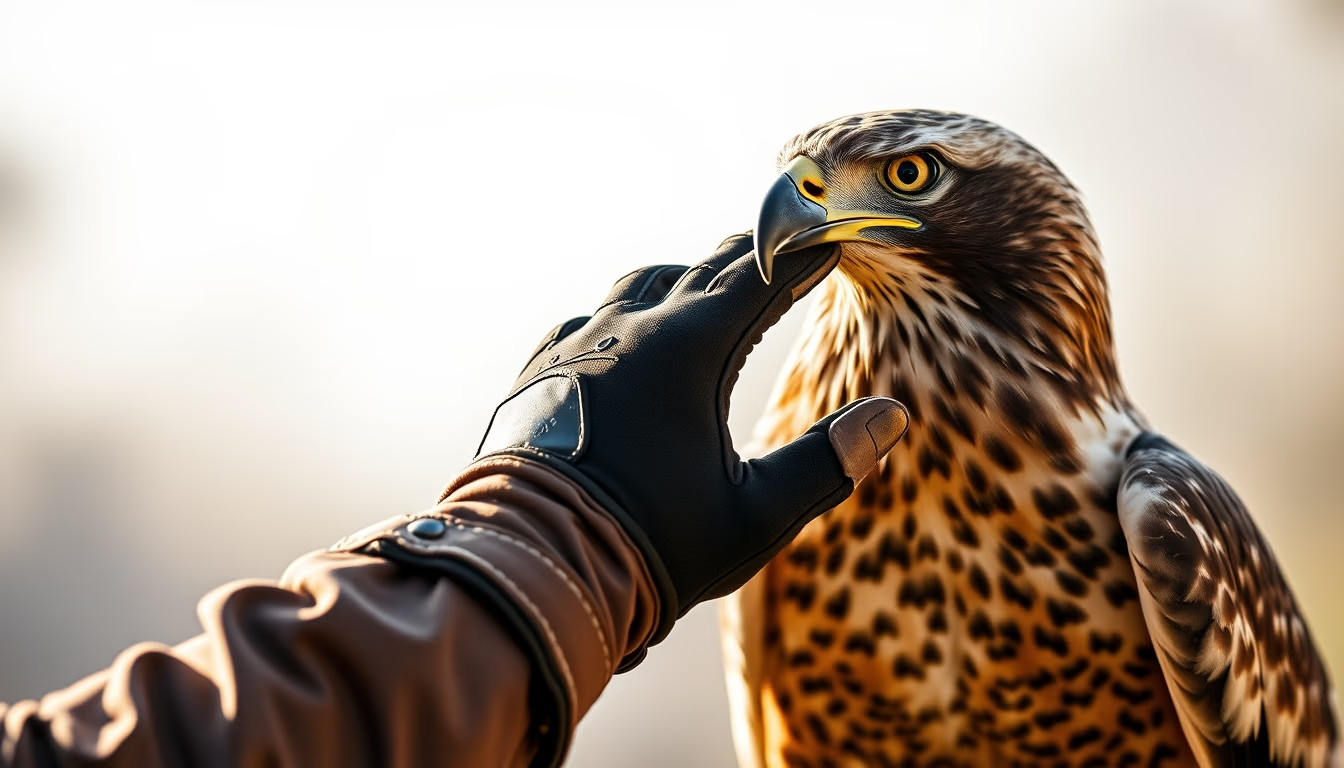
In falconry, the peregrine falcon is highly valued for its agility and aerial hunting ability. Used since the Middle Ages, especially in Central Asia and Europe, it was reserved for nobility. Modern training techniques, such as the use of lures and gloves, enable falconers to form partnerships with these birds. Close observation of a peregrine reveals impressive details: large, dark eyes with a yellow orbital ring, sharp black talons, and an alert posture. Despite its fame as a predator, the peregrine falcon inspires admiration and respect in human culture.
Frequently Asked Questions
What is the maximum speed of a peregrine falcon in a dive?
The peregrine falcon can reach speeds of over 300 km/h in its hunting stoop, making it the fastest animal on Earth.
Why are peregrine falcons used in falconry?
Their agility, speed, and aerial hunting skills make them excellent for falconry. Historically, they were prized by nobility in Europe and Central Asia.
What is the conservation status of the peregrine falcon?
The species was severely affected by DDT in the 20th century but recovered through conservation efforts. It is now listed as Least Concern by the IUCN.
Direct URL
https://pub-c7d6a6ea828543ac903a74a341ccb2e1.r2.dev/imagens/peregrine-falcon-close-tilt-shift-miniature-fresh14.avifHow to credit
Include a visible link back to UtilizAí. Copy one of the snippets below:
<a href="https://xn--utiliza-eza.com/en/midia/imagens/peregrine-falcon-close-tilt-shift-miniature-fresh14">Peregrine falcon close</a> by <a href="https://xn--utiliza-eza.com">UtilizAí</a>, licensed under <a href="https://creativecommons.org/licenses/by/4.0/">CC BY 4.0</a>.
[Peregrine falcon close](https://xn--utiliza-eza.com/en/midia/imagens/peregrine-falcon-close-tilt-shift-miniature-fresh14) by [UtilizAí](https://xn--utiliza-eza.com), CC BY 4.0
License: CC-BY-4.0