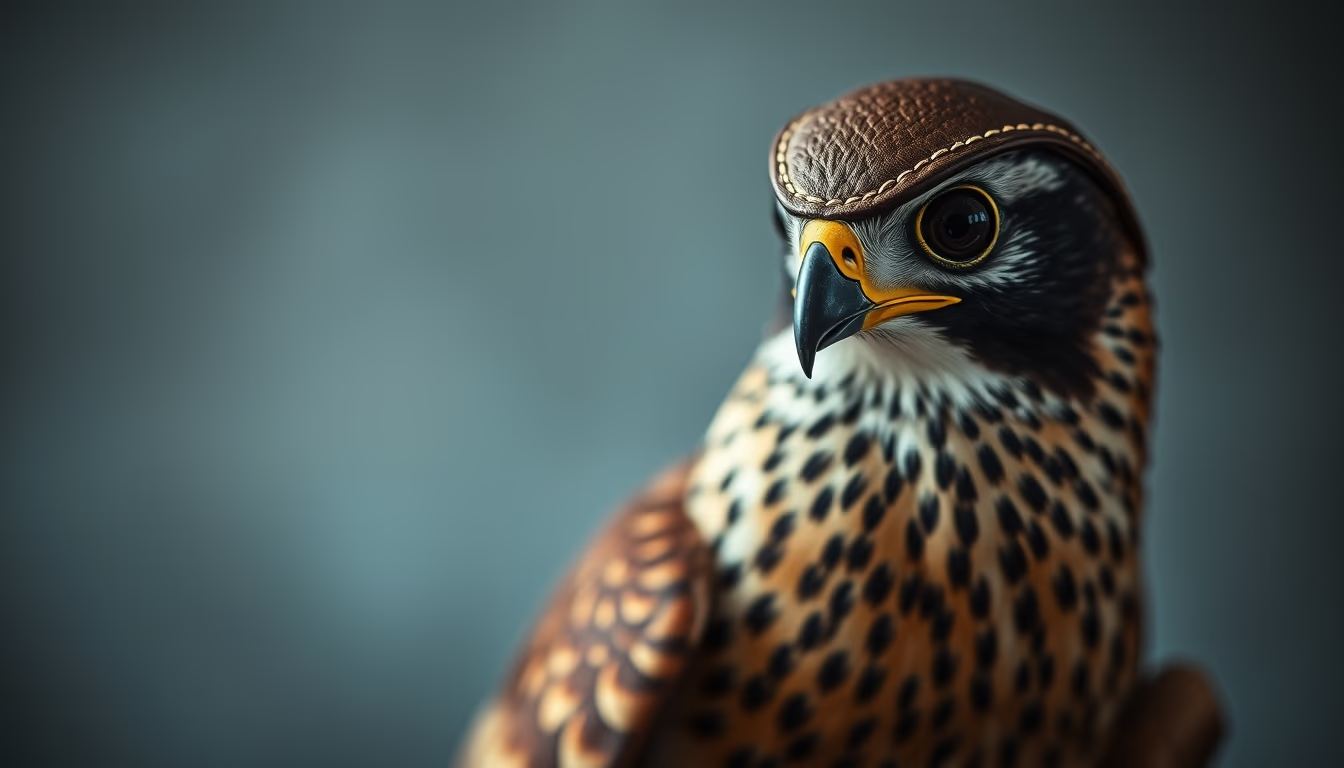
Peregrine falcon close
1344×768 · AVIF · CC BY 4.0
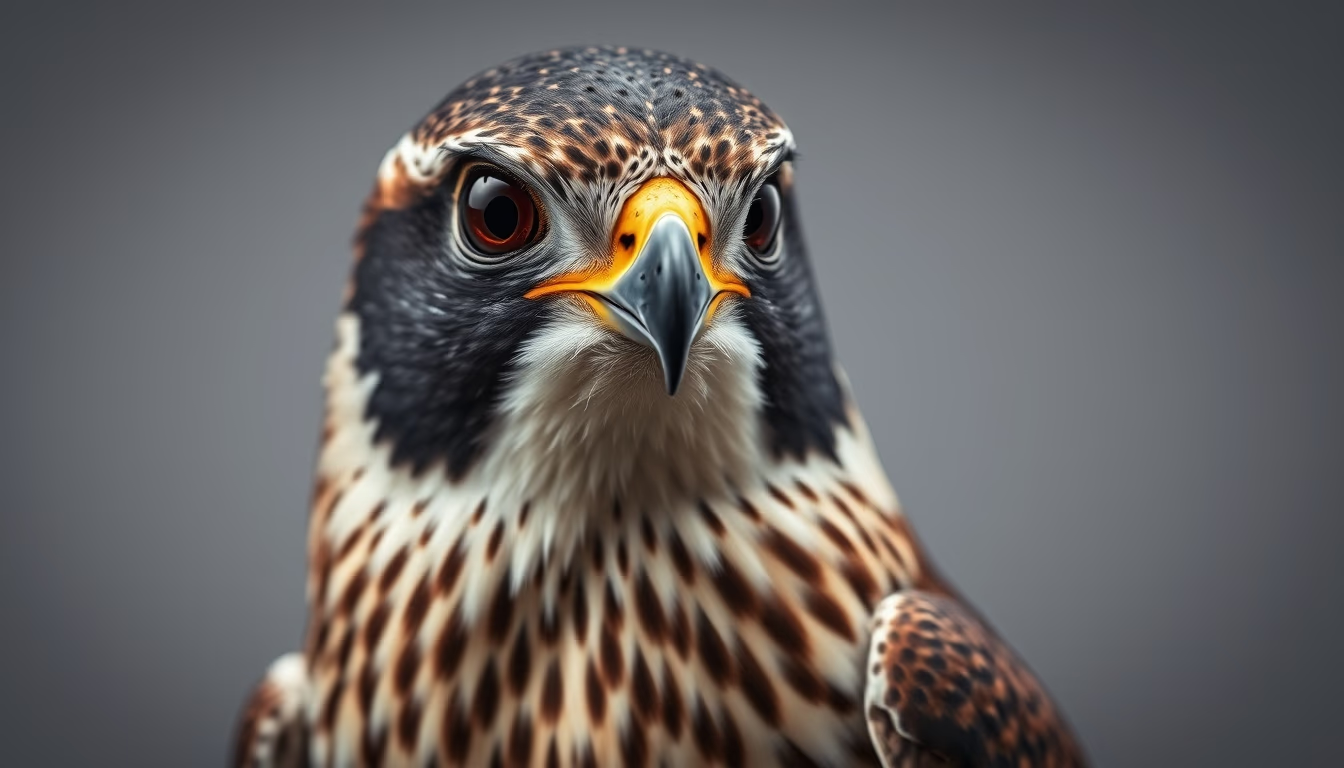
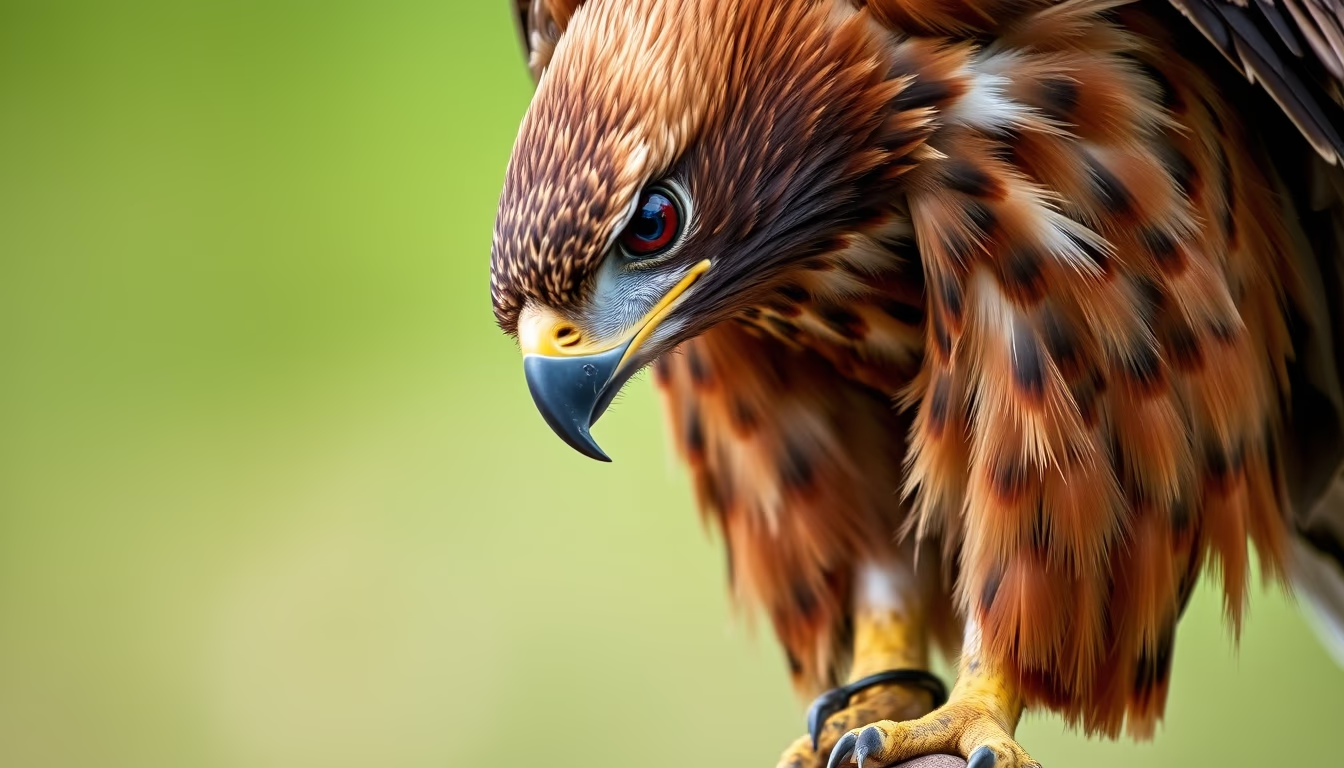
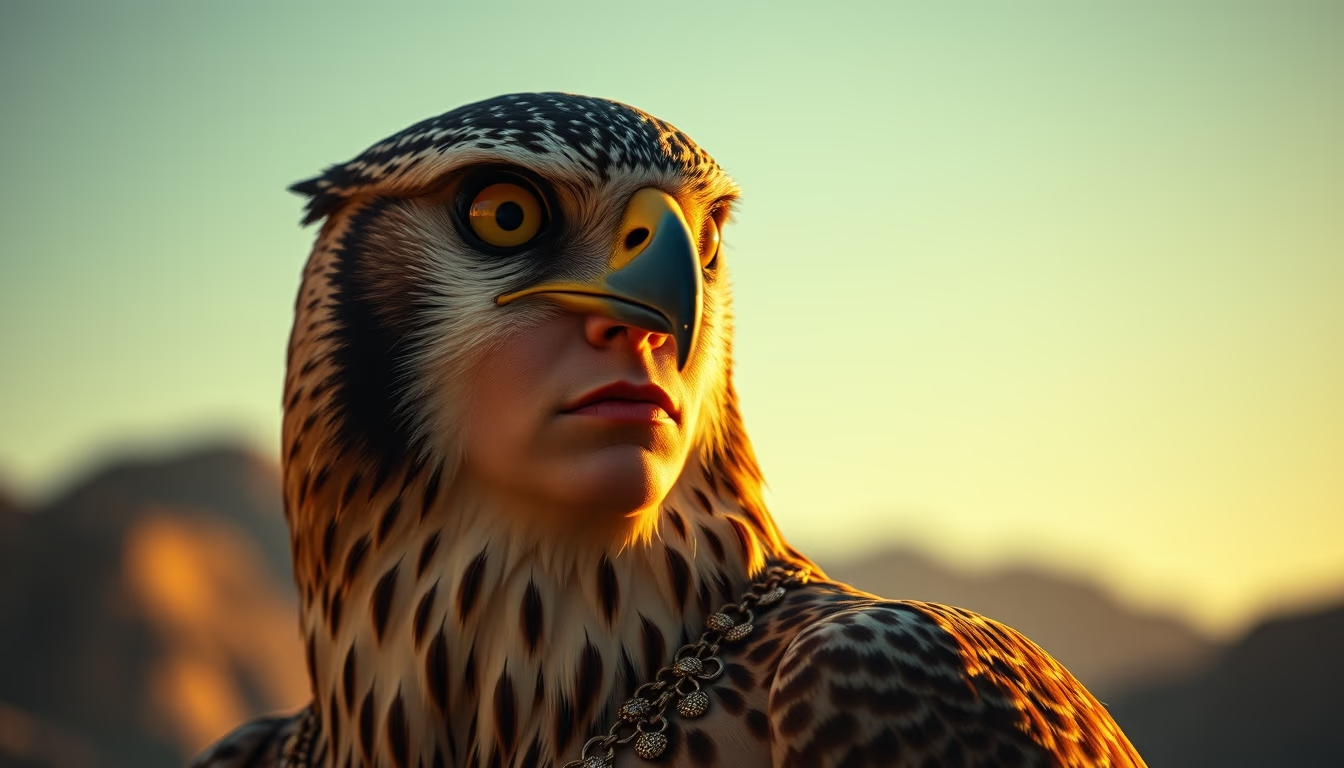
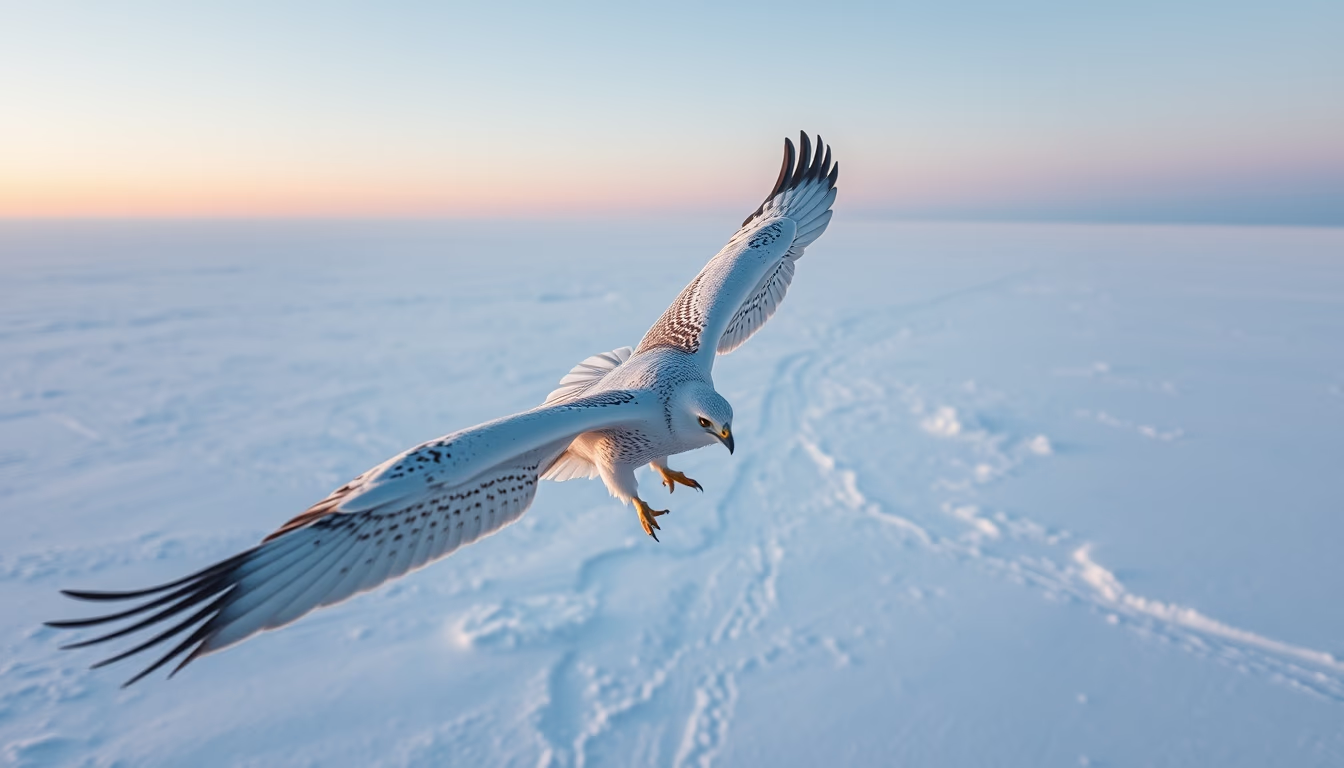
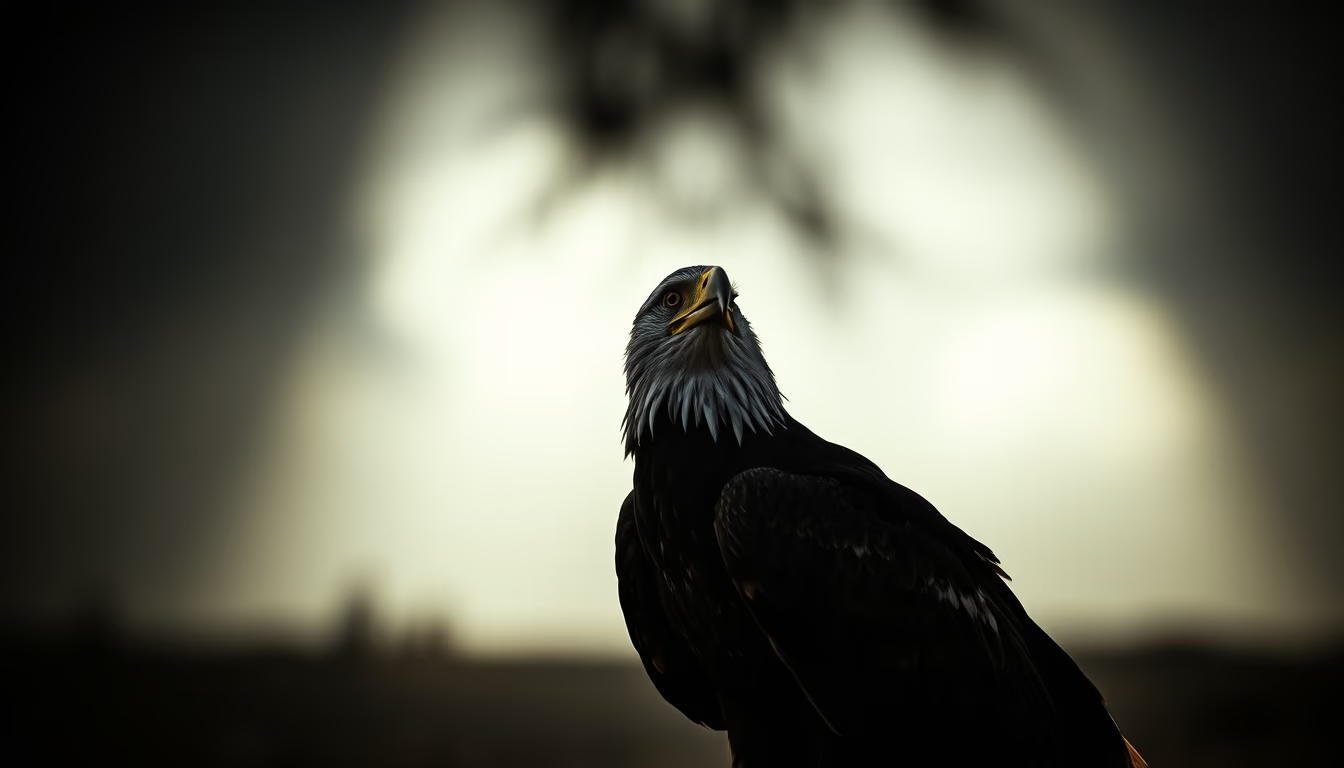
The peregrine falcon, the world's fastest animal, stuns with its stoop speed and aerial hunting techniques.
About this subject
The peregrine falcon (Falco peregrinus) is renowned as the fastest animal on Earth, reaching speeds over 200 mph (320 km/h) during its hunting stoops. This cosmopolitan bird of prey inhabits every continent except Antarctica, thriving in diverse environments from coastal cliffs to urban skyscrapers. In Brazil, it can be spotted in the Amazon, Pantanal, and even major cities like São Paulo and Rio de Janeiro, where it nests on tall buildings.
Its anatomy is a marvel of evolution. Bony tubercles in the nostrils deflect high-speed airflow, enabling breathing during dives. Long, pointed wings and a streamlined body minimize drag, while a transparent nictitating membrane protects the eyes without blurring vision. When striking prey, typically pigeons, ducks, or gulls, the impact of its talons is often instantly fatal.
Historically, peregrine falcons faced severe declines due to DDT pesticide use, which thinned eggshells and caused population crashes, particularly in Europe and North America. Captive breeding programs and the DDT ban in the 1970s led to a remarkable recovery. Today, the species is listed as Least Concern by the IUCN, though illegal hunting and nest disturbance remain threats.
In falconry, the peregrine is prized for its speed and aerial hunting prowess. Used for millennia, especially in medieval Europe and the Middle East, it was a symbol of nobility. Modern falconers often fly them in airports to disperse birds and reduce collision risks, highlighting the species' ecological and practical importance.
Frequently Asked Questions
What is the maximum speed of a peregrine falcon in a dive?
Peregrine falcons can exceed 200 mph (320 km/h) in a stoop, making them the fastest animals on Earth.
Where do peregrine falcons build their nests?
They nest on steep cliffs, bridges, tall buildings, and other elevated structures to avoid ground predators.
Is the peregrine falcon endangered?
Globally no (IUCN: Least Concern), but some regional populations are vulnerable. The species rebounded well after the DDT ban.
Direct URL
https://pub-c7d6a6ea828543ac903a74a341ccb2e1.r2.dev/imagens/peregrine-falcon-close-studio-editorial-portrait-fresh18.avifHow to credit
Include a visible link back to UtilizAí. Copy one of the snippets below:
<a href="https://xn--utiliza-eza.com/en/midia/imagens/peregrine-falcon-close-studio-editorial-portrait-fresh18">Peregrine falcon close</a> by <a href="https://xn--utiliza-eza.com">UtilizAí</a>, licensed under <a href="https://creativecommons.org/licenses/by/4.0/">CC BY 4.0</a>.
[Peregrine falcon close](https://xn--utiliza-eza.com/en/midia/imagens/peregrine-falcon-close-studio-editorial-portrait-fresh18) by [UtilizAí](https://xn--utiliza-eza.com), CC BY 4.0
License: CC-BY-4.0