Peregrine falcon close
1344×768 · AVIF · CC BY 4.0
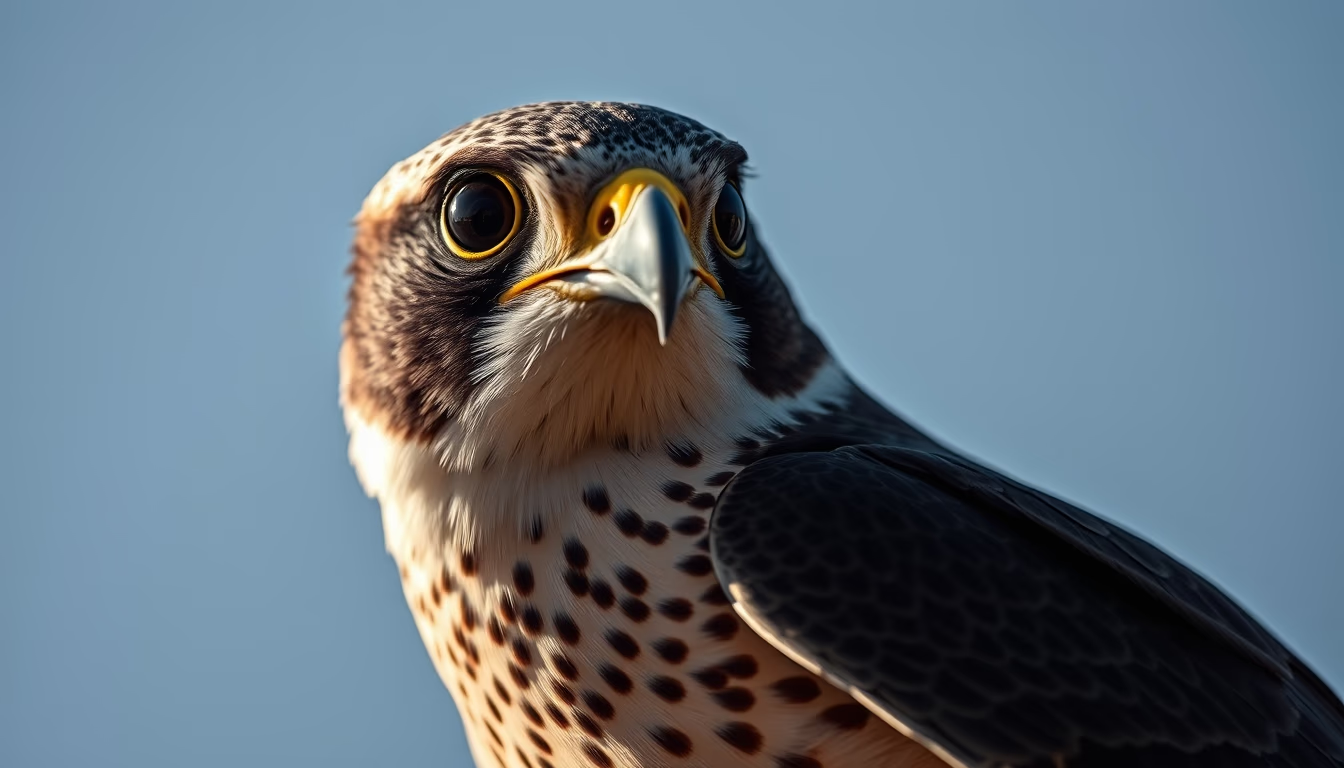
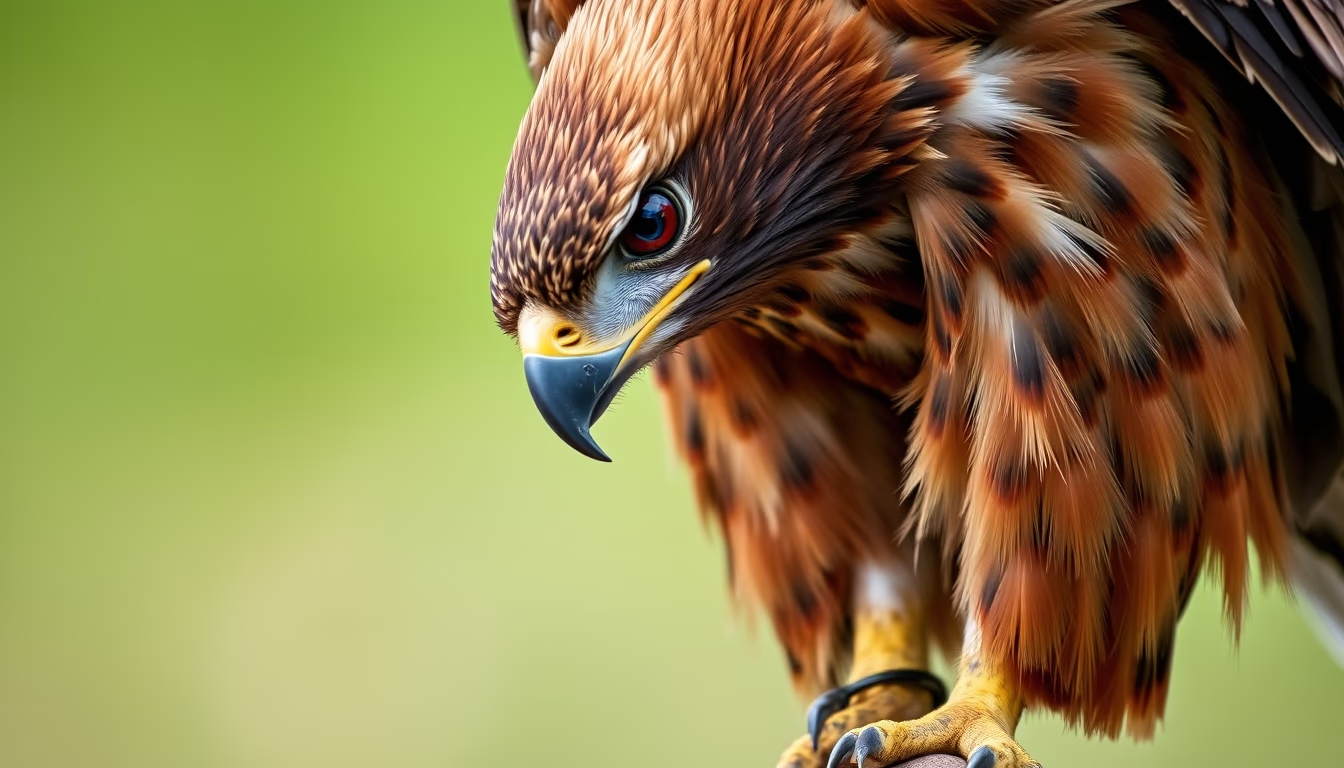
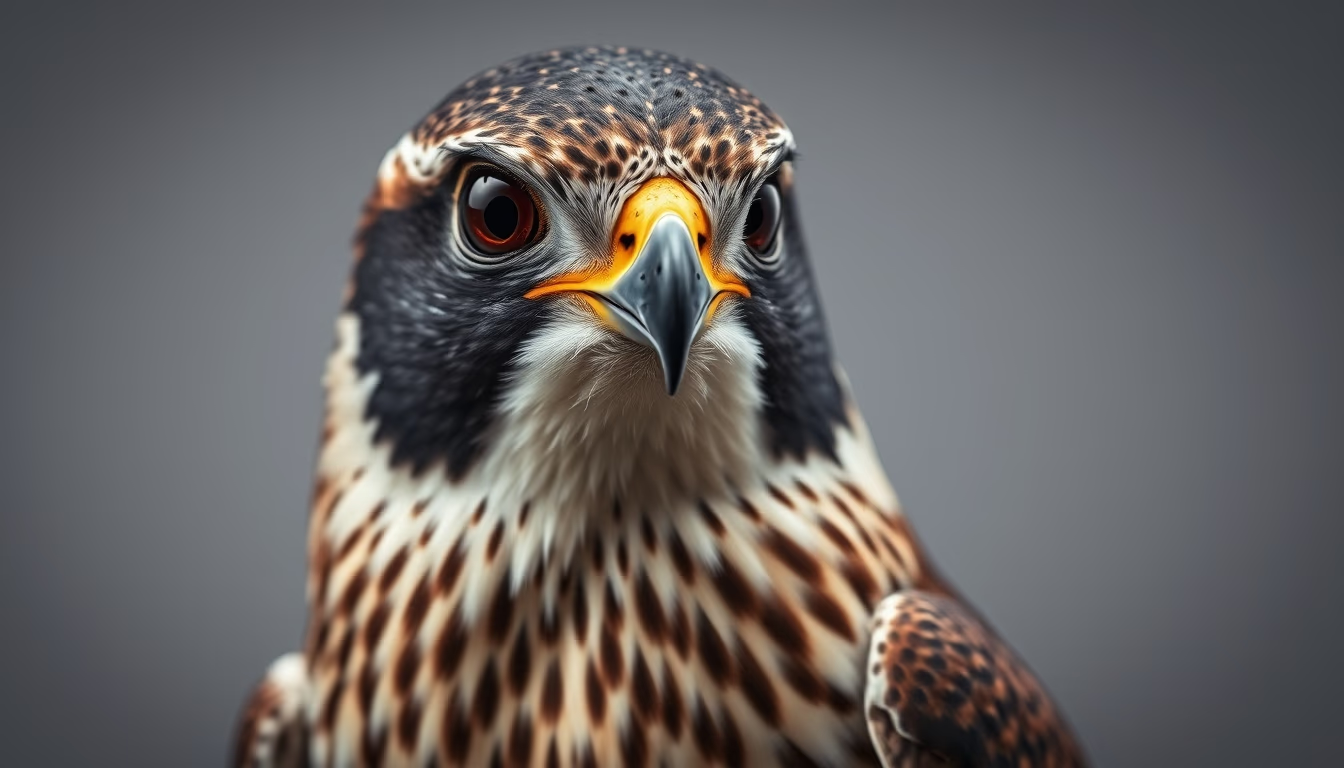
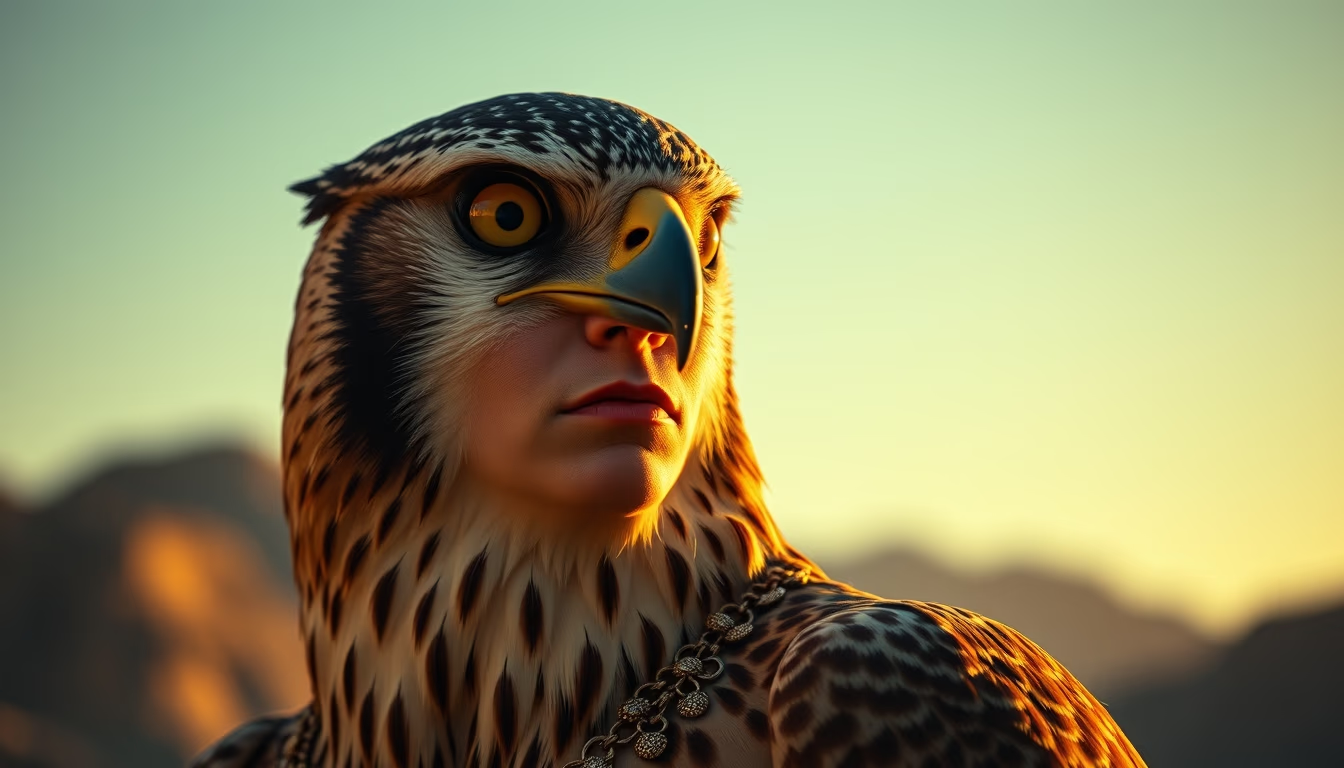
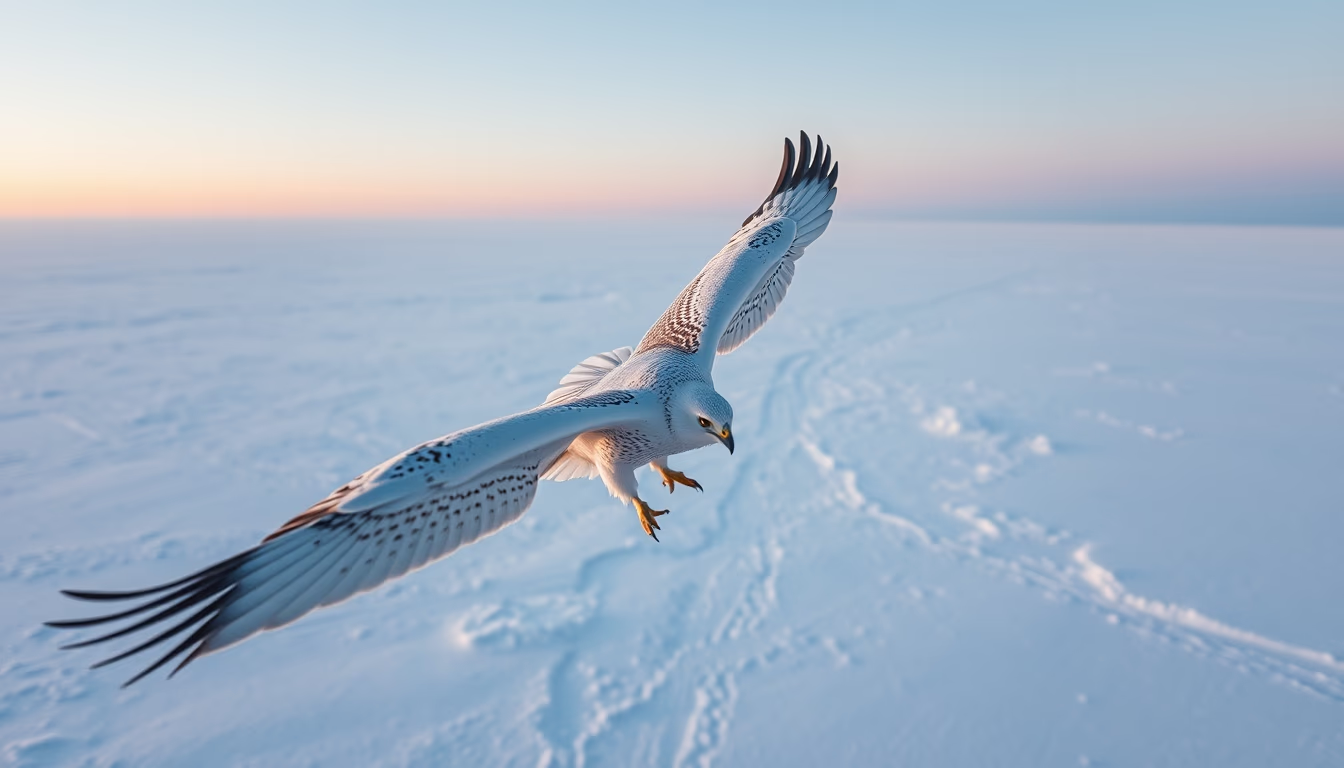
Close-up of a peregrine falcon reveals stunning details of its predatory anatomy.
About this subject
The peregrine falcon (Falco peregrinus) is widely recognized as the fastest animal on Earth, reaching speeds over 200 mph (320 km/h) during hunting dives. Its anatomy is perfectly adapted for this performance: nostrils with bony cones that deflect airflow at high speeds, long pointed wings, and a robust keel supporting powerful pectoral muscles. The dense compact plumage reduces drag, while wing feathers have specialized structures for precise maneuvers.
This raptor has a cosmopolitan distribution, found on every continent except Antarctica. In the Americas, it nests from Arctic tundra to Patagonia, and in urban areas it often uses skyscrapers as cliff substitutes. Historically, peregrines suffered severe population declines due to pesticides like DDT, which caused eggshell thinning. After DDT was banned in the 1970s, reintroduction programs helped populations rebound significantly, especially in cities.
In falconry, the peregrine is highly prized for its speed and trainability. The practice dates back thousands of years, with origins in Asia and later adopted by European nobility. A peregrine's eyesight is up to eight times sharper than a human's, enabling it to spot prey from over a mile away. Its serrated beak is adapted for tearing flesh, and its talons lock instantly upon impact.
Nature photography seeks to highlight these unique details: feather texture, beak curvature, eye expression. Close-up images allow appreciation of this predator's evolutionary perfection. Each feather serves a specific function, primaries provide thrust, secondaries provide lift, and coverts protect against impacts.
Frequently Asked Questions
What is a peregrine falcon?
It is a bird of prey in the Falconidae family, known for being the fastest animal in the world during a dive.
Is the peregrine falcon endangered?
No, after the ban on DDT, its populations recovered; it is now listed as Least Concern by the IUCN.
How does the peregrine falcon hunt?
It performs high-speed vertical dives, striking prey with closed talons. Captures usually occur in mid-air.
Direct URL
https://pub-c7d6a6ea828543ac903a74a341ccb2e1.r2.dev/imagens/peregrine-falcon-close-fine-art-photography-fresh2.avifHow to credit
Include a visible link back to UtilizAí. Copy one of the snippets below:
<a href="https://xn--utiliza-eza.com/en/midia/imagens/peregrine-falcon-close-fine-art-photography-fresh2">Peregrine falcon close</a> by <a href="https://xn--utiliza-eza.com">UtilizAí</a>, licensed under <a href="https://creativecommons.org/licenses/by/4.0/">CC BY 4.0</a>.
[Peregrine falcon close](https://xn--utiliza-eza.com/en/midia/imagens/peregrine-falcon-close-fine-art-photography-fresh2) by [UtilizAí](https://xn--utiliza-eza.com), CC BY 4.0
License: CC-BY-4.0