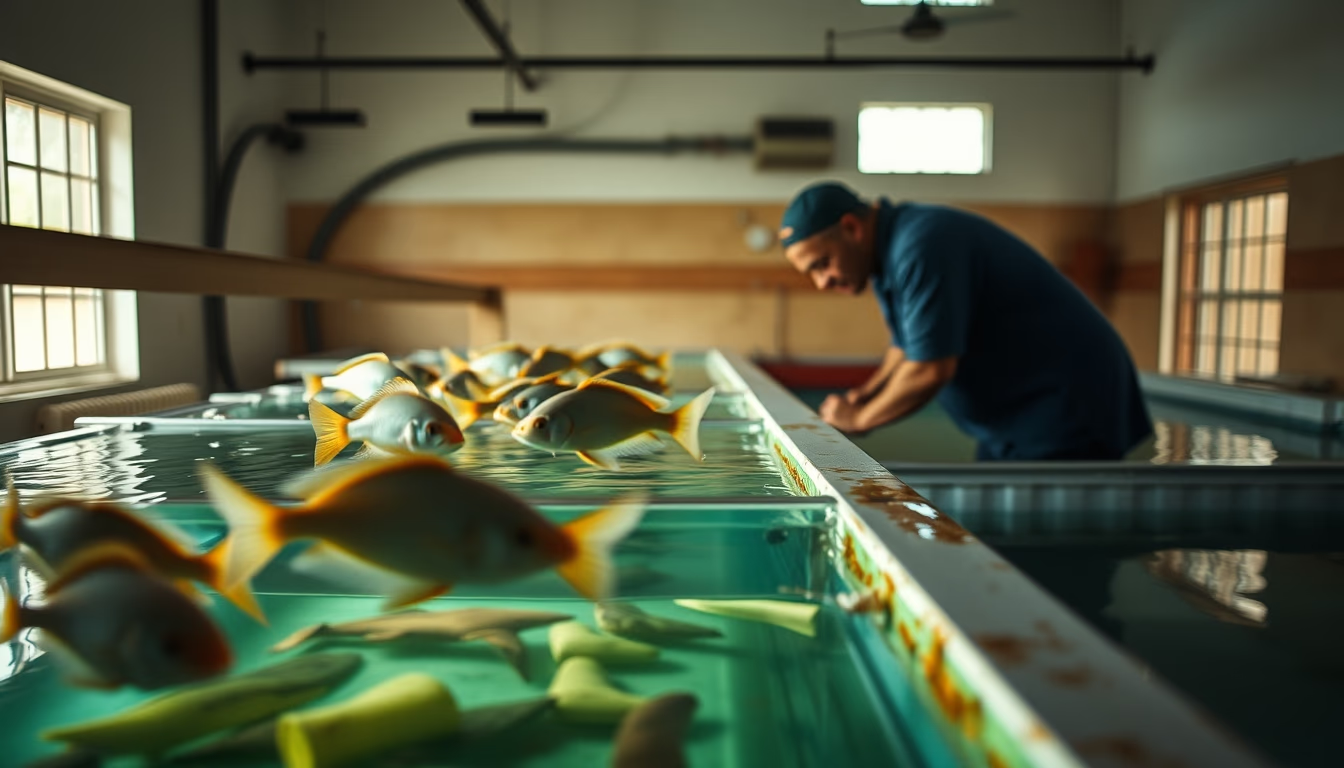
Pearl oyster harvest
1344×768 · AVIF · CC BY 4.0
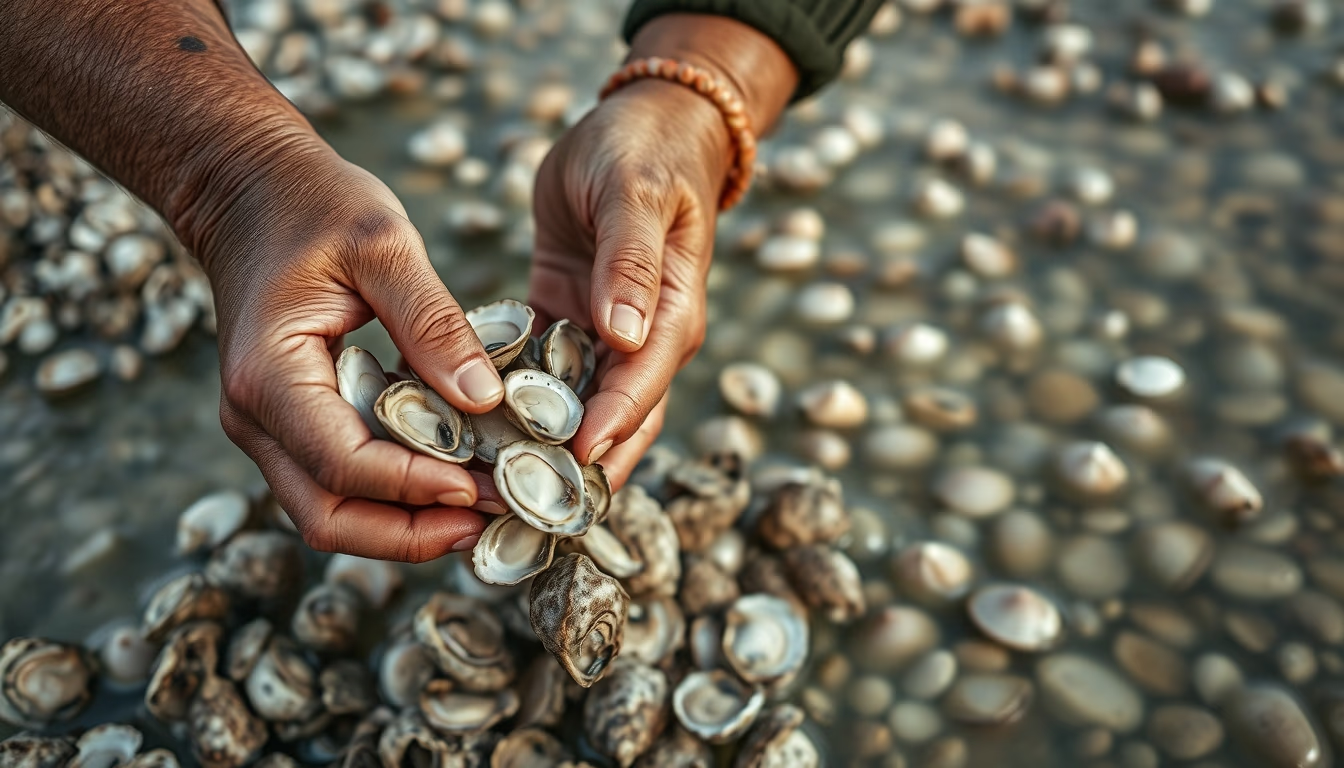
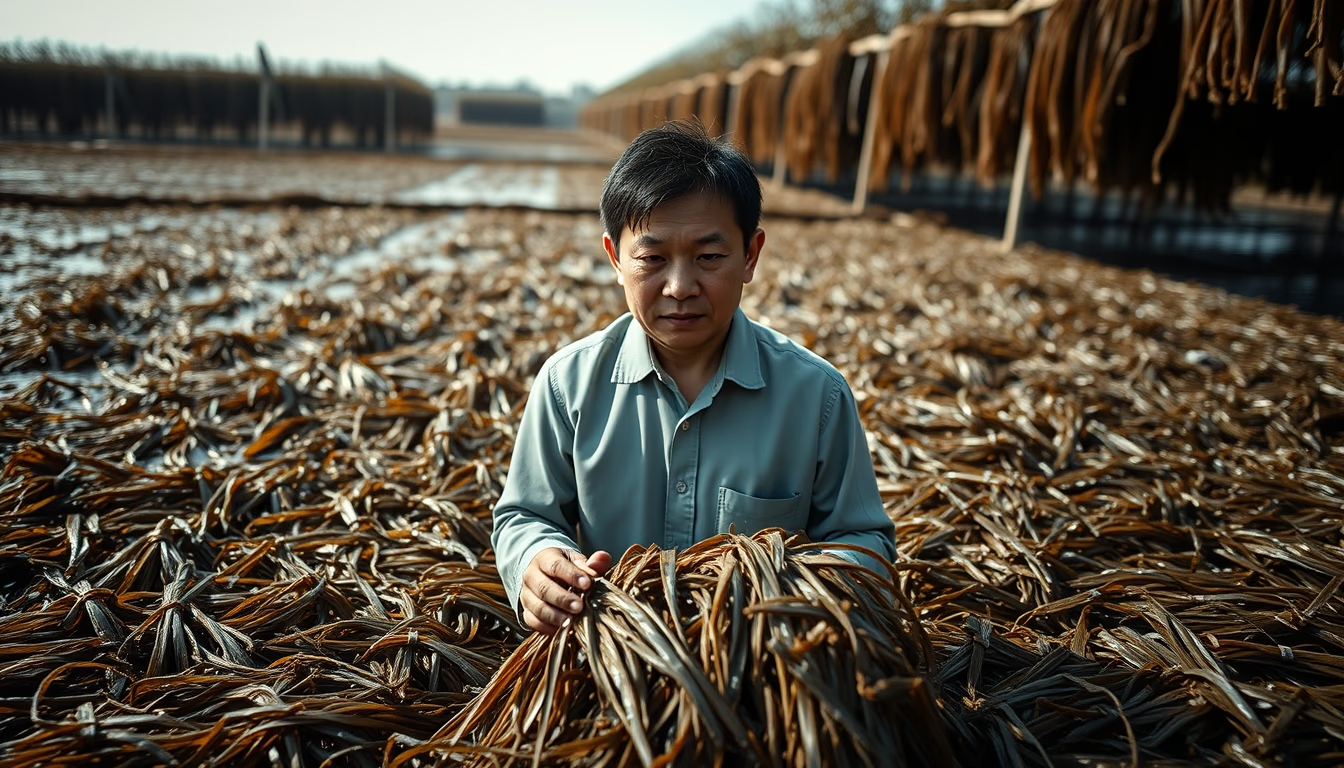
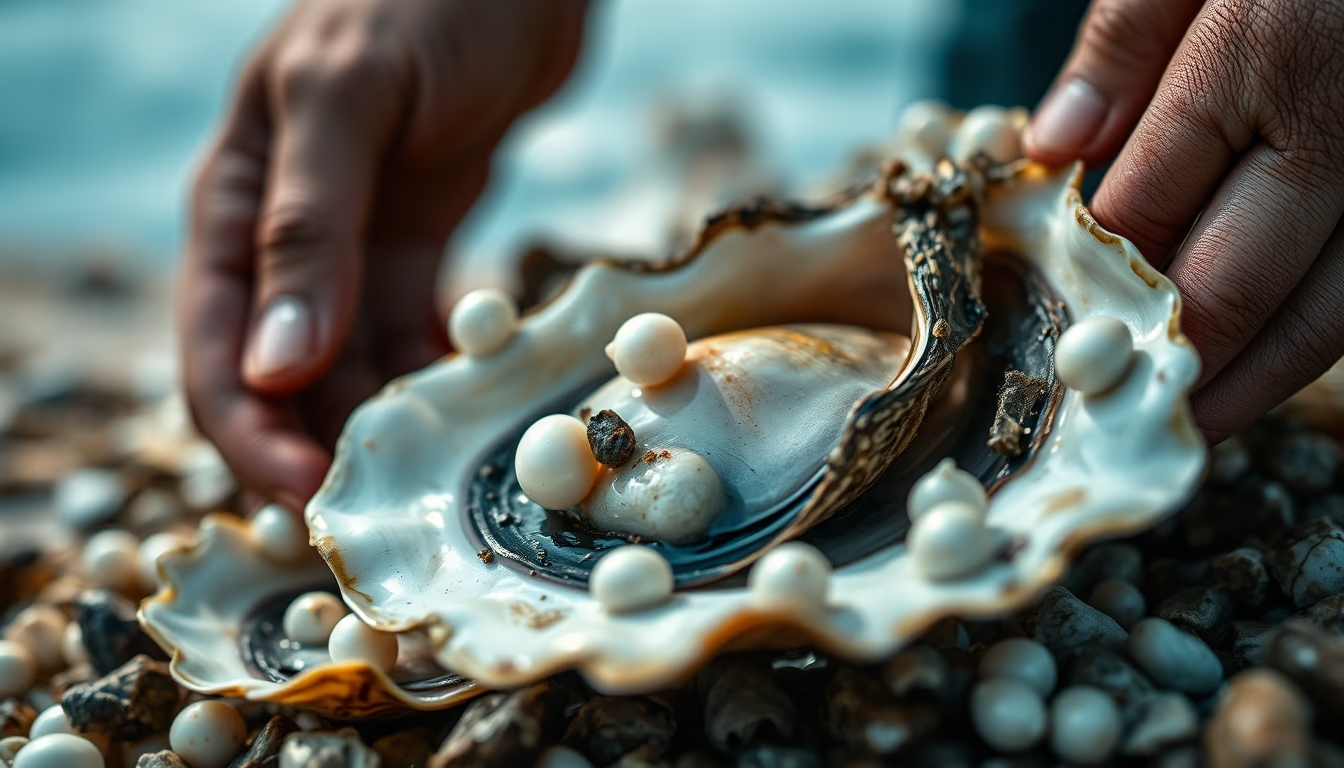
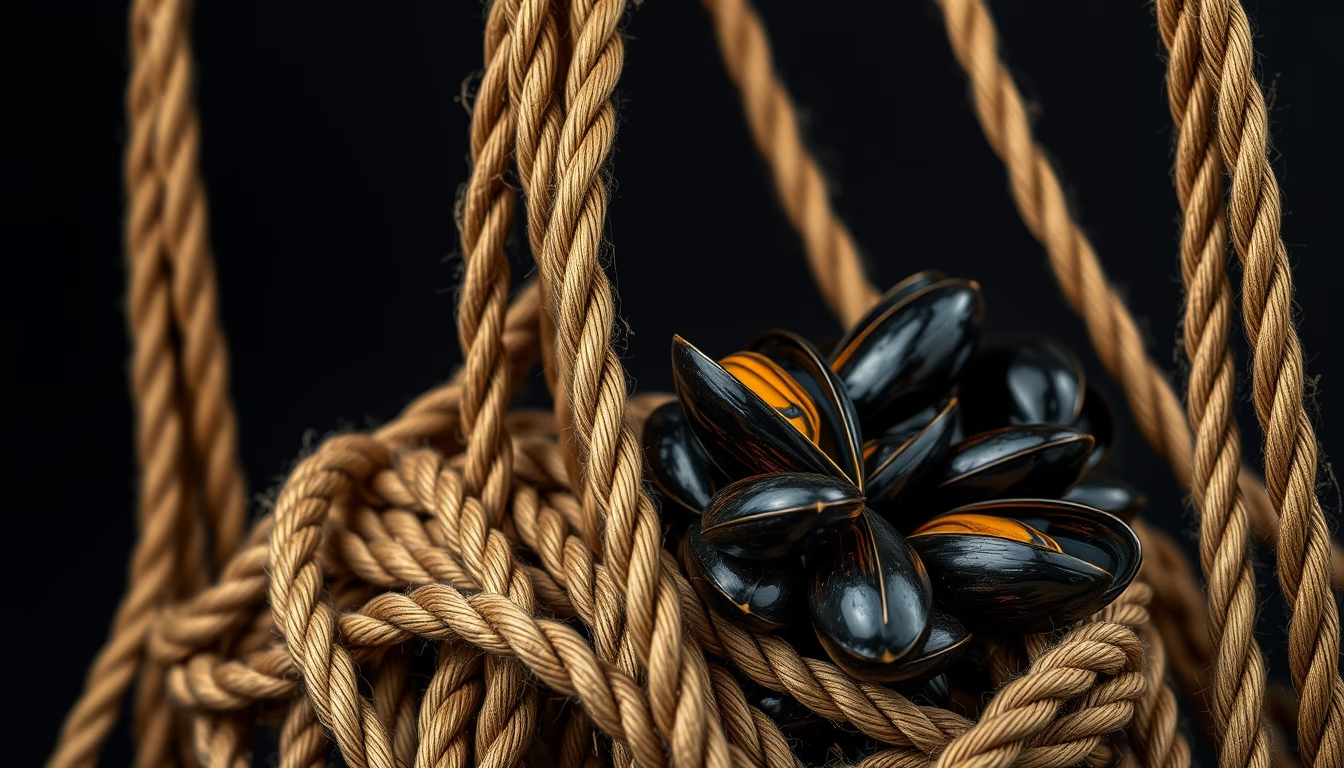
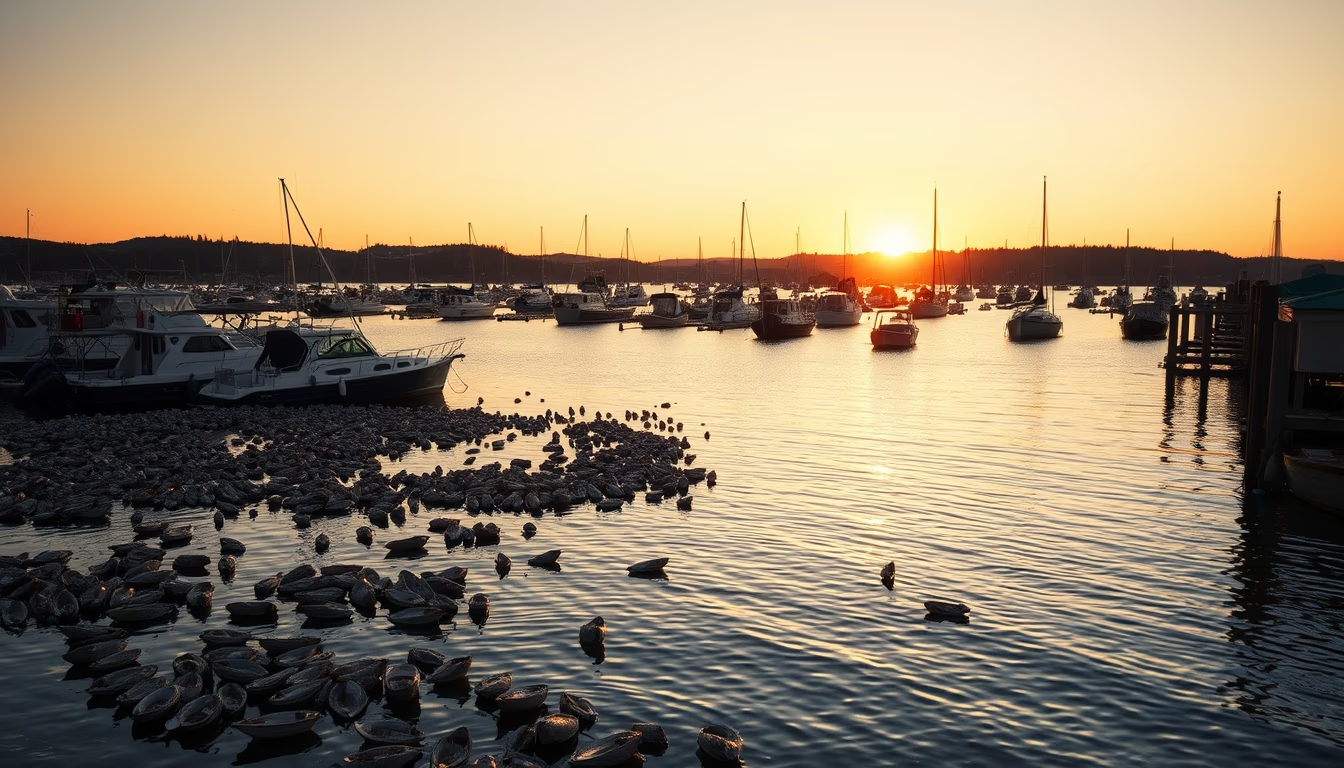
The harvest of pearl oysters is the final stage of a lengthy cultivation process that yields one of the world's most precious gems.
About this subject
Pearl oysters are bivalve mollusks of the family Pteriidae, notably Pinctada maxima (South Sea pearls) and Pinctada margaritifera (Tahitian black pearls). Pearl cultivation began in Japan in the late 19th century when Kokichi Mikimoto perfected the nucleation technique, which involves implanting a mother-of-pearl bead into the oyster's mantle. The oyster then coats this bead with layers of nacre, forming a pearl over 2 to 4 years.
Major pearl farming regions include Japan (Akoya pearls), French Polynesia (black pearls), Australia and Indonesia (South Sea pearls), as well as the Philippines and Myanmar. Harvesting is done by divers or using boats equipped to lift the oysters from floating rafts. Each oyster is opened manually with care to extract the pearl without damage. Only about 5% of nucleated oysters produce commercially viable pearls, making each harvest a high-stakes event.
Sustainability of pearl farms is a concern, as dense oyster concentrations can affect water quality and local ecosystems. However, many farms adopt practices such as raft rotation and health monitoring to mitigate impacts. Economically, the global cultured pearl market is worth billions of dollars, with South Sea pearls commanding the highest prices due to their large size and exceptional luster.
Interestingly, the pearl is the only gem produced by a living creature and requires no cutting or polishing for use in jewelry. Unlike natural pearls, which are extremely rare, cultured pearls account for over 99% of the current market. The harvest is a moment of great anticipation for farmers, as each opened oyster reveals whether years of investment have paid off.
Frequently Asked Questions
How are cultured pearls formed?
A small mother-of-pearl bead is surgically implanted into the oyster's mantle tissue. The oyster then secretes layers of nacre around the nucleus, forming a pearl over 2 to 4 years.
How long does it take to cultivate a pearl?
The cultivation process typically takes 2 to 4 years, depending on the oyster species and the desired pearl size. Larger pearls, such as South Sea pearls, can take up to 4 years.
Which country is the largest producer of cultured pearls?
Japan is historically the largest producer of Akoya pearls, but currently China leads in total volume. Australia and French Polynesia are leaders in value per pearl.
Direct URL
https://pub-c7d6a6ea828543ac903a74a341ccb2e1.r2.dev/imagens/pearl-oyster-harvest-documentary-nature-style-fresh3.avifHow to credit
Include a visible link back to UtilizAí. Copy one of the snippets below:
<a href="https://xn--utiliza-eza.com/en/midia/imagens/pearl-oyster-harvest-documentary-nature-style-fresh3">Pearl oyster harvest</a> by <a href="https://xn--utiliza-eza.com">UtilizAí</a>, licensed under <a href="https://creativecommons.org/licenses/by/4.0/">CC BY 4.0</a>.
[Pearl oyster harvest](https://xn--utiliza-eza.com/en/midia/imagens/pearl-oyster-harvest-documentary-nature-style-fresh3) by [UtilizAí](https://xn--utiliza-eza.com), CC BY 4.0
License: CC-BY-4.0