Pacman cabinet arcade
1344×768 · AVIF · CC BY 4.0
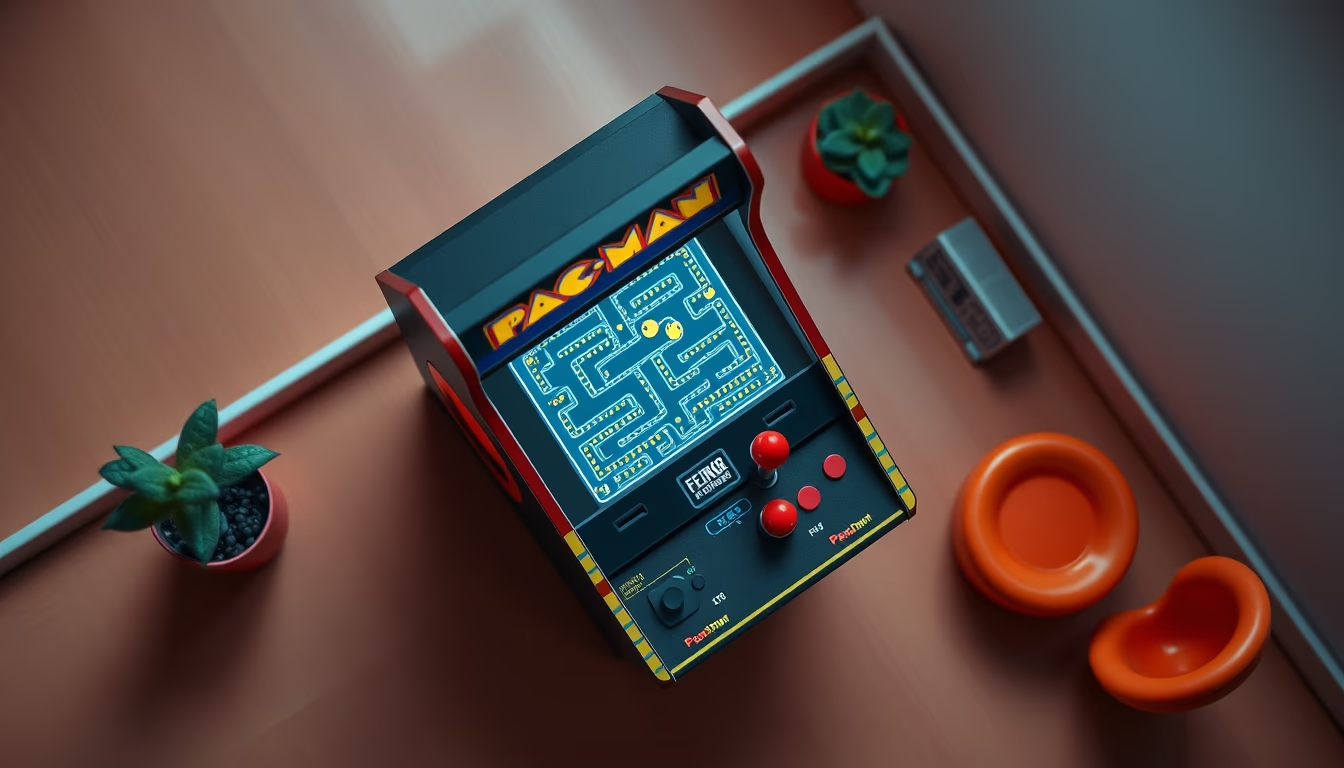
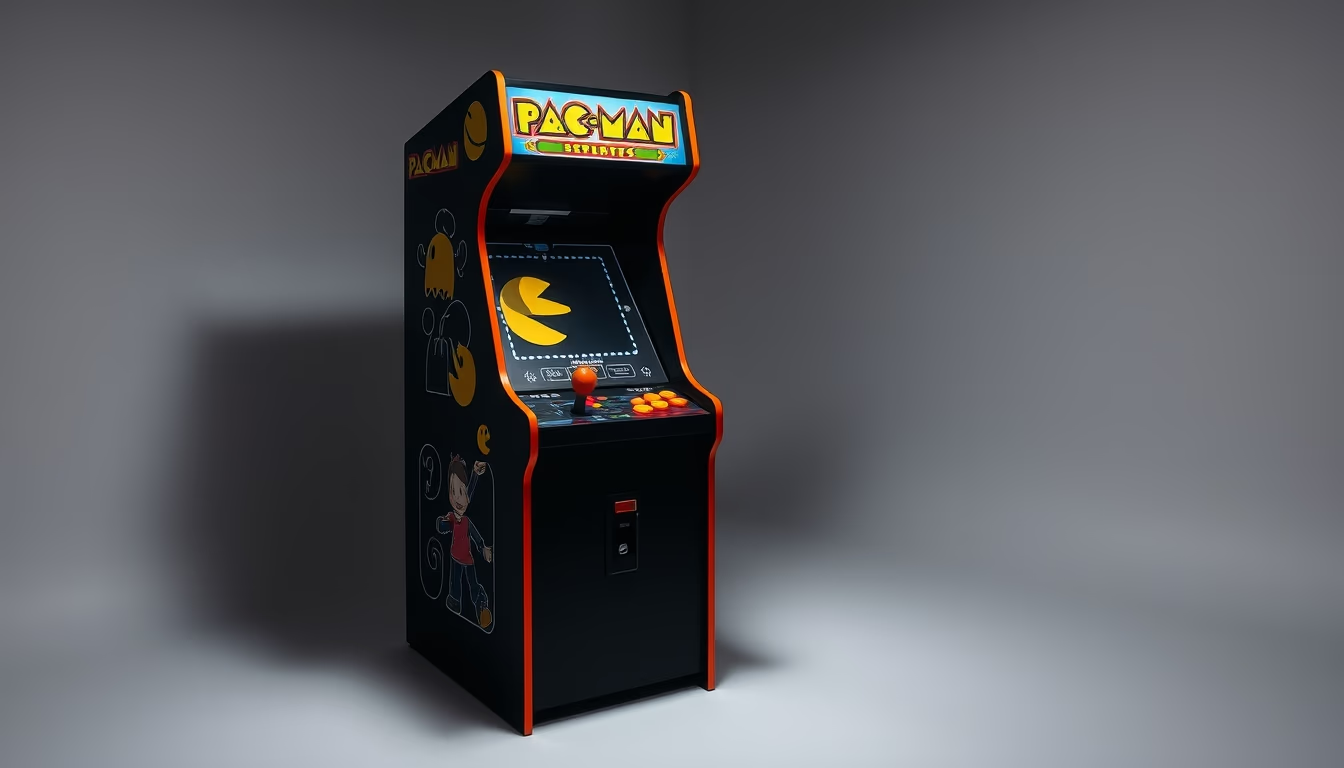
The classic Pac-Man arcade cabinet, released in 1980 by Namco, revolutionized electronic gaming with its yellow maze and iconic characters.
About this subject
The Pac-Man arcade cabinet is one of the most recognizable artifacts of 1980s pop culture. Designed by Toru Iwatani, the game was released on May 22, 1980 in Japan and quickly became a worldwide phenomenon. The standard cabinet featured a 19-inch color CRT monitor, a four-directional joystick, and buttons for starting the game and inserting coins. The front panel artwork displayed the yellow Pac-Man, colorful ghosts, and the maze, all in a vibrant style that appealed to players of all ages.
Namco produced different versions of the cabinet, including upright and cocktail table models. The cabinet design became so iconic that it inspired miniature replicas, decorations, and even full-size arcade machines for home use. It is estimated that over 293,000 units were sold by 1981, generating revenues exceeding US$1 billion. The game broke popularity records, being the first to reach a mass audience and generate extensive merchandising, such as T-shirts, cartoons, and music.
Culturally, Pac-Man represented a shift in the player demographic, attracting both men and women. The simple mechanics of eating pellets and fleeing ghosts, combined with the endearing character design, created an intuitive and addictive experience. The arcade cabinet became a social gathering point in bars, restaurants, and game rooms, symbolizing the peak of the arcade era.
Today, original cabinets are highly prized collector's items. Restorers preserve original components and reproduce artwork to maintain authenticity. Pac-Man's legacy continues in modern re-releases, including portable and console versions, but the classic cabinet remains the definitive icon of early video gaming.
Frequently Asked Questions
Who designed Pac-Man and its arcade cabinet?
The game Pac-Man was created by Japanese designer Toru Iwatani, who worked at Namco. He was inspired by the shape of a pizza slice to create the main character.
How many Pac-Man cabinets were sold worldwide?
It is estimated that over 293,000 cabinets were sold by 1981, making it one of the most successful arcade games in history.
Why did Pac-Man become a cultural phenomenon?
Beyond its simple and addictive gameplay, the Pac-Man character attracted a wide audience, including women and non-gamers. Extensive merchandising and presence in cartoons cemented its status as an icon.
Direct URL
https://pub-c7d6a6ea828543ac903a74a341ccb2e1.r2.dev/imagens/pacman-cabinet-arcade-isometric-flat-lay-fresh0.avifHow to credit
Include a visible link back to UtilizAí. Copy one of the snippets below:
<a href="https://xn--utiliza-eza.com/en/midia/imagens/pacman-cabinet-arcade-isometric-flat-lay-fresh0">Pacman cabinet arcade</a> by <a href="https://xn--utiliza-eza.com">UtilizAí</a>, licensed under <a href="https://creativecommons.org/licenses/by/4.0/">CC BY 4.0</a>.
[Pacman cabinet arcade](https://xn--utiliza-eza.com/en/midia/imagens/pacman-cabinet-arcade-isometric-flat-lay-fresh0) by [UtilizAí](https://xn--utiliza-eza.com), CC BY 4.0
License: CC-BY-4.0