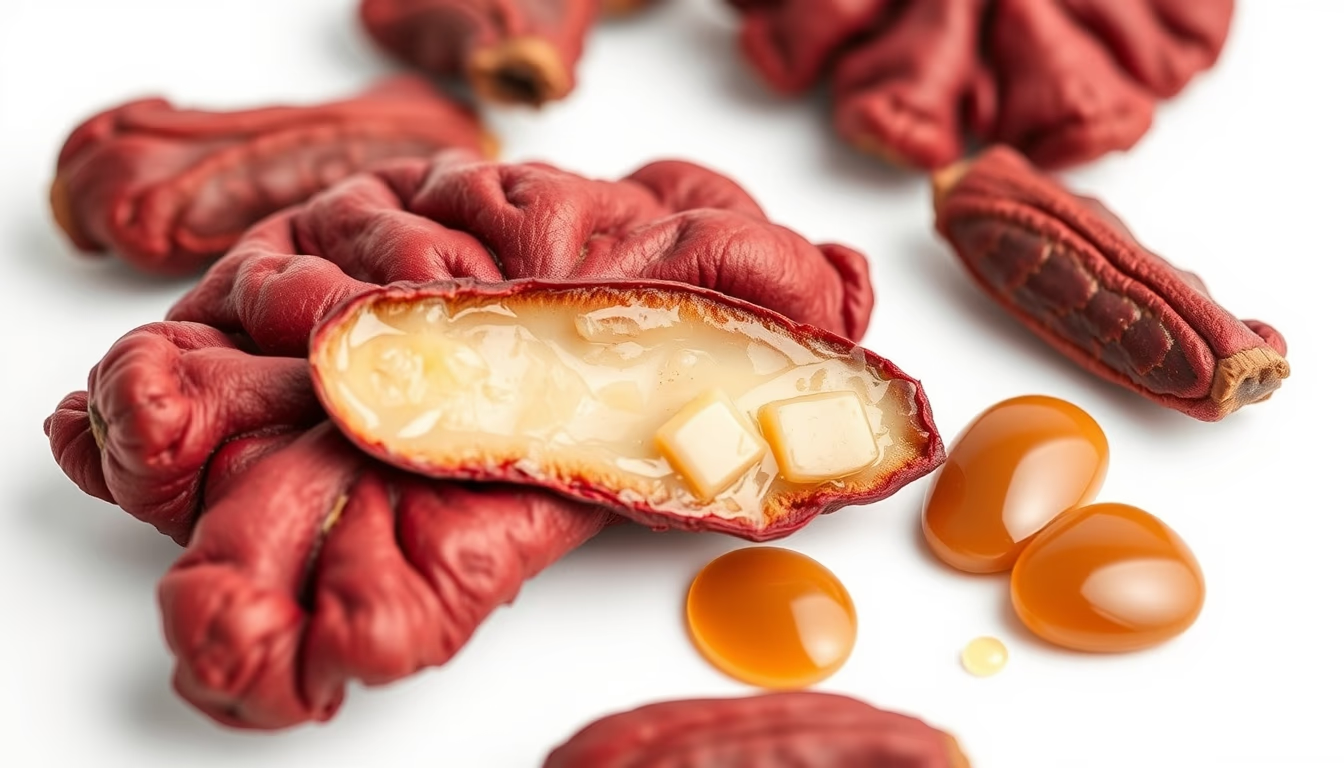
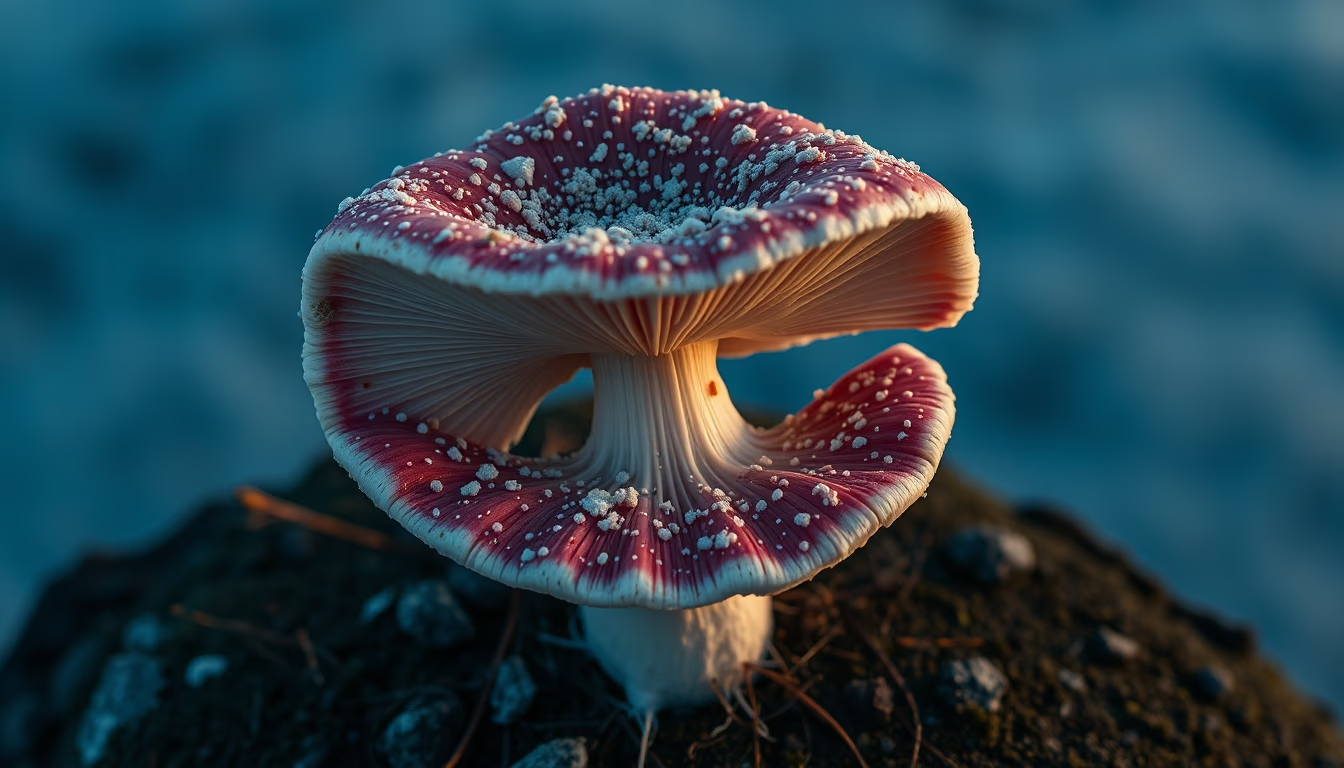
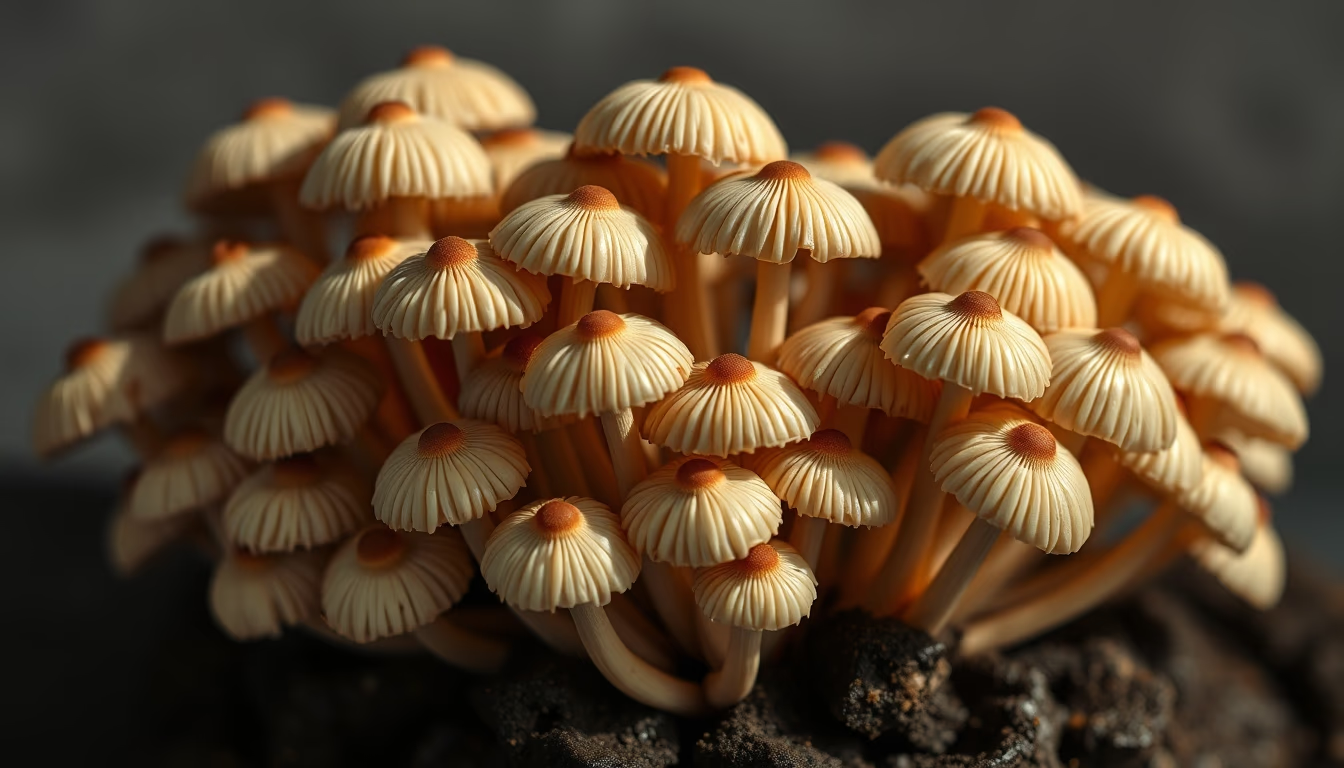
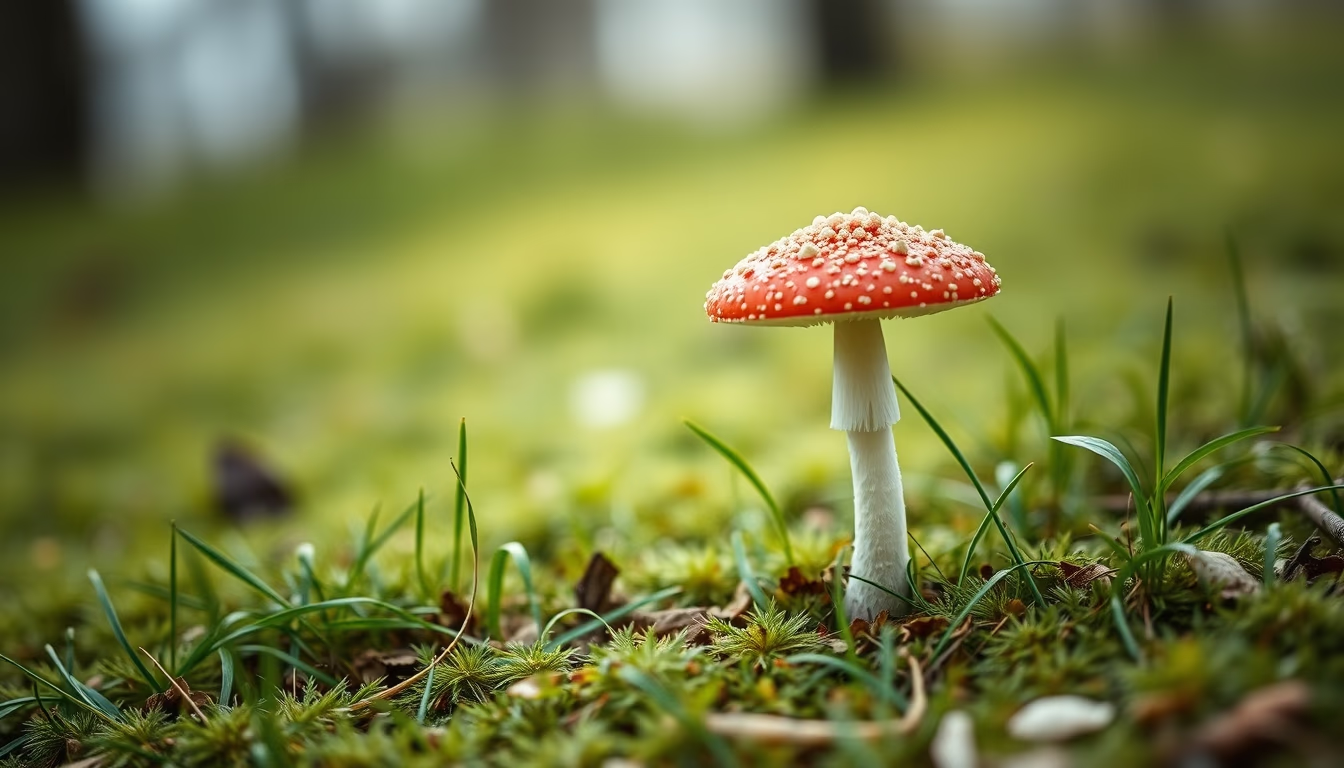
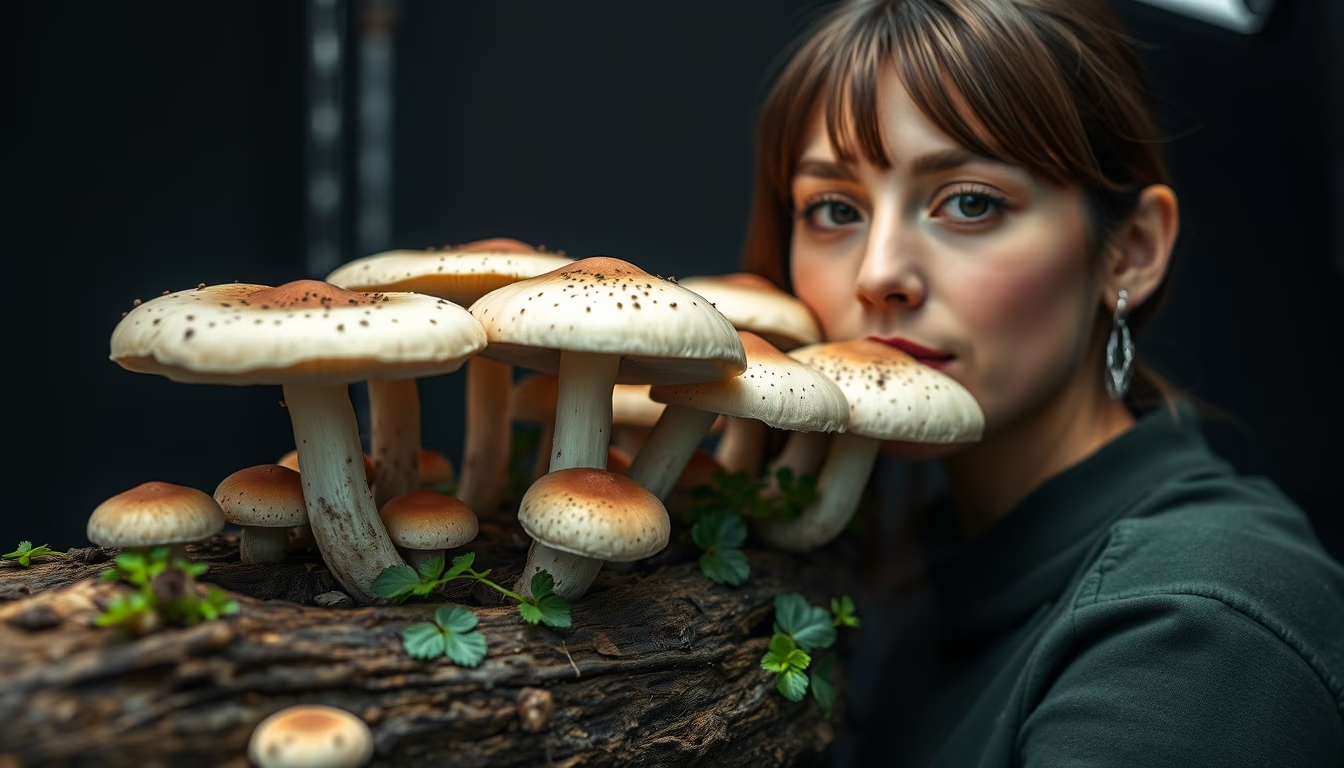
Oyster mushroom growing
1344×768 · AVIF · CC BY 4.0
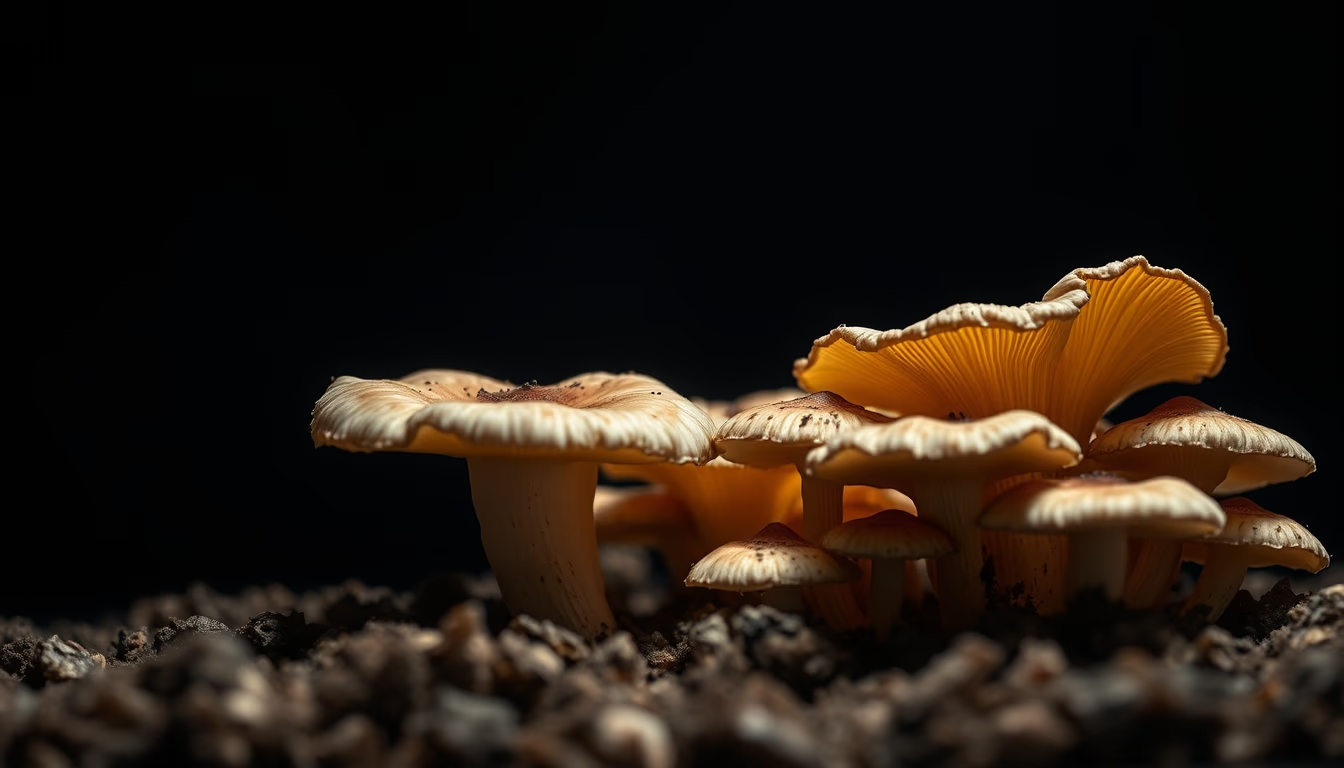
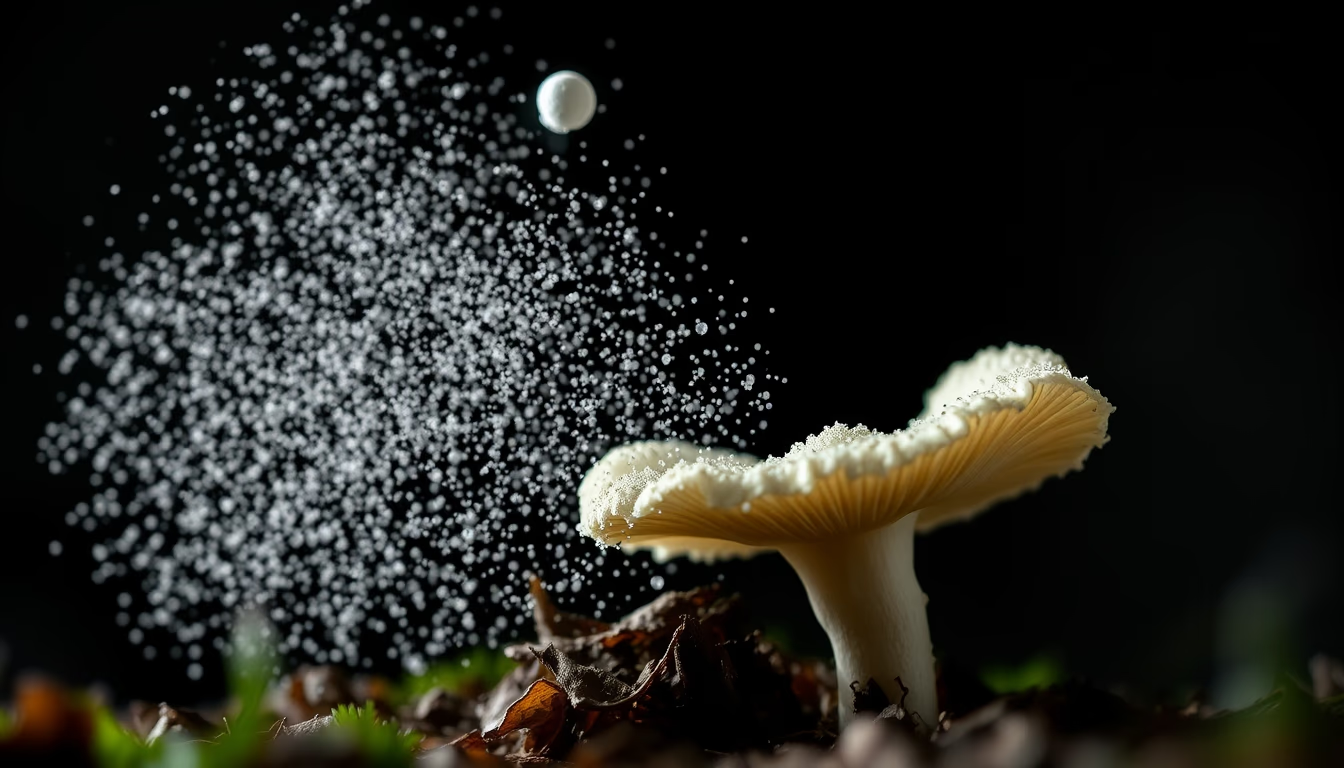
Oyster mushroom (Pleurotus ostreatus) cultivation: techniques, substrates, and nutritional and environmental benefits.
About this subject
The oyster mushroom, scientifically known as Pleurotus ostreatus, is one of the most cultivated edible mushrooms worldwide. Its popularity stems from its mild flavor, pleasant texture, and high nutritional value, being rich in proteins, fiber, B vitamins, and minerals such as potassium and selenium. Additionally, it is low in fat and calories, making it a functional food associated with cholesterol reduction and immune system boost.
Cultivation of oyster mushrooms is relatively simple and can be done on a small scale at home or in large commercial farms. The most common substrate is wheat or rice straw, but agricultural residues such as sugarcane bagasse, sawdust, and seed husks are also used. After pasteurization or sterilization of the substrate, the mycelium (the mushroom 'seed') is inoculated and kept in an environment with high humidity and controlled temperature between 20°C and 28°C. Within two to three weeks, primordia appear, followed by mature mushrooms ready for harvest.
A remarkable characteristic of Pleurotus ostreatus is its ability to decompose lignin and cellulose, making it useful in bioremediation processes to degrade organic pollutants and even plastics. Studies show that enzymes produced by these mushrooms can break down toxic compounds such as textile dyes and hydrocarbons. This versatility makes it an ally in sustainable agricultural practices and waste management.
In Brazil, oyster mushroom cultivation has grown, especially among small urban and rural farmers, due to low initial costs and quick financial returns. Fresh oyster mushrooms are sold at fairs, supermarkets, and restaurants, increasingly valued by chefs and consumers seeking healthy and tasty alternatives. Domestic production still faces challenges such as lack of standardization and need for technical assistance, but the potential is enormous, particularly in mild climate regions like the South and Southeast.
Frequently Asked Questions
What is the best substrate for growing oyster mushrooms?
The most common substrate is wheat or rice straw, but agricultural residues like sugarcane bagasse, sawdust, and seed husks also work. It's important to pasteurize or sterilize the material to avoid contamination.
How long does it take to harvest oyster mushrooms after inoculation?
Typically 3 to 4 weeks, depending on temperature and humidity. The mycelium colonizes the substrate in 2 to 3 weeks, and the mushrooms grow in about a week.
Can oyster mushrooms be grown at home?
Yes, it is possible in small spaces like balconies or garages, provided there is high humidity (80-90%) and temperature between 20-28°C. Ready-to-grow kits simplify the process for beginners.
Direct URL
https://pub-c7d6a6ea828543ac903a74a341ccb2e1.r2.dev/imagens/oyster-mushroom-growing-studio-editorial-portrait-p9.avifHow to credit
Include a visible link back to UtilizAí. Copy one of the snippets below:
<a href="https://xn--utiliza-eza.com/en/midia/imagens/oyster-mushroom-growing-studio-editorial-portrait-p9">Oyster mushroom growing</a> by <a href="https://xn--utiliza-eza.com">UtilizAí</a>, licensed under <a href="https://creativecommons.org/licenses/by/4.0/">CC BY 4.0</a>.
[Oyster mushroom growing](https://xn--utiliza-eza.com/en/midia/imagens/oyster-mushroom-growing-studio-editorial-portrait-p9) by [UtilizAí](https://xn--utiliza-eza.com), CC BY 4.0
License: CC-BY-4.0