Oyster mushroom growing
1344×768 · AVIF · CC BY 4.0
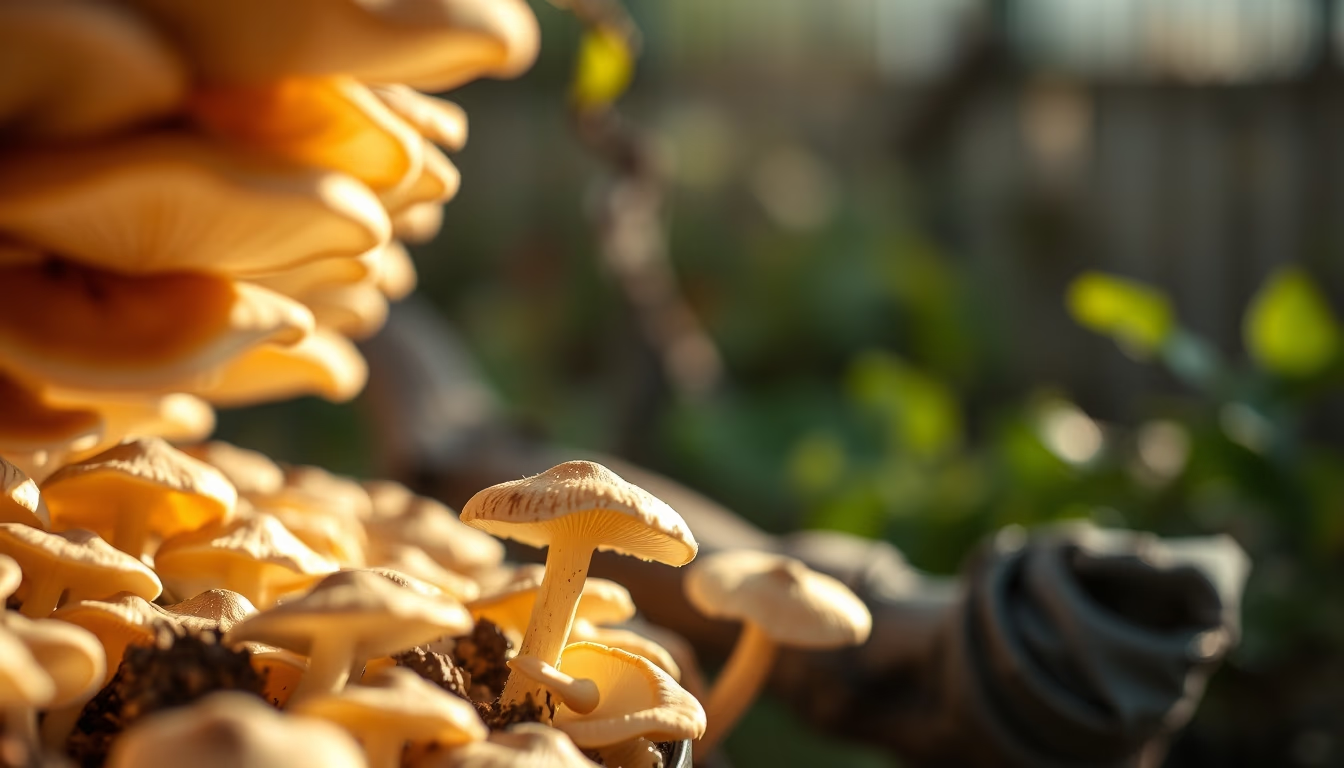
Oyster mushrooms are popular edible fungi cultivated worldwide for their mild flavor and culinary versatility.
About this subject
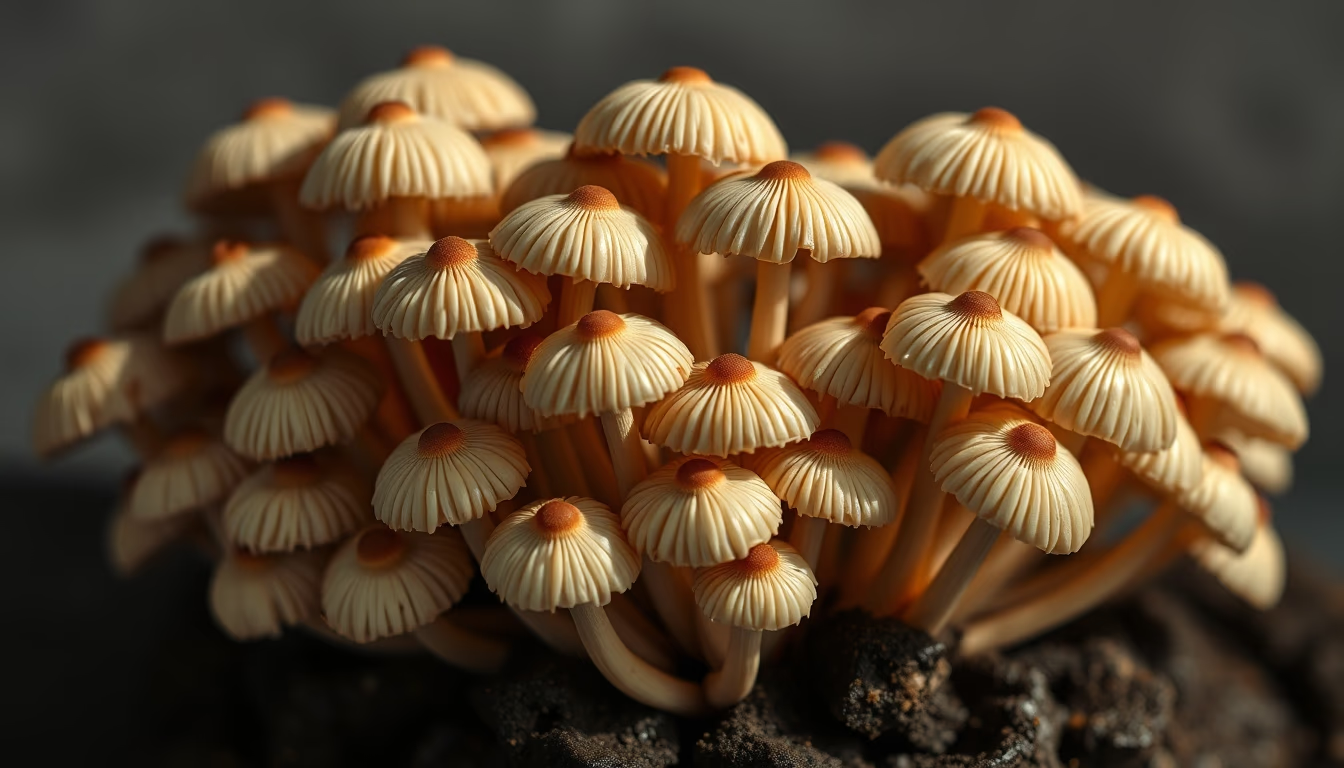
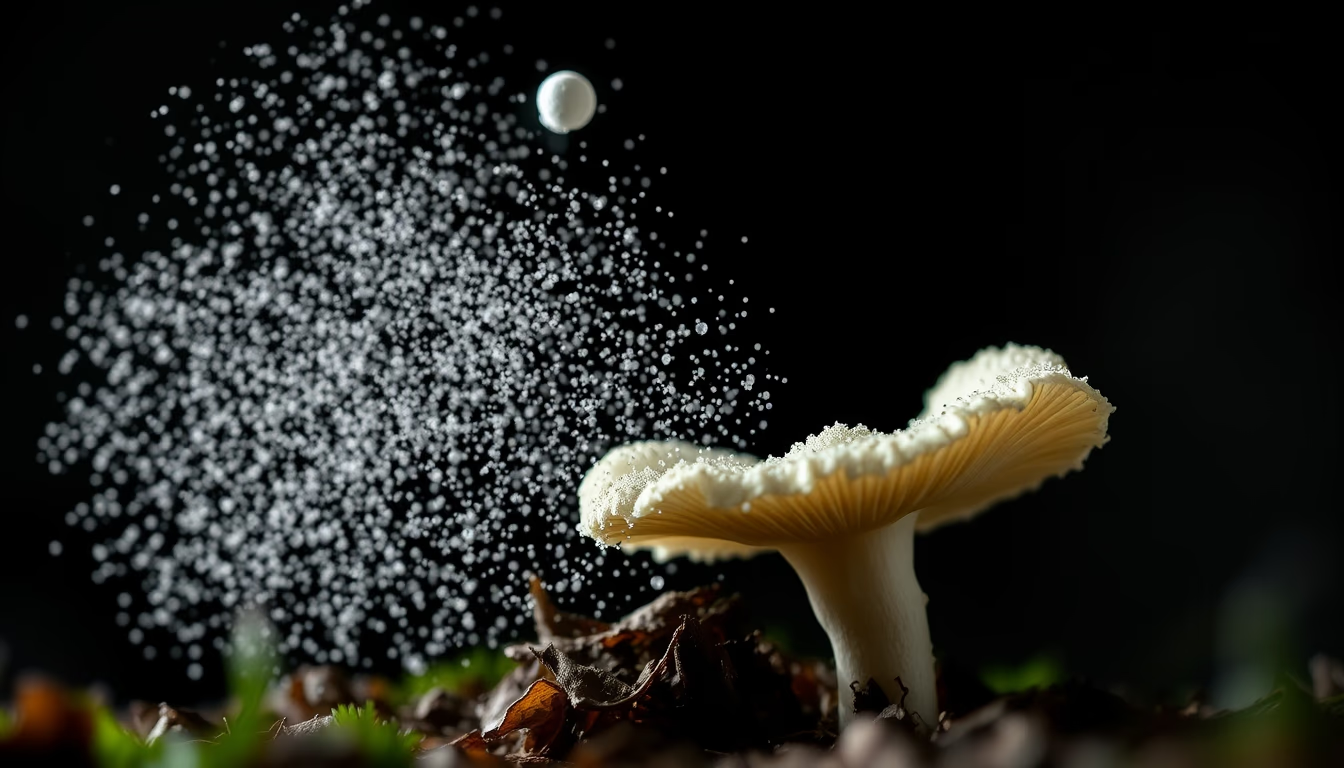
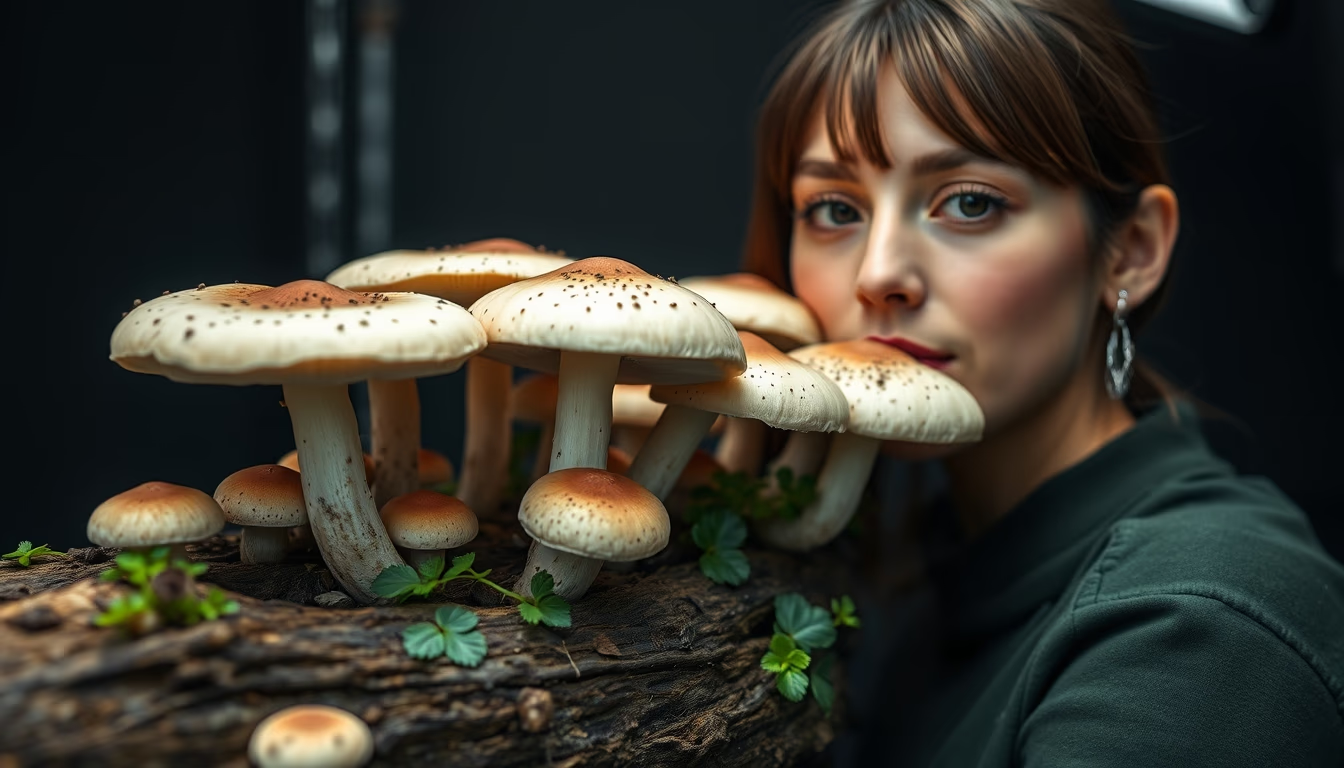
The oyster mushroom (Pleurotus ostreatus) is a saprophytic fungus that naturally grows on dead hardwood logs, particularly of deciduous trees. Native to temperate and subtropical regions, it is now cultivated on every continent due to its ease of production and rapid growth. Unlike many mushrooms, Pleurotus does not require complex substrates; it can thrive on straw, sawdust, coffee grounds, or agricultural waste, making it a sustainable option for urban farming. Home cultivation is popular, with kits producing harvests in just a few weeks.
In cooking, oyster mushrooms have a mildly sweet flavor and a tender texture when cooked, absorbing seasonings and sauces well. They are rich in protein, fiber, B vitamins, and minerals like potassium and iron. Studies suggest that Pleurotus ostreatus extracts have antioxidant properties and may help lower cholesterol. In Brazil, they are found at farmers' markets and supermarkets, often produced by small-scale farmers using low-cost systems.
Proper identification of wild oyster mushrooms requires caution, as some toxic look-alikes exist, such as the Omphalotus nidiformis (ghost fungus). Therefore, it is recommended to purchase from trustworthy sources or learn from experts. Amateur mycology is growing, with groups dedicated to the collection and study of fungi in various Brazilian regions.
Frequently Asked Questions
Can oyster mushrooms be grown at home?
Yes, oyster mushrooms are among the easiest to cultivate indoors. Kits with inoculated substrate yield harvests within 7 to 14 days, even in small apartments.
What are the nutritional benefits of oyster mushrooms?
They are rich in protein, fiber, B vitamins (niacin, riboflavin), potassium, and iron. Their low calorie count makes them suitable for various diets.
Is there a poisonous look-alike for oyster mushrooms?
Yes, the ghost fungus (Omphalotus nidiformis) is toxic and can be mistaken for oyster mushrooms. It glows in the dark and has different gill attachment.
Direct URL
https://pub-c7d6a6ea828543ac903a74a341ccb2e1.r2.dev/imagens/oyster-mushroom-growing-documentary-photography-p7.avifHow to credit
Include a visible link back to UtilizAí. Copy one of the snippets below:
<a href="https://xn--utiliza-eza.com/en/midia/imagens/oyster-mushroom-growing-documentary-photography-p7">Oyster mushroom growing</a> by <a href="https://xn--utiliza-eza.com">UtilizAí</a>, licensed under <a href="https://creativecommons.org/licenses/by/4.0/">CC BY 4.0</a>.
[Oyster mushroom growing](https://xn--utiliza-eza.com/en/midia/imagens/oyster-mushroom-growing-documentary-photography-p7) by [UtilizAí](https://xn--utiliza-eza.com), CC BY 4.0
License: CC-BY-4.0