Oyster farm bay
1344×768 · AVIF · CC BY 4.0

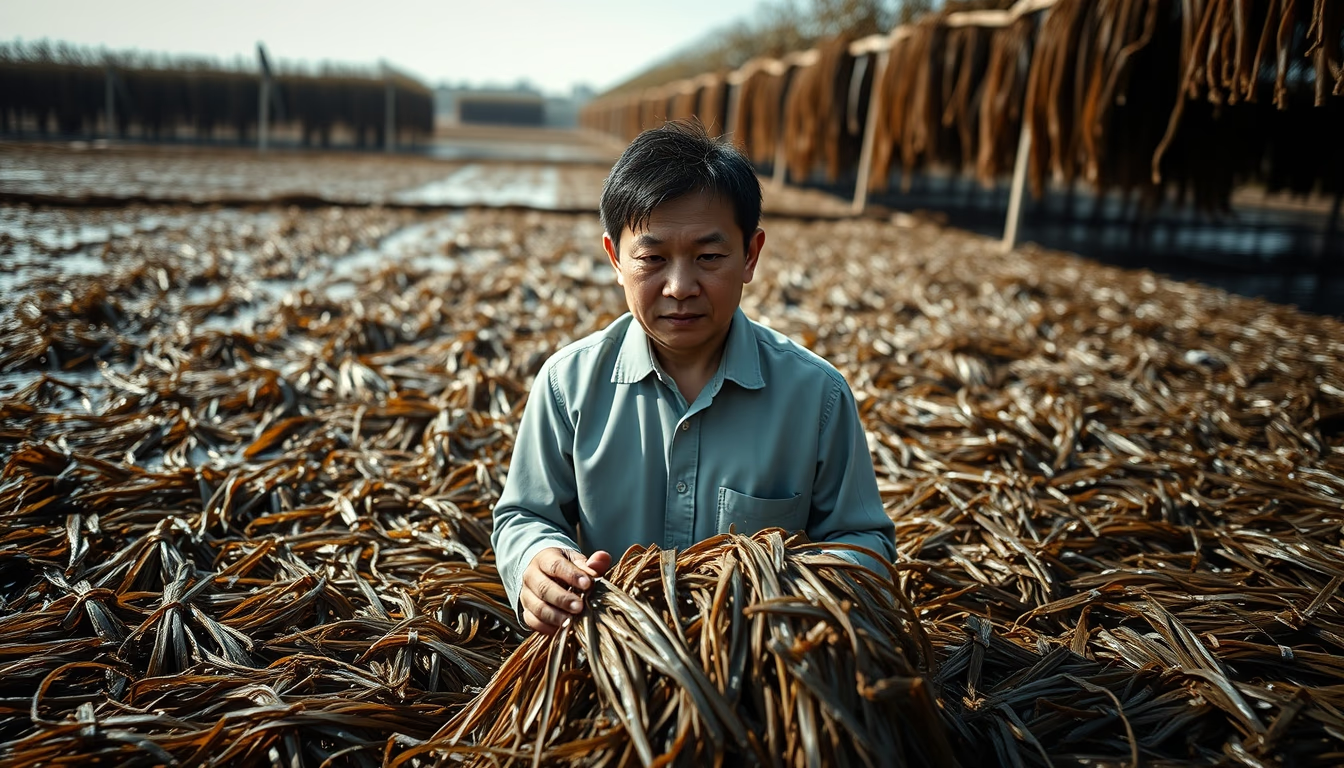
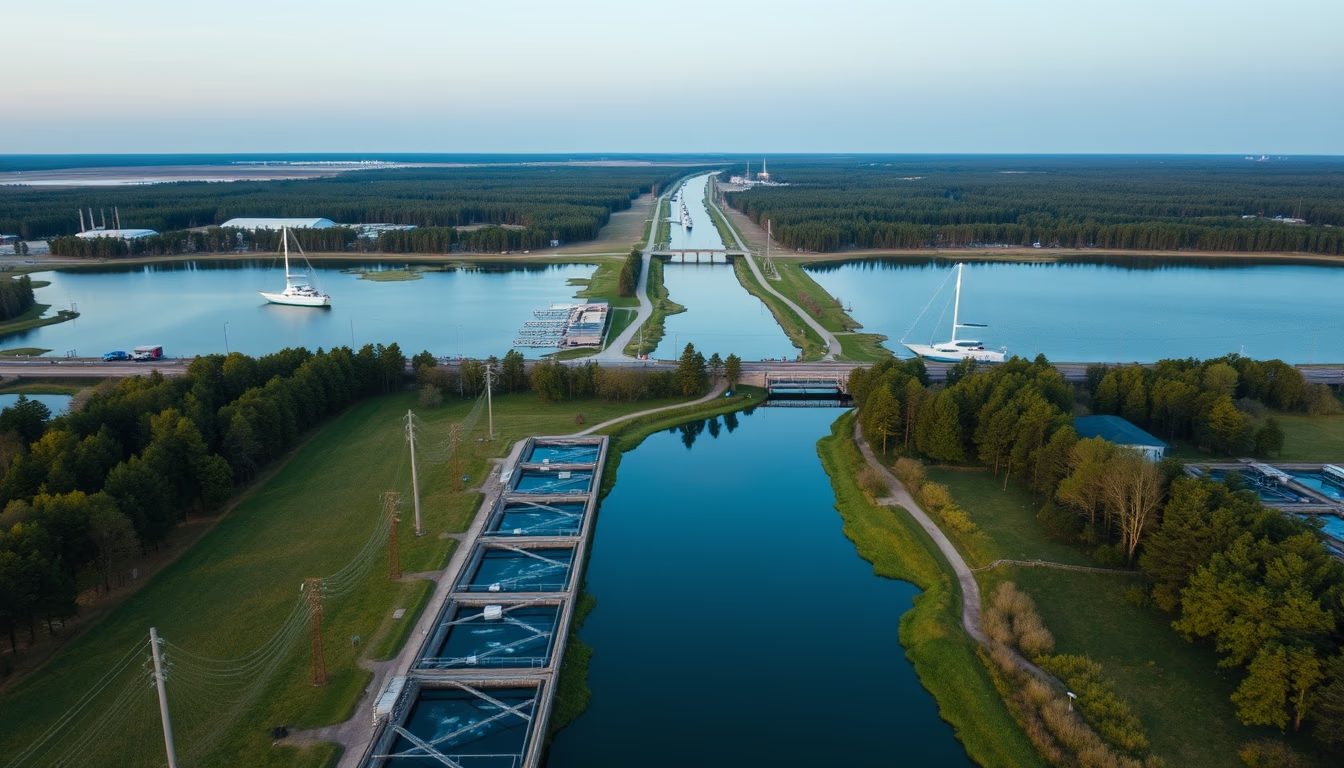
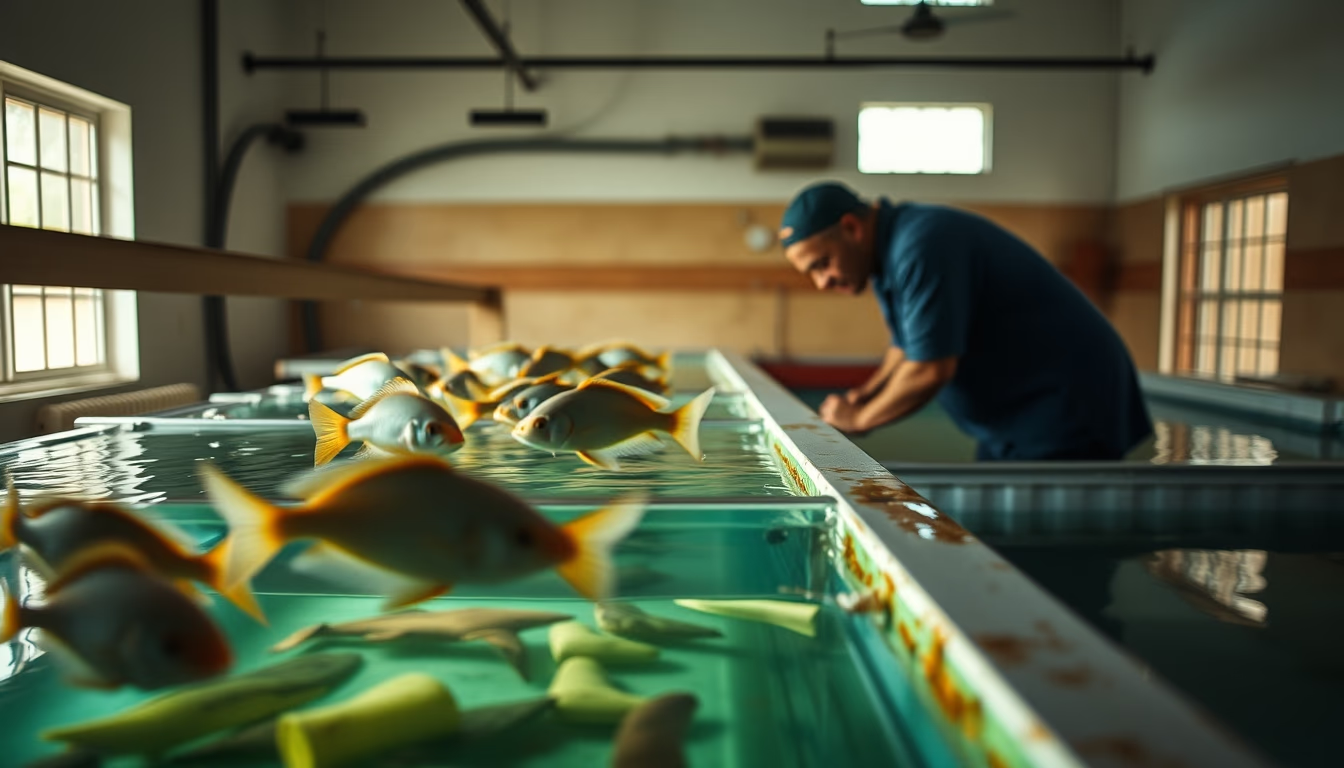
Oyster farming in bays: a sustainable practice blending tradition and innovation in global aquaculture, generating income and preserving ecosystems.
About this subject
Oyster farming in bays is an ancient practice that has evolved with modern sustainable aquaculture techniques. Oysters are bivalve mollusks that filter plankton and suspended particles, improving water quality. Farms are typically located in tidal zones using structures such as tables, lantern nets, or longlines, keeping oysters submerged and protected from predators.
Globally, oyster farming is most prominent in China, Japan, France, and the United States. In France, the Marennes-Oléron region produces world-renowned oysters. In Brazil, cultivation thrives in Santa Catarina, especially in the South Bay of Florianópolis, which accounts for about 90% of the national output. The main cultivated species is Crassostrea gigas, an introduced Pacific oyster well adapted to local waters.
Beyond culinary value, oysters play a crucial ecological role. Each oyster can filter up to 50 liters of water daily, removing nitrogen and phosphorus. This helps combat eutrophication in polluted bays. Accordingly, oyster reef restoration projects are underway worldwide, such as in Chesapeake Bay, USA.
Sustainable management includes rotating culture areas to prevent sediment buildup and using hatchery-produced seeds to ensure genetic and sanitary quality. Oyster farming also creates jobs in coastal communities and boosts gastronomic tourism, with festivals and tasting routes.
Frequently Asked Questions
What are the main environmental benefits of oyster farming?
Oyster farming improves water quality by filtering out nitrogen and phosphorus. Oyster reefs also provide habitat for many marine species, enhancing local biodiversity.
How is oyster farming done in bays?
Oysters are grown on structures such as tables, lantern nets, or longlines. Hatchery-produced seeds are placed in these structures and grow for 12 to 18 months until they reach market size.
Where is oyster production concentrated in Brazil?
Oyster production in Brazil is concentrated in Santa Catarina, especially in the South Bay of Florianópolis. The state accounts for about 90% of national output, with Florianópolis oysters being particularly notable.
Direct URL
https://pub-c7d6a6ea828543ac903a74a341ccb2e1.r2.dev/imagens/oyster-farm-bay-high-fashion-editorial-fresh7.avifHow to credit
Include a visible link back to UtilizAí. Copy one of the snippets below:
<a href="https://xn--utiliza-eza.com/en/midia/imagens/oyster-farm-bay-high-fashion-editorial-fresh7">Oyster farm bay</a> by <a href="https://xn--utiliza-eza.com">UtilizAí</a>, licensed under <a href="https://creativecommons.org/licenses/by/4.0/">CC BY 4.0</a>.
[Oyster farm bay](https://xn--utiliza-eza.com/en/midia/imagens/oyster-farm-bay-high-fashion-editorial-fresh7) by [UtilizAí](https://xn--utiliza-eza.com), CC BY 4.0
License: CC-BY-4.0